West Virginia Hydroponic Farm Business Insurance
See How We're Different
or call us: (215) 653-8411
Hydroponic farming operations in West Virginia face a distinct set of risks that traditional agricultural insurance policies weren't designed to address. Your controlled environment agriculture facility relies on sophisticated technology, precise nutrient delivery systems, and climate control equipment that can fail catastrophically without warning. A single pump malfunction during a summer heatwave could destroy an entire crop within hours. Standard farm policies often exclude or inadequately cover these scenarios, leaving growers exposed to devastating financial losses.
West Virginia's hydroponic farm business insurance coverage requires careful consideration of your operation's unique vulnerabilities. Unlike conventional farming, where weather damage typically unfolds over days or weeks, hydroponic system failures can wipe out months of work in a single afternoon. The state's variable climate, with its humidity fluctuations and occasional severe weather events, adds another layer of complexity. Your insurance portfolio must account for everything from nutrient solution contamination to power outages that disable your environmental controls. Understanding these coverage options isn't just prudent business planning; it's essential for protecting the substantial capital investment your operation represents.
Core Commercial Property Coverage for Hydroponic Systems
Commercial property insurance forms the foundation of any hydroponic operation's risk management strategy. Your facility likely contains hundreds of thousands of dollars in specialized equipment, from grow lights and HVAC systems to automated nutrient dosing equipment. Standard property policies may classify some of this equipment differently than you'd expect, potentially leaving gaps in coverage.
Farm and ranch insurance remains crucial for West Virginia's agricultural industry due to unpredictable weather, equipment breakdown, and potential liability claims. Hydroponic operations should ensure their property coverage explicitly lists controlled environment agriculture equipment at appropriate replacement values.
Protecting Controlled Environment Agriculture (CEA) Infrastructure
Your CEA infrastructure represents a significant investment that requires specialized valuation. Greenhouse structures, climate control systems, irrigation networks, and growing systems all need accurate coverage limits. Many growers underinsure their facilities because they use original purchase prices rather than current replacement costs.
Work with an agent who understands that replacing a commercial-grade LED lighting system costs considerably more than the residential alternatives insurance adjusters might reference. Your policy should specify replacement cost coverage rather than actual cash value, which depreciates equipment over time and leaves you unable to rebuild after a loss.
Equipment Breakdown and Nutrient Solution Loss
Equipment breakdown coverage, sometimes called mechanical breakdown insurance, protects against sudden equipment failure that property insurance typically excludes. When your main circulation pump fails or your climate controller malfunctions, standard property policies may deny the claim because no covered peril caused the damage.
Nutrient solution represents another often-overlooked asset. A contaminated reservoir or system failure that forces you to dump thousands of gallons of carefully balanced solution creates real financial loss. Ensure your policy addresses this specific exposure, as many standard forms don't contemplate liquid growing mediums as covered property.
Crop Insurance for Soilless Cultivation
Traditional crop insurance programs designed for field agriculture don't translate well to hydroponic operations. The final date to apply for crop insurance coverage for spring-planted crops is March 15, though hydroponic growers often need year-round protection given their continuous production cycles.
Several specialty insurers now offer greenhouse crop coverage that accounts for the higher value per square foot of hydroponic production. These policies typically cover crop loss from equipment failure, disease, and environmental control malfunctions. Expect insurers to require documentation of your growing protocols and environmental monitoring systems.
TruePath Insurance is fully licensed and authorized to provide comprehensive insurance solutions across multiple states.
We proudly serve individuals and businesses nationwide, offering access to trusted regional and national carriers. Our goal is to help clients find reliable, affordable coverage that aligns with their goals—whether for personal protection, business stability, or long-term financial security.
General and Product Liability for West Virginia Growers
Liability coverage protects your operation when third parties suffer injury or property damage connected to your business activities. For hydroponic produce growers, this includes both general liability for premises-related incidents and product liability for foodborne illness claims.
Mitigating Risks of Foodborne Illness and Contamination
Product liability insurance becomes critical when you're selling consumable products directly to consumers or retailers. A contamination event traced back to your facility could generate claims far exceeding your crop's value. Listeria, E. coli, and Salmonella outbreaks have bankrupted produce operations with inadequate coverage.
The WVDA conducts GAP and GHP audits to verify food safety practices. Maintaining these certifications often helps secure better insurance rates and demonstrates your commitment to contamination prevention. Document your food safety protocols thoroughly; insurers view this documentation favorably during underwriting.
Premises Liability for On-Farm Sales and Tours
If you operate a farm store, host tours, or allow customers to pick their own produce, premises liability exposure increases substantially. Slip-and-fall injuries, equipment-related accidents, and even allergic reactions on your property could generate claims.
Your general liability policy should include adequate limits for visitor injuries.
Consider umbrella coverage if you host significant public traffic. Some insurers offer agritourism endorsements specifically designed for farms that welcome visitors.
Specialized Endorsements for Hydroponic Operations
Standard commercial policies require endorsements to address hydroponic-specific risks. These additions modify your base coverage to fill gaps that would otherwise leave you exposed.
Spoilage Coverage for Perishable Produce
Spoilage coverage protects your harvested and in-process crops when refrigeration or climate control fails. A power outage lasting more than a few hours during summer can destroy an entire harvest room of leafy greens. This coverage typically pays for the value of spoiled product and sometimes covers expedited shipping costs to salvage remaining inventory.
Insurers often require backup power systems and temperature monitoring with alarm capabilities before offering spoilage coverage. These requirements actually benefit your operation by reducing the likelihood you'll need to file a claim.
Business Interruption and Extra Expense Coverage
Business interruption insurance replaces lost income when a covered loss forces you to suspend operations. If fire damages your facility and you can't grow for three months during reconstruction, this coverage pays your ongoing expenses and lost profits.
Extra expense coverage pays the additional costs of maintaining operations after a loss. Renting temporary growing space, expediting equipment replacement, or purchasing product from other growers to fulfill contracts all qualify as extra expenses. Greg Brucker of Strategic Farm Marketing and Crop Insurance notes that
insurance premiums are decreasing due to recent changes, making comprehensive coverage more accessible for many operations.
West Virginia State Mandates and Regulatory Compliance
West Virginia law mandates certain insurance coverages that hydroponic operations must maintain. Non-compliance creates legal liability and potential business interruption if regulators force you to cease operations.
Workers' Compensation Requirements for Farm Labor
Workers' compensation insurance is required for West Virginia businesses with three or more employees, covering work-related injuries and illnesses. Even if you employ fewer than three workers, carrying this coverage protects you from potentially devastating lawsuits if an employee is injured.
Agricultural operations sometimes receive exemptions from workers' compensation requirements in other states, but don't assume this applies to your situation. Hydroponic facilities often blur the line between agriculture and manufacturing, potentially affecting your classification.
Commercial Auto Insurance for Distribution and Delivery
If you deliver produce using company vehicles, commercial auto insurance is mandatory. Personal auto policies exclude business use, meaning an accident during delivery could leave you personally liable for damages.
Your commercial auto policy should include adequate liability limits and cargo coverage for the produce you're transporting. Refrigerated vehicles need coverage that accounts for their higher replacement costs and the potential spoilage of cargo if the cooling system fails.
Environmental and Pollution Liability Considerations
Hydroponic operations use fertilizers, pH adjusters, and sometimes pesticides that create environmental liability exposure. A nutrient solution spill that contaminates groundwater or runoff that affects neighboring properties could generate substantial claims.
The WVDA requires licensed pesticide application businesses to maintain comprehensive general liability insurance with minimum coverage of $300,000 for bodily injury or death and $100,000 for property damage. Even if you don't apply pesticides commercially, pollution liability coverage protects against claims arising from your agricultural chemicals.
Standard general liability policies typically exclude pollution-related claims. A separate environmental liability policy or pollution endorsement addresses this gap. Consider this coverage essential if your facility is near residential areas or water sources.
Steps to Securing a Comprehensive Policy in the Mountain State
Building adequate coverage requires working with agents who understand controlled environment agriculture. Start by documenting your facility's equipment, crops, and operational procedures in detail. This information helps insurers accurately assess your risks and provide appropriate quotes.
| Coverage Type | Typical Limits | Key Considerations |
|---|---|---|
| Commercial Property | Mandatory with 2+ employees | Include all CEA equipment at current values |
| General Liability | $1M per occurrence/$2M aggregate | Higher limits for direct-to-consumer sales |
| Product Liability | $1M-$5M depending on distribution | Essential for retail and wholesale operations |
| Equipment Breakdown | Matches property limits | Covers mechanical failures property excludes |
| Business Interruption | 12 months of projected income | Account for seasonal production variations |
| Workers' Compensation | State-mandated minimums | Required with 3+ employees |
Request quotes from multiple insurers, including specialty agricultural carriers. Mainstream commercial insurers may not understand hydroponic operations well enough to provide competitive or comprehensive coverage.
Frequently Asked Questions
Does standard farm insurance cover hydroponic equipment? Most standard farm policies inadequately cover sophisticated hydroponic systems. You'll typically need endorsements or specialized commercial property coverage that explicitly lists CEA equipment at appropriate values.
How much liability coverage do West Virginia hydroponic farms need? Most operations should carry at least $1 million per occurrence in general liability. If you sell directly to consumers or larger retailers, consider $2-5 million in product liability coverage.
Are hydroponic crops eligible for federal crop insurance? Traditional federal crop insurance programs generally don't cover hydroponic production. Private insurers offer greenhouse crop policies designed for controlled environment agriculture.
What happens if my climate control system fails and destroys my crop? Equipment breakdown coverage combined with crop insurance would typically cover this scenario. Standard property insurance usually excludes mechanical failure claims.
Do I need pollution coverage for my hydroponic operation? Yes, if you use fertilizers, pH adjusters, or any agricultural chemicals. Standard liability policies exclude pollution claims, requiring separate environmental coverage.
Making the Right Coverage Decision
Protecting your West Virginia hydroponic operation requires insurance that matches your actual risks, not generic agricultural policies designed for conventional farming. The investment you've made in controlled environment infrastructure deserves coverage that understands the technology-dependent nature of your business.
Work with an agent experienced in CEA operations, document your equipment and protocols thoroughly, and review your coverage annually as your operation evolves. The right insurance portfolio lets you focus on growing quality produce rather than worrying about the financial consequences of equipment failures, contamination events, or liability claims. Your next step should be requesting quotes from at least three insurers who specialize in agricultural or greenhouse operations, comparing not just premiums but coverage terms and exclusions that could affect your specific situation.
WHO WE HELP
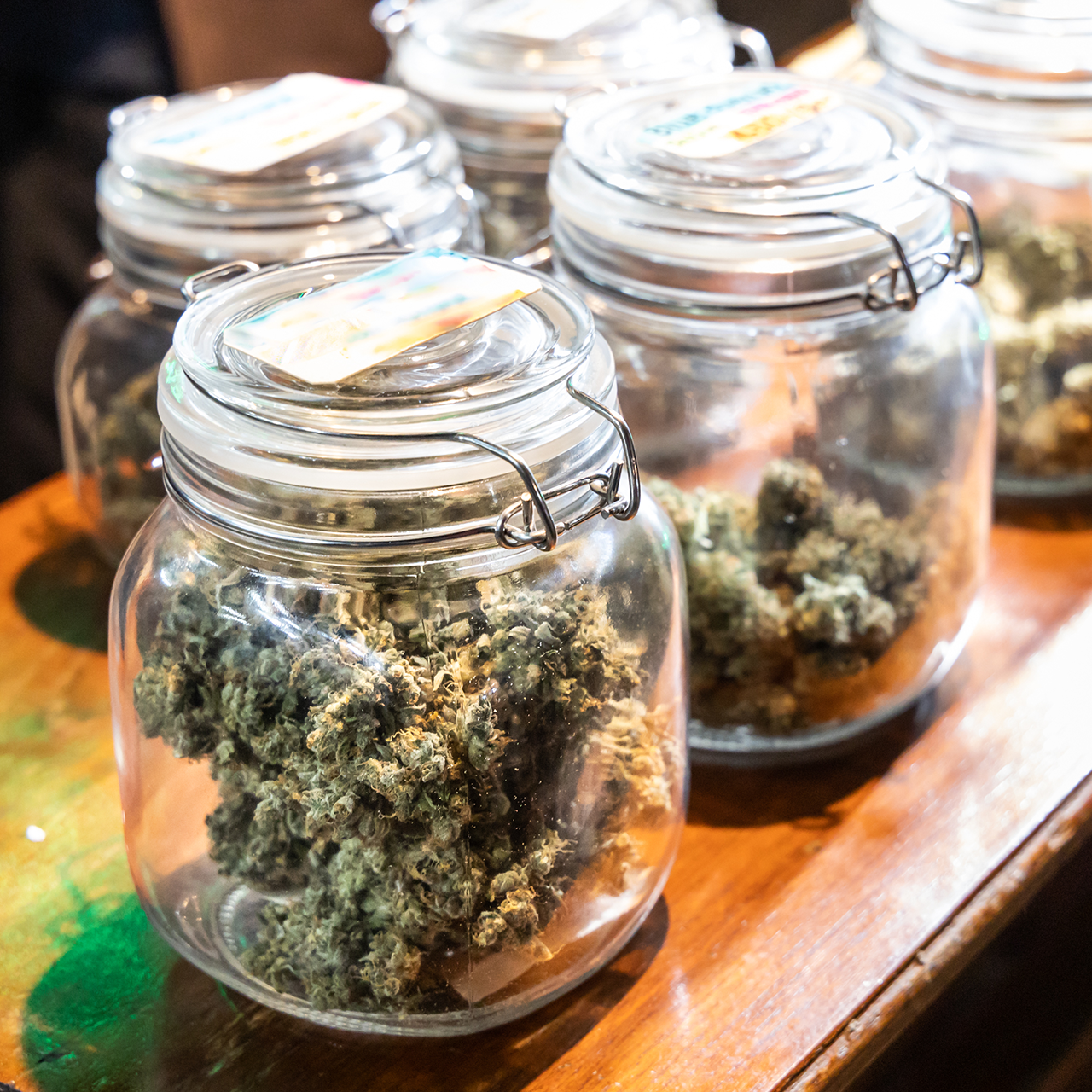
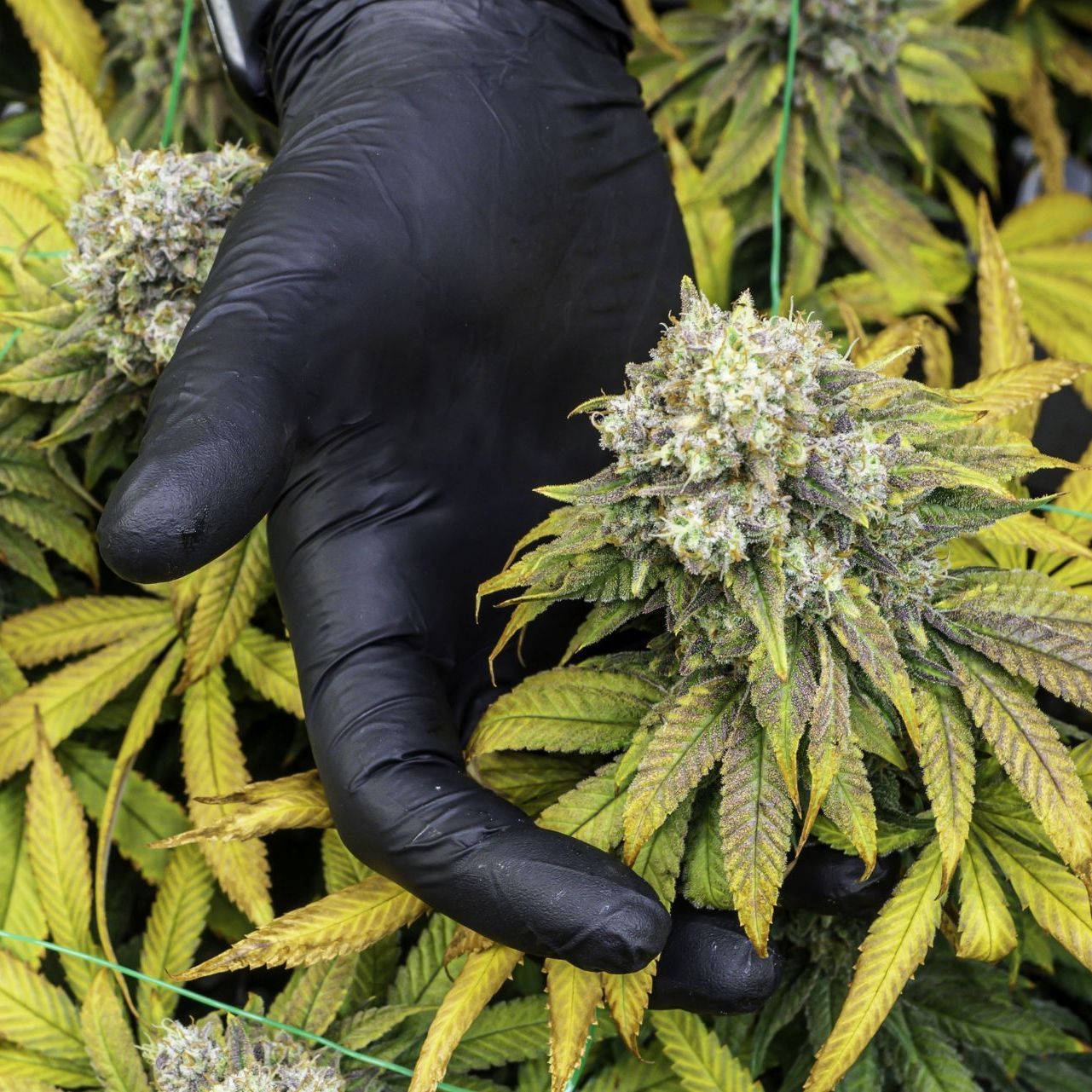
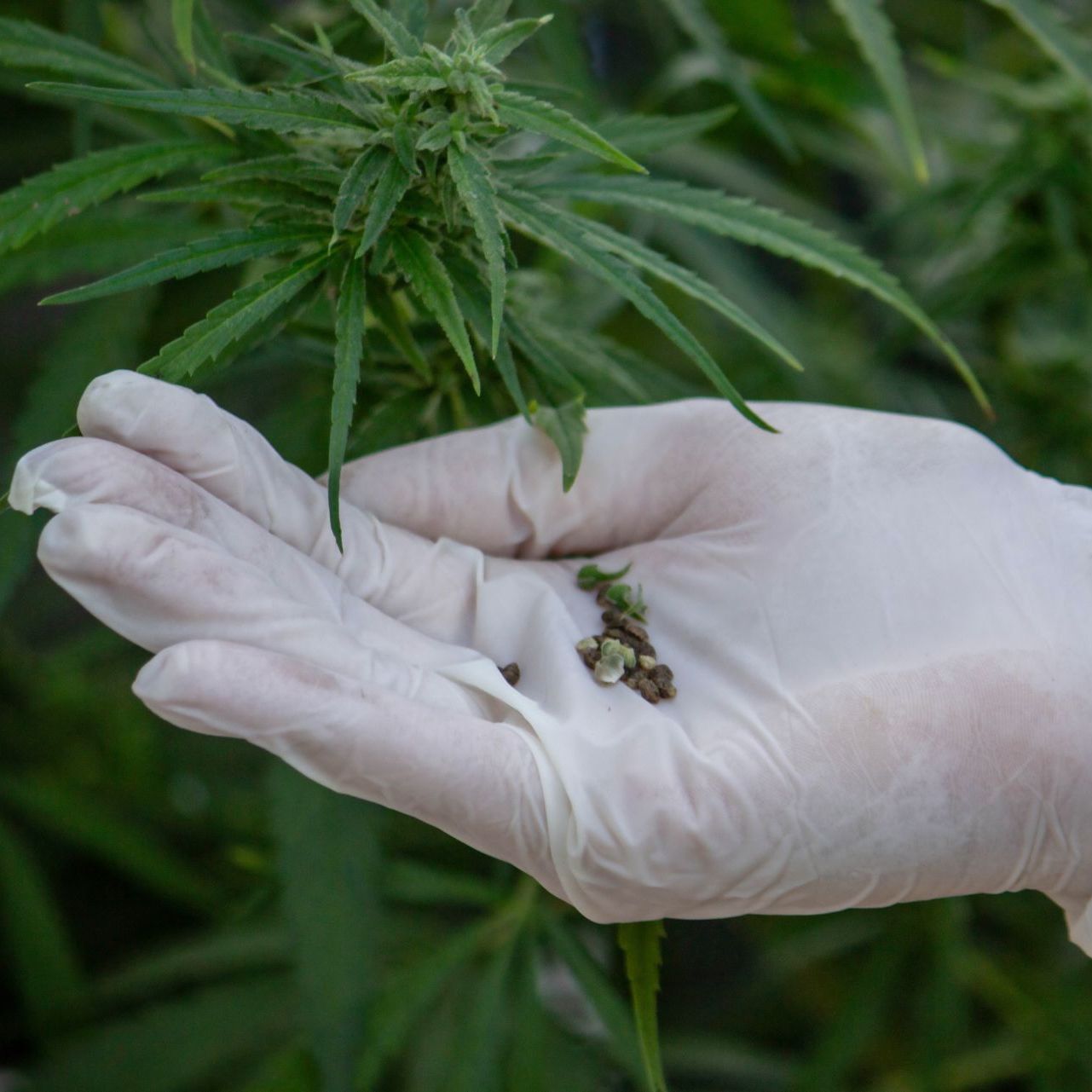
Serving the Cannabis Supply Chain
We cover licensed operators at every stage.
OUR BLOGS
Resources for Cannabis Business Owners
Stay informed and protected with our latest posts.
COMMON QUESTIONS
Cannabis Insurance Made Clear
Answers to the questions we hear most from cannabis business owners.
What types of insurance do you offer for cannabis businesses?
We offer commercial property, general liability, product liability, crop insurance, workers’ compensation, and cyber liability tailored to cannabis operations. These policies address the most common risks, such as crop loss, product claims, and facility damage.
Our agents will help you match the right coverage to your business type and scale, whether you're a dispensary, grower, processor, or distributor.
Why is specialized cannabis insurance necessary?
Standard business policies often exclude cannabis-related activities, which leaves significant exposure gaps. Cannabis-specific insurance covers unique industry risks like product recalls, crop theft, and regulatory compliance.
Having the right policy also satisfies licensing, leasing, and vendor requirements, allowing your business to operate legally and securely.
How does your agency ensure compliance with state regulations?
Many states require proof of specific insurance types before issuing or renewing cannabis licenses. We stay up-to-date on regulatory changes and ensure your policies meet state and local mandates.
That means you avoid surprises during audits or inspections and maintain good standing with licensing authorities.
How fast can I get a quote and bind coverage?
Request a quote and you’ll typically receive a custom proposal within 24 hours. Once you review and accept it, coverage can often be bound the same day, so your business isn’t left exposed.
We streamline documentation and communication to make setup fast and clear—no confusing forms or delays.
Do you support multi-state cannabis businesses?
Yes. We are licensed to operate in 36 states, including major cannabis markets. Whether you’re operating in one state or across several, we can design policies that address your regulatory and risk needs.
As you expand, our team adjusts your coverage accordingly—keeping your protection consistent across state lines.
What should I consider when selecting cannabis insurance?
Begin by identifying your key exposures—crop value, product inventory, employee safety, or cyber data. From there, choose coverage that aligns with these risks instead of opting for a basic or low-cost solution.
Also, look for a provider with cannabis expertise and responsive claims support—this experience helps during actual loss events.
Contact Us
Phone
Address