Vermont's medical cannabis industry operates under a unique regulatory framework that creates distinct insurance challenges. Unlike recreational markets in neighboring states, medical dispensaries here must balance patient care responsibilities with retail operations, product safety, and strict compliance requirements. If you're running or planning to open a medical dispensary in Vermont, understanding your insurance coverage options isn't optional - it's essential for survival. This Vermont medical dispensary insurance coverage overview will help you identify the policies you need, the risks specific to your operation, and the factors that affect what you'll pay for protection.
The state's cannabis market has matured significantly since medical marijuana became legal, but insurance remains complicated. Most traditional carriers still won't touch cannabis businesses due to federal classification issues. That leaves you working with specialty insurers who understand the industry but often charge premium rates. Knowing what coverage you actually need versus what's being sold to you can save thousands annually while ensuring you're properly protected when claims arise.
The Evolving Landscape of Vermont's Cannabis Regulations
Vermont's regulatory environment for cannabis continues to shift, and your insurance needs must adapt accordingly. The state has moved from a limited medical-only model to one that includes adult-use sales, creating new compliance layers for existing medical dispensaries.
Vermont Cannabis Control Board (CCB) Compliance
The Cannabis Control Board oversees all licensed cannabis operations in Vermont, including medical dispensaries. Your CCB license comes with specific insurance requirements that must be maintained throughout the license period. Failure to carry required coverage can result in license suspension or revocation.
The CCB mandates minimum liability coverage amounts, though these represent floors rather than adequate protection levels. Most experienced operators carry coverage well above minimums. Your license application and renewal process will require proof of insurance, and the CCB may audit your coverage at any time. Working with an insurance provider familiar with CCB requirements helps ensure you don't face compliance gaps that could jeopardize your operation.
State-Specific Liability Requirements for Retailers
Vermont imposes particular liability standards on medical dispensaries that differ from standard retail operations. As a medical provider, you're held to higher duty-of-care standards than recreational retailers. This means your liability exposure extends beyond typical slip-and-fall scenarios to include product recommendations, dosage guidance, and patient interactions.
The state requires dispensaries to maintain records of patient consultations and product sales that may become evidence in liability claims. Your insurance policy should account for these documentation requirements and the extended statute of limitations that applies to medical products.
TruePath Insurance is fully licensed and authorized to provide comprehensive insurance solutions across multiple states.
We proudly serve individuals and businesses nationwide, offering access to trusted regional and national carriers. Our goal is to help clients find reliable, affordable coverage that aligns with their goals—whether for personal protection, business stability, or long-term financial security.
Essential Coverage Types for Vermont Dispensaries
Building a comprehensive insurance program requires understanding which coverages address your specific risks. Not every policy marketed to cannabis businesses fits Vermont's medical dispensary model.
General and Product Liability Insurance
General liability protects against third-party bodily injury and property damage claims occurring at your premises. A patient who slips on ice outside your dispensary or trips over a display case falls under this coverage. Product liability addresses claims arising from the cannabis products you sell, including contamination, mislabeling, or adverse reactions.
| Coverage Type | What It Covers | Typical Limits | Key Exclusions |
|---|---|---|---|
| General Liability | Premises injuries, property damage, advertising injury | $1M per occurrence, $2M aggregate | Intentional acts, employee injuries |
| Product Liability | Defective products, contamination, adverse reactions | $1M-$5M per occurrence | Known defects, regulatory violations |
| Combined GL/PL | Both coverages in single policy | $2M-$5M aggregate | Varies by carrier |
For medical dispensaries, product liability claims often involve allegations that staff provided improper guidance about product use or failed to warn about interactions with medications.
Commercial Property and Crop Coverage
Your physical assets need protection from fire, theft, vandalism, and natural disasters. Standard commercial property policies cover your building, equipment, fixtures, and inventory. Cannabis-specific policies add coverage for growing operations and harvested product.
Crop coverage protects plants at various growth stages, though valuation methods vary between insurers. Some carriers value plants at replacement cost while others use market value at time of loss. Understanding this distinction matters significantly when filing claims for destroyed inventory.
Workers' Compensation for Green-Industry Employees
Vermont law requires workers' compensation coverage for businesses with employees. Cannabis operations face particular challenges because cultivation and processing work involves repetitive motion injuries, chemical exposure, and equipment hazards.
Your workers' comp policy covers medical expenses and lost wages when employees are injured on the job. Premiums are calculated based on job classifications and your claims history. Dispensary staff typically fall into retail classifications, while cultivation workers carry higher rates due to increased injury risk.

Addressing Unique Medical Marijuana Risks
Medical dispensaries face liability exposures that recreational retailers don't encounter. Your staff interacts with patients seeking therapeutic benefits, creating professional liability concerns.
Professional Liability for Patient Consultations
When your budtenders recommend products for specific medical conditions, they're providing guidance that patients rely upon for health decisions. Professional liability insurance, sometimes called errors and omissions coverage, protects against claims that your recommendations caused harm or failed to provide promised benefits.
This coverage becomes critical when patients use cannabis products alongside prescription medications. If a patient experiences an adverse interaction after receiving guidance from your staff, professional liability coverage responds to the resulting claim. Training documentation and consultation protocols help defend these claims, but insurance provides financial protection when defense isn't enough.
Cyber Liability and HIPAA Compliance
Medical dispensaries collect and store protected health information subject to HIPAA regulations. A data breach exposing patient medical information triggers notification requirements, potential regulatory fines, and civil liability. Cyber liability insurance covers breach response costs, including forensic investigation, patient notification, credit monitoring services, and regulatory defense.
Vermont's data breach notification law adds state-level requirements beyond federal HIPAA obligations. Your cyber policy should specifically address healthcare data and the extended liability periods that apply to medical information breaches.
Operational Safeguards and Crime Insurance
Cannabis remains a cash-intensive business due to banking restrictions, creating crime exposures that exceed typical retail operations.
Cash-in-Transit and Employee Dishonesty
Moving cash from your dispensary to banking partners or armored car services creates robbery risk. Cash-in-transit coverage protects against theft during transport, whether you're using internal staff or contracted security services.
Employee dishonesty coverage addresses internal theft, which represents a significant loss source for cannabis retailers. The combination of valuable inventory and cash handling creates temptation, and even trusted employees sometimes succumb. Fidelity bonds or crime insurance policies cover losses from employee theft of cash, inventory, or other assets.
- Cash-in-transit policies typically require specific security protocols
- Employee dishonesty coverage may require background check documentation
- Third-party crime coverage protects against customer theft and robbery
- Social engineering fraud coverage addresses sophisticated scams targeting staff
Inventory Spoilage and Equipment Breakdown
Cannabis products have limited shelf life, and cultivation operations depend on climate control systems. Equipment breakdown coverage pays for repairs when HVAC systems, irrigation equipment, or processing machinery fails. Spoilage coverage compensates for inventory losses when equipment failures destroy product.
For medical dispensaries maintaining specific product formulations for patient needs, spoilage losses can be particularly damaging. Patients relying on consistent products may seek alternatives if you can't maintain supply.

Your insurance costs depend on multiple variables, some within your control and others determined by market conditions.
Security measures significantly impact premiums. Dispensaries with comprehensive alarm systems, video surveillance, secure storage, and controlled access points pay less than those with minimal security. Insurers may require specific security standards as coverage conditions.
Claims history affects renewal pricing and coverage availability. A dispensary with multiple liability claims or significant property losses will face higher premiums or coverage restrictions. Loss control programs that reduce claim frequency demonstrate to insurers that you're managing risks proactively.
Location matters for both property and liability coverage. Urban dispensaries may face higher crime rates but better emergency response times. Rural locations might have lower theft risk but greater exposure to delayed fire response.
Your revenue and inventory values directly determine coverage limits and corresponding premiums. As your operation grows, insurance costs increase proportionally.
Obtaining cannabis insurance requires more documentation than standard commercial coverage. Prepare for detailed questions about your operation, security, compliance history, and loss experience.
Underwriters want to see your CCB license, security plans, employee training programs, and standard operating procedures. They'll review your compliance record and ask about any regulatory violations or enforcement actions. Financial statements demonstrating business stability help secure better terms.
Work with insurance brokers who specialize in cannabis operations. They understand which carriers write Vermont medical dispensary coverage and can present your application effectively. Generalist brokers often struggle to place cannabis risks and may not understand the coverage nuances specific to medical operations.
Frequently Asked Questions
How much does dispensary insurance typically cost in Vermont? Annual premiums range from $15,000 to $50,000 depending on revenue, inventory values, location, and coverage limits. Medical dispensaries often pay more than recreational retailers due to professional liability needs.
Can I get insurance if I've had previous claims? Yes, though your options may be limited and premiums higher. Providing documentation showing how you've addressed the issues that led to claims helps demonstrate improved risk management.
Does my landlord's insurance cover my dispensary? No. Commercial landlord policies specifically exclude tenant business operations. You need your own general liability and property coverage for your business assets and operations.
What happens if my insurance lapses? The CCB requires continuous coverage. A lapse can trigger license suspension, and you'll face coverage gaps if claims arise during the uninsured period. Set up automatic payments and renewal reminders to prevent lapses.
Are my delivery operations covered under standard policies? Not automatically. Delivery services require specific endorsements or separate commercial auto coverage. Discuss your delivery model with your broker to ensure proper coverage.
Building proper insurance protection for your Vermont medical dispensary requires balancing adequate coverage against budget constraints. Start by identifying your specific risks based on your operation's scope, then work with a cannabis-specialized broker to build a program addressing those exposures. Review your coverage annually as regulations evolve and your business grows. The right insurance program protects your investment, your patients, and your ability to continue serving Vermont's medical cannabis community.
About The Author: Deb Sculli
I’m Deb, a Cannabis Insurance Specialist focused on helping dispensaries, cultivators, and cannabis-related businesses find the right protection. With a strong understanding of the industry’s regulations and risks, I work hard to simplify the insurance process—so my clients stay compliant and confidently safeguard their operations and investments.
Contact Us
WHO WE HELP
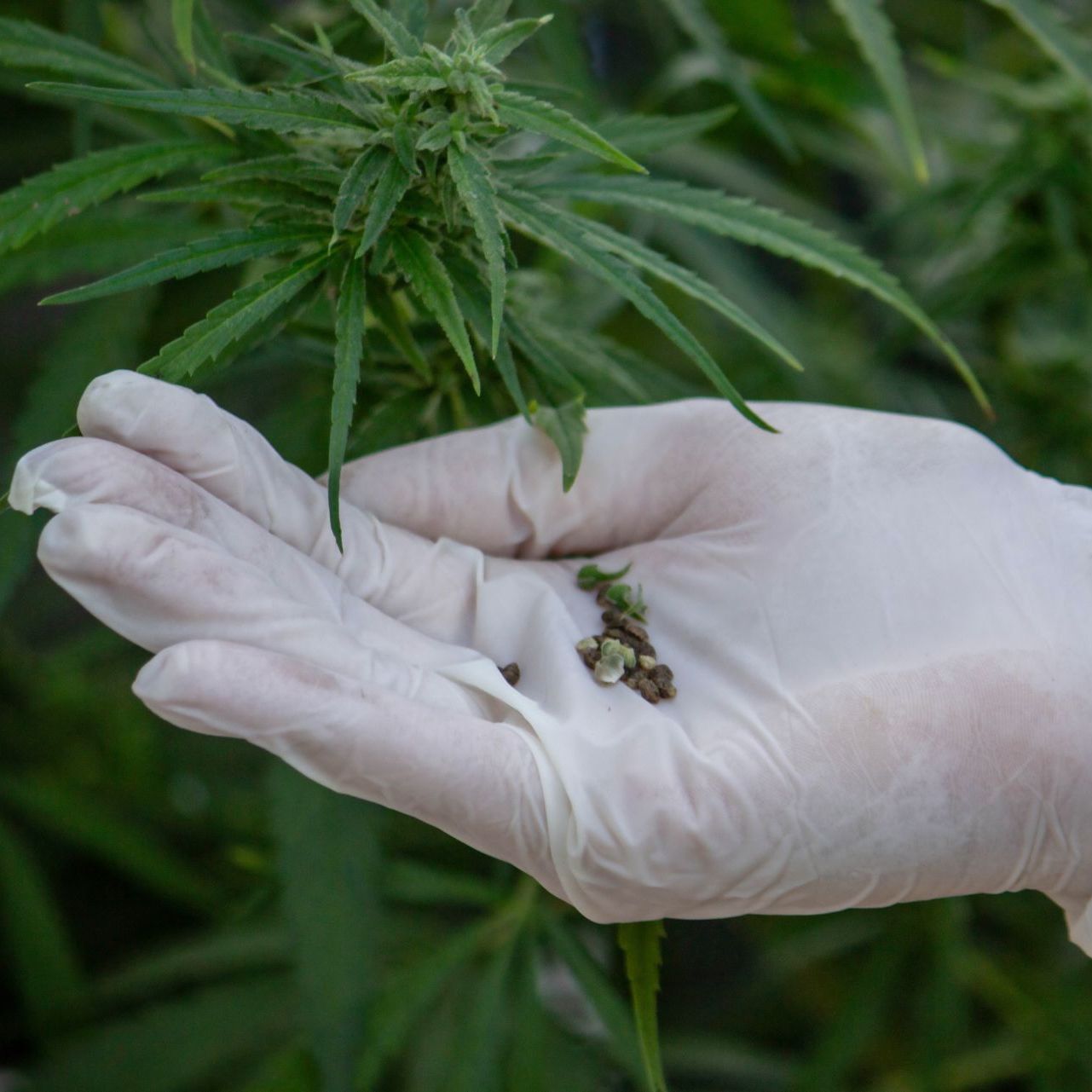
Serving the Cannabis Supply Chain
We cover licensed operators at every stage.
OUR BLOGS
Resources for Cannabis Business Owners
Stay informed and protected with our latest posts.
COMMON QUESTIONS
Cannabis Insurance Made Clear
Answers to the questions we hear most from cannabis business owners.
What types of insurance do you offer for cannabis businesses?
We offer commercial property, general liability, product liability, crop insurance, workers’ compensation, and cyber liability tailored to cannabis operations. These policies address the most common risks, such as crop loss, product claims, and facility damage.
Our agents will help you match the right coverage to your business type and scale, whether you're a dispensary, grower, processor, or distributor.
Why is specialized cannabis insurance necessary?
Standard business policies often exclude cannabis-related activities, which leaves significant exposure gaps. Cannabis-specific insurance covers unique industry risks like product recalls, crop theft, and regulatory compliance.
Having the right policy also satisfies licensing, leasing, and vendor requirements, allowing your business to operate legally and securely.
How does your agency ensure compliance with state regulations?
Many states require proof of specific insurance types before issuing or renewing cannabis licenses. We stay up-to-date on regulatory changes and ensure your policies meet state and local mandates.
That means you avoid surprises during audits or inspections and maintain good standing with licensing authorities.
How fast can I get a quote and bind coverage?
Request a quote and you’ll typically receive a custom proposal within 24 hours. Once you review and accept it, coverage can often be bound the same day, so your business isn’t left exposed.
We streamline documentation and communication to make setup fast and clear—no confusing forms or delays.
Do you support multi-state cannabis businesses?
Yes. We are licensed to operate in 36 states, including major cannabis markets. Whether you’re operating in one state or across several, we can design policies that address your regulatory and risk needs.
As you expand, our team adjusts your coverage accordingly—keeping your protection consistent across state lines.
What should I consider when selecting cannabis insurance?
Begin by identifying your key exposures—crop value, product inventory, employee safety, or cyber data. From there, choose coverage that aligns with these risks instead of opting for a basic or low-cost solution.
Also, look for a provider with cannabis expertise and responsive claims support—this experience helps during actual loss events.
Contact Us
Phone
Address