The moment a driver pulls away from a Georgia dispensary or pharmacy with a vehicle full of products, that business is carrying more than inventory. It is carrying regulatory risk, cash exposure, product liability, and a long list of what if scenarios that can sink a balance sheet. That risk has grown as Georgia's medical cannabis program has expanded to more than 25,000 registered patients as of November 2024, according to GeorgiaStateCannabis.org. Every new patient who qualifies for medical cannabis increases the demand for safe, reliable, and insured delivery.
Many operators focus heavily on licensing and compliance, then treat insurance as a box to check at the end. That approach often leaves dangerous gaps, especially for delivery operations that use a mix of owned vehicles, employee cars, cash handling, and sensitive patient information. When a collision, theft, or regulatory complaint hits, the policy language suddenly matters more than almost anything else.
This guide breaks down how coverage for cannabis delivery in Georgia typically works, what drives cost, and how evolving laws and market conditions affect the policies available. It is written for dispensary owners, licensed producers, independent delivery services, and pharmacies that either deliver or are thinking about it. It is not legal advice, financial advice, or an insurance policy, but it should help frame the right questions before signing any contract.
How Georgia's Cannabis Landscape Shapes Delivery Risks
Georgia's medical cannabis market grew slowly at first, then started to accelerate as patients, physicians, and pharmacies became more comfortable with the system. The expansion of registered patients, highlighted by the more than 25,000 active patients reported in late 2024, signals stronger demand for home delivery and pharmacy-based dispensing, which in turn increases miles driven, cargo on the road, and overall exposure for licensees, according to GeorgiaStateCannabis.org. With more deliveries come higher odds of collisions, thefts, and compliance disputes.
The presence of independent pharmacies in the distribution chain adds another layer. Pharmacies already operate under strict health care rules, handle controlled substances, and manage confidential patient information. Industry leaders have pointed out that their reputation for reliability can set a high bar. Gary Long, CEO of Botanical Sciences, described independent pharmacies dispensing medical cannabis as offering a level of trust and professionalism that he believes is unmatched outside a physician relationship, in comments reported by Cannabis Business Times. When that kind of brand trust is on the line, a poorly structured insurance program can do real damage if something goes wrong and coverage does not respond as expected.
On top of that, Georgia's laws keep the market strictly medical, with tight control over who can produce, distribute, and sell low THC oil and related products. Delivery operations are usually woven into that regulated framework, which means insurers often underwrite not just vehicle and cargo risk, but operational discipline, recordkeeping, and compliance culture. A delivery program that looks sloppy to an underwriter tends to face higher premiums, lower limits, or narrower terms, even when claims history looks clean.
TruePath Insurance is fully licensed and authorized to provide comprehensive insurance solutions across multiple states.
We proudly serve individuals and businesses nationwide, offering access to trusted regional and national carriers. Our goal is to help clients find reliable, affordable coverage that aligns with their goals—whether for personal protection, business stability, or long-term financial security.
What Cannabis Delivery Coverage Typically Includes In Georgia
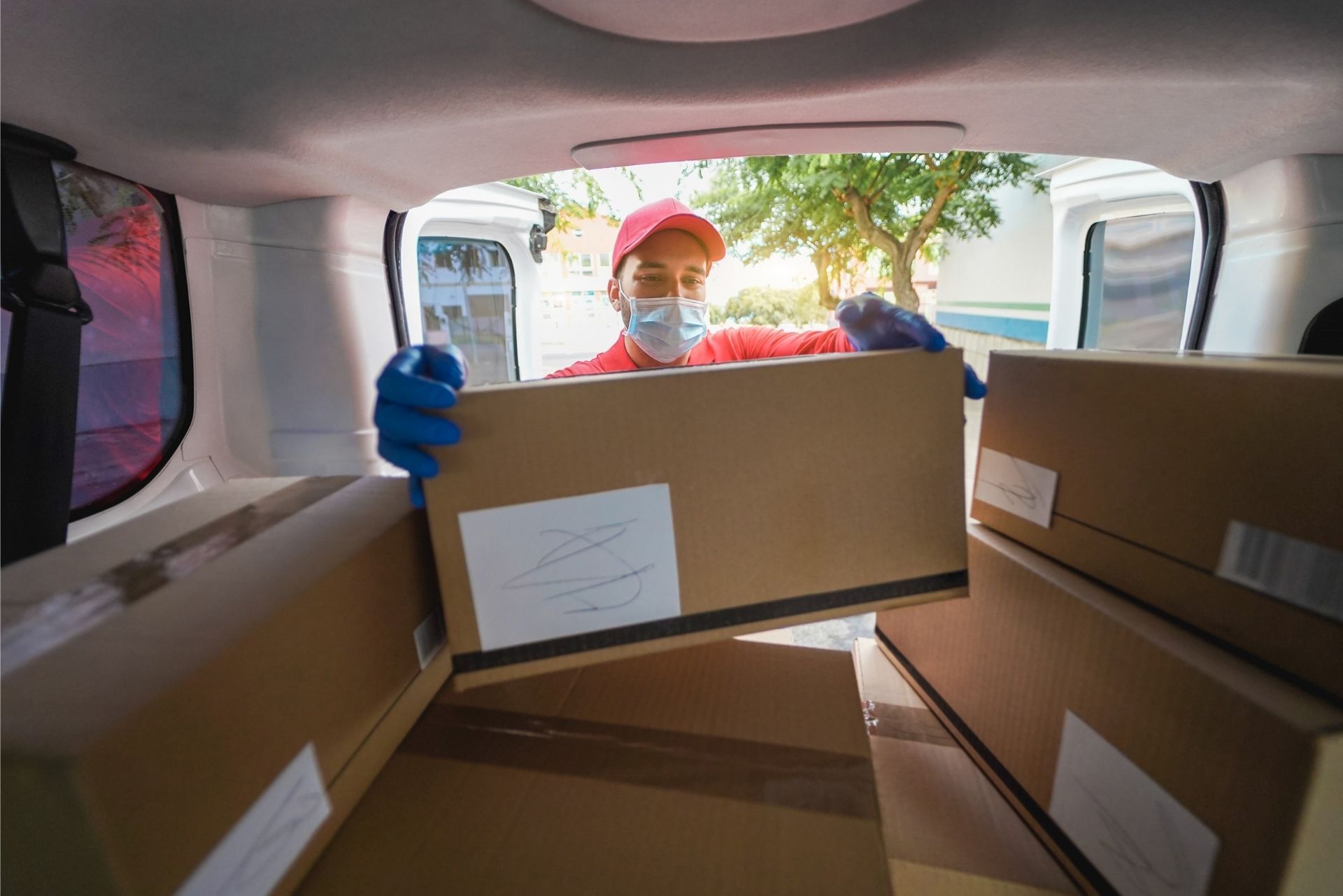
Coverage for cannabis delivery in Georgia is usually built from several policy pieces rather than one catch all product. A dispensary or pharmacy that runs its own delivery fleet might need commercial auto, cargo or inland marine, general liability, product liability, workers compensation, cyber, crime, and property insurance, depending on how the operation is set up. An independent courier working under contract for multiple licensees may need a different mix, especially if drivers use their own vehicles, handle cash, or store products between runs.
The most visible layer is commercial auto insurance. This responds when a delivery vehicle is involved in an accident that causes injuries or property damage to others, and, depending on the policy, can also cover physical damage to the vehicle itself. For cannabis operations, it is vital that the policy explicitly contemplates cannabis cargo, since some standard auto policies either exclude it or limit coverage through ambiguous wording that becomes a problem only after a loss.
Beneath auto coverage sits cargo or inland marine insurance, which protects the value of the cannabis products and accessories while in transit. This is what responds when a vehicle is stolen, a cooler fails and spoils temperature sensitive products, or inventory is lost during a carjacking. Because cannabis retains a high black market value, insurers pay close attention to security protocols, routing, vehicle storage, and whether drivers ever leave cars unattended with product inside. These details affect both price and how claims will play out.
| Coverage Type | Main Role | Why It Matters For Delivery |
|---|---|---|
| Commercial Auto | Addresses liability from vehicle accidents and, when added, damage to the delivery vehicles. | Protects the business when a driver injures someone or damages property while on a delivery route. |
| Cargo or Inland Marine | Protects products and related goods while being transported. | Responds to theft, collisions that destroy cargo, and some spoilage events. |
| General Liability | Covers third party bodily injury and property damage away from vehicles. | Addresses slip and fall incidents at delivery locations and certain non vehicle claims. |
| Product Liability | Handles claims alleging that a product caused harm or failed to perform safely. | Critical when a consumer alleges illness or adverse reaction linked to a delivered product. |
| Workers Compensation | Provides benefits for employees injured in the course of employment. | Applies when drivers or warehouse staff are hurt on the job, on or off the road. |
| Cyber and Data Liability | Covers some costs from data breaches and cyber incidents. | Important when patient information, addresses, or medical conditions are accessed or exposed. |
Beyond those core coverages, many Georgia operators choose
crime insurance to address theft by employees and outsiders, especially when cash payments still play a role. Employment practices liability and directors and officers coverage become more relevant as companies scale, take on investors, or operate across multiple licensed entities. The right mix depends on how the delivery program is structured, how cash and product flows are handled, and whether third party logistics firms are involved.
Key Cost Drivers For Cannabis Delivery Coverage In Georgia
Premiums for cannabis delivery insurance in Georgia vary widely, and the difference often comes down to how the business looks through an underwriter's eyes. Vehicle profile is one factor. A fleet of newer, well maintained vehicles with telematics and documented driver training usually prices more favorably than older or personally owned cars with minimal oversight. Underwriters look closely at radius of operation, frequency of deliveries, and whether vehicles are garaged overnight in secure facilities.
Loss history also plays a major role. Even a few paid claims can change the narrative from cautious and well run to risky, especially in a niche sector like cannabis where insurers already perceive elevated legal and reputational exposure. An industry sound off report from 2023, cited by Cannabis Business Times, noted that 34% of participants saw revenue decreases that year, signaling a tougher financial environment for many operators and making claim spikes even more painful. When margins are under pressure, every uninsured or underinsured loss stings more, which is why many carriers scrutinize financial resilience and risk management maturity before extending favorable terms.
Regulatory compliance drives cost as well. Underwriters care about how strictly the business follows Georgia rules on tracking, patient verification, and transfer of low THC oil, because those systems reduce the odds of diversion, civil penalties, and criminal accusations that could drag an insurer into litigation. Written policies on routing, vehicle security, and incident reporting help carriers feel more comfortable pricing coverage. A delivery operation that treats protocol as optional typically pays more, or struggles to get the limits it needs.
Practical Scenarios That Show Why Delivery Coverage Matters
The real test of a delivery insurance program does not come when the policy is purchased, it comes on the worst day of the year. Imagine a driver rear ends another car while rushing to finish a route. The other driver alleges neck and back injuries, both vehicles are damaged, and some of the cannabis cargo is destroyed. Commercial auto coverage may address bodily injury and property damage claims from the other driver, while cargo coverage helps recoup the lost product value. If the policy excludes cannabis entirely, or caps cargo values well below what is typically being carried, the business is suddenly writing large checks out of pocket.
In a different situation, a delivery vehicle is stolen from a parking lot while the driver runs inside a building for a quick drop. The thief takes the car, the cannabis, and a bag with cash payments. If the policy requires that vehicles remain attended whenever products are inside, the claim can be partially or fully denied. Crime coverage may step in for some of the cash loss, but only if the circumstances match what the policy anticipates. Without clear training and procedures, even a strong insurance package can fail to pay when someone takes a shortcut.
Then there are regulatory fallout scenarios. Suppose an incorrectly labeled package is delivered to the wrong address. The recipient posts about it online, regulators open an investigation, and local media covers the story. General liability or professional liability coverage may help with certain third party claims, but brand damage and lost contracts can outweigh the direct legal costs. Insurers and regulators alike will look at whether the company followed its own protocols or cut corners that made a foreseeable mistake more likely.

How Georgia Laws And Public Health Concerns Affect Delivery Coverage
Georgia's approach to cannabis and THC products remains conservative compared to many other states, and that conservative stance influences underwriting decisions. Lawmakers have shown a willingness to restrict novel THC formats when they see a risk to public safety. In March 2025, for example, state legislators proposed a ban on delta THC beverages, citing concerns about public intoxication and accidental consumption, as reported by Axios. When lawmakers take steps like that, insurers notice, because it signals potential for rapid changes in what products are allowed, how they may be transported, and how aggressively regulators may pursue alleged violations.
Public health data also shapes perceptions of risk. A national survey from 2024, cited by the Georgia State Medical Association, found that 11.4% of students in the final year of high school reported using Delta 8 THC during the preceding year, according to the association's issue letter. Even though Georgia's medical program does not authorize recreational use, that kind of statistic raises concerns among legislators, parents, and community groups about youth access to THC products. Underwriters know that if a delivery program is drawn into a diversion or youth access controversy, the claim may not just be about money, it may also carry political and reputational fallout.
For Georgia cannabis businesses, this environment means that delivery coverage has to anticipate regulatory investigations, product seizures, and license actions, not just ordinary accidents. While insurance rarely pays fines or penalties directly, some policies can help cover defense costs when regulators or plaintiffs allege negligence tied to deliveries. Policy language on regulatory investigations, notice requirements, and cooperation with authorities deserves close attention, ideally with the help of legal counsel familiar with both cannabis and insurance law.
Buying And Managing Cannabis Delivery Coverage In Georgia
Selecting the right delivery coverage starts with mapping the entire logistics chain, from product leaving a grow or processing facility, to arrival at a dispensary or pharmacy, to final delivery at a patient address. Any handoff, vehicle, or storage location along the way is a potential exposure that either needs to be retained or insured. Businesses that take the time to diagram these flows often discover blind spots such as temporary storage in personal vehicles, unsupervised handoffs, or informal subcontracted drivers who are not covered by existing policies.
Working with a broker or agent who understands both Georgia cannabis regulations and commercial insurance markets can make a significant difference. Cannabis delivery is still a specialized niche, and not every insurance professional is familiar with the interplay between seed to sale tracking rules, HIPAA considerations around patient data, and the exclusions that many standard insurers apply to cannabis and THC. A knowledgeable broker can help identify carriers that truly understand the space, negotiate endorsements that clarify coverage for cannabis cargo, and push back when a policy includes vague or overly broad exclusions.
Once coverage is in place, ongoing management is just as important as the initial purchase. That includes keeping driver rosters updated with the carrier, reporting changes in routes or vehicle types, and reviewing incidents that did not result in claims to see whether procedures need to be tightened. Formal driver training, ride along assessments, and periodic audits of delivery records all serve two purposes. They reduce actual risk, and they provide documentation that can help in both underwriting and claims handling if a serious loss occurs.
Frequently Asked Questions About Georgia Cannabis Delivery Coverage
Many Georgia operators ask similar questions when they start or expand a delivery program. Addressing those questions in advance can save time and reduce surprises at renewal or after a loss. The following answers are general and cannot replace advice tailored to a specific operation, but they offer a useful starting point for discussions with licensed insurance professionals and legal counsel.
Because cannabis remains illegal at the federal level and tightly controlled at the state level, policy language changes frequently as carriers refine their appetite and exclusions. That means answers that were accurate several years ago may not hold today. Any business planning to rely on insurance for protection should verify the exact terms and conditions of the policies it is considering, and should not assume that coverage will automatically respond just because a loss feels connected to delivery activities.
Do personal auto policies cover drivers delivering cannabis in Georgia?
In most situations, personal auto policies do not reliably cover commercial cannabis deliveries, even when the driver owns the vehicle. Many policies exclude business use, deliveries, or illegal substances as defined by federal law. A Georgia cannabis business that relies on personal auto coverage risks having both the driver and company exposed if a serious accident occurs. Commercial auto coverage that is written with cannabis in mind is usually necessary.
Is cargo coverage always separate from commercial auto insurance?
Sometimes cargo coverage is built into a commercial auto policy, and other times it is written as a separate inland marine policy. What matters is not the label, but whether the coverage clearly extends to cannabis products being transported, and whether the limits and conditions match real world exposures. Businesses should confirm details like maximum product value per load, requirements for vehicle security, and any exclusions that could apply to cannabis or THC.
How does Georgia's regulatory environment affect insurance pricing?
Insurers watch Georgia's legislative and regulatory moves closely, including proposals around THC beverages and concerns about youth access to THC products. When lawmakers and public health bodies signal heightened concern, carriers may anticipate more investigations, lawsuits, or sudden rule changes, which can translate to tighter underwriting and higher premiums. Strong compliance programs and clean records can help offset some of that perceived risk in the eyes of underwriters.
Can insurance cover legal costs if regulators investigate a delivery issue?
Certain liability policies offer limited coverage for defense costs tied to regulatory investigations, but the details vary widely. Some policies only respond when a civil lawsuit is filed, while others may contribute to attorney fees related to administrative proceedings. Businesses should review definitions of claim, loss, and regulatory proceeding carefully, ideally with counsel, to understand when and how coverage might respond to actions by Georgia regulators.
What information should a business prepare before shopping for delivery coverage?
Underwriters typically want to see details on delivery routes, number of drivers, vehicle types, security measures, training programs, and any prior claims or incidents. Clear procedures for cash handling, product storage, and patient verification are also important, especially in a controlled medical market. Having these materials ready not only speeds up the quoting process, it also gives the business a chance to strengthen weak spots before an insurer points them out.
Are independent delivery services covered by a dispensary's insurance?
Sometimes a dispensary's policy extends coverage to contracted delivery partners, but that should never be assumed. Many policies require that independent drivers carry their own coverage and name the dispensary as an additional insured. Any Georgia operator using third party couriers should confirm, in writing, who is responsible for which risks, and how those responsibilities are reflected in both contracts and insurance certificates.
Final Thoughts Before Expanding Cannabis Delivery In Georgia
Georgia's cannabis delivery landscape is becoming more complex as medical demand grows, pharmacies play a greater role, and lawmakers continue to scrutinize THC products and youth access. The professionalism that patients expect from pharmacists and licensed producers, highlighted by Gary Long's description of independent pharmacies as bringing a unique level of trust to medical cannabis dispensing in Cannabis Business Times, sets a high bar for delivery operations as well. Insurance on its own cannot create that trust, but it can protect it when something goes wrong.
For Georgia operators, the goal is not simply to buy a policy and move on. The goal is to build a delivery program where safety, compliance, and documentation are strong enough that insurers compete to write the coverage, and where a serious loss becomes a test that the business and its policies are ready to pass. Careful planning, specialist advice, and regular reviews go a long way toward turning insurance from a frustrating line item into a strategic asset.
Any business considering cannabis delivery in Georgia should periodically revisit its coverage as laws, products, and patient expectations evolve. What works for a small pilot program may be dangerously thin once routes, volumes, or partnerships expand. Treating insurance as a living part of the risk management plan, rather than a static purchase, helps keep protection aligned with reality on the road.
About The Author: Deb Sculli
I’m Deb, a Cannabis Insurance Specialist focused on helping dispensaries, cultivators, and cannabis-related businesses find the right protection. With a strong understanding of the industry’s regulations and risks, I work hard to simplify the insurance process—so my clients stay compliant and confidently safeguard their operations and investments.
Contact Us
WHO WE HELP
Serving the Cannabis Supply Chain
We cover licensed operators at every stage.

OUR BLOGS
Resources for Cannabis Business Owners
Stay informed and protected with our latest posts.


COMMON QUESTIONS
Cannabis Insurance Made Clear
Answers to the questions we hear most from cannabis business owners.
What types of insurance do you offer for cannabis businesses?
We offer commercial property, general liability, product liability, crop insurance, workers’ compensation, and cyber liability tailored to cannabis operations. These policies address the most common risks, such as crop loss, product claims, and facility damage.
Our agents will help you match the right coverage to your business type and scale, whether you're a dispensary, grower, processor, or distributor.
Why is specialized cannabis insurance necessary?
Standard business policies often exclude cannabis-related activities, which leaves significant exposure gaps. Cannabis-specific insurance covers unique industry risks like product recalls, crop theft, and regulatory compliance.
Having the right policy also satisfies licensing, leasing, and vendor requirements, allowing your business to operate legally and securely.
How does your agency ensure compliance with state regulations?
Many states require proof of specific insurance types before issuing or renewing cannabis licenses. We stay up-to-date on regulatory changes and ensure your policies meet state and local mandates.
That means you avoid surprises during audits or inspections and maintain good standing with licensing authorities.
How fast can I get a quote and bind coverage?
Request a quote and you’ll typically receive a custom proposal within 24 hours. Once you review and accept it, coverage can often be bound the same day, so your business isn’t left exposed.
We streamline documentation and communication to make setup fast and clear—no confusing forms or delays.
Do you support multi-state cannabis businesses?
Yes. We are licensed to operate in 36 states, including major cannabis markets. Whether you’re operating in one state or across several, we can design policies that address your regulatory and risk needs.
As you expand, our team adjusts your coverage accordingly—keeping your protection consistent across state lines.
What should I consider when selecting cannabis insurance?
Begin by identifying your key exposures—crop value, product inventory, employee safety, or cyber data. From there, choose coverage that aligns with these risks instead of opting for a basic or low-cost solution.
Also, look for a provider with cannabis expertise and responsive claims support—this experience helps during actual loss events.
Contact Us
Phone
Address