Alabama Hydroponic Farm Business Insurance
See How We're Different
or call us: (215) 653-8411
Hydroponic farming in Alabama presents unique insurance challenges that traditional agricultural policies weren't designed to address. Your controlled-environment operation faces risks from equipment failures, power outages, and contamination events that can devastate an entire crop within hours. Understanding the specific coverage requirements for Alabama hydroponic farm business insurance helps protect your investment while keeping premium costs manageable.
Alabama's agricultural insurance landscape has expanded significantly, with crop insurance protecting 1.6 million acres and providing $873 million in liability protection in 2024 alone. However, hydroponic operations require specialized endorsements beyond standard crop coverage. Your greenhouse structures, nutrient delivery systems, and climate control equipment represent substantial capital investments that need proper protection. The state's humidity, severe weather patterns, and occasional flooding create regional risks that directly influence your policy pricing.
Whether you're running a small vertical farm supplying local restaurants or operating a large-scale facility distributing produce across the Southeast, your insurance needs will differ substantially. This guide breaks down the essential coverages, cost factors, and strategies specific to Alabama's hydroponic farming sector. You'll find practical information about policy structures, realistic pricing expectations, and proven methods for reducing your annual premiums without sacrificing necessary protection.
Core Insurance Requirements for Alabama Hydroponic Operations
Crop Insurance and Revenue Protection
Every hydroponic operation in Alabama needs a foundation of core coverages before adding specialized endorsements. These policies protect against the most common liability exposures and property losses that greenhouse growers face daily.
General Liability for Customer and Third-Party Risks
General liability insurance shields your operation from claims when visitors, delivery drivers, or customers suffer injuries on your property. If a wholesale buyer slips on a wet greenhouse floor or a tour participant is injured by equipment, this coverage pays for medical expenses and legal defense costs. General liability for a hydroponics farm typically ranges from $400 to $1,500 annually for $1 million in coverage, though Alabama farms with retail components or agritourism activities may pay toward the higher end.
Your policy should include premises liability, completed operations coverage, and personal injury protection. Farms hosting educational tours, farm-to-table events, or direct consumer sales need higher limits than wholesale-only operations.
Commercial Property and Specialized Greenhouse Structures
Standard commercial property policies often undervalue greenhouse structures because adjusters may not understand their specialized construction. Your policy needs to account for polycarbonate panels, automated ventilation systems, and climate control infrastructure. Replacement cost coverage ensures you receive enough to rebuild with equivalent materials rather than depreciated values.
Document your facility's features thoroughly, including any structural improvements or custom modifications. Insurance companies assess greenhouse values differently than traditional farm buildings, so providing detailed specifications helps secure appropriate coverage limits.
Workers' Compensation Mandates in Alabama
Alabama requires workers' compensation insurance for businesses with five or more employees, including part-time and seasonal workers. Hydroponic farms often operate year-round with consistent staffing, making compliance essential. Even if you're below the threshold, voluntary coverage protects against devastating out-of-pocket expenses if an employee is injured.
Common workplace injuries in hydroponic facilities include repetitive strain from harvesting, chemical exposure from nutrient solutions, and falls from elevated growing platforms. Your premium rates depend on job classifications, payroll amounts, and your facility's safety record.
TruePath Insurance is fully licensed and authorized to provide comprehensive insurance solutions across multiple states.
We proudly serve individuals and businesses nationwide, offering access to trusted regional and national carriers. Our goal is to help clients find reliable, affordable coverage that aligns with their goals—whether for personal protection, business stability, or long-term financial security.
Specialized Hydroponic Endorsements and Protections
Standard farm policies leave significant gaps for controlled-environment agriculture. These specialized endorsements address the unique vulnerabilities of soilless growing systems.
Crop Loss and Spoilage Coverage
Traditional crop insurance focuses on weather damage to field crops, but hydroponic losses often stem from equipment failures, contamination, or power outages. Crop loss endorsements for greenhouse operations cover the value of plants at various growth stages, from seedlings to market-ready produce. Your policy should specify coverage triggers, including temperature excursions, nutrient system failures, and disease outbreaks.
Spoilage coverage extends protection to harvested produce awaiting shipment. If your refrigeration fails overnight and destroys a delivery scheduled for the next morning, this endorsement covers the loss. Alabama farmers collectively paid $35 million for crop insurance coverage in 2024, reflecting the agricultural sector's recognition of these risks.
Equipment Breakdown for Pumps and Nutrient Systems
Mechanical breakdown coverage protects your pumps, timers, climate controllers, and automated dosing systems. Standard property policies typically exclude equipment failure that isn't caused by an external event like fire or theft. A pump motor burning out or a controller malfunction won't trigger coverage without this endorsement.
Consider the replacement timeline for specialized equipment. If your nutrient dosing system fails and requires a two-week lead time for parts, the resulting crop damage could far exceed the equipment's value. Business interruption riders tied to equipment breakdown coverage help bridge these gaps.
Product Liability for Fresh Produce Sales
Product liability coverage protects against claims arising from contaminated or harmful produce. If a consumer becomes ill after eating your lettuce and attributes it to your farm, this coverage pays for legal defense and potential settlements. Farms selling directly to consumers, restaurants, or grocery retailers face higher exposure than those selling exclusively through distributors.
Your coverage limits should reflect your distribution scale. A farm supplying a single restaurant needs less protection than one shipping to multiple retail chains across several states.
Factors Influencing Insurance Costs in Alabama
Several variables determine your annual premium costs, and understanding them helps you make informed decisions about coverage levels and risk management investments.
Regional Climate Risks and Weather-Related Premiums
Alabama's position in the Southeast exposes hydroponic operations to hurricanes, severe thunderstorms, and occasional tornadoes. Insurers assess your facility's location, construction quality, and storm preparedness when calculating premiums. Coastal and southern Alabama farms typically pay higher rates than those in the northern regions.
Flooding presents another significant concern. Even elevated greenhouse structures can suffer damage from flash floods that compromise foundations or contaminate water supplies. Flood insurance through the National Flood Insurance Program or private carriers adds another layer of protection but increases your overall insurance budget.
Operational Scale and Annual Revenue Impact
Larger operations face higher premiums simply due to greater exposure, but they often benefit from economies of scale in per-unit costs. A farm generating $500,000 in annual revenue will pay more than a $100,000 operation, though the percentage of revenue devoted to insurance may be lower.
Your revenue mix also matters. Direct-to-consumer sales carry higher liability exposure than wholesale distribution, affecting your premium calculations.
A hydroponic farming startup's monthly insurance premium can reach around $1,500, though established operations with clean claims histories often secure better rates.
Estimated Pricing Tiers for Alabama Hydroponic Farms
| Coverage Type | Small Operation (Under $250K Revenue) | Mid-Size ($250K-$750K Revenue) | Large Scale (Over $750K Revenue) |
|---|---|---|---|
| General Liability | $400-$800/year | $800-$1,200/year | $1,200-$2,500/year |
| Commercial Property | $1,500-$3,000/year | $3,000-$7,500/year | $7,500-$15,000/year |
| Equipment Breakdown | $500-$1,000/year | $1,000-$2,500/year | $2,500-$5,000/year |
| Crop/Spoilage | $750-$1,500/year | $1,500-$4,000/year | $4,000-$10,000/year |
| Workers' Comp | Varies by payroll | Varies by payroll | Varies by payroll |
| Product Liability | $500-$1,000/year | $1,000-$3,000/year | $3,000-$7,500/year |
These estimates reflect typical Alabama market rates but vary based on claims history, specific location, and coverage limits selected.
Proactive risk management demonstrates to insurers that your operation takes loss prevention seriously, often resulting in meaningful premium reductions.
Implementing Redundant Power and Water Alarms
Backup generators and automated alert systems significantly reduce your risk profile. Insurers recognize that a farm with redundant power can maintain climate control during outages, preventing catastrophic crop losses. Water leak sensors and temperature alarms that notify you immediately allow rapid response before damage escalates.
Document these systems when applying for coverage or renewal. Photos, maintenance records, and system specifications help underwriters understand your risk mitigation investments. Some carriers offer specific discounts for farms with documented backup systems.
Food Safety Certifications and Compliance
Third-party food safety certifications like GAP (Good Agricultural Practices) or FSMA compliance demonstrate professional operations and reduce product liability exposure. Insurers view certified farms as lower risks because they follow documented procedures for contamination prevention.
The investment in certification often pays for itself through reduced premiums and expanded market access. Many retailers require certification anyway, making the insurance benefit an additional advantage.
Steps to Securing a Hydroponic Insurance Policy
Begin by documenting your operation thoroughly. Compile facility specifications, equipment lists with values, revenue projections, and employee counts. This information forms the basis for accurate quotes.
Work with agents or brokers experienced in agricultural and controlled-environment operations. General commercial insurance agents may not understand hydroponic-specific risks. Ask potential agents about their experience with greenhouse operations and request references from similar clients.
Obtain quotes from multiple carriers, comparing not just premiums but coverage terms, exclusions, and deductible structures. The cheapest policy isn't always the best value if it excludes critical coverages. As industry experts note, "this is really a case-by-case, farm-by-farm decision" when evaluating coverage options.
Review policies annually as your operation evolves. Expansions, new equipment, or changes in distribution channels may require coverage adjustments. A policy that fit your startup phase may leave gaps as you scale.
Frequently Asked Questions
Does standard farm insurance cover hydroponic operations? Traditional farm policies typically exclude or inadequately cover controlled-environment agriculture. You'll need specialized endorsements or policies designed for greenhouse and hydroponic operations.
What's the minimum coverage a small Alabama hydroponic farm needs? At minimum, carry general liability and commercial property coverage. If you have employees, workers' compensation becomes mandatory at five workers. Product liability is essential if you sell directly to consumers or retailers.
How do claims affect future premiums? Claims typically remain on your record for three to five years and can increase premiums by 10-30% depending on severity. Multiple claims may make coverage difficult to obtain at standard rates.
Can I bundle hydroponic farm coverages into one policy? Many carriers offer farm packages combining general liability, property, and equipment coverage. Bundling often reduces total premiums compared to purchasing separate policies.
Are my crops covered during transport to buyers? Standard property coverage ends at your facility. Inland marine or cargo coverage protects produce during transit to customers or distribution centers.
Securing proper insurance for your Alabama hydroponic operation requires balancing comprehensive protection against budget constraints. Start by assessing your specific risk exposures based on facility type, revenue sources, and distribution methods. Prioritize coverages that address your greatest vulnerabilities, then add supplemental endorsements as your operation grows and budget allows. Working with knowledgeable agents who understand controlled-environment agriculture ensures you're neither over-insured nor dangerously exposed.
WHO WE HELP
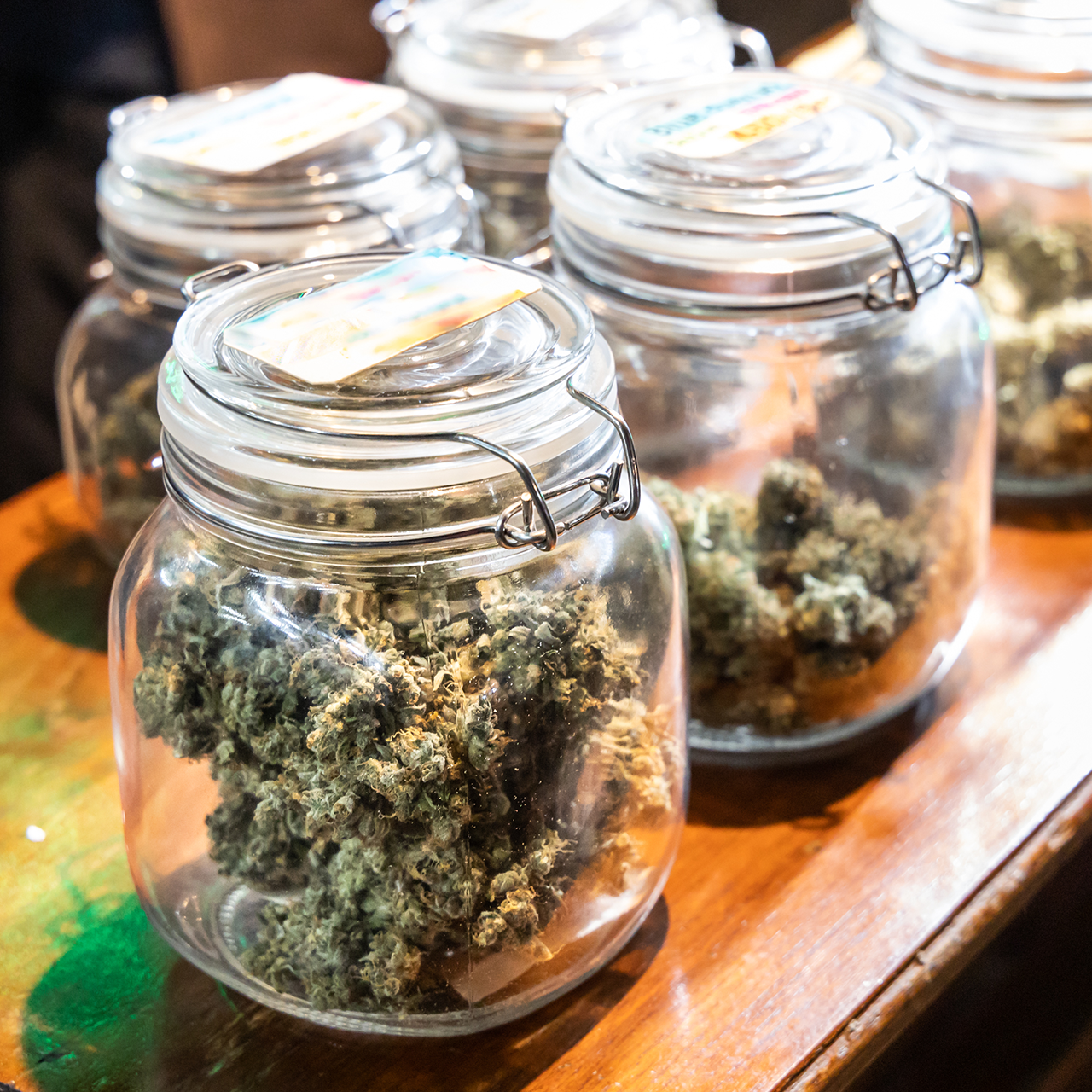
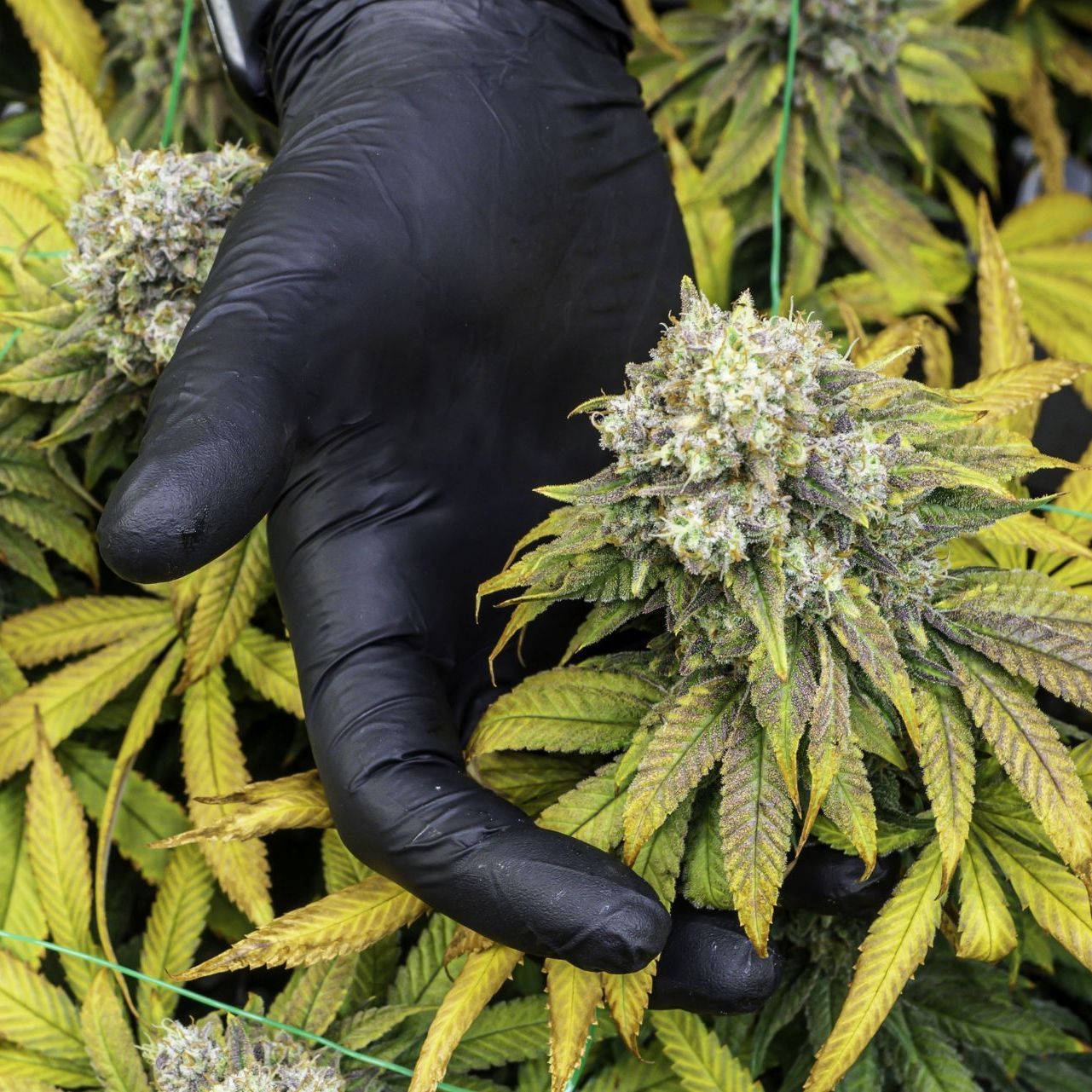
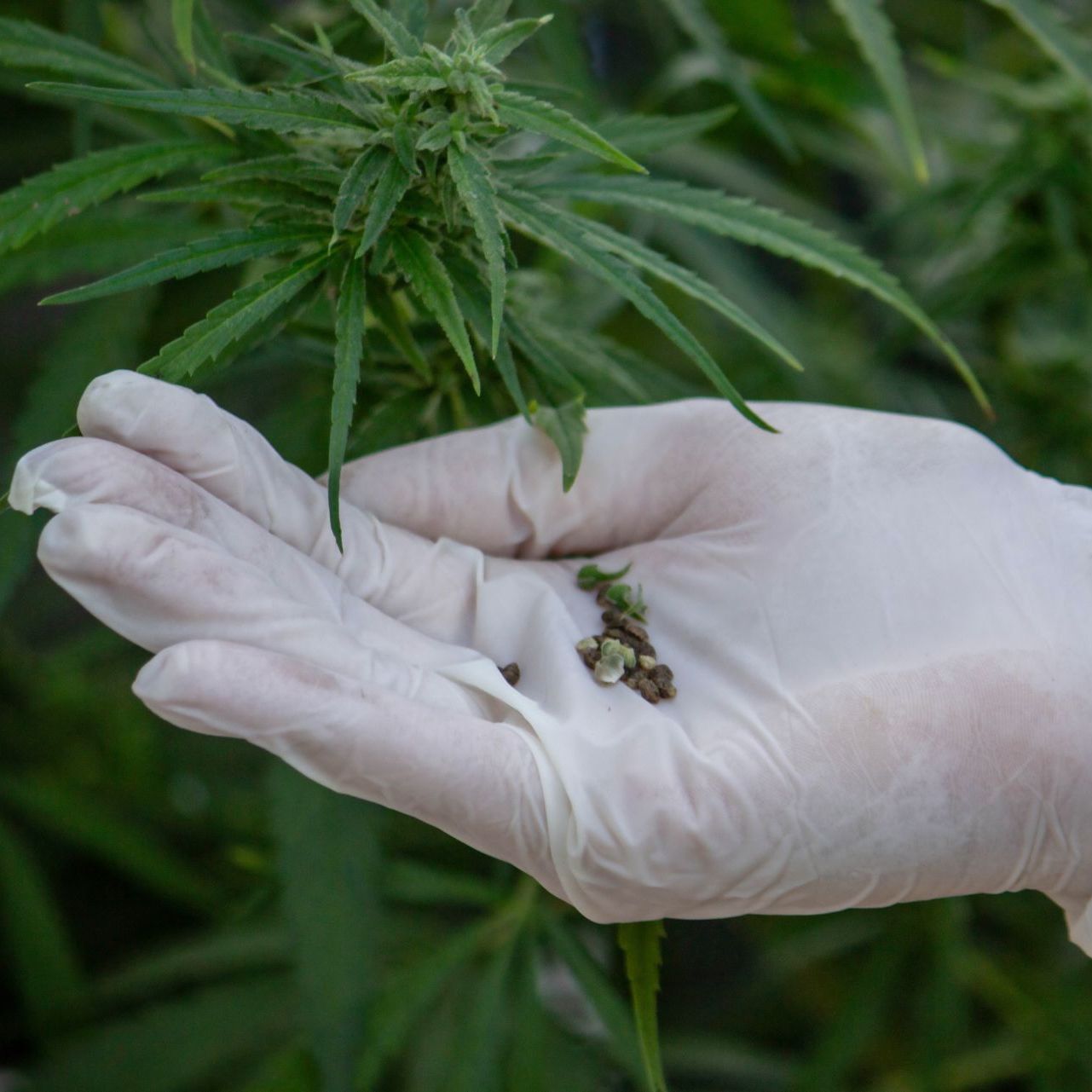
Serving the Cannabis Supply Chain
We cover licensed operators at every stage.
OUR BLOGS
Resources for Cannabis Business Owners
Stay informed and protected with our latest posts.
COMMON QUESTIONS
Cannabis Insurance Made Clear
Answers to the questions we hear most from cannabis business owners.
What types of insurance do you offer for cannabis businesses?
We offer commercial property, general liability, product liability, crop insurance, workers’ compensation, and cyber liability tailored to cannabis operations. These policies address the most common risks, such as crop loss, product claims, and facility damage.
Our agents will help you match the right coverage to your business type and scale, whether you're a dispensary, grower, processor, or distributor.
Why is specialized cannabis insurance necessary?
Standard business policies often exclude cannabis-related activities, which leaves significant exposure gaps. Cannabis-specific insurance covers unique industry risks like product recalls, crop theft, and regulatory compliance.
Having the right policy also satisfies licensing, leasing, and vendor requirements, allowing your business to operate legally and securely.
How does your agency ensure compliance with state regulations?
Many states require proof of specific insurance types before issuing or renewing cannabis licenses. We stay up-to-date on regulatory changes and ensure your policies meet state and local mandates.
That means you avoid surprises during audits or inspections and maintain good standing with licensing authorities.
How fast can I get a quote and bind coverage?
Request a quote and you’ll typically receive a custom proposal within 24 hours. Once you review and accept it, coverage can often be bound the same day, so your business isn’t left exposed.
We streamline documentation and communication to make setup fast and clear—no confusing forms or delays.
Do you support multi-state cannabis businesses?
Yes. We are licensed to operate in 36 states, including major cannabis markets. Whether you’re operating in one state or across several, we can design policies that address your regulatory and risk needs.
As you expand, our team adjusts your coverage accordingly—keeping your protection consistent across state lines.
What should I consider when selecting cannabis insurance?
Begin by identifying your key exposures—crop value, product inventory, employee safety, or cyber data. From there, choose coverage that aligns with these risks instead of opting for a basic or low-cost solution.
Also, look for a provider with cannabis expertise and responsive claims support—this experience helps during actual loss events.
Contact Us
Phone
Address