Missouri Hydroponic Farm Business Insurance
See How We're Different
or call us: (215) 653-8411
Hydroponic farming in Missouri represents a growing sector of controlled environment agriculture, but standard farm insurance policies weren't designed for facilities that grow lettuce under LED lights instead of sunlight. Your climate control systems, nutrient delivery infrastructure, and vertical growing racks create exposures that traditional crop insurance simply doesn't address. The controlled environment agriculture industry was valued at over $100 billion in 2023 and continues expanding rapidly, yet insurance products for these operations remain specialized and sometimes difficult to source. Missouri hydroponic farm operators face a unique challenge: protecting sophisticated agricultural technology while meeting state compliance requirements designed for conventional farming. A single equipment failure can destroy an entire crop cycle within hours, and standard agricultural policies often exclude the very systems that keep your plants alive. This guide walks through the specific coverage types you'll need, the risks particular to soil-less farming operations, and how to work with Missouri's insurance market to build protection that actually matches your operation.
Core Insurance Requirements for Missouri Hydroponic Facilities
Every commercial hydroponic operation in Missouri needs foundational coverage before addressing specialized risks. These core policies protect against the exposures common to any business while forming the base layer of a comprehensive insurance program.
General Liability for Controlled Environment Agriculture
General liability insurance protects your operation when third parties suffer bodily injury or property damage connected to your business. A delivery driver slipping on a wet floor, a visitor getting injured by equipment, or damage to a neighboring property from your operations all fall under this coverage. For hydroponic facilities, general liability takes on additional importance because you're operating complex systems that could affect adjacent properties through water leaks, chemical spills, or electrical issues.
Most insurers require minimum limits of $1 million per occurrence and $2 million aggregate for commercial agricultural operations. Your landlord may require higher limits if you're leasing space, and buyers like grocery chains often mandate specific coverage levels before purchasing your produce. General liability doesn't cover your own property or your products after sale, so it works alongside other policies rather than replacing them.
Missouri Workers' Compensation Compliance for Farm Labor
Missouri law requires workers' compensation insurance for most employers, though agricultural operations have historically enjoyed certain exemptions. The catch is that many hydroponic facilities don't qualify for traditional farm exemptions because they operate more like manufacturing facilities than field farms. If you have employees working regular shifts in a controlled environment, you likely need workers' comp coverage regardless of what you're growing.
Workers' compensation covers medical expenses and lost wages when employees are injured on the job. Hydroponic operations present specific hazards including repetitive motion injuries from harvesting, chemical exposure from nutrient solutions, electrical risks from lighting systems, and slip-and-fall incidents in humid environments. Your premium rates depend on job classifications, payroll amounts, and your claims history. Misclassifying employees or underreporting payroll creates serious compliance problems and potential penalties.
TruePath Insurance is fully licensed and authorized to provide comprehensive insurance solutions across multiple states.
We proudly serve individuals and businesses nationwide, offering access to trusted regional and national carriers. Our goal is to help clients find reliable, affordable coverage that aligns with their goals—whether for personal protection, business stability, or long-term financial security.
Protecting Specialized Hydroponic Infrastructure
The equipment that makes controlled environment agriculture possible represents your largest capital investment. Standard commercial property policies often exclude or undervalue this specialized infrastructure.
Commercial Property Coverage for Vertical Racks and Lighting
Your growing systems, vertical racks, LED lighting arrays, and environmental controls need coverage that reflects their actual replacement cost. Standard commercial property insurance may classify these items as "fixtures" or "equipment" with depreciated values that won't cover modern replacement costs. A policy that insures your building adequately might leave a significant gap when it comes to the specialized infrastructure inside.
Work with your insurer to create a detailed equipment schedule listing each major system, its replacement cost, and its function. This documentation proves invaluable during claims and ensures you're not underinsured. Consider whether you need coverage for equipment in transit, newly acquired equipment, or items stored off-site. Some policies exclude certain lighting types or limit coverage for items attached to the building structure.
Equipment Breakdown Coverage for HVAC and Nutrient Systems
Equipment breakdown coverage, sometimes called boiler and machinery insurance, protects against mechanical and electrical failures that property insurance typically excludes. Your HVAC systems, pumps, controllers, and nutrient delivery equipment can fail due to power surges, mechanical wear, operator error, or manufacturing defects. Standard property policies cover damage from external causes like fire or storms but exclude internal equipment failures.
This coverage becomes critical when you consider that
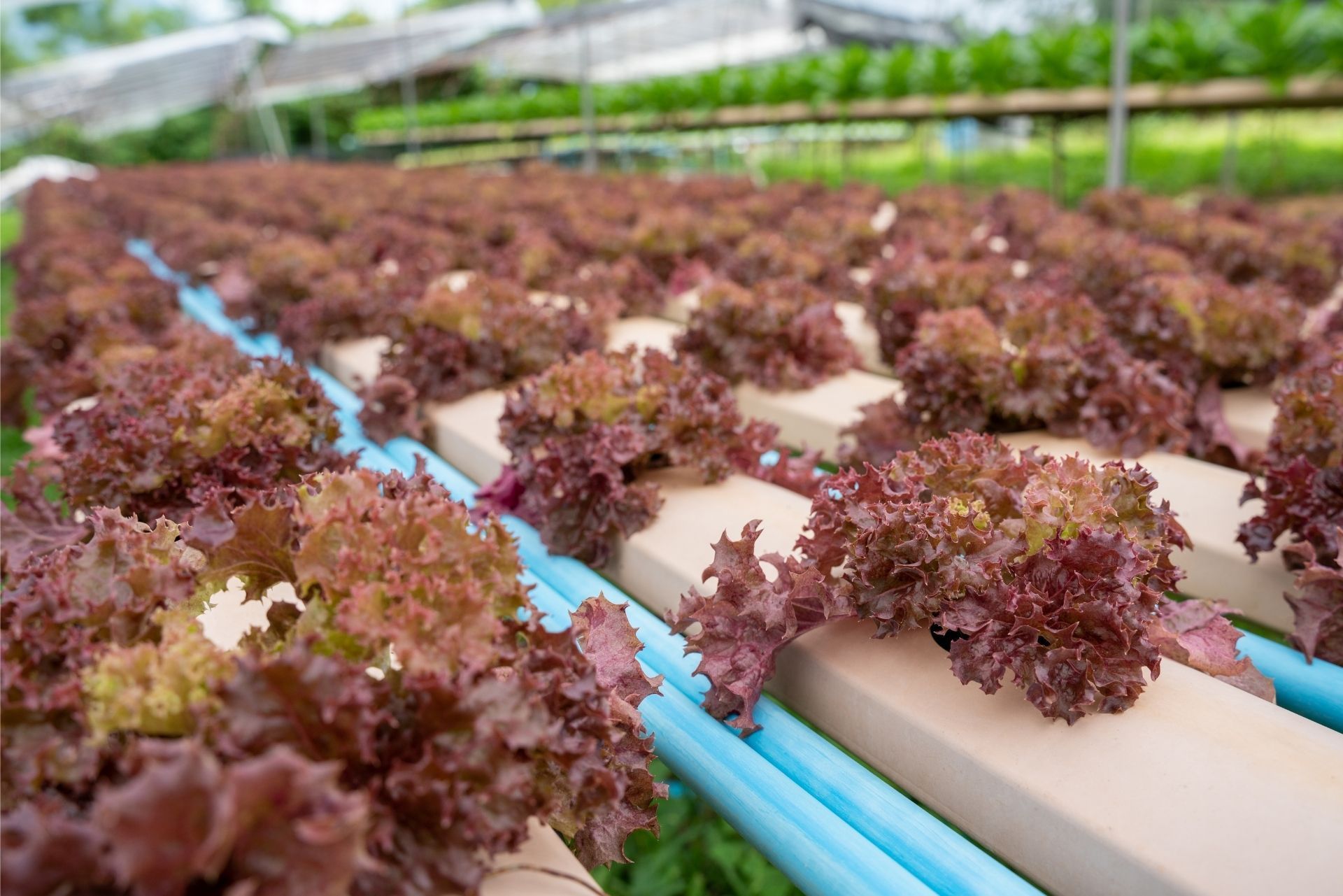
hydroponics offers higher yields per square foot than traditional farming, but that productivity depends entirely on functioning systems. A failed circulation pump might not look dramatic, but it can kill an entire crop room within hours.
Equipment breakdown policies typically cover repair or replacement costs, spoilage of temperature-sensitive crops, and sometimes the extra expense of expedited repairs or temporary equipment rental.
Mitigating Risks Unique to Soil-Less Farming
Hydroponic operations face exposures that traditional farms don't encounter. Your crops depend on continuous system operation, making you vulnerable to failures that field farmers never worry about.
Crop Loss and Spoilage Due to Power Outages
Power interruptions represent an existential threat to controlled environment operations. Without electricity, your lighting stops, pumps fail, climate control shuts down, and crops begin deteriorating immediately. Missouri experiences severe weather that can knock out power for extended periods, and even brief outages can stress plants enough to reduce yields.
Standard crop insurance programs weren't designed for this scenario. The USDA's Controlled Environment Crop Insurance Program became available in the 2024 crop year, offering new options for hydroponic growers. This federal program provides coverage specifically designed for CEA operations, addressing gaps that private insurers have struggled to fill. Evaluate whether federal crop insurance, private spoilage coverage, or both best fit your operation's risk profile.
Water Damage and System Overflow Liability
Hydroponic systems circulate thousands of gallons of water daily, creating constant potential for leaks, overflows, and flooding. A failed fitting, clogged drain, or sensor malfunction can release significant water volumes quickly. If you're operating in a multi-tenant building or near other businesses, water damage to neighboring properties creates liability exposure beyond your own losses.
Your property policy should cover water damage to your own facility and equipment, while general liability addresses damage to others. Check policy exclusions carefully because some insurers limit coverage for "gradual" water damage or exclude damage from system maintenance failures. Document your inspection and maintenance procedures because insurers may deny claims if they determine negligence contributed to the loss.
Product Liability for Fresh Produce and Microgreens
Once your produce leaves the facility, product liability coverage protects against claims that your products caused illness or injury. Foodborne illness outbreaks can generate massive liability exposure, and even unfounded claims require legal defense. While controlled environment agriculture can minimize the risk of foodborne pathogens compared to field production, contamination remains possible through water sources, handling, or packaging.
Product liability coverage typically comes as part of a commercial general liability policy or as a separate product liability policy. Limits should reflect your sales volume and customer base because selling to large retailers or food service operations increases exposure compared to direct consumer sales. Maintain detailed records of your food safety procedures, testing results, and lot tracking systems because this documentation supports your defense if claims arise.
Finding appropriate coverage requires understanding how Missouri's insurance market approaches controlled environment agriculture and which carriers have relevant expertise.
Evaluating Local Carriers vs. Specialized Ag-Tech Insurers
Local insurance agents familiar with Missouri agriculture may not have experience with hydroponic operations. Traditional farm insurers understand field crops, livestock, and conventional greenhouse operations, but CEA facilities require different expertise. Specialized agricultural technology insurers have emerged to serve this market, though they may lack local presence and Missouri-specific knowledge.
| Factor | Local/Regional Carriers | Specialized Ag-Tech Insurers |
|---|---|---|
| Missouri market knowledge | Strong | Limited |
| CEA expertise | Often limited | Strong |
| Claims handling speed | Varies | Often faster for equipment |
| Premium competitiveness | May be higher for CEA | Often more competitive |
| Policy customization | Limited options | More flexible |
The best approach often combines local relationships with specialized coverage. A local agent can handle general liability and workers' compensation while a specialized carrier provides equipment breakdown and crop coverage.
Factors Influencing Premiums for Indoor Farms
Insurance pricing for hydroponic operations depends on factors beyond simple square footage. Your facility's fire suppression systems, electrical infrastructure, backup power capabilities, and security measures all affect rates. Insurers also consider your experience level, claims history, and the specific crops you grow.
Missouri's location on the
New Madrid Seismic Zone makes earthquake coverage worth considering, though it's typically excluded from standard policies and purchased separately. Your building's construction type, age, and condition influence property rates significantly. Operations in flood-prone areas face higher premiums or may need separate flood insurance through the National Flood Insurance Program.
Developing a Comprehensive Risk Management Strategy
Insurance transfers financial risk, but it works best alongside active risk management. Documenting your safety procedures, maintenance schedules, and quality controls demonstrates to insurers that you're a better-than-average risk, potentially qualifying for lower premiums or broader coverage.
Consider backup systems for critical infrastructure. Generators, redundant pumps, and alarm systems reduce the likelihood of total losses and may qualify for insurance credits. Regular equipment inspections and preventive maintenance create records that support claims and demonstrate responsible operation.
Review your coverage annually as your operation grows or changes. Adding new growing rooms, expanding product lines, or entering new sales channels all affect your insurance needs. Missouri's
Multi Peril Crop Insurance program covers natural disasters for traditional crops, and understanding how federal programs interact with private coverage helps you avoid gaps or duplicate coverage.
Frequently Asked Questions
Does standard farm insurance cover hydroponic equipment? Most traditional farm policies exclude or severely limit coverage for specialized hydroponic infrastructure. You'll typically need equipment breakdown coverage and scheduled equipment endorsements to properly protect growing systems.
Are Missouri hydroponic farms required to carry workers' compensation? Most commercial hydroponic operations must carry workers' compensation because they don't qualify for agricultural exemptions. The indoor, manufacturing-like nature of CEA facilities generally triggers standard employer requirements.
What happens if a power outage destroys my crop? Standard property insurance rarely covers crop losses from power failures. The USDA's Controlled Environment Crop Insurance Program or specialized spoilage coverage addresses this exposure.
How much general liability coverage do hydroponic farms need? Most operations need minimum limits of $1 million per occurrence. Buyers, landlords, and lenders often require higher limits, so check your contracts before purchasing coverage.
Does product liability cover foodborne illness claims? Yes, product liability coverage defends against and pays claims alleging your produce caused illness. Coverage typically comes through your general liability policy or as a separate product liability policy.
Building proper insurance protection for a Missouri hydroponic operation requires understanding both agricultural and commercial insurance markets. Start by documenting your equipment values, reviewing your contracts for required coverage levels, and consulting with agents who have CEA experience. The right coverage program protects your investment while meeting compliance requirements and customer expectations.
WHO WE HELP
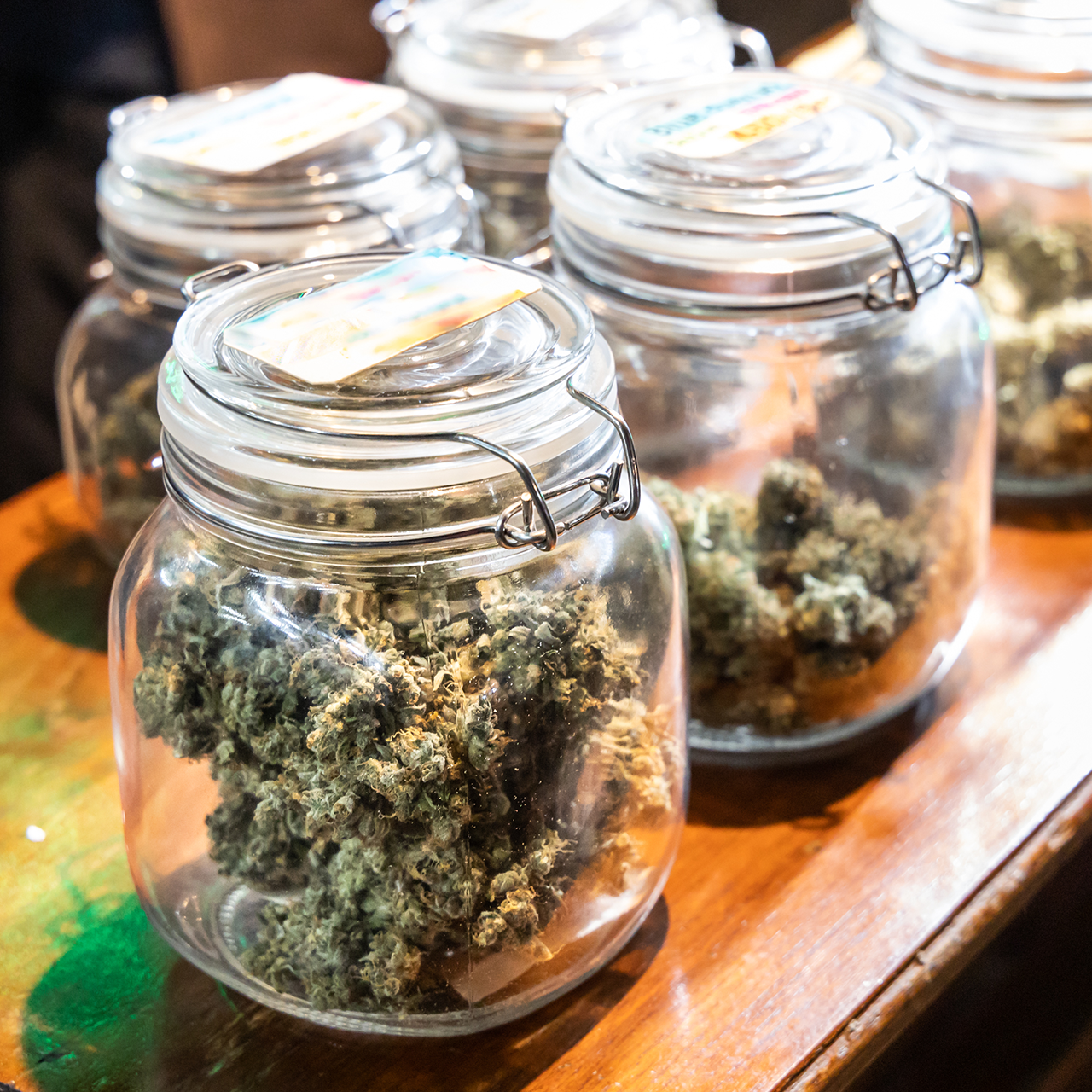
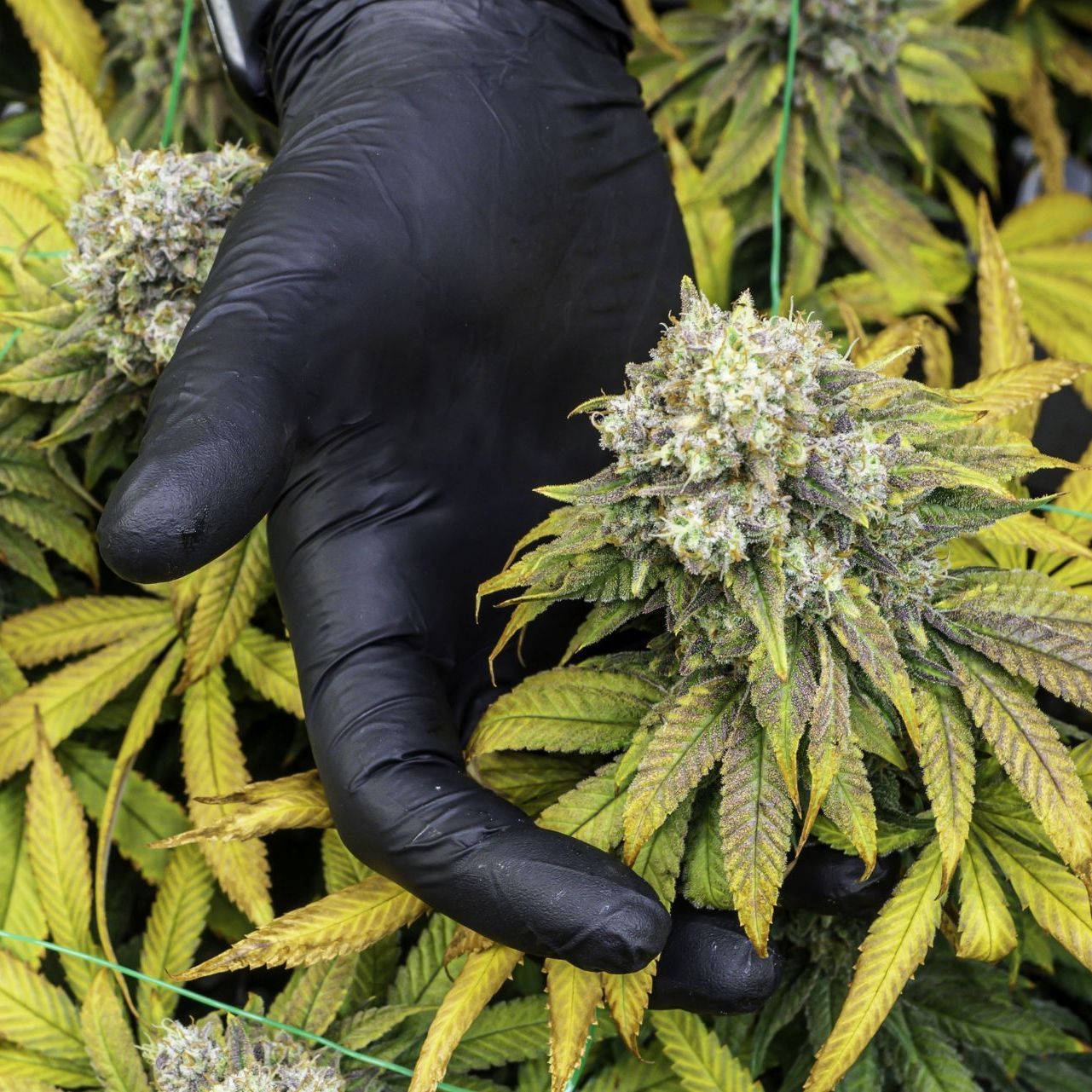
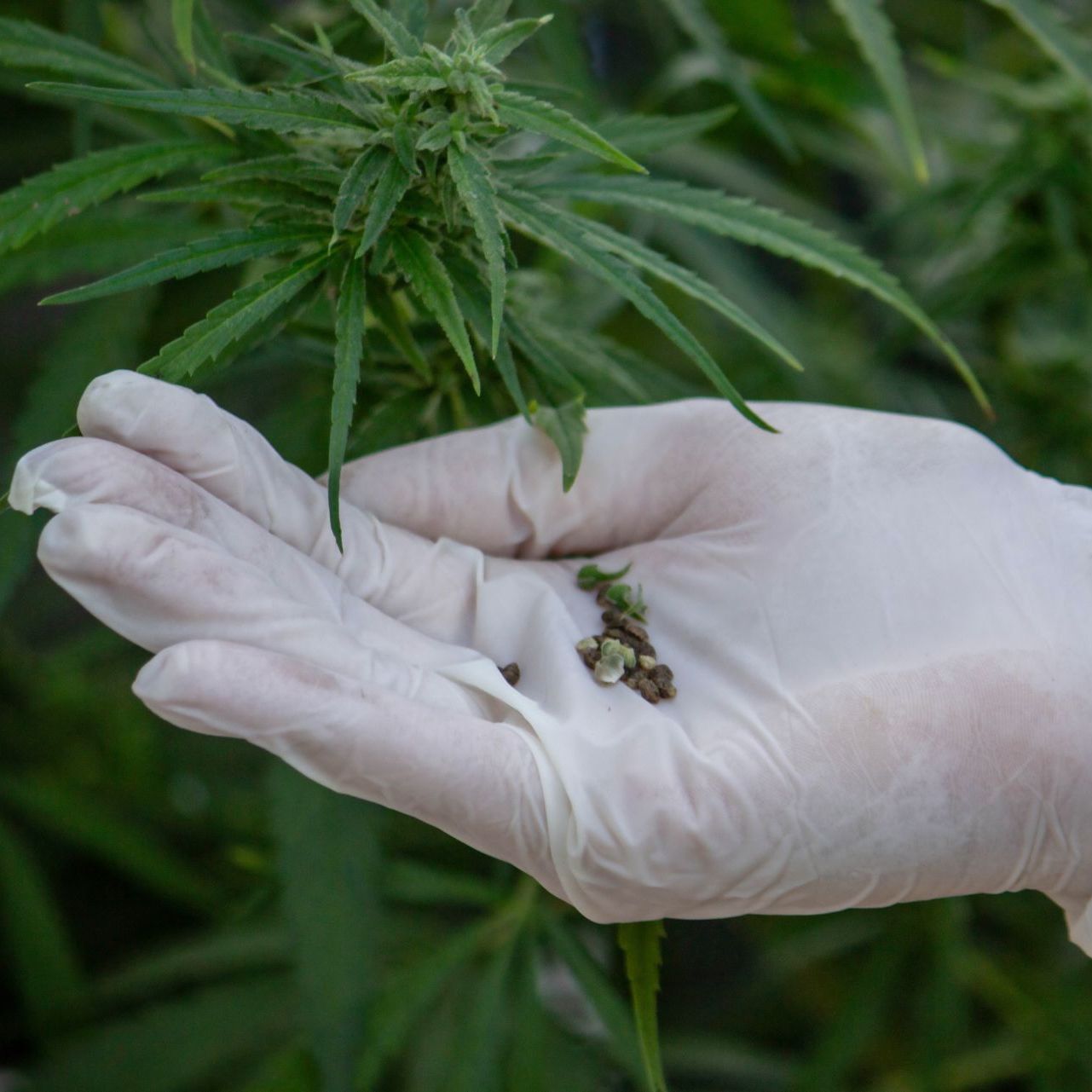
Serving the Cannabis Supply Chain
We cover licensed operators at every stage.
OUR BLOGS
Resources for Cannabis Business Owners
Stay informed and protected with our latest posts.
COMMON QUESTIONS
Cannabis Insurance Made Clear
Answers to the questions we hear most from cannabis business owners.
What types of insurance do you offer for cannabis businesses?
We offer commercial property, general liability, product liability, crop insurance, workers’ compensation, and cyber liability tailored to cannabis operations. These policies address the most common risks, such as crop loss, product claims, and facility damage.
Our agents will help you match the right coverage to your business type and scale, whether you're a dispensary, grower, processor, or distributor.
Why is specialized cannabis insurance necessary?
Standard business policies often exclude cannabis-related activities, which leaves significant exposure gaps. Cannabis-specific insurance covers unique industry risks like product recalls, crop theft, and regulatory compliance.
Having the right policy also satisfies licensing, leasing, and vendor requirements, allowing your business to operate legally and securely.
How does your agency ensure compliance with state regulations?
Many states require proof of specific insurance types before issuing or renewing cannabis licenses. We stay up-to-date on regulatory changes and ensure your policies meet state and local mandates.
That means you avoid surprises during audits or inspections and maintain good standing with licensing authorities.
How fast can I get a quote and bind coverage?
Request a quote and you’ll typically receive a custom proposal within 24 hours. Once you review and accept it, coverage can often be bound the same day, so your business isn’t left exposed.
We streamline documentation and communication to make setup fast and clear—no confusing forms or delays.
Do you support multi-state cannabis businesses?
Yes. We are licensed to operate in 36 states, including major cannabis markets. Whether you’re operating in one state or across several, we can design policies that address your regulatory and risk needs.
As you expand, our team adjusts your coverage accordingly—keeping your protection consistent across state lines.
What should I consider when selecting cannabis insurance?
Begin by identifying your key exposures—crop value, product inventory, employee safety, or cyber data. From there, choose coverage that aligns with these risks instead of opting for a basic or low-cost solution.
Also, look for a provider with cannabis expertise and responsive claims support—this experience helps during actual loss events.
Contact Us
Phone
Address