Mississippi Hydroponic Farm Business Insurance
See How We're Different
or call us: (215) 653-8411
Hydroponic farming in Mississippi represents a growing sector where controlled environment agriculture meets Southern entrepreneurship. Your investment in vertical racks, nutrient delivery systems, and climate-controlled greenhouses creates substantial value that requires specialized protection. Standard farm policies often fall short when covering soilless growing operations because traditional agricultural insurance was designed for field crops, not precision-controlled indoor environments. Mississippi hydroponic farm business insurance coverage requires careful consideration of your unique assets and operational risks.
The financial stakes are significant. Mississippi farmers paid $48.3 million for crop insurance coverage in 2024, with insurers paying out $180 million to cover crop losses statewide. While these figures reflect traditional agriculture, they underscore how quickly losses can accumulate in any farming operation. Your hydroponic facility faces different but equally serious exposures: equipment failures that can destroy an entire crop cycle, contamination events, and liability claims from produce sales. Understanding your coverage options isn't just prudent planning; it's essential for business survival.
Core Commercial Property Coverage for Hydroponic Systems
Your hydroponic operation contains specialized equipment that general farm policies weren't designed to protect. Commercial property coverage forms the foundation of your insurance program, but you'll need endorsements and riders specific to controlled environment agriculture.
Protecting Greenhouse Structures and Vertical Racks
Greenhouse structures and vertical growing systems represent your largest capital investments. Standard property policies may classify these assets differently than you'd expect, potentially leaving coverage gaps. Your greenhouse might be considered a building, a structure, or even equipment depending on how your policy is written.
Vertical racking systems present particular challenges for valuation. These aren't off-the-shelf items; they're often custom-designed for your specific growing operation. Replacement cost coverage is essential here, as actual cash value policies will depreciate your racks significantly, leaving you unable to replace them after a loss. Make sure your policy specifically lists vertical farming infrastructure as covered property, with agreed-upon values that reflect current replacement costs.
Insuring Nutrient Delivery Systems and LED Lighting
Nutrient delivery systems, including pumps, reservoirs, timers, and distribution lines, require coverage that recognizes their interconnected nature. A single pump failure can cascade through your entire operation. Your policy should cover not just the failed component but the resulting damage to crops and other equipment.
LED lighting systems represent another substantial investment that depreciates slowly but costs significantly to replace. These systems are vulnerable to power surges, which brings us to the next critical coverage area.
Equipment Breakdown and Power Interruption Riders
Equipment breakdown coverage, sometimes called mechanical breakdown or boiler and machinery coverage, protects against sudden equipment failures that standard property policies exclude. This rider covers damage from electrical arcing, motor burnout, and mechanical breakdown of your HVAC systems, pumps, and climate controls.
Power interruption coverage deserves special attention. Your crops depend on consistent electricity for lighting, climate control, and nutrient circulation. Even a brief outage can stress plants or trigger spoilage. This coverage typically pays for crop losses when utility failure interrupts your operation, though policies vary in waiting periods and coverage limits.
TruePath Insurance is fully licensed and authorized to provide comprehensive insurance solutions across multiple states.
We proudly serve individuals and businesses nationwide, offering access to trusted regional and national carriers. Our goal is to help clients find reliable, affordable coverage that aligns with their goals—whether for personal protection, business stability, or long-term financial security.
Specialized Crop and Inventory Protection
Traditional crop insurance programs designed for field agriculture don't translate well to hydroponic operations. Your crops grow faster, carry higher per-square-foot values, and face different risk profiles than conventional farming.
Valuation of Soilless Crops and Seedlings
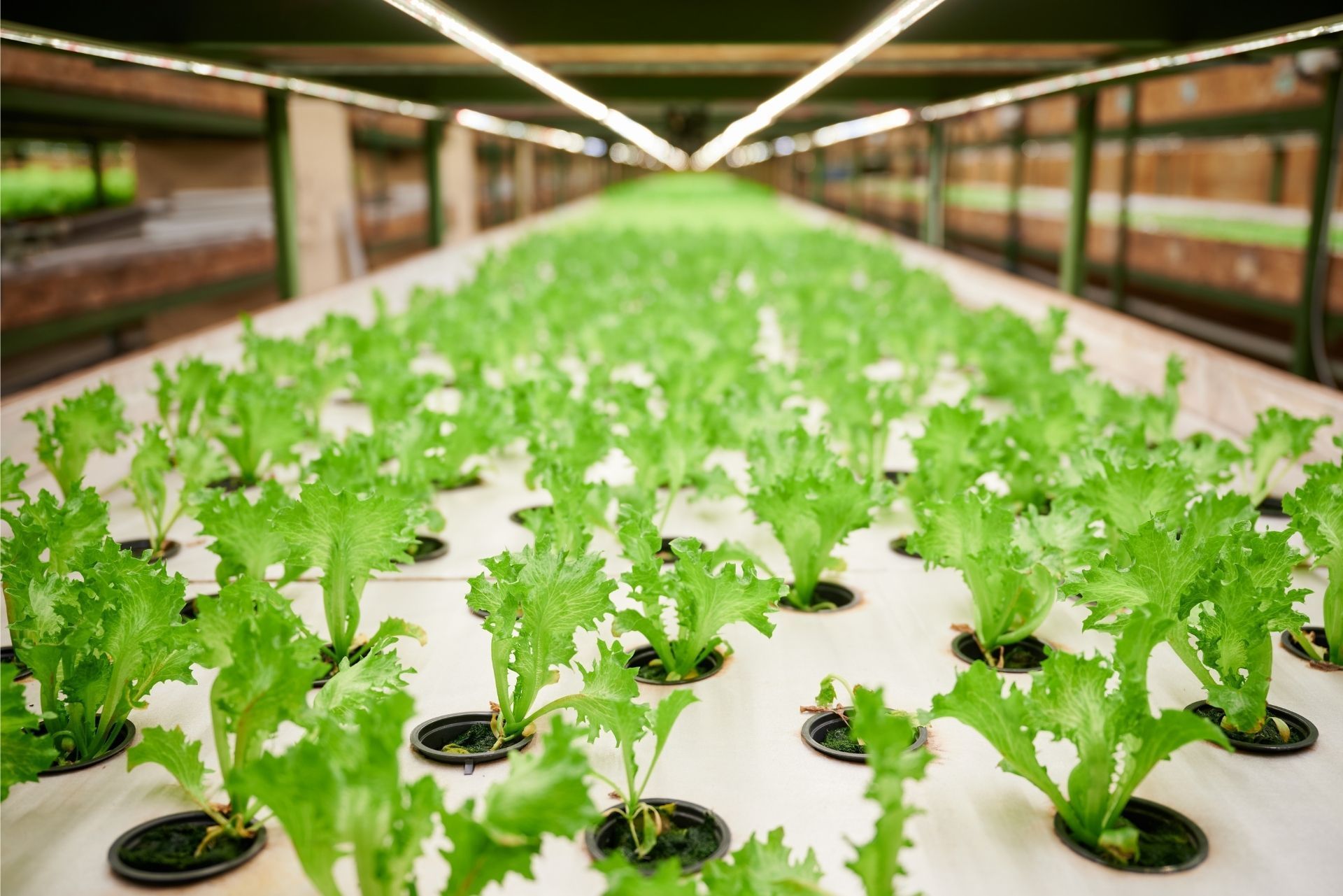
Valuing hydroponic crops requires accounting for their accelerated growth cycles and premium market positioning. A lettuce crop two weeks from harvest has different value than one just transplanted. Your policy should address crops at various growth stages, not just mature plants ready for sale.
Seedlings and starter plants often represent overlooked value. If you propagate your own transplants, these young plants carry both direct costs and opportunity costs. Losing a batch of seedlings doesn't just cost you the seeds and growing media; it delays your harvest by weeks. Work with your agent to establish valuation methods that capture these realities.
Contamination and Spoilage Coverage
Contamination coverage protects against losses from pathogens, chemical contamination, or pest infestations that render crops unsaleable. This coverage becomes increasingly important as the adoption of soilless farming technologies creates new and potentially costlier liabilities, making specialized horticultural insurance essential for modern operations.
Spoilage coverage addresses losses from refrigeration failure or other post-harvest equipment problems. If your walk-in cooler fails overnight and ruins harvested produce, this coverage responds. Pay attention to waiting periods and documentation requirements, as insurers typically require evidence of proper maintenance and monitoring.
Liability Considerations for Mississippi Producers
Liability exposures extend beyond your growing facility to include product sales and visitor interactions. These coverages protect your business assets from claims arising from your operations.
Product Liability for Fresh Produce Sales
Product liability coverage protects against claims that your produce caused illness or injury. Foodborne illness claims can generate substantial legal costs even when your products weren't at fault. This coverage pays for legal defense and any resulting settlements or judgments.
Your sales channels affect your liability exposure. Selling through distributors may provide some insulation from direct consumer claims, while farmers market sales create direct relationships with consumers. Restaurant and grocery accounts may require you to carry specific coverage limits and name them as additional insureds on your policy.
General Liability for On-Farm Tours and Pick-ups
General liability coverage addresses premises liability when customers, delivery drivers, or visitors enter your facility. General liability insurance can cost between $400 and $1,500 per year for $1 million in coverage, making it an affordable foundation for your liability program.
If you offer farm tours, educational programs, or allow customer pickups at your facility, your exposure increases. Slip-and-fall claims, injuries from equipment, and accidents in parking areas all fall under general liability. Consider whether your current limits adequately protect your business assets.
Mississippi's climate and regulatory environment create specific considerations for hydroponic operations. Your insurance program should address these regional factors.
Windstorm and Severe Weather Endorsements
Mississippi's exposure to hurricanes, tornadoes, and severe thunderstorms makes windstorm coverage essential. Standard property policies may exclude or sublimit wind damage, particularly in coastal counties. You may need a separate windstorm policy or a specific endorsement to ensure adequate protection.
Crop insurance in Mississippi protected 3.7 million acres in 2024, providing $2.1 billion in liability protection. Private crop-hail insurance provided an additional $253.1 million in liability to protect Mississippi crops that same year. While these programs focus on field crops, they demonstrate the significant weather-related risks facing Mississippi agriculture.
Hail damage to greenhouse glazing can be catastrophic. A single storm can destroy your growing environment and the crops inside. Review your policy's hail coverage carefully, including any deductibles that apply specifically to hail losses.
Compliance with Mississippi Workers' Compensation Laws
Mississippi requires workers' compensation coverage for most employers, with limited exceptions for agricultural operations. However, these agricultural exemptions may not apply to your hydroponic facility, depending on how your operation is classified.
Even if you qualify for an exemption, carrying workers' compensation coverage protects you from employee injury lawsuits. Without coverage, an injured worker can sue you directly, potentially exposing your personal and business assets. The cost of workers' compensation insurance is typically far less than the potential liability from a serious workplace injury.
Business Interruption and Continuity Planning
Business interruption coverage replaces lost income when a covered event forces you to suspend operations. This coverage proves particularly valuable for hydroponic operations because your crops can't simply wait for repairs.
Your policy should cover the time needed to repair or replace damaged equipment, restore growing conditions, and bring new crops to harvest. This recovery period often extends months beyond the initial property damage. Work with your agent to establish appropriate coverage periods and accurately document your normal revenue patterns.
| Coverage Type | What It Protects | Typical Cost Factors |
|---|---|---|
| Business Interruption | Lost income during shutdown | Revenue history, recovery time |
| Extra Expense | Costs to resume operations faster | Temporary facility options |
| Contingent Business Interruption | Losses from supplier/customer disruptions | Supply chain complexity |
Extra expense coverage pays for costs to resume operations more quickly, such as renting temporary growing space or expediting equipment repairs. This coverage can significantly reduce your total loss by getting you back to production faster.
Managing insurance costs requires balancing adequate coverage against premium expenses. Several strategies can help reduce costs without creating dangerous coverage gaps.
Higher deductibles lower premiums but increase your out-of-pocket costs when claims occur. Choose deductibles you can comfortably afford to pay, keeping cash reserves to cover them. Bundling multiple coverages with one insurer often generates discounts. Property, liability, and business interruption coverage from a single carrier typically costs less than separate policies.
Risk management investments can reduce premiums over time. Backup generators, alarm systems, and documented safety programs demonstrate lower risk to insurers. Some carriers offer specific credits for these measures.
Frequently Asked Questions
Does standard farm insurance cover hydroponic operations? Most standard farm policies don't adequately cover hydroponic facilities. You'll typically need commercial property coverage with endorsements specific to controlled environment agriculture.
How do insurers value hydroponic crops? Valuation methods vary by insurer. Some use production cost approaches, while others base values on market prices at various growth stages. Establish agreed values with your insurer before a loss occurs.
Are hydroponic farms exempt from Mississippi workers' compensation requirements? Exemptions depend on how your operation is classified and the number of employees. Consult with your insurance agent and an employment attorney to determine your obligations.
What's the difference between equipment breakdown and property coverage? Property coverage addresses external perils like fire and wind. Equipment breakdown covers internal mechanical and electrical failures that property policies typically exclude.
How much general liability coverage do hydroponic farms need? Most operations should carry at least $1 million per occurrence. Commercial accounts may require higher limits. Your agent can help assess your specific exposure.
Making the Right Choice for Your Operation
Building comprehensive insurance protection for your Mississippi hydroponic operation requires understanding both your unique risks and available coverage options. Start by inventorying your assets, documenting your revenue patterns, and identifying your liability exposures. Work with an agent experienced in agricultural and commercial coverage who understands controlled environment agriculture. Request quotes from multiple carriers, comparing not just premiums but coverage terms, exclusions, and claims handling reputation. Your hydroponic investment deserves protection that matches its sophistication and value.
WHO WE HELP
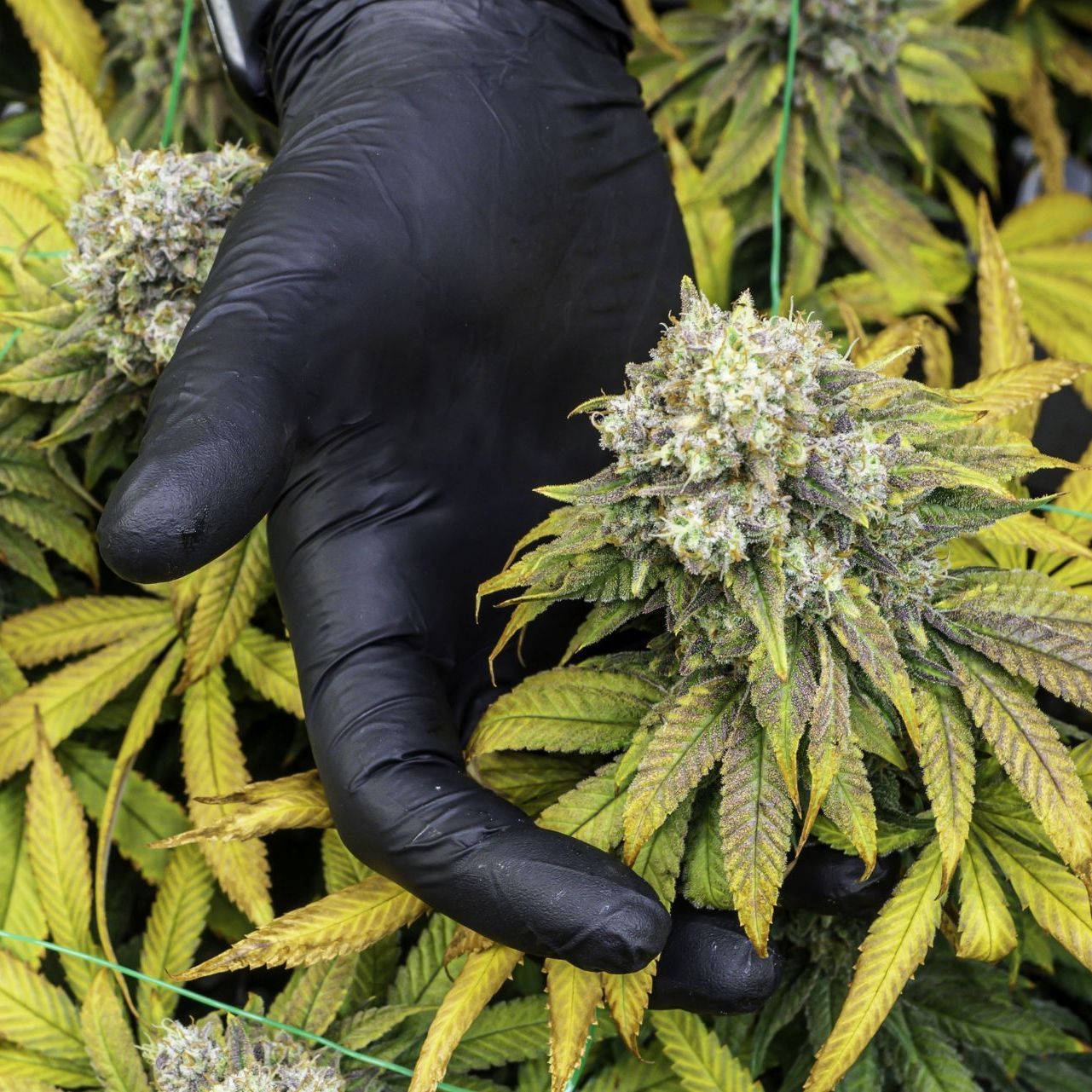
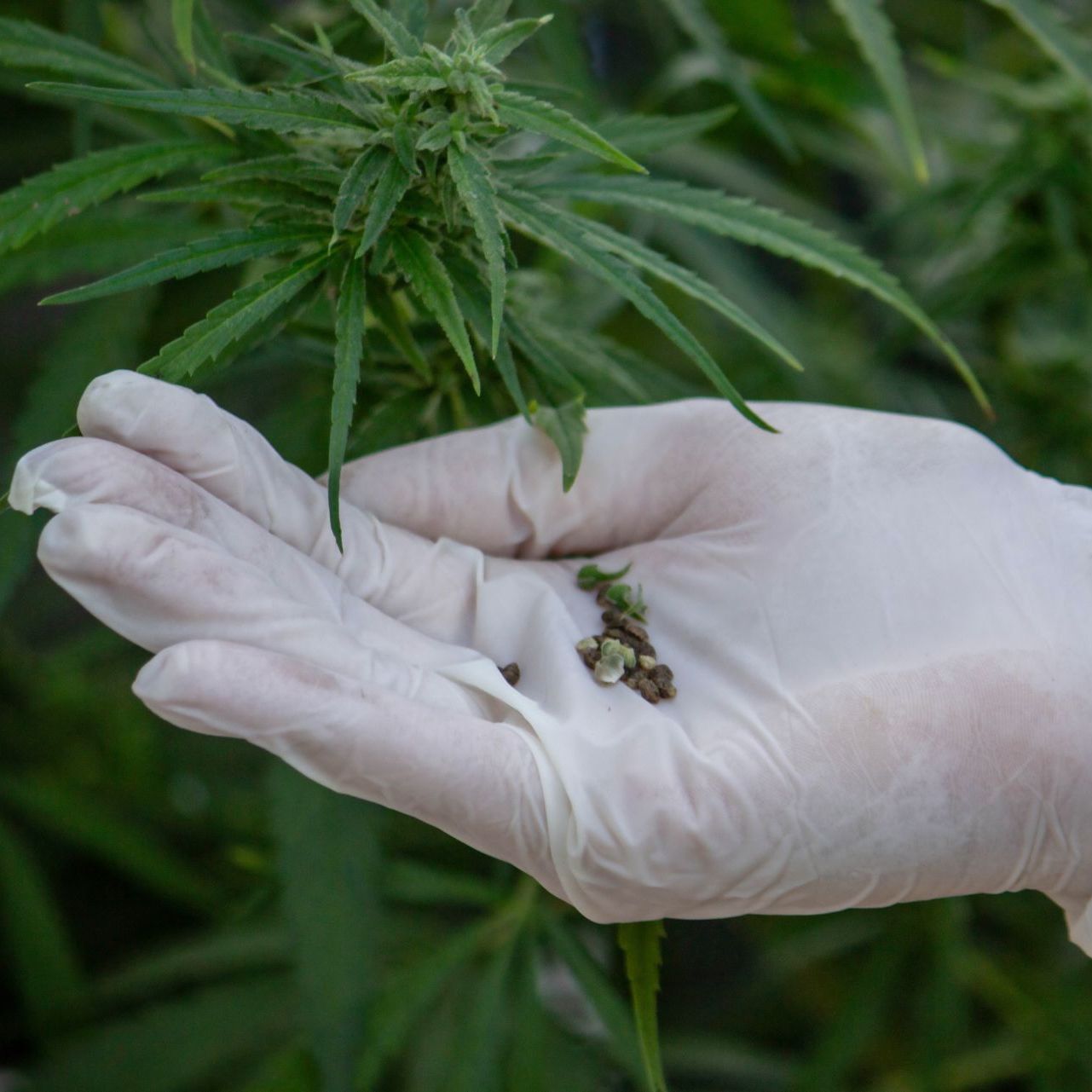
Serving the Cannabis Supply Chain
We cover licensed operators at every stage.

OUR BLOGS
Resources for Cannabis Business Owners
Stay informed and protected with our latest posts.
COMMON QUESTIONS
Cannabis Insurance Made Clear
Answers to the questions we hear most from cannabis business owners.
What types of insurance do you offer for cannabis businesses?
We offer commercial property, general liability, product liability, crop insurance, workers’ compensation, and cyber liability tailored to cannabis operations. These policies address the most common risks, such as crop loss, product claims, and facility damage.
Our agents will help you match the right coverage to your business type and scale, whether you're a dispensary, grower, processor, or distributor.
Why is specialized cannabis insurance necessary?
Standard business policies often exclude cannabis-related activities, which leaves significant exposure gaps. Cannabis-specific insurance covers unique industry risks like product recalls, crop theft, and regulatory compliance.
Having the right policy also satisfies licensing, leasing, and vendor requirements, allowing your business to operate legally and securely.
How does your agency ensure compliance with state regulations?
Many states require proof of specific insurance types before issuing or renewing cannabis licenses. We stay up-to-date on regulatory changes and ensure your policies meet state and local mandates.
That means you avoid surprises during audits or inspections and maintain good standing with licensing authorities.
How fast can I get a quote and bind coverage?
Request a quote and you’ll typically receive a custom proposal within 24 hours. Once you review and accept it, coverage can often be bound the same day, so your business isn’t left exposed.
We streamline documentation and communication to make setup fast and clear—no confusing forms or delays.
Do you support multi-state cannabis businesses?
Yes. We are licensed to operate in 36 states, including major cannabis markets. Whether you’re operating in one state or across several, we can design policies that address your regulatory and risk needs.
As you expand, our team adjusts your coverage accordingly—keeping your protection consistent across state lines.
What should I consider when selecting cannabis insurance?
Begin by identifying your key exposures—crop value, product inventory, employee safety, or cyber data. From there, choose coverage that aligns with these risks instead of opting for a basic or low-cost solution.
Also, look for a provider with cannabis expertise and responsive claims support—this experience helps during actual loss events.
Contact Us
Phone
Address