Hawaii Hydroponic Farm Business Insurance
See How We're Different
or call us: (215) 653-8411
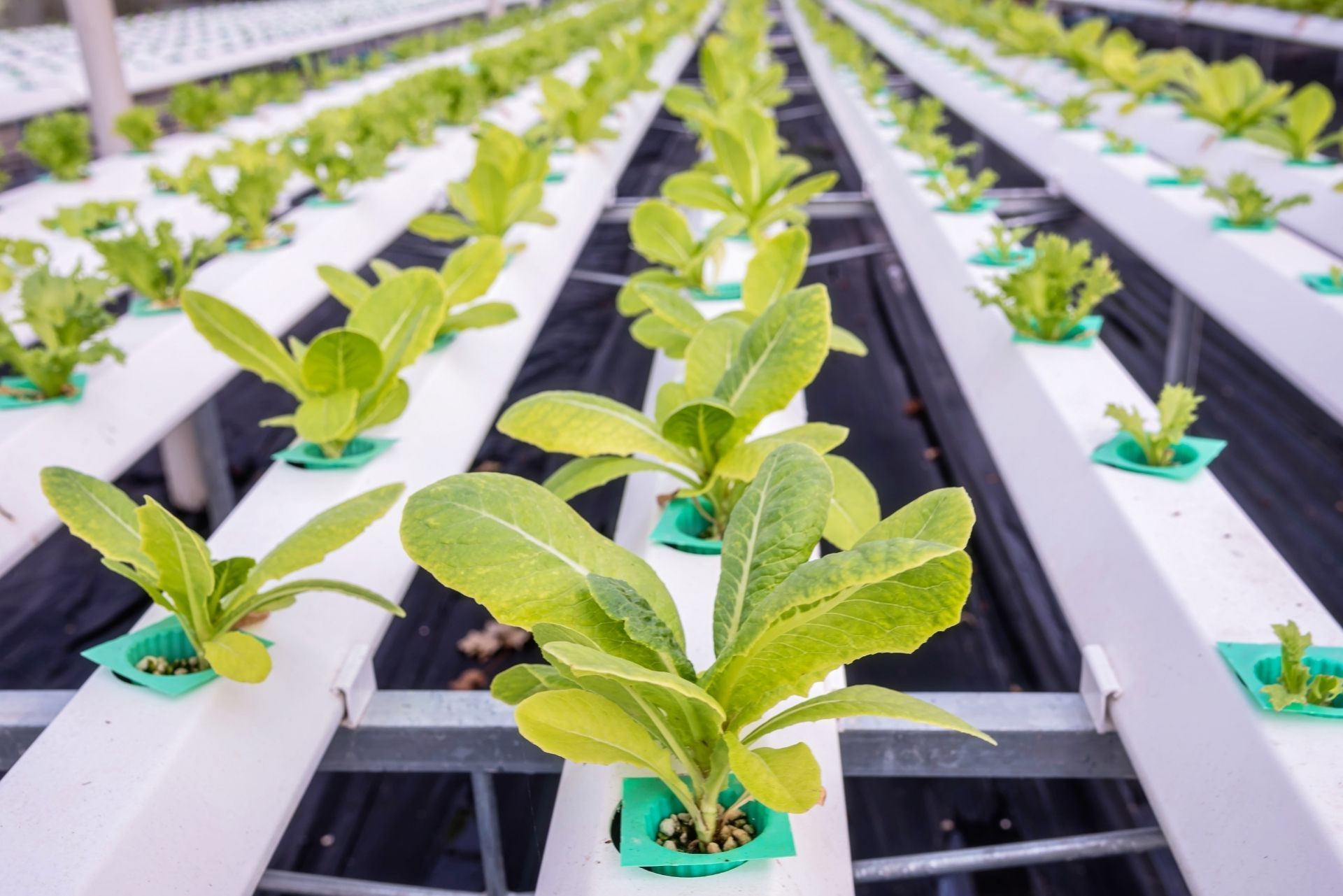
Growing lettuce, herbs, and specialty crops in a controlled environment offers Hawaii's indoor farmers remarkable advantages: year-round production, reduced water usage, and freedom from soil-borne diseases. Yet these benefits come with distinct vulnerabilities that standard agricultural insurance policies often miss entirely. Your hydroponic operation faces equipment failures, power disruptions, and Hawaii-specific natural hazards that require specialized coverage designed for soilless growing systems.
Understanding the insurance requirements for hydroponic farming in Hawaii means recognizing how your operation differs from traditional agriculture. You're not just protecting crops; you're safeguarding complex infrastructure, nutrient delivery systems, and climate control equipment that keeps your plants alive. A single pump failure or power outage can devastate an entire growing cycle within hours. This reality demands insurance solutions built specifically for indoor growers operating in the unique Hawaiian environment.
The financial stakes are substantial. Crop insurance in Hawaii protected 16,551 acres in 2024, providing $215.3 million in liability protection across the state. While traditional farms dominate these figures, hydroponic operations increasingly seek similar protections adapted to their specialized needs. This guide walks you through the essential coverages, Hawaii-specific risks, and practical strategies for securing appropriate insurance for your indoor growing operation.
The Evolving Landscape of Hydroponic Farming in Hawaii
Hawaii's agricultural sector has embraced controlled environment agriculture as a solution to limited arable land and import dependency. Indoor hydroponic farms now produce everything from microgreens to tomatoes, often achieving yields far exceeding conventional field production. This growth has created demand for insurance products that understand the technology-dependent nature of soilless cultivation.
Unique Risks for Island-Based Indoor Growers
Your hydroponic facility faces hazards that mainland operations rarely encounter. Salt air corrodes metal components faster than you might expect, shortening equipment lifespans and increasing maintenance requirements. Shipping delays for replacement parts can extend downtime from days to weeks, turning minor equipment issues into major crop losses.
Energy costs in Hawaii rank among the nation's highest, making your operation heavily dependent on efficient systems. When those systems fail, you're losing both crops and significant operational investment. The isolation of island operations also means fewer local vendors for emergency repairs and specialized equipment, creating supply chain vulnerabilities that affect your risk profile.
State-Specific Regulatory Requirements for Agricultural Businesses
Hawaii requires agricultural businesses to maintain specific insurance coverages based on operation size and employee count. Workers' compensation becomes mandatory once you hire your first employee, with no exemptions for family members in commercial operations. The state's Department of Agriculture may require proof of liability coverage for certain permits and certifications.
Food safety regulations add another layer of requirements. If you're selling produce to restaurants, grocery stores, or farmers' markets, product liability coverage becomes essential rather than optional. Hawaii's food safety modernization requirements align with federal standards, meaning your insurance must address contamination events and recall scenarios.
TruePath Insurance is fully licensed and authorized to provide comprehensive insurance solutions across multiple states.
We proudly serve individuals and businesses nationwide, offering access to trusted regional and national carriers. Our goal is to help clients find reliable, affordable coverage that aligns with their goals—whether for personal protection, business stability, or long-term financial security.
Essential Insurance Coverages for Hydroponic Operations
Building a comprehensive insurance portfolio for your hydroponic farm requires understanding how different coverage types protect against specific risks. Standard farm policies often exclude or inadequately cover controlled environment operations.
General Liability and Product Liability for Food Safety
General liability protects your business when someone gets injured on your property or when your operations cause damage to others. For hydroponic farms, this includes visitors, delivery personnel, and anyone who accesses your growing facility. General liability insurance for small farms in Hawaii can start at approximately $500 annually, though hydroponic operations typically require higher limits.
Product liability becomes critical when your produce enters the food supply. If contaminated lettuce causes illness or a customer suffers an allergic reaction, product liability coverage pays for legal defense and settlements. This coverage should specifically address food products and include recall expense coverage for removing affected products from distribution.
Commercial Property and Specialized Equipment Protection
Standard commercial property insurance covers your building, but hydroponic equipment requires specialized endorsements. Your growing systems, including reservoirs, pumps, timers, and monitoring equipment, need explicit coverage with agreed-upon values. Replacement cost coverage proves essential since depreciated values rarely cover actual replacement expenses for specialized equipment.
Consider creating a detailed equipment inventory with purchase dates, costs, and current replacement values. This documentation streamlines claims processing and ensures adequate coverage limits. Many insurers unfamiliar with hydroponics underestimate equipment values, leaving you underinsured when claims arise.
Crop Insurance for Soilless Systems and Nutrient Solutions
Traditional crop insurance programs weren't designed for hydroponic production, creating coverage gaps for indoor growers. Hawaii farmers paid $938,445 for crop insurance coverage in 2024, but accessing appropriate coverage for soilless systems requires working with specialized agricultural insurers.
NIP Group's GrowPro program offers comprehensive horticultural insurance solutions, including coverage tailored for greenhouse growers, vertical farms, and hydroponic systems. These specialized programs understand that crop losses in hydroponic operations often stem from equipment failures rather than weather events, adjusting coverage accordingly.
Protecting Against Hawaii's Natural and Environmental Hazards
Hawaii's location creates exposure to natural disasters that mainland operations rarely face. Your insurance portfolio must address these Hawaii-specific perils with appropriate coverage limits and deductibles.
Tropical Storm and Hurricane Endorsements
Standard property policies often exclude wind damage from named storms, requiring separate windstorm coverage or hurricane endorsements. For indoor operations, hurricane damage extends beyond structural concerns to include power outages, equipment damage from flooding, and extended business interruption.
Review your policy's hurricane deductible carefully. Many Hawaii policies apply percentage-based deductibles during named storms, meaning a 2% deductible on a $500,000 facility equals $10,000 out-of-pocket before coverage begins. Higher deductibles reduce premiums but increase your financial exposure during major events.
Volcanic Activity and Air Quality Coverage
Volcanic emissions, particularly sulfur dioxide and vog, can damage crops and equipment in ways standard policies don't anticipate. Air filtration systems may require replacement, and crops can suffer damage even inside controlled environments if air quality compromises growing conditions.
Volcanic activity coverage typically requires specific endorsements since most standard policies exclude volcanic events. Discuss coverage for both direct damage from eruptions and indirect damage from air quality degradation with your insurance agent. The 2018 Kilauea eruption demonstrated how volcanic activity can affect agricultural operations far from the eruption site.
Operational Continuity and Infrastructure Risk Management
Hydroponic operations depend on continuous system function in ways traditional farms don't. Infrastructure failures can destroy crops within hours, making business interruption and equipment breakdown coverage essential.
Business Interruption for Power Outages and System Failures
Business interruption insurance replaces lost income when covered events force you to halt operations. For hydroponic farms, coverage should include extra expense provisions that pay for emergency measures like generator rental, expedited shipping for replacement parts, or temporary relocation of salvageable crops.
Crop insurers in Hawaii paid $2.4 million to cover crop losses in 2024, illustrating the financial impact of agricultural disruptions. Your business interruption coverage should reflect your actual revenue and the time required to restore full production capacity after a major loss.
Equipment Breakdown for HVAC and LED Lighting Systems
Equipment breakdown coverage, sometimes called mechanical breakdown or boiler and machinery coverage, pays for sudden equipment failures that property insurance excludes. This coverage proves essential for hydroponic operations where HVAC systems, LED lighting arrays, and nutrient delivery pumps are critical infrastructure.
Standard property policies cover damage from external causes like fire or theft but exclude mechanical breakdown from internal causes. A compressor failure in your climate control system or a pump motor burnout requires equipment breakdown coverage for repair or replacement costs.
Hawaii's workers' compensation requirements apply to nearly all employers, including agricultural operations. You must secure coverage before hiring your first employee, with penalties for non-compliance including personal liability for workplace injuries.
The state's Temporary Disability Insurance program adds another requirement, providing partial wage replacement for non-work-related injuries and illnesses. Both coverages are mandatory, and combining them with a single carrier often reduces administrative complexity and costs.
Agricultural operations face specific workplace hazards that affect workers' compensation rates. Hydroponic farms typically qualify for lower rates than field operations since indoor environments reduce many traditional agricultural risks. Document your safety protocols and training programs, as these can further reduce your experience modification factor over time.
How to Secure and Optimize Your Hydroponic Insurance Policy
Finding appropriate coverage requires working with insurers who understand controlled environment agriculture. General farm insurance agents may lack familiarity with hydroponic operations, leading to coverage gaps or excessive premiums.
Documenting Your Indoor Farm for Underwriters
Thorough documentation helps underwriters accurately assess your operation and offer competitive rates. Prepare detailed information about your growing systems, including equipment specifications, replacement costs, and maintenance schedules. Photographs and video tours help insurers understand your operation without requiring site visits.
Include information about your safety systems, backup power capabilities, and alarm systems. These risk mitigation measures demonstrate professionalism and often qualify for premium discounts. Production records showing consistent yields help establish accurate crop values for coverage purposes.
Strategies for Reducing Premiums through Risk Mitigation
Installing backup generators, redundant pump systems, and environmental monitoring with automatic alerts reduces your risk profile. Insurers recognize these investments and often offer premium reductions for operations with comprehensive backup systems.
Hawaii House Bill 2594 directs a study on insurance coverage options for small agricultural producers, with a report due before the 2028 regular session. This legislative attention may create new coverage options or programs for smaller hydroponic operations in coming years.
| Coverage Type | What It Protects | Typical Annual Cost |
|---|---|---|
| Liability | Third-party injuries, property damage | $500-$2,000 |
| Product Liability | Foodborne illness claims, recalls | $1,000-$5,000 |
| Commercial Property | Buildings, equipment, inventory | Varies by value |
| Equipment Breakdown | Mechanical failures, HVAC, pumps | $500-$2,500 |
| Business Interruption | Lost income during shutdowns | 2-4% of revenue |
Frequently Asked Questions
Does regular farm insurance cover hydroponic operations? Most standard farm policies exclude or inadequately cover controlled environment agriculture. You'll need specialized endorsements or policies designed for indoor growing operations.
What happens if my power fails and I lose an entire crop? Equipment breakdown coverage combined with business interruption insurance addresses power-related losses. Backup generator systems can also reduce claim frequency and premiums.
Are my nutrient solutions and growing media covered? Coverage varies by policy. Ensure your commercial property coverage explicitly includes consumable supplies and growing media at replacement cost values.
How do I find an insurer familiar with hydroponics? Specialized agricultural insurers like those offering GrowPro programs understand controlled environment agriculture. Ask potential insurers about their experience with hydroponic claims.
Can I reduce my workers' compensation costs? Yes. Implementing documented safety programs, providing proper training, and maintaining a clean claims history all reduce your experience modification factor over time.
Securing appropriate insurance for your Hawaii hydroponic operation requires balancing comprehensive coverage against budget constraints. Start by documenting your equipment, production capacity, and existing safety measures. Request quotes from multiple insurers with agricultural experience, comparing not just premiums but coverage terms, deductibles, and exclusions.
Review your policies annually as your operation grows and equipment values change. The investment in proper insurance protects not just your current crops but your ability to continue operating after unexpected losses. Your hydroponic farm represents significant capital investment and ongoing operational expertise: insurance ensures that investment survives Hawaii's unique challenges.
WHO WE HELP
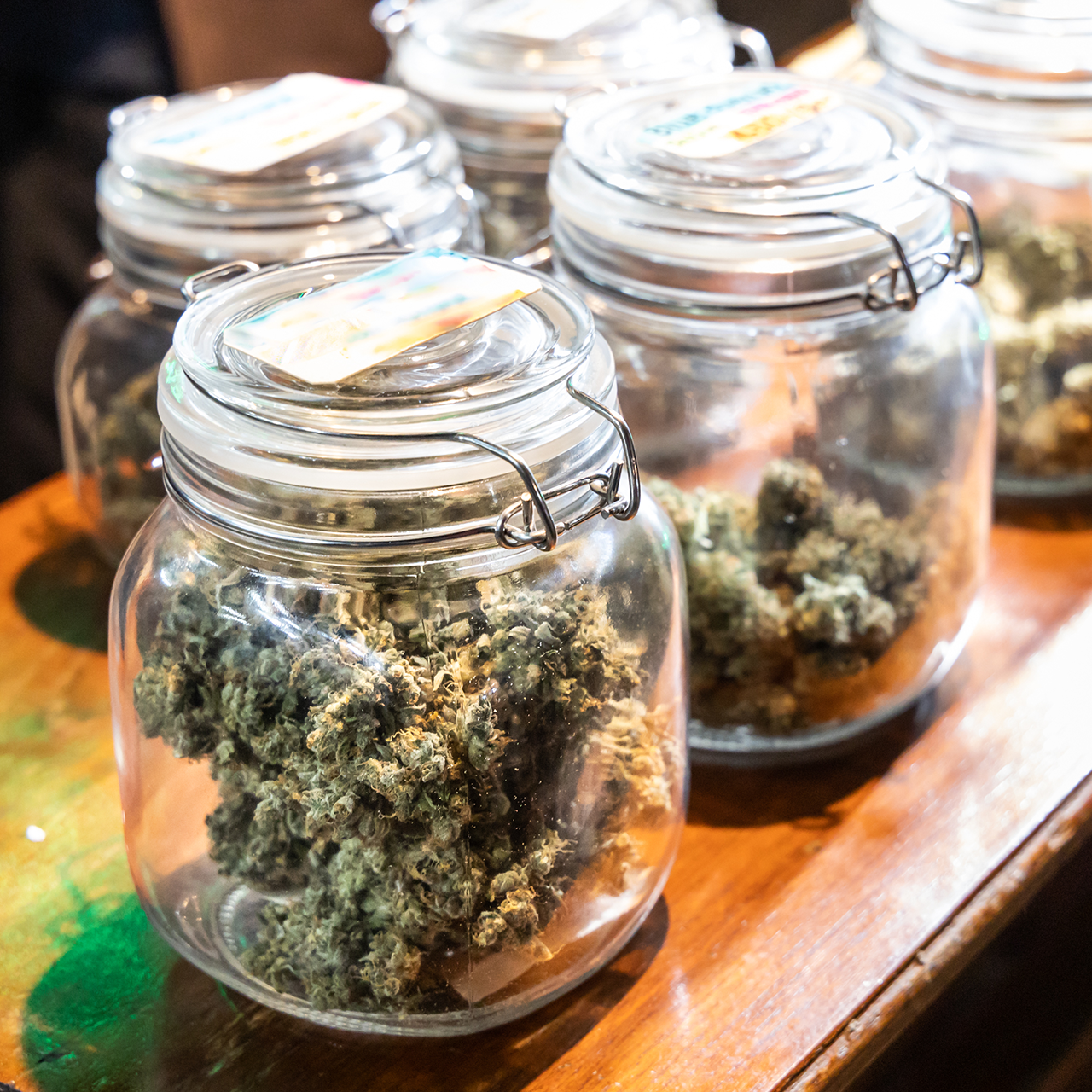
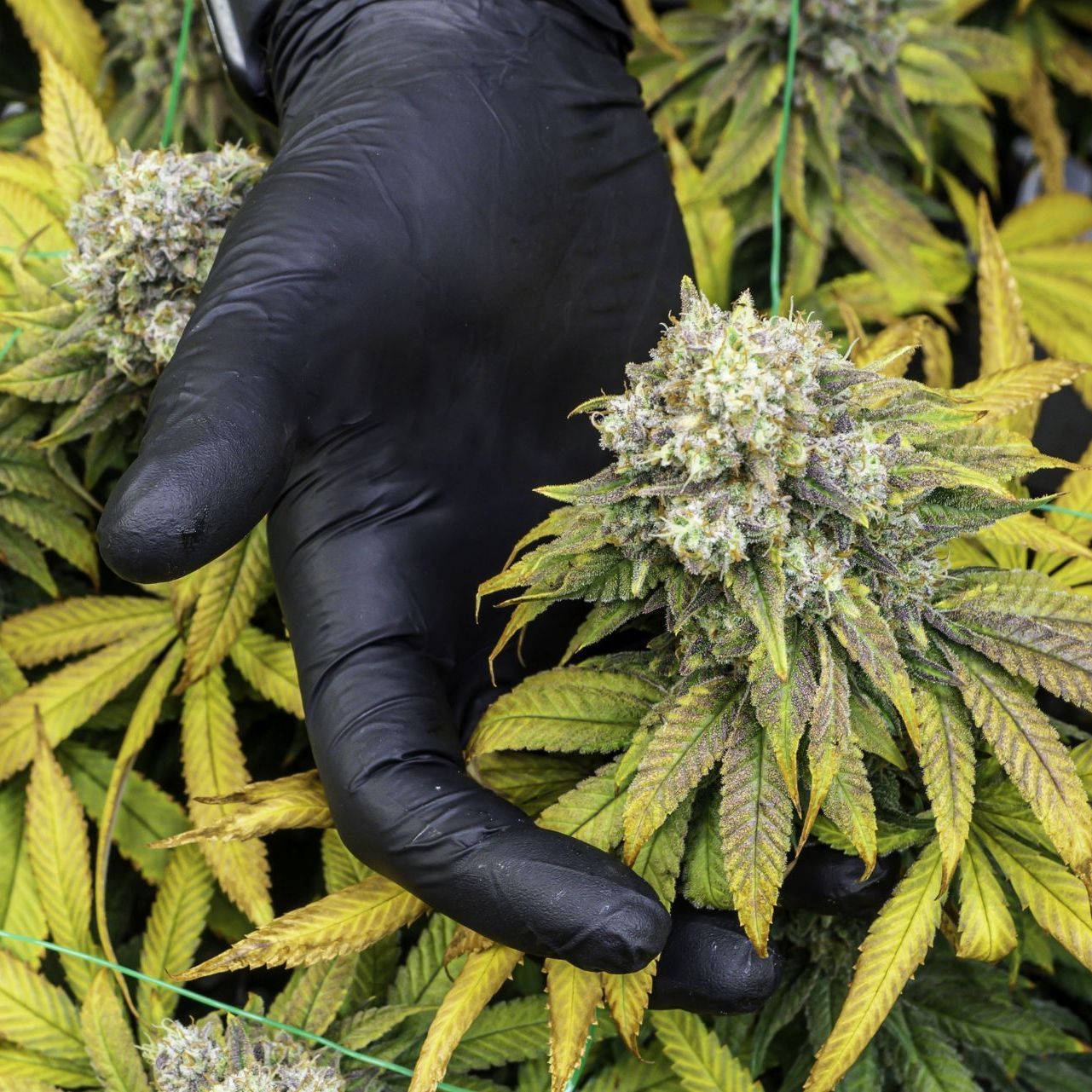
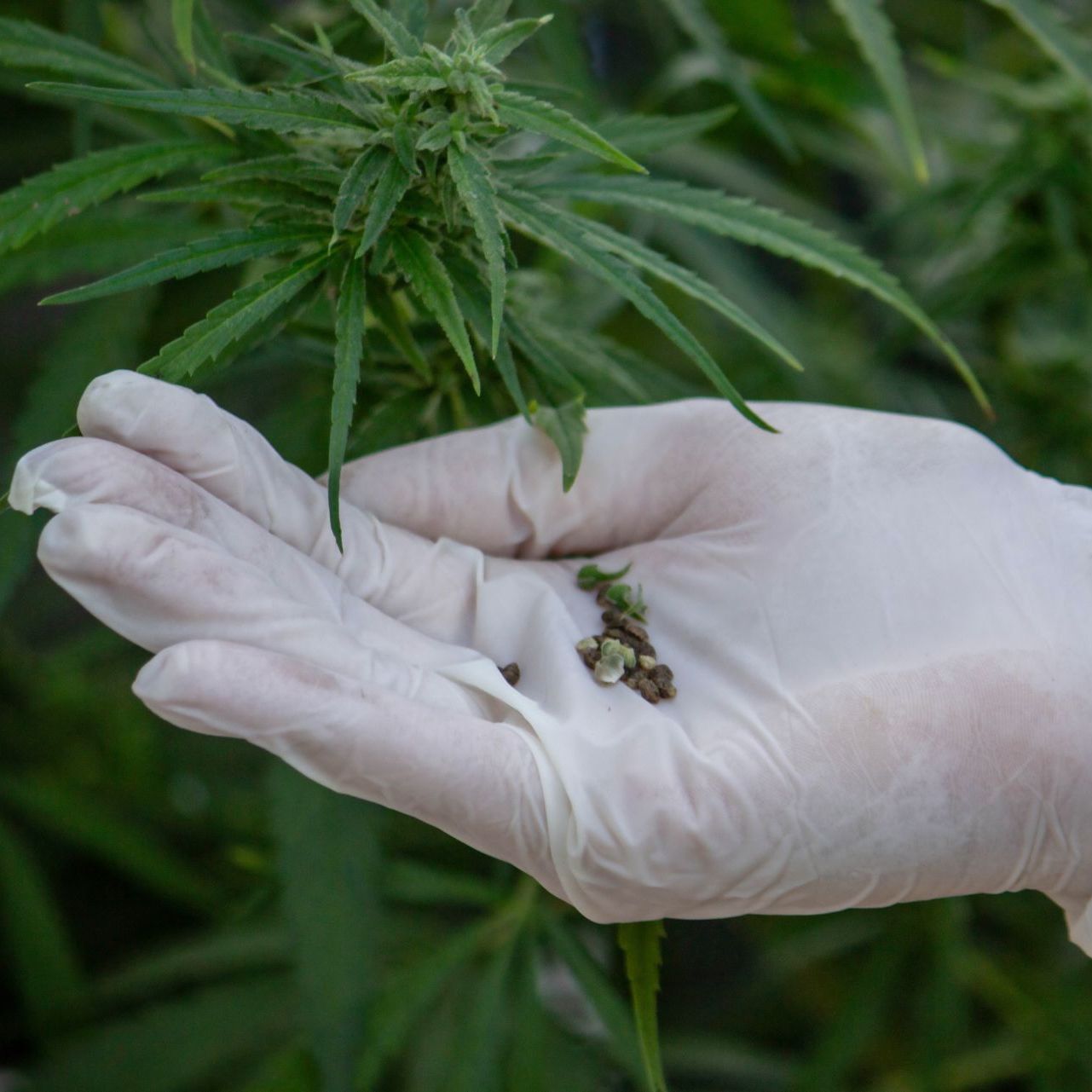
Serving the Cannabis Supply Chain
We cover licensed operators at every stage.
OUR BLOGS
Resources for Cannabis Business Owners
Stay informed and protected with our latest posts.
COMMON QUESTIONS
Cannabis Insurance Made Clear
Answers to the questions we hear most from cannabis business owners.
What types of insurance do you offer for cannabis businesses?
We offer commercial property, general liability, product liability, crop insurance, workers’ compensation, and cyber liability tailored to cannabis operations. These policies address the most common risks, such as crop loss, product claims, and facility damage.
Our agents will help you match the right coverage to your business type and scale, whether you're a dispensary, grower, processor, or distributor.
Why is specialized cannabis insurance necessary?
Standard business policies often exclude cannabis-related activities, which leaves significant exposure gaps. Cannabis-specific insurance covers unique industry risks like product recalls, crop theft, and regulatory compliance.
Having the right policy also satisfies licensing, leasing, and vendor requirements, allowing your business to operate legally and securely.
How does your agency ensure compliance with state regulations?
Many states require proof of specific insurance types before issuing or renewing cannabis licenses. We stay up-to-date on regulatory changes and ensure your policies meet state and local mandates.
That means you avoid surprises during audits or inspections and maintain good standing with licensing authorities.
How fast can I get a quote and bind coverage?
Request a quote and you’ll typically receive a custom proposal within 24 hours. Once you review and accept it, coverage can often be bound the same day, so your business isn’t left exposed.
We streamline documentation and communication to make setup fast and clear—no confusing forms or delays.
Do you support multi-state cannabis businesses?
Yes. We are licensed to operate in 36 states, including major cannabis markets. Whether you’re operating in one state or across several, we can design policies that address your regulatory and risk needs.
As you expand, our team adjusts your coverage accordingly—keeping your protection consistent across state lines.
What should I consider when selecting cannabis insurance?
Begin by identifying your key exposures—crop value, product inventory, employee safety, or cyber data. From there, choose coverage that aligns with these risks instead of opting for a basic or low-cost solution.
Also, look for a provider with cannabis expertise and responsive claims support—this experience helps during actual loss events.
Contact Us
Phone
Address