Delaware Hydroponic Farm Business Insurance
See How We're Different
or call us: (215) 653-8411
Delaware's hydroponic farming sector represents a growing investment in controlled environment agriculture, but standard farm policies often leave operators dangerously underinsured. A single equipment failure in a 50,000-square-foot facility can destroy crops worth hundreds of thousands of dollars within hours. Traditional agricultural insurance was designed for soil-based operations with seasonal growing cycles, not year-round production systems dependent on pumps, climate controls, and nutrient delivery networks. Understanding how business insurance applies to Delaware hydroponic farm operations requires examining the specific risks these facilities face and the coverage options available to protect them.
The stakes are significant. Delaware producers received nearly $9.14 million in indemnities during the 2024 crop year alone, demonstrating how quickly agricultural losses can accumulate. For hydroponic operators running continuous production cycles, a gap in coverage can mean financial ruin. Insurance experts note that soilless farming technologies have made hydroponics more efficient and accessible, but they also create new and potentially costlier liabilities, making specialized horticultural coverage essential for operators who want to protect their investment.
This guide breaks down the coverage types, state requirements, and cost management strategies that Delaware hydroponic farm operators need to know.
The Unique Risk Landscape of Delaware Hydroponics
Climate and Coastal Factors in the First State
Delaware's position along the Atlantic coast creates weather-related challenges that inland operations don't face. Hurricanes, nor'easters, and tropical storms can knock out power for days, and even a few hours without circulation pumps can devastate a hydroponic crop. Flooding risks are particularly acute in Sussex County, where much of the state's agricultural activity concentrates.
The state's humid summers also create conditions favorable to mold and fungal growth, which spread rapidly in enclosed growing environments. Salt air from coastal proximity can accelerate corrosion on metal components, shortening equipment lifespans and increasing maintenance costs. Your insurance policy needs to account for these regional factors, not just generic agricultural risks.
Hydroponic Equipment vs. Traditional Soil Farming Risks
Soil-based farms face weather and pest risks, but hydroponic operations add an entire layer of mechanical and technological vulnerabilities. Your crops depend on pumps, timers, climate control systems, grow lights, and nutrient mixing equipment working in constant coordination. When one component fails, the cascade effect can destroy an entire crop cycle within hours.
Traditional farm policies typically cover tractors, buildings, and stored crops. They weren't designed for facilities where the growing medium itself is a complex engineered system. A policy that adequately covers a corn operation will leave massive gaps for a hydroponic lettuce producer. The
U.S. smart greenhouse insurance market reached $0.64 billion in 2024 and continues expanding precisely because standard agricultural coverage doesn't address these specialized needs.
TruePath Insurance is fully licensed and authorized to provide comprehensive insurance solutions across multiple states.
We proudly serve individuals and businesses nationwide, offering access to trusted regional and national carriers. Our goal is to help clients find reliable, affordable coverage that aligns with their goals—whether for personal protection, business stability, or long-term financial security.
Core Commercial Property and Equipment Coverage
Insuring Controlled Environment Agriculture (CEA) Systems
Your facility's value extends far beyond the building shell. CEA systems include grow lights, HVAC equipment, irrigation networks, nutrient dosing systems, environmental sensors, and automation controls. A comprehensive property policy must cover all these components at replacement cost, not depreciated value.
Replacement cost coverage matters because hydroponic technology evolves rapidly. If your five-year-old LED system fails, you'll likely replace it with newer technology that costs more than the original purchase price. Actual cash value policies that deduct depreciation will leave you paying the difference out of pocket.
Work with your insurer to create a detailed equipment schedule that lists every major component, its replacement value, and its function in your operation. This documentation speeds claims processing and ensures nothing gets overlooked.
Equipment Breakdown and Nutrient Solution Loss
Standard property insurance covers damage from external causes like fire, storms, and theft. Equipment breakdown coverage, sometimes called mechanical breakdown insurance, covers failures from internal causes: motor burnouts, electrical shorts, and component fatigue.
For hydroponic operations, consider adding coverage for nutrient solution loss. A tank failure or contamination event can dump thousands of gallons of carefully balanced solution, requiring complete system flushing and reformulation. Some policies treat this as property damage; others require a specific endorsement.
| Coverage Type | What It Covers | Typical Gaps |
|---|---|---|
| Commercial Property | Building, fixtures, stored inventory | Often excludes growing crops |
| Equipment Breakdown | Internal mechanical failures | May exclude software malfunctions |
| Inland Marine | Portable equipment, specialized items | Requires detailed scheduling |
| Spoilage Coverage | Crop loss from equipment failure | Often has waiting periods |
Liability Protection for Hydroponic Operators
General Liability and Product Liability for Fresh Produce
General liability insurance covers injuries on your property and damage your operations cause to others. If a delivery driver slips in your facility or your forklift damages a customer's loading dock, general liability responds.
Product liability becomes critical when you're selling produce for human consumption. If contaminated greens cause a foodborne illness outbreak traced to your operation, product liability coverage pays for legal defense, settlements, and judgments. The Food Safety Modernization Act increased scrutiny on produce operations, and a recall event can generate claims from multiple parties: consumers, retailers, and distributors.
Most hydroponic operations need at least $1 million per occurrence in combined general and product liability coverage. Operations selling to large retailers or food service companies often need $2 million or higher to meet contract requirements.
Pollution Liability for Water Discharge and Chemicals
Hydroponic operations use fertilizers, pH adjusters, and sometimes pesticides that can create environmental liability if they enter waterways or groundwater. Delaware's Department of Natural Resources and Environmental Control enforces strict discharge regulations, and cleanup costs for even minor spills can reach six figures.
Standard general liability policies exclude pollution events. You'll need a separate pollution liability policy or an endorsement specifically covering your chemical inventory and wastewater discharge. This coverage pays for mandated cleanup, third-party claims, and legal defense if regulators pursue enforcement actions.
Crop Insurance and Revenue Protection
Federal vs. Private Crop Insurance for Indoor Farms
The federal crop insurance program, administered through USDA's Risk Management Agency, has limited options for hydroponic producers. Most programs target field crops with established actuarial data. Indoor operations growing leafy greens, tomatoes, or specialty crops often don't fit neatly into existing program categories.
Private crop insurance fills this gap. Several specialty insurers now offer policies designed specifically for controlled environment agriculture. These policies can cover crop loss from equipment failure, disease outbreaks, contamination events, and other perils. Premiums for vertical and hydroponic farms typically run 1 to 1.5% of total investment, which translates to $10,000-$15,000 annually for a million-dollar facility.
Delaware's Agricultural Production Insurance Assistance Program offers some relief. The program reduces premiums for 2025 crop insurance plans by 30% of the 2024 total premium, with a maximum of $10 per covered acre.
Business Interruption for Continuous Growing Cycles
Business interruption insurance replaces lost income when a covered event forces you to halt production. For hydroponic operations running continuous harvest cycles, even a two-week shutdown can mean substantial revenue loss.
Standard business interruption policies use historical income to calculate payments. New operations without established revenue history may need to use projected income based on production capacity and contracted sales. Make sure your policy covers the full time needed to replace specialized equipment, which can take weeks or months for custom-built systems.
Delaware Statutory Requirements and Workers' Compensation
Navigating State Laws for Agricultural Employees
Delaware requires workers' compensation coverage for most employers, but agricultural operations have historically enjoyed some exemptions. The rules depend on your employee count, payroll size, and whether workers are classified as agricultural or processing employees.
If you have three or more employees, you almost certainly need workers' compensation coverage. Even if you qualify for an exemption, carrying coverage protects you from personal liability if an employee is injured. Hydroponic facilities present risks from chemical exposure, repetitive motion injuries, and equipment accidents that can generate significant medical costs.
Delaware
farmers obtained 2,440 crop insurance policies in 2024, insuring 309,873 acres. The agricultural insurance infrastructure exists, but you'll need to work with agents who understand controlled environment operations.
Smart risk management directly reduces your insurance costs. Insurers reward operations that demonstrate commitment to loss prevention.
Install backup power systems with automatic transfer switches. A generator that kicks in within seconds of a power failure prevents the crop losses that drive claims. Document your backup systems and maintenance schedules for your insurer.
Implement environmental monitoring with remote alerts. Systems that text you when temperatures or humidity exceed parameters let you respond before minor issues become major losses. Some insurers offer premium credits for monitored facilities.
Maintain detailed records of equipment maintenance, employee training, and food safety protocols. These records demonstrate professionalism and reduce underwriting concerns.
Consider higher deductibles on property coverage if you have cash reserves to handle smaller losses. Moving from a $1,000 to a $5,000 deductible can reduce premiums by 10-15% while still protecting against catastrophic events.
Frequently Asked Questions
Does standard farm insurance cover hydroponic equipment? Most standard farm policies exclude or inadequately cover specialized hydroponic systems. You'll need endorsements or separate policies for CEA equipment, nutrient systems, and grow lights.
What liability limits should a hydroponic produce operation carry? Most operations need at least $1 million per occurrence. Operations selling to retailers or food service companies typically need $2 million or higher to meet contract requirements.
Are hydroponic crops eligible for federal crop insurance? Limited options exist through USDA programs. Private specialty insurers offer more comprehensive coverage designed for controlled environment agriculture.
How does Delaware's premium assistance program work? The Agricultural Production Insurance Assistance Program reduces crop insurance premiums by 30% of the prior year's total, capped at $10 per covered acre.
Do I need pollution liability coverage for a hydroponic operation? Yes. Standard general liability excludes pollution events, and hydroponic operations use fertilizers and chemicals that can create environmental liability if discharged improperly.
Delaware hydroponic operators face a distinct insurance challenge: protecting high-value, technology-dependent operations with coverage designed for a different era of agriculture. The right insurance program combines commercial property, equipment breakdown, liability, crop, and workers' compensation coverage tailored to your specific operation.
Start by documenting your equipment, production capacity, and revenue projections. Work with an agent experienced in controlled environment agriculture, not just general farm insurance. Request quotes from specialty insurers who understand hydroponic operations and can offer appropriate coverage without excessive exclusions.
Your facility represents a substantial investment in Delaware's agricultural future. Protecting it requires insurance that matches the sophistication of your operation.
WHO WE HELP
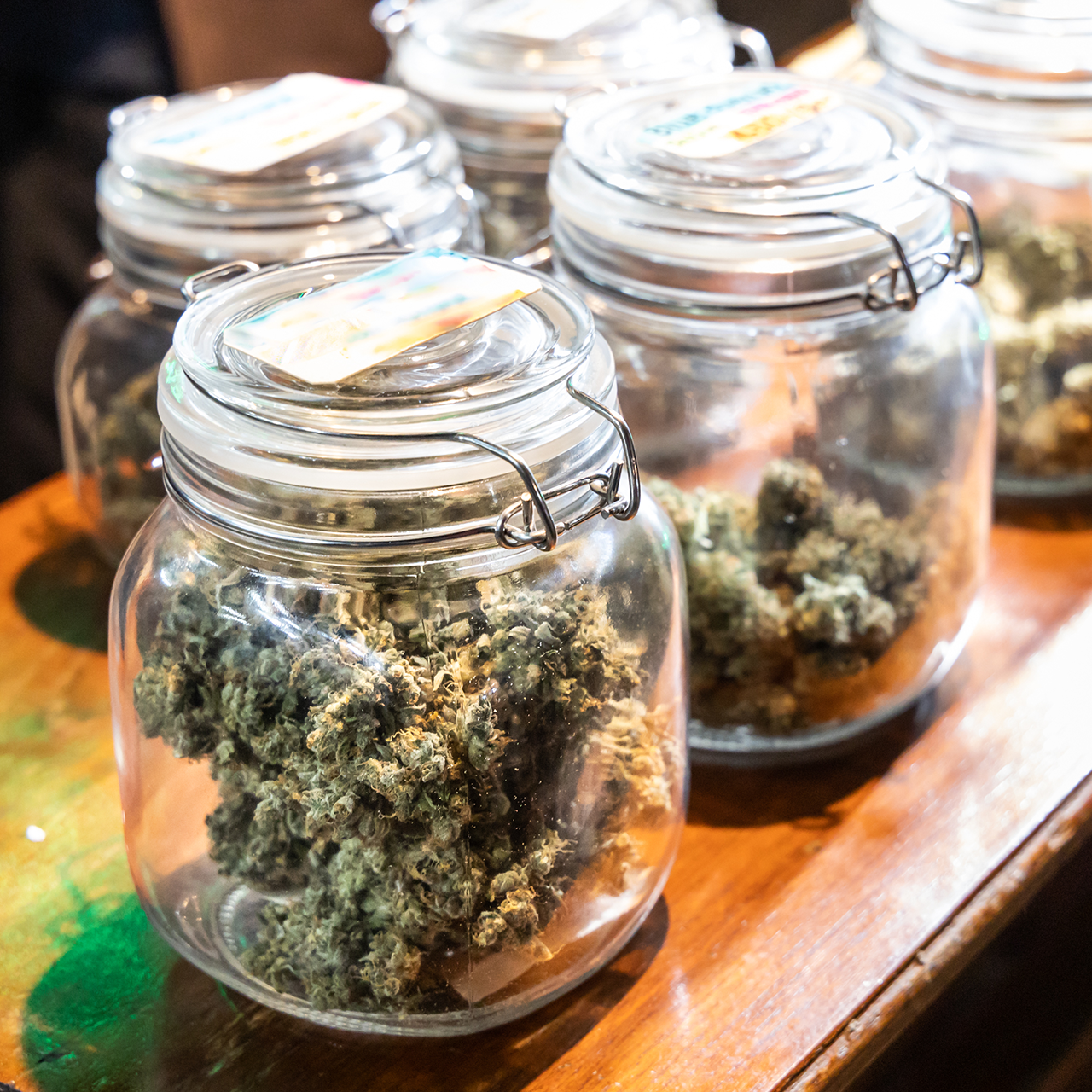
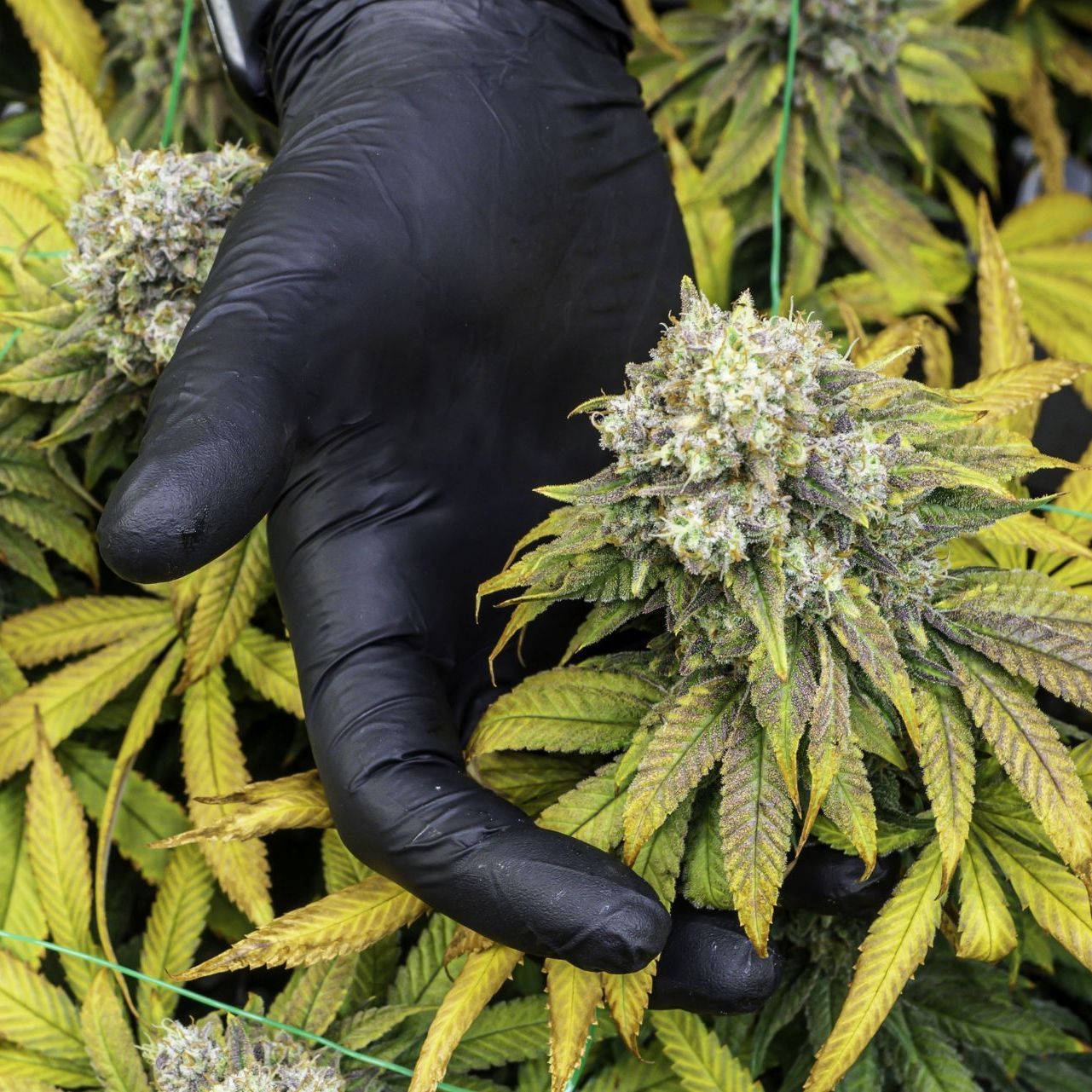
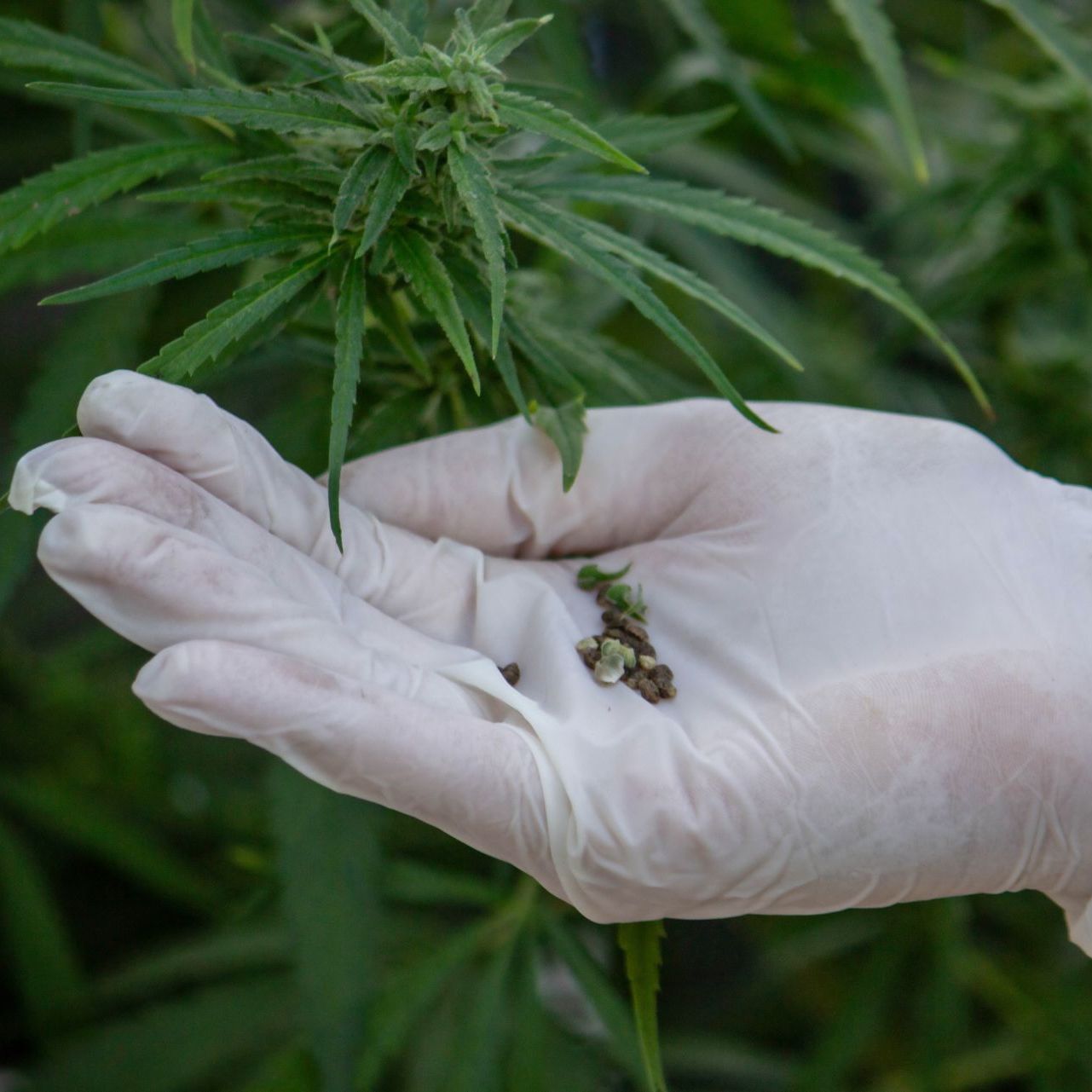
Serving the Cannabis Supply Chain
We cover licensed operators at every stage.
OUR BLOGS
Resources for Cannabis Business Owners
Stay informed and protected with our latest posts.
COMMON QUESTIONS
Cannabis Insurance Made Clear
Answers to the questions we hear most from cannabis business owners.
What types of insurance do you offer for cannabis businesses?
We offer commercial property, general liability, product liability, crop insurance, workers’ compensation, and cyber liability tailored to cannabis operations. These policies address the most common risks, such as crop loss, product claims, and facility damage.
Our agents will help you match the right coverage to your business type and scale, whether you're a dispensary, grower, processor, or distributor.
Why is specialized cannabis insurance necessary?
Standard business policies often exclude cannabis-related activities, which leaves significant exposure gaps. Cannabis-specific insurance covers unique industry risks like product recalls, crop theft, and regulatory compliance.
Having the right policy also satisfies licensing, leasing, and vendor requirements, allowing your business to operate legally and securely.
How does your agency ensure compliance with state regulations?
Many states require proof of specific insurance types before issuing or renewing cannabis licenses. We stay up-to-date on regulatory changes and ensure your policies meet state and local mandates.
That means you avoid surprises during audits or inspections and maintain good standing with licensing authorities.
How fast can I get a quote and bind coverage?
Request a quote and you’ll typically receive a custom proposal within 24 hours. Once you review and accept it, coverage can often be bound the same day, so your business isn’t left exposed.
We streamline documentation and communication to make setup fast and clear—no confusing forms or delays.
Do you support multi-state cannabis businesses?
Yes. We are licensed to operate in 36 states, including major cannabis markets. Whether you’re operating in one state or across several, we can design policies that address your regulatory and risk needs.
As you expand, our team adjusts your coverage accordingly—keeping your protection consistent across state lines.
What should I consider when selecting cannabis insurance?
Begin by identifying your key exposures—crop value, product inventory, employee safety, or cyber data. From there, choose coverage that aligns with these risks instead of opting for a basic or low-cost solution.
Also, look for a provider with cannabis expertise and responsive claims support—this experience helps during actual loss events.
Contact Us
Phone
Address