North Dakota Hydroponic Farm Business Insurance
See How We're Different
or call us: (215) 653-8411
Hydroponic farming in North Dakota presents a unique set of challenges and opportunities that traditional agriculture simply doesn't face. Your controlled environment operation represents a significant capital investment, from sophisticated nutrient delivery systems to climate control equipment that keeps plants thriving when outdoor temperatures plunge well below zero. Understanding the insurance coverage your hydroponic farm business needs isn't just about checking a regulatory box; it's about protecting the infrastructure, inventory, and income stream you've worked hard to build.
North Dakota's agricultural insurance landscape has evolved to accommodate indoor growing operations, though many farm owners discover gaps in their coverage only after filing a claim. Standard farm policies often exclude hydroponic systems or apply coverage limitations that leave critical equipment unprotected. Whether you're running a small vertical farm supplying local restaurants or operating a large-scale greenhouse producing leafy greens year-round, the right insurance portfolio shields you from financial losses that could otherwise devastate your business. This overview of hydroponic farm business insurance coverage in North Dakota will help you identify essential protections and avoid common pitfalls.
Core Insurance Requirements for North Dakota Hydroponic Operations
Operating a hydroponic farm means managing risks that span traditional agriculture and light manufacturing. Your facility welcomes delivery drivers, equipment technicians, and potentially retail customers, each presenting liability exposure. North Dakota doesn't mandate specific insurance types for hydroponic operations beyond workers' compensation, but lenders, landlords, and business contracts typically require proof of coverage.
General Liability for Farm Premises and Operations
General liability insurance protects your business when third parties suffer bodily injury or property damage connected to your operations. A delivery driver who slips on a wet floor, a visitor who trips over irrigation lines, or a neighboring property damaged by water overflow from your facility could all generate claims against your business.
Most insurers offer general liability limits starting at $1 million per occurrence with $2 million aggregate annual limits. Hydroponic operations often need higher limits because of the specialized nature of the business and the presence of electrical systems, water, and chemicals on-site. Your policy should specifically cover premises liability, completed operations, and personal injury claims including advertising injury.
North Dakota Workers' Compensation State Fund Compliance
North Dakota requires most employers to carry workers' compensation insurance through the state-administered Workforce Safety and Insurance program. This isn't optional if you have employees, and penalties for non-compliance include fines and personal liability for workplace injuries.
Hydroponic farm workers face distinct hazards including repetitive motion injuries from harvesting, chemical exposure from nutrient solutions, and electrical risks from lighting systems. Your premium calculations depend on your payroll and the classification codes assigned to your workers. North Dakota's system assigns different rates to greenhouse workers versus office staff, so accurate job descriptions matter for both compliance and cost management.
TruePath Insurance is fully licensed and authorized to provide comprehensive insurance solutions across multiple states.
We proudly serve individuals and businesses nationwide, offering access to trusted regional and national carriers. Our goal is to help clients find reliable, affordable coverage that aligns with their goals—whether for personal protection, business stability, or long-term financial security.
Specialized Property Coverage for Indoor Growing Systems
Standard property insurance policies weren't designed with hydroponic operations in mind. Your facility contains equipment that traditional farm policies may exclude or undervalue, making specialized coverage essential for adequate protection.
Protecting Hydroponic Equipment, Lighting, and Nutrient Reservoirs
The equipment running your hydroponic operation represents your largest capital investment after the building itself. LED grow lights, pumps, timers, sensors, and nutrient mixing systems can easily total hundreds of thousands of dollars in a commercial operation. Standard property policies often classify this equipment as "contents" and apply sublimits that fall far short of replacement costs.
Work with your insurer to schedule high-value equipment individually on your policy. This approach ensures each major system is covered at its actual replacement value rather than a depreciated amount. Your nutrient reservoirs and mixing equipment deserve particular attention since contamination or failure can cascade into crop losses.
Greenhouse and Vertical Farm Structural Protections
Your building's construction type significantly affects both coverage availability and premium costs. Greenhouse structures with polycarbonate or glass panels face different risks than converted warehouse spaces used for vertical farming. North Dakota's building codes and local ordinances may impose additional requirements that affect your coverage needs.
Structural coverage should account for the specialized nature of your facility. A standard commercial property policy might cover the shell of your building but exclude the integrated growing systems that make the space functional. Ensure your policy addresses attached equipment, specialized flooring with drainage systems, and any climate control infrastructure built into the structure.
Equipment Breakdown Coverage for Climate Control and Pumps
Mechanical and electrical breakdown represents one of the most significant risks for hydroponic operations. When your HVAC system fails in January or a pump motor burns out overnight, the resulting crop damage can far exceed the cost of the failed equipment.
Equipment breakdown coverage, sometimes called boiler and machinery insurance, pays for repair or replacement of failed equipment plus resulting damage to other property. This coverage typically excludes wear and tear but covers sudden
mechanical or electrical failure. Given North Dakota's climate extremes, this protection proves especially valuable for heating systems, backup generators, and circulation pumps.
| Coverage Type | What It Protects | Common Exclusions |
|---|---|---|
| Standard Property | Building structure, basic contents | Specialized growing equipment, gradual damage |
| Scheduled Equipment | Listed high-value items at replacement cost | Maintenance-related failures |
| Equipment Breakdown | Mechanical/electrical failure, resulting damage | Wear and tear, neglect |
| Business Income | Lost revenue during covered repairs | Waiting periods, uninsured causes |
Crop and Inventory Protection Strategies
Your plants and harvested produce represent perishable inventory with value that fluctuates based on growth stage and market conditions. Protecting this inventory requires coverage designed for agricultural products with short shelf lives.
Crop Loss from System Failure or Contamination
Hydroponic crops depend entirely on your controlled environment systems. A nutrient imbalance, pH fluctuation, or temperature excursion can destroy weeks of growth in hours. Standard crop insurance programs administered by the USDA don't cover most hydroponic crops, leaving private insurance as your primary option.
Look for policies that cover crop loss from covered perils including equipment failure, power outage, and contamination. Some insurers offer parametric coverage that pays based on measured conditions rather than assessed damage, which can speed claim payments significantly.
Product Liability for Fresh Produce Sales
Once your produce leaves your facility, product liability exposure begins. If a customer becomes ill from contaminated greens or a restaurant faces a foodborne illness outbreak traced to your products, your business could face substantial claims.
Product liability coverage protects against claims arising from your products after they leave your control. This coverage typically falls under your general liability policy but may require specific endorsements for food products. Maintain thorough records of your food safety protocols, testing results, and distribution chain to support your defense if claims arise.
Spoilage and Transit Coverage for Local Distribution
Fresh produce has a narrow window between harvest and sale. Refrigeration failures, delivery delays, or vehicle breakdowns can render an entire shipment worthless. Spoilage coverage protects against these losses whether they occur at your facility or during transit.
If you deliver products using your own vehicles, commercial auto insurance with cargo coverage becomes essential. Third-party delivery arrangements shift some risk to the carrier, but you'll want to verify their coverage limits and consider whether your products need additional protection during transit.
Mitigating Regional Risks and Environmental Hazards
North Dakota's climate creates challenges that hydroponic operators in milder regions don't face. Your insurance program should address the specific environmental risks present in your location.
Winter Weather and Extreme Cold Resilience
Temperatures dropping to negative 30 degrees Fahrenheit aren't unusual in North Dakota winters. A heating system failure at these temperatures can freeze pipes, destroy crops, and cause structural damage within hours. Your property coverage should explicitly include freeze damage, and you should verify that exclusions for "failure to maintain heat" don't apply when mechanical breakdown causes the temperature drop.
Snow load presents another concern for greenhouse structures. Verify that your structural coverage accounts for collapse from accumulated snow and ice, and understand any maintenance requirements your policy imposes for snow removal.
Power Outage Protection and Business Interruption
Extended power outages occur regularly in rural North Dakota, particularly during winter storms. Your crops can't survive without lighting, circulation, and climate control, making backup power systems and appropriate insurance coverage critical.
Business interruption insurance replaces lost income and covers continuing expenses when a covered event forces you to halt operations. This coverage typically applies only when physical damage triggers the interruption, so a utility company's failure might not qualify. Consider utility service interruption coverage as an add-on to address this gap.
Securing appropriate coverage for your hydroponic operation requires working with insurers who understand controlled environment agriculture. Not every agent or carrier has experience with these operations, and misunderstandings during the application process can result in coverage gaps.
Prepare detailed documentation of your facility including equipment lists with values, building specifications, crop types and production volumes, and food safety certifications. Insurers will want to understand your backup systems, security measures, and risk management protocols.
Request quotes from multiple carriers and compare not just premiums but coverage terms, exclusions, and claim handling reputation. The lowest premium often comes with the most restrictive coverage, which can prove costly when you need to file a claim.
Frequently Asked Questions
Does standard farm insurance cover hydroponic operations? Most traditional farm policies exclude or severely limit coverage for hydroponic systems. You'll typically need specialized endorsements or a policy designed for controlled environment agriculture.
What insurance does North Dakota require for hydroponic farms? Workers' compensation through Workforce Safety and Insurance is mandatory if you have employees. Other coverages aren't legally required but are often necessary for contracts, loans, and lease agreements.
How do insurers value hydroponic crops for coverage purposes? Valuation methods vary by insurer. Some use production cost, others use market value at time of loss. Clarify this during the application process and keep records supporting your crop values.
Can I get coverage for experimental or unusual crop varieties? Coverage availability depends on the insurer and the specific crops. Mainstream vegetables like lettuce and tomatoes are easier to insure than specialty or experimental varieties.
What documentation helps when filing a hydroponic crop loss claim?
Environmental monitoring logs, maintenance records, photographs of damage progression, and production records all support your claim. The more data you can provide, the smoother the claims process typically goes.
Making the Right Choice for Your Operation
Protecting your North Dakota hydroponic farm requires insurance coverage tailored to your specific operation, not a generic agricultural policy. Take time to inventory your equipment, assess your liability exposures, and understand the climate-related risks your facility faces. Work with an insurance professional who has experience with controlled environment agriculture, and review your coverage annually as your operation grows and changes. The investment in proper coverage pays dividends when unexpected losses occur, keeping your business viable through challenges that would otherwise prove devastating.
WHO WE HELP
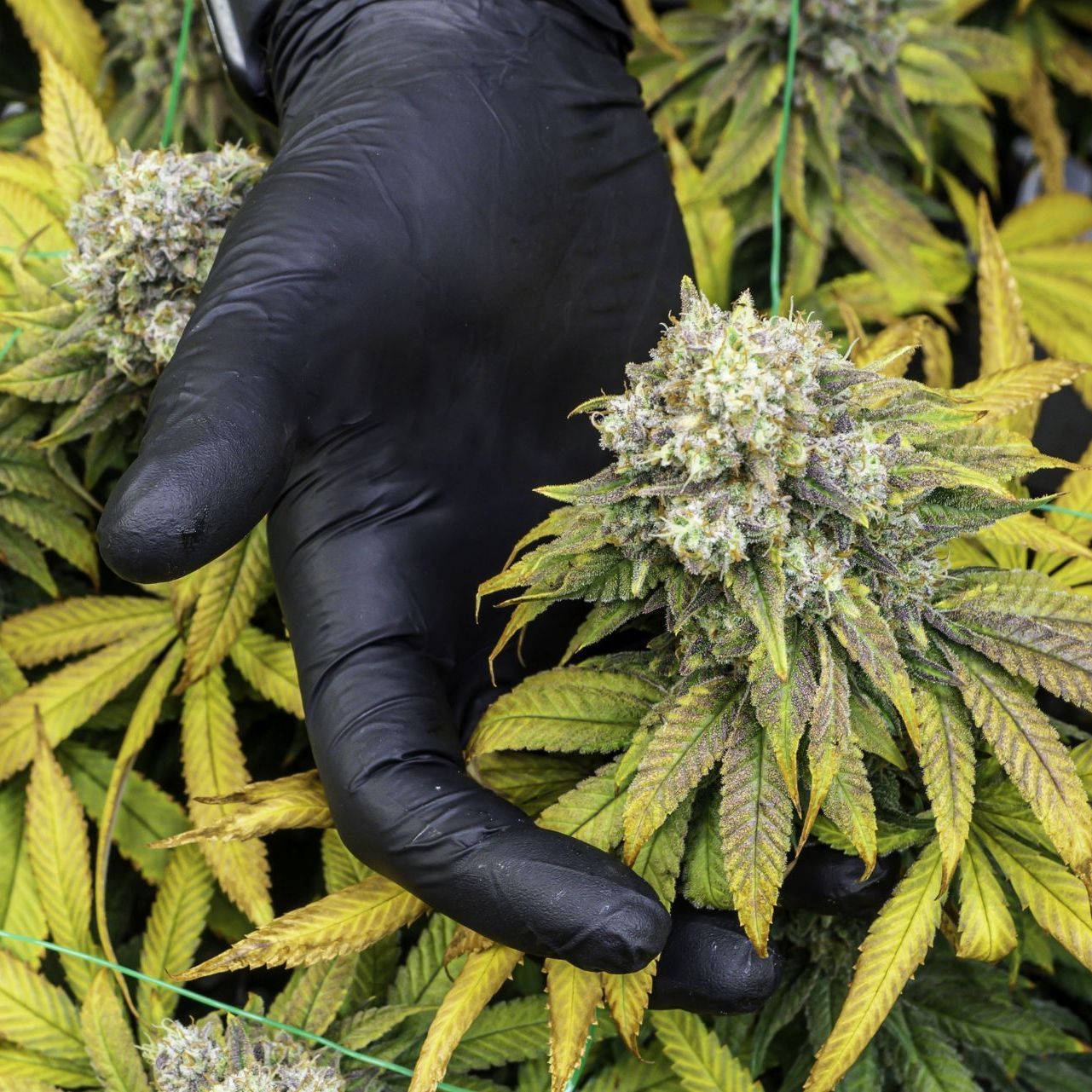
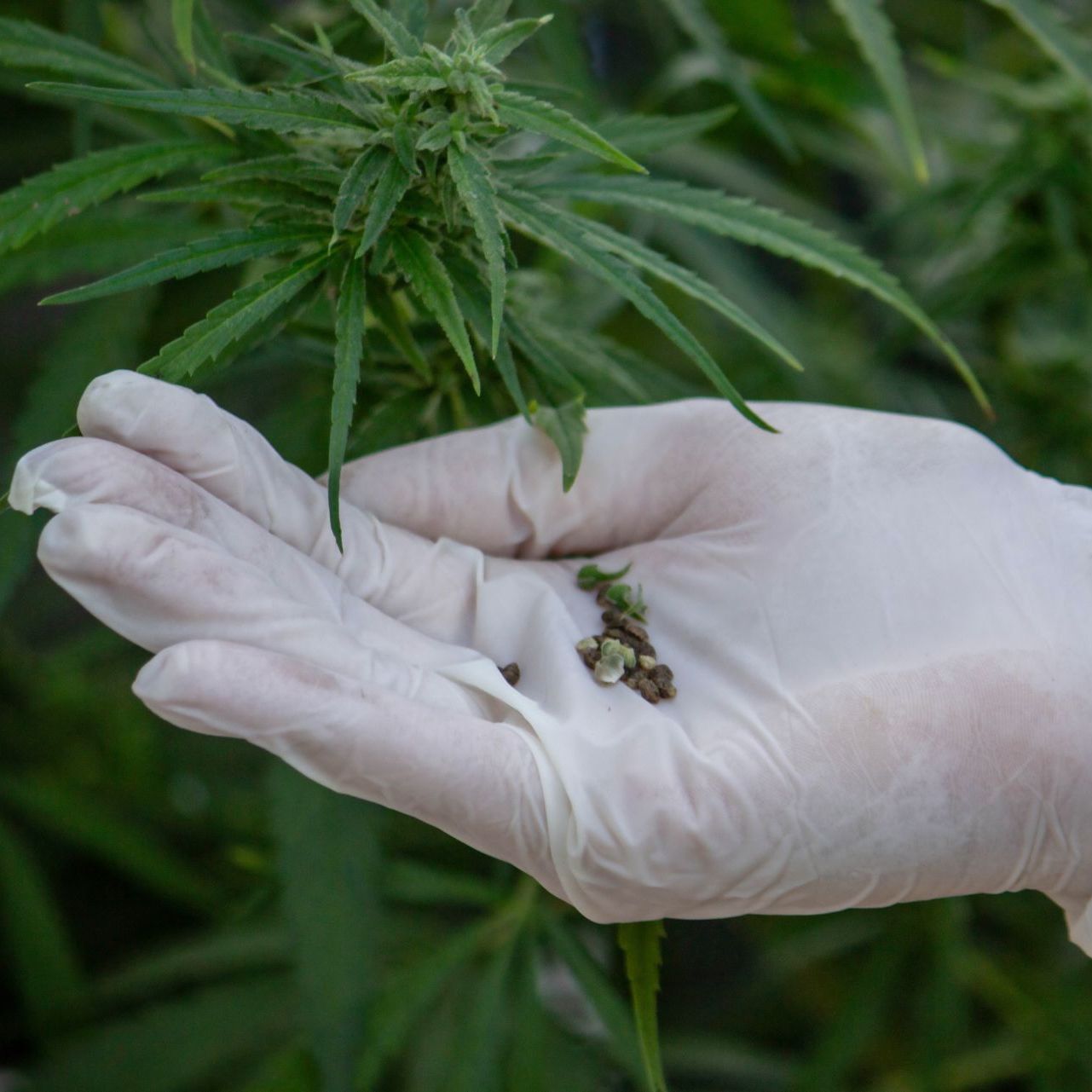
Serving the Cannabis Supply Chain
We cover licensed operators at every stage.

OUR BLOGS
Resources for Cannabis Business Owners
Stay informed and protected with our latest posts.
COMMON QUESTIONS
Cannabis Insurance Made Clear
Answers to the questions we hear most from cannabis business owners.
What types of insurance do you offer for cannabis businesses?
We offer commercial property, general liability, product liability, crop insurance, workers’ compensation, and cyber liability tailored to cannabis operations. These policies address the most common risks, such as crop loss, product claims, and facility damage.
Our agents will help you match the right coverage to your business type and scale, whether you're a dispensary, grower, processor, or distributor.
Why is specialized cannabis insurance necessary?
Standard business policies often exclude cannabis-related activities, which leaves significant exposure gaps. Cannabis-specific insurance covers unique industry risks like product recalls, crop theft, and regulatory compliance.
Having the right policy also satisfies licensing, leasing, and vendor requirements, allowing your business to operate legally and securely.
How does your agency ensure compliance with state regulations?
Many states require proof of specific insurance types before issuing or renewing cannabis licenses. We stay up-to-date on regulatory changes and ensure your policies meet state and local mandates.
That means you avoid surprises during audits or inspections and maintain good standing with licensing authorities.
How fast can I get a quote and bind coverage?
Request a quote and you’ll typically receive a custom proposal within 24 hours. Once you review and accept it, coverage can often be bound the same day, so your business isn’t left exposed.
We streamline documentation and communication to make setup fast and clear—no confusing forms or delays.
Do you support multi-state cannabis businesses?
Yes. We are licensed to operate in 36 states, including major cannabis markets. Whether you’re operating in one state or across several, we can design policies that address your regulatory and risk needs.
As you expand, our team adjusts your coverage accordingly—keeping your protection consistent across state lines.
What should I consider when selecting cannabis insurance?
Begin by identifying your key exposures—crop value, product inventory, employee safety, or cyber data. From there, choose coverage that aligns with these risks instead of opting for a basic or low-cost solution.
Also, look for a provider with cannabis expertise and responsive claims support—this experience helps during actual loss events.
Contact Us
Phone
Address