Iowa Hydroponic Farm Business Insurance
See How We're Different
or call us: (215) 653-8411
Iowa's hydroponic farming sector has grown substantially over the past decade, with controlled environment agriculture operations expanding across the state from Des Moines to Cedar Rapids. Yet many operators discover their standard farm insurance policies contain gaps that leave expensive growing systems, specialized equipment, and year-round crop production vulnerable. Traditional agricultural coverage was designed for field crops and livestock, not vertical farms or greenhouse operations running nutrient film technique systems. Understanding how to properly insure your Iowa hydroponic operation requires recognizing that you're running a hybrid business: part agriculture, part manufacturing, part technology company. The insurance products protecting your investment need to reflect that complexity. A single equipment failure during an Iowa winter can destroy an entire crop cycle worth tens of thousands of dollars, while liability exposures from food safety incidents can threaten your entire operation. This guide walks through the specific coverage types Iowa hydroponic businesses need, the regulatory requirements you must meet, and how to work with specialists who understand controlled environment agriculture. Whether you're operating a small vertical farm supplying local restaurants or a large-scale greenhouse producing leafy greens for regional distribution, getting your insurance right protects both your investment and your livelihood.
Understanding the Iowa Hydroponic Risk Landscape
Iowa presents a unique combination of challenges for hydroponic operations that differ significantly from traditional farming risks. Your insurance strategy must account for the state's extreme weather patterns, the technical complexity of controlled environment systems, and the year-round production schedules that make downtime particularly costly.
State-Specific Weather and Environmental Factors
Iowa's climate creates distinct insurance considerations for hydroponic operators. Winter temperatures regularly drop below zero, placing enormous stress on heating systems and creating catastrophic loss potential if climate control fails. Summer storms bring hail, high winds, and occasional tornadoes that can destroy greenhouse structures in minutes. The state averages 50 thunderstorm days annually, with severe weather concentrated between April and August.
Flooding represents another significant concern, particularly for operations in river valleys or low-lying areas. The 2019 Missouri River floods demonstrated how quickly water damage can devastate agricultural businesses. Your property coverage needs to specifically address flood risk, as standard policies typically exclude it.
Controlled Environment Agriculture (CEA) Vulnerabilities
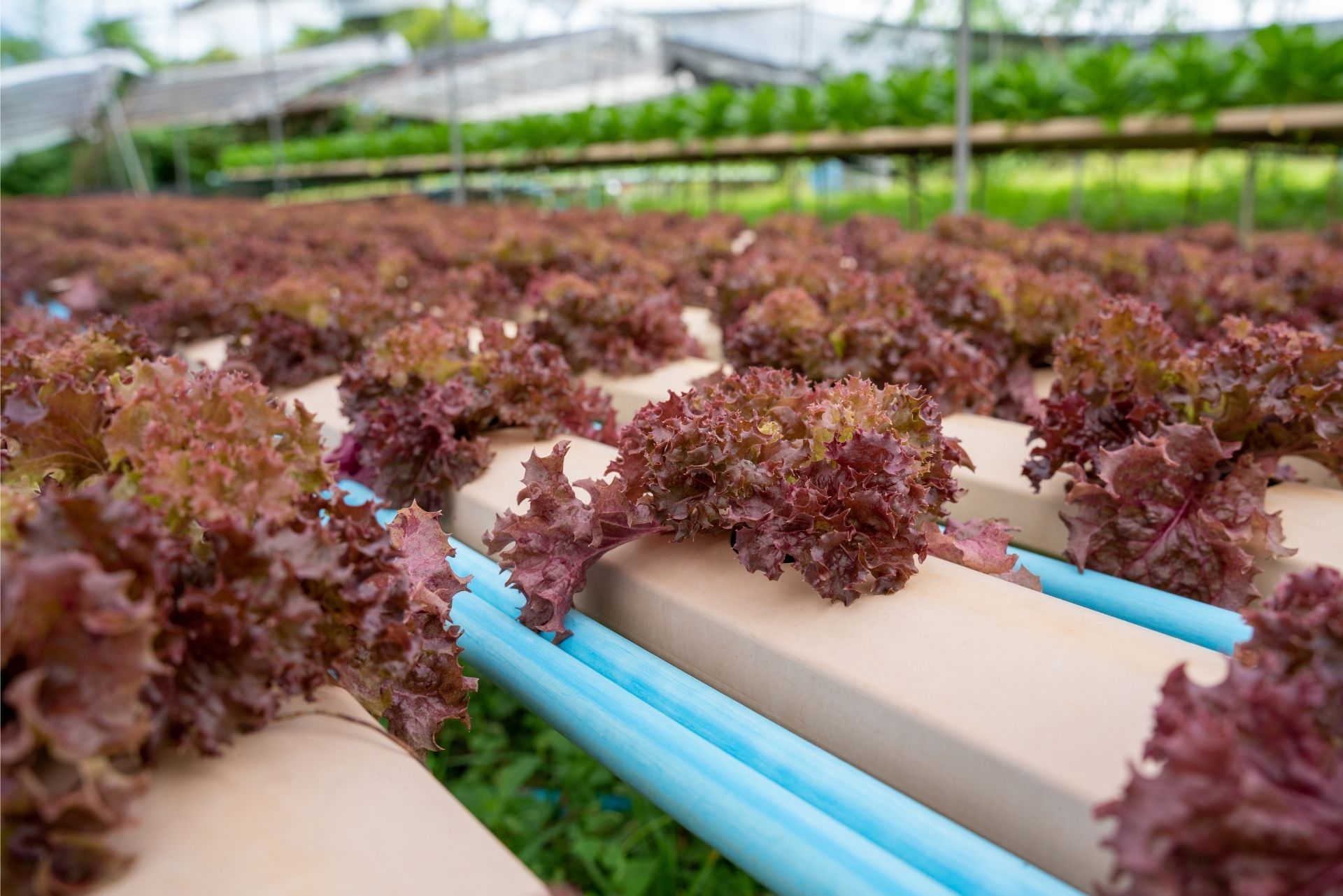
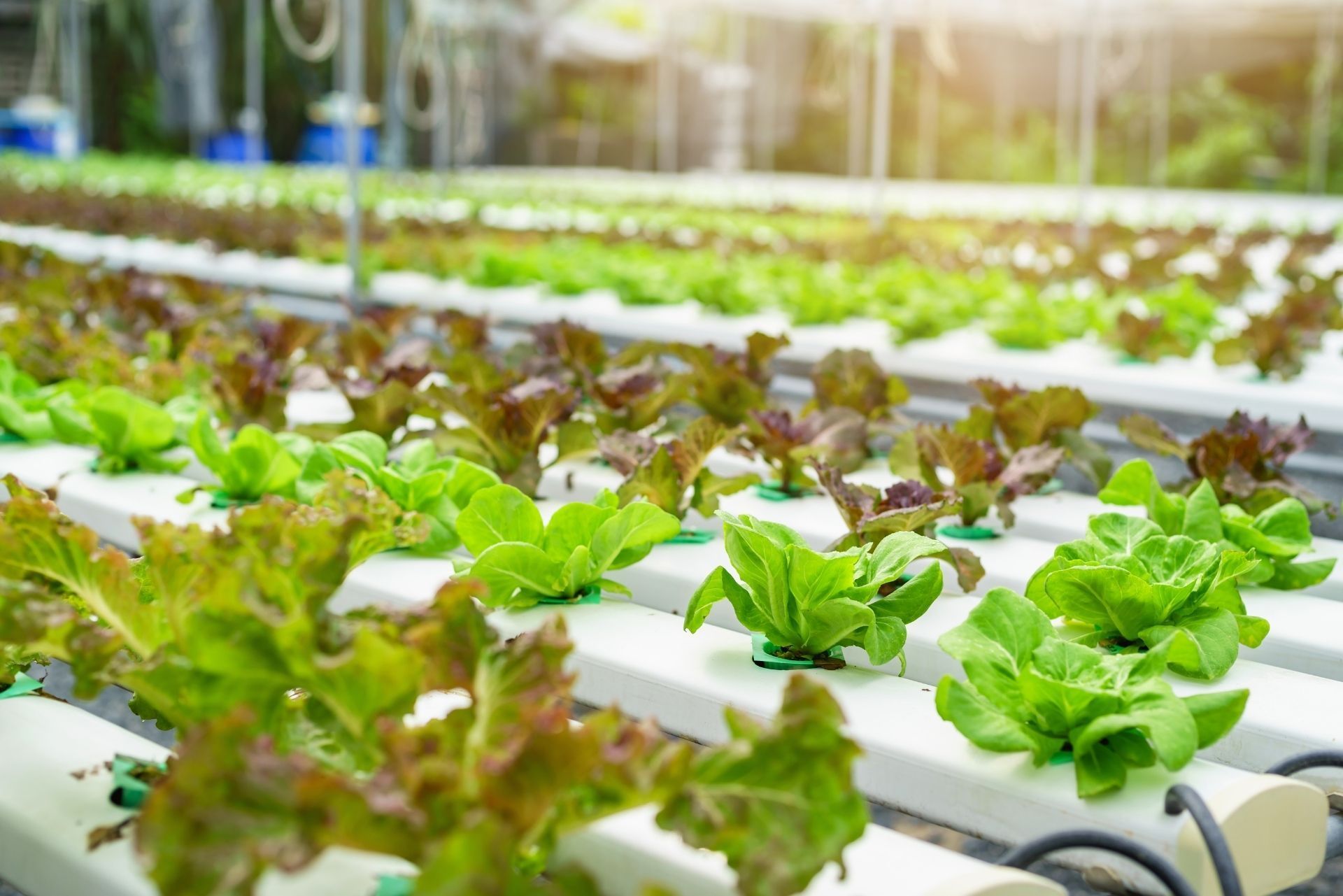
Hydroponic systems face risks that traditional farms simply don't encounter. A power outage lasting more than a few hours can kill temperature-sensitive crops. Pump failures stop nutrient delivery, causing rapid plant decline. HVAC malfunctions during extreme weather create total loss scenarios.
These technical dependencies mean your operation runs 24/7/365, with no off-season and no recovery time between growing cycles. When something fails, losses compound quickly. Standard agricultural policies rarely account for the interconnected nature of CEA systems, where one component failure triggers cascading damage throughout your operation.
TruePath Insurance is fully licensed and authorized to provide comprehensive insurance solutions across multiple states.
We proudly serve individuals and businesses nationwide, offering access to trusted regional and national carriers. Our goal is to help clients find reliable, affordable coverage that aligns with their goals—whether for personal protection, business stability, or long-term financial security.
Essential Property and Equipment Coverage
Property coverage for hydroponic operations must go beyond standard building insurance to address the specialized nature of your growing infrastructure, equipment, and inventory.
Protecting Greenhouse Structures and Vertical Systems
Your physical structures require coverage that reflects their actual replacement cost, not depreciated values. Greenhouse glazing, whether glass or polycarbonate, carries specific replacement costs that generic building coverage often undervalues. Vertical farming racks, growing towers, and support structures represent substantial investments that need itemized coverage.
Policy language matters here. Ensure your coverage addresses the specific construction materials used in your facility. Some insurers classify greenhouse structures differently than standard buildings, affecting both coverage limits and premium calculations. Get written confirmation that your policy covers the full replacement cost of specialized growing infrastructure.
Equipment Breakdown and Nutrient Delivery Failure
Standard property policies typically exclude mechanical breakdown, leaving a critical gap for hydroponic operations. Equipment breakdown coverage, sometimes called boiler and machinery insurance, specifically addresses failures in:
- Climate control systems including HVAC, heating, and cooling
- Pumps, filters, and nutrient delivery equipment
- Electrical systems and backup generators
- Lighting systems including LED grow lights
- Monitoring and automation equipment
This coverage pays for both equipment repair or replacement and the resulting crop losses. Given that a single circulation pump failure can destroy weeks of production, equipment breakdown coverage often proves more valuable than property coverage for day-to-day risk management.
Crop Loss and Spoilage Protection
Crop insurance for hydroponic operations differs fundamentally from traditional agricultural crop coverage. Federal crop insurance programs don't cover most hydroponic crops, leaving you dependent on commercial coverage options.
Spoilage coverage protects against crop losses from covered equipment failures, power outages, and contamination events. Your policy should specify coverage triggers, valuation methods for crops at various growth stages, and any waiting periods before coverage activates. Some policies cover only mature crops ready for harvest, while others protect plants throughout their growth cycle.
Liability Insurance for Hydroponic Operations
Liability exposures for hydroponic farms extend beyond standard agricultural risks to include food safety concerns, environmental issues, and product liability.
General Liability and Product Safety
General liability coverage protects against third-party bodily injury and property damage claims. For hydroponic operations, this includes visitors injured on your property, delivery drivers, and customers at farmers markets or on-site retail locations.
Product liability coverage addresses claims arising from your produce. If someone becomes ill from contaminated lettuce traced to your operation, product liability responds to medical costs, legal defense, and potential settlements. Food safety incidents, while rare in well-managed hydroponic operations, can generate claims exceeding $1 million.
| Coverage Type | What It Protects | Typical Limits |
|---|---|---|
| General Liability | Visitor injuries, property damage | $1M per occurrence |
| Product Liability | Foodborne illness claims | $1M-$2M per occurrence |
| Completed Operations | Post-sale product claims | Included with product liability |
| Equipment Breakdown | Advertising injury, defamation | $1M per occurrence |
Pollution and Nutrient Runoff Liability
Hydroponic operations handle concentrated nutrients, pH adjusters, and cleaning chemicals that create pollution liability exposures. Nutrient-rich wastewater discharge can trigger environmental claims, particularly if runoff affects neighboring properties or enters waterways.
Standard liability policies typically exclude pollution claims. You'll need pollution liability coverage or an endorsement specifically addressing nutrient management and chemical handling. Iowa's Department of Natural Resources has authority over agricultural discharges, and violations can result in both regulatory penalties and private lawsuits.
Iowa Regulatory Compliance and Workers' Compensation
Iowa law requires workers' compensation coverage for most agricultural employers, though exemptions exist for small operations. If you employ workers outside your immediate family, you likely need coverage. Agricultural workers face injury rates exceeding most other industries, and hydroponic operations present specific hazards including ladder falls, chemical exposure, and repetitive motion injuries.
Workers' compensation costs vary based on job classifications and your claims history. Hydroponic workers may be classified differently than traditional farm labor, affecting your premium calculations. Working with an agent familiar with agricultural classifications helps ensure you're paying appropriate rates.
Iowa also requires compliance with food safety regulations if you're selling produce commercially. Your insurance program should align with these requirements, as policy exclusions sometimes conflict with regulatory obligations. Good Agricultural Practices certification and food safety plan documentation can both reduce insurance costs and demonstrate regulatory compliance.
Business Interruption and Supply Chain Resilience
Business interruption coverage replaces lost income when covered events force you to halt production. For hydroponic operations with continuous production cycles and perishable inventory, even short interruptions create substantial losses.
Your policy should cover:
- Lost revenue during the interruption period
- Continuing expenses like loan payments, leases, and utilities
- Extra expenses to resume operations quickly
- Extended period of restoration for gradual recovery
Supply chain disruptions deserve specific attention. If your seed supplier, nutrient provider, or equipment vendor experiences problems, your operation may suffer even without direct damage. Contingent business interruption coverage addresses these upstream and downstream dependencies.
Calculate your business interruption needs carefully. Most hydroponic operations need coverage for at least 90 days of lost income, plus the time required to replant and bring new crops to harvest. Underinsuring this coverage represents one of the most common and costly mistakes hydroponic operators make.
Customizing Your Policy for Iowa Agricultural Success
Generic agricultural policies rarely fit hydroponic operations without substantial modification. Building an appropriate insurance program requires accurate valuations, specialized expertise, and ongoing policy management.
Valuing Specialized Hydroponic Inventory
Crop valuation in hydroponic systems presents challenges that adjusters unfamiliar with CEA may not handle well. Your crops gain value continuously throughout their growth cycle, unlike field crops valued primarily at harvest. Establish clear valuation methods in your policy that account for:
- Seeds and starter plants at cost
- Growing crops at production cost plus proportional expected profit
- Harvest-ready crops at market value
- Specialty varieties at their actual market premium
Document your production costs, market prices, and growth timelines. This documentation proves invaluable during claims, when disagreements about crop values can significantly affect settlements.
Working with Agribusiness Insurance Specialists
Standard insurance agents often lack experience with controlled environment agriculture. Seek out agents or brokers specializing in agribusiness who understand hydroponic operations, CEA-specific risks, and the coverage products addressing them.
Ask potential agents about their experience with hydroponic claims, their carrier relationships for agricultural specialty coverage, and their understanding of Iowa's regulatory environment. The right specialist can identify coverage gaps, negotiate appropriate terms, and advocate effectively during claims.
Frequently Asked Questions
Does federal crop insurance cover hydroponic produce? Most hydroponic crops aren't eligible for federal crop insurance programs. You'll need commercial crop coverage from private insurers specializing in controlled environment agriculture.
How much does hydroponic farm insurance cost in Iowa? Premiums vary widely based on facility size, equipment values, crop types, and coverage limits. Expect to pay between $3,000 and $15,000 annually for small to mid-sized operations, with larger facilities paying substantially more.
Can I add hydroponic coverage to my existing farm policy? Sometimes, but standard farm policies often exclude or inadequately cover CEA operations. A standalone commercial policy or specialized agricultural program typically provides better protection.
What happens if my backup generator fails during a power outage? Equipment breakdown coverage addresses generator failures. If the failure causes crop losses, both the equipment repair and resulting spoilage should be covered under a properly structured policy.
Do I need separate pollution coverage for nutrient runoff? Yes. Standard liability policies exclude pollution claims. You need specific pollution liability coverage or an endorsement addressing your chemical and nutrient handling exposures.
Making the Right Insurance Decision
Protecting your Iowa hydroponic operation requires insurance that matches your actual risks, not generic agricultural coverage designed for field crops. Start by documenting your equipment values, production costs, and revenue projections. Identify your specific vulnerabilities, from Iowa's severe weather to your technical system dependencies.
Work with specialists who understand both hydroponic agriculture and Iowa's regulatory environment. Request quotes from multiple carriers, comparing not just premiums but coverage terms, exclusions, and claims handling reputation. The lowest premium rarely delivers the best protection.
Review your coverage annually as your operation grows and changes. Equipment upgrades, facility expansions, and new market channels all affect your insurance needs. A policy that fit your operation two years ago may leave dangerous gaps today.
WHO WE HELP
Serving the Cannabis Supply Chain
We cover licensed operators at every stage.

OUR BLOGS
Resources for Cannabis Business Owners
Stay informed and protected with our latest posts.
COMMON QUESTIONS
Cannabis Insurance Made Clear
Answers to the questions we hear most from cannabis business owners.
What types of insurance do you offer for cannabis businesses?
We offer commercial property, general liability, product liability, crop insurance, workers’ compensation, and cyber liability tailored to cannabis operations. These policies address the most common risks, such as crop loss, product claims, and facility damage.
Our agents will help you match the right coverage to your business type and scale, whether you're a dispensary, grower, processor, or distributor.
Why is specialized cannabis insurance necessary?
Standard business policies often exclude cannabis-related activities, which leaves significant exposure gaps. Cannabis-specific insurance covers unique industry risks like product recalls, crop theft, and regulatory compliance.
Having the right policy also satisfies licensing, leasing, and vendor requirements, allowing your business to operate legally and securely.
How does your agency ensure compliance with state regulations?
Many states require proof of specific insurance types before issuing or renewing cannabis licenses. We stay up-to-date on regulatory changes and ensure your policies meet state and local mandates.
That means you avoid surprises during audits or inspections and maintain good standing with licensing authorities.
How fast can I get a quote and bind coverage?
Request a quote and you’ll typically receive a custom proposal within 24 hours. Once you review and accept it, coverage can often be bound the same day, so your business isn’t left exposed.
We streamline documentation and communication to make setup fast and clear—no confusing forms or delays.
Do you support multi-state cannabis businesses?
Yes. We are licensed to operate in 36 states, including major cannabis markets. Whether you’re operating in one state or across several, we can design policies that address your regulatory and risk needs.
As you expand, our team adjusts your coverage accordingly—keeping your protection consistent across state lines.
What should I consider when selecting cannabis insurance?
Begin by identifying your key exposures—crop value, product inventory, employee safety, or cyber data. From there, choose coverage that aligns with these risks instead of opting for a basic or low-cost solution.
Also, look for a provider with cannabis expertise and responsive claims support—this experience helps during actual loss events.
Contact Us
Phone
Address