Georgia Hydroponic Farm Business Insurance
See How We're Different
or call us: (215) 653-8411
A single power outage during a Georgia summer can devastate a hydroponic operation in hours. Your lettuce wilts, your nutrient solutions stagnate, and thousands of dollars in living inventory perish before the lights come back on. Traditional farm insurance policies weren't designed for this reality. They assume crops grow in soil, face weather-related risks, and follow seasonal cycles. Your hydroponic operation defies these assumptions at every turn.
Georgia's hydroponic farming sector continues expanding as growers recognize the state's favorable climate for year-round controlled environment agriculture. Yet many operators discover too late that their insurance coverage contains gaps wide enough to sink their business. The equipment alone in a mid-sized hydroponic facility can exceed $500,000, and standard property policies often exclude or undervalue specialized growing systems.
Understanding insurance coverage for hydroponic farm businesses in Georgia requires recognizing how these operations differ from conventional agriculture. You're running a technology-dependent manufacturing facility that happens to produce food. Your risks span electrical failures, contamination events, equipment breakdowns, and supply chain disruptions that traditional farm policies simply don't address. The average hydroponics farm spends between $400 and $1,500 annually for $1 million in general liability coverage, but liability represents just one piece of a comprehensive protection strategy.
Core Property and Equipment Protections for Indoor Growers
Your facility houses equipment that most insurance adjusters have never seen. Standard property policies categorize assets using outdated agricultural definitions, leaving critical systems underinsured or excluded entirely.
Insuring Hydroponic Systems and Greenhouse Structures
Greenhouse structures require specialized valuation methods. A commercial hydroponic greenhouse isn't comparable to a storage barn or equipment shed. The glazing materials, climate control integration, and structural modifications for growing systems create replacement costs that generic agricultural coverage underestimates significantly.
Wexford Insurance offers greenhouse and nursery business insurance in Georgia, including property coverage specifically designed for these unique structures. Your policy should account for the growing benches, irrigation infrastructure, and environmental control systems integrated into the building itself. Many growers make the mistake of insuring only the structure while leaving the permanent fixtures undervalued.
Coverage for Specialized Lighting and Climate Control Systems
LED grow lights, HVAC systems, and environmental controllers represent substantial investments that depreciate differently than standard farm equipment. A replacement cost endorsement ensures you receive funds to purchase equivalent modern equipment rather than depreciated value for obsolete technology.
Climate control failures cascade rapidly in hydroponic environments. Your policy should specifically list these systems and their replacement values. Document your equipment thoroughly with photographs, serial numbers, and purchase records. When filing claims, this documentation prevents disputes over equipment specifications and values.
Equipment Breakdown Coverage for Nutrient Delivery Pumps
Standard property insurance covers damage from external causes like fire or storms. Equipment breakdown coverage, sometimes called mechanical breakdown insurance, protects against internal failures. When your nutrient dosing pump's motor burns out or your reservoir circulation system fails mechanically, this coverage responds.
Pumps, sensors, and automated systems experience wear that leads to sudden failures. Without equipment breakdown coverage, you're self-insuring these risks. Given that a single pump failure can contaminate an entire crop, this coverage often pays for itself after one incident.
TruePath Insurance is fully licensed and authorized to provide comprehensive insurance solutions across multiple states.
We proudly serve individuals and businesses nationwide, offering access to trusted regional and national carriers. Our goal is to help clients find reliable, affordable coverage that aligns with their goals—whether for personal protection, business stability, or long-term financial security.
Liability Risks Specific to Georgia Agricultural Operations
Georgia's agricultural liability landscape presents unique challenges for hydroponic growers. Your operation likely combines farming activities with retail sales, tours, and direct-to-consumer distribution.
General Liability for On-Farm Sales and Tours
Many hydroponic operations supplement income through farm tours, educational programs, or on-site retail sales. Each visitor represents potential liability exposure. A customer slips on a wet floor near your growing area, a child touches equipment they shouldn't, or a tour participant has an allergic reaction to airborne plant matter.
General liability coverage protects against these third-party bodily injury and property damage claims. The Brownlee Agency in Southwest Georgia offers agribusiness insurance specifically for nursery and greenhouse operations, including coverage for hydroponic and aquaponic growers. Your policy limits should reflect your visitor traffic and the activities you permit on your property.
Product Liability for Contamination and Foodborne Illness
Product liability coverage becomes essential when you sell produce. A contamination event traced to your facility could generate claims from dozens or hundreds of consumers. E. coli, Listeria, or Salmonella outbreaks linked to leafy greens have resulted in multi-million dollar settlements for conventional farms.
Your product liability policy should cover recall expenses, legal defense costs, and settlement payments. Consider the full distribution chain for your products. If you sell to restaurants or grocery stores, their customers become potential claimants. Coverage limits of $1 million to $2 million represent minimum thresholds for operations with significant distribution.
Crop Insurance and Revenue Protection Strategies
Federal crop insurance programs have limited applicability to hydroponic operations. You'll need alternative strategies to protect your living inventory and revenue streams.
Protecting Against Power Outages and System Failures
Georgia experiences severe weather that disrupts power for extended periods. Your crops can't survive without circulation, climate control, and lighting. Generator backup provides operational protection, but insurance addresses the financial consequences when systems fail despite your precautions.
Business interruption coverage, discussed later, addresses lost income. Crop-specific coverage protects the value of plants destroyed by covered events. Some policies offer "growing crop" endorsements that value plants at their projected harvest value rather than current development stage.
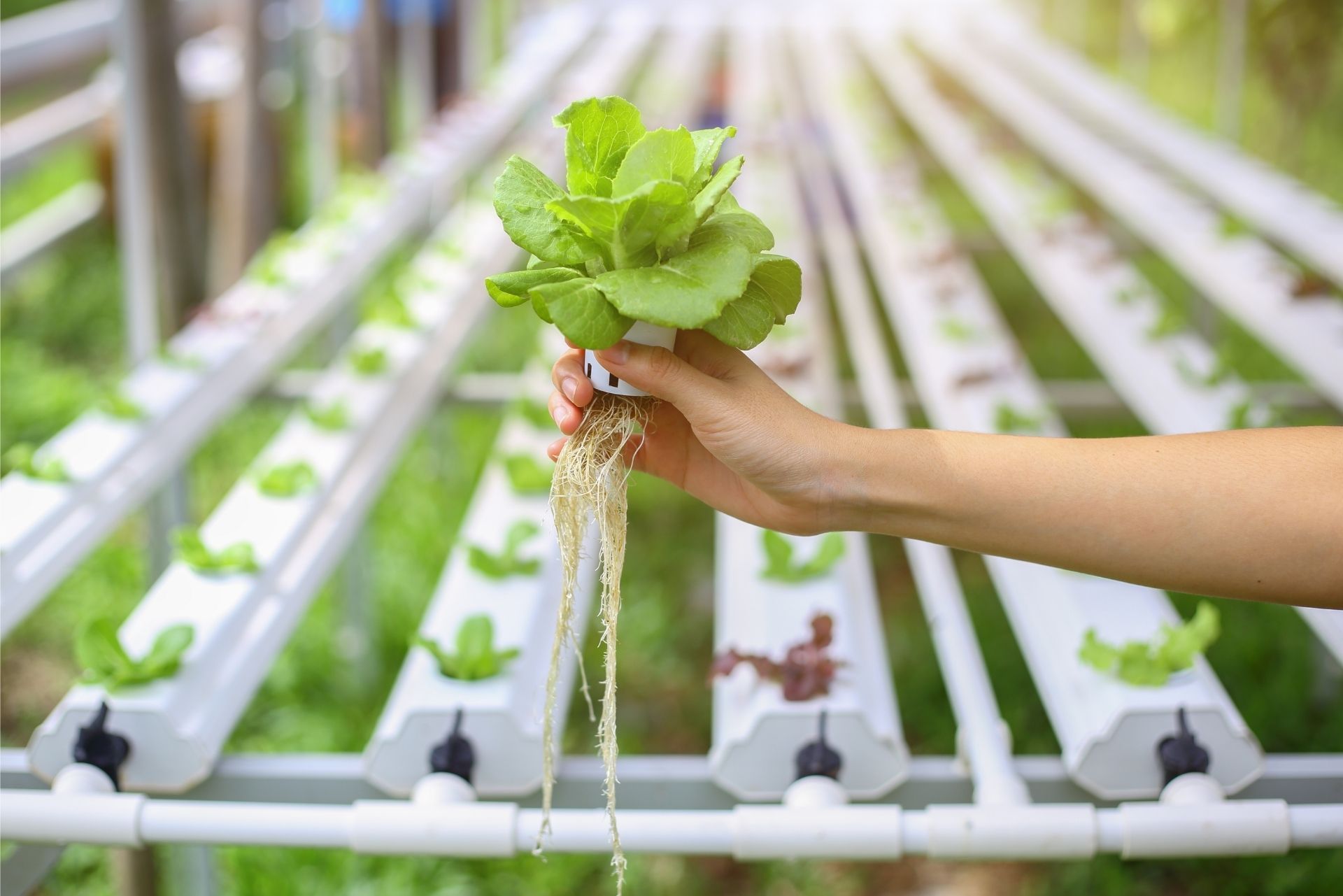
Valuing Living Plant Inventory at Different Growth Stages
A tray of lettuce seedlings costs far less to replace than mature heads ready for harvest. Your insurance should reflect this value progression. Work with your agent to establish valuation schedules that account for growth stages, variety differences, and market pricing fluctuations.
Document your inventory regularly. Photograph growing areas, maintain planting records, and track market prices for your products. This documentation proves invaluable when substantiating claims for crop losses.
| Growth Stage | Typical Value Basis | Documentation Needed |
|---|---|---|
| Seedling | Seed cost plus labor | Planting records, receipts |
| Vegetative | Input costs to date | Growing logs, utility bills |
| Near Harvest | Market value | Sales contracts, price records |
| Harvest Ready | Full market price | Buyer agreements, invoices |
Georgia-Specific Workforce and Regulatory Coverage
Georgia's employment laws and environmental regulations create compliance requirements that translate into insurance needs.
Workers' Compensation Requirements for Farm Labor
Georgia requires workers' compensation coverage for agricultural employers with three or more regular employees. The definition of "regular" creates complexity for operations with seasonal fluctuations. Even if you believe you're exempt, carrying workers' compensation coverage protects against employee injury claims that could otherwise threaten your personal assets.
Jack Bradley Agency offers farm insurance tailored to diverse farm operations throughout Georgia, including workers' compensation solutions for agricultural employers. Hydroponic operations often face classification challenges because the work environment differs significantly from field agriculture. Ensure your policy reflects the actual tasks your employees perform.
Environmental Liability for Nutrient Solution Disposal
Nutrient solutions contain concentrated fertilizers that require proper disposal. Improper discharge can contaminate groundwater or surface water, triggering regulatory enforcement and cleanup requirements. Environmental liability coverage addresses these risks.
Georgia's Environmental Protection Division enforces discharge regulations that apply to agricultural operations. Your liability coverage should include pollution provisions that respond to nutrient runoff incidents. Standard general liability policies often exclude pollution events, requiring separate environmental coverage.
Business Interruption and Supply Chain Resiliency
Revenue protection extends beyond crop insurance to address the operational disruptions that prevent you from generating income.
Recovering Lost Income Following Property Damage
Business interruption insurance replaces lost income when covered property damage forces you to halt operations. If a fire destroys your growing facility, this coverage pays your ongoing expenses and lost profits during the rebuilding period.
Calculate your coverage needs based on your revenue, fixed costs, and realistic recovery timeline. A hydroponic facility may require six months or longer to rebuild and return to full production. Ensure your policy's coverage period extends long enough to reach operational recovery.
Inland Marine Coverage for Transporting Fresh Produce
Your products face risks during transportation that neither your property policy nor your buyer's coverage addresses. Inland marine insurance protects goods in transit, covering losses from accidents, theft, or temperature control failures during delivery.
If you deliver directly to restaurants, farmers markets, or distribution centers, this coverage fills a critical gap. Refrigerated transport adds complexity because temperature excursions can destroy an entire shipment without any visible damage to the vehicle.
Customizing Your Hydroponic Insurance Portfolio
Building comprehensive coverage requires working with agents who understand controlled environment agriculture. Georgia Grown maintains a directory of members specializing in agricultural insurance who can guide you through policy options specific to your operation.
Start by conducting a thorough risk assessment. Walk through your facility identifying every asset, every process, and every interaction with employees, customers, and the public. Each element represents potential exposure that your insurance portfolio should address.
Request quotes from multiple carriers and compare coverage terms carefully. The cheapest premium often reflects the narrowest coverage. Pay attention to exclusions, deductibles, and coverage limits rather than focusing solely on price.
Frequently Asked Questions
Does standard farm insurance cover hydroponic equipment? Most standard farm policies undervalue or exclude specialized hydroponic systems. You'll likely need endorsements or separate policies for growing equipment, climate control systems, and automated technology.
What liability limits should a hydroponic farm carry? Operations selling directly to consumers or through retail channels should carry minimum limits of $1 million per occurrence. Those supplying restaurants or grocery chains may need $2 million or higher.
Are hydroponic crops eligible for federal crop insurance? Federal programs have limited applicability to controlled environment agriculture. Private market solutions and specialty crop endorsements offer better protection for hydroponic inventory.
How do I prove crop value for insurance claims? Maintain detailed planting records, growing logs, sales contracts, and market price documentation. Photograph your growing areas regularly to establish inventory levels.
Does workers' compensation apply to small hydroponic operations? Georgia requires coverage for agricultural employers with three or more regular employees. Even smaller operations benefit from voluntary coverage to protect against employee injury claims.
Review your current policies against the risks outlined here. Most hydroponic growers discover significant gaps when they examine coverage closely. Schedule consultations with agricultural insurance specialists who understand controlled environment operations. The investment in proper coverage protects not just your equipment and crops, but the business you've worked to build.
WHO WE HELP
Serving the Cannabis Supply Chain
We cover licensed operators at every stage.
OUR BLOGS
Resources for Cannabis Business Owners
Stay informed and protected with our latest posts.
COMMON QUESTIONS
Cannabis Insurance Made Clear
Answers to the questions we hear most from cannabis business owners.
What types of insurance do you offer for cannabis businesses?
We offer commercial property, general liability, product liability, crop insurance, workers’ compensation, and cyber liability tailored to cannabis operations. These policies address the most common risks, such as crop loss, product claims, and facility damage.
Our agents will help you match the right coverage to your business type and scale, whether you're a dispensary, grower, processor, or distributor.
Why is specialized cannabis insurance necessary?
Standard business policies often exclude cannabis-related activities, which leaves significant exposure gaps. Cannabis-specific insurance covers unique industry risks like product recalls, crop theft, and regulatory compliance.
Having the right policy also satisfies licensing, leasing, and vendor requirements, allowing your business to operate legally and securely.
How does your agency ensure compliance with state regulations?
Many states require proof of specific insurance types before issuing or renewing cannabis licenses. We stay up-to-date on regulatory changes and ensure your policies meet state and local mandates.
That means you avoid surprises during audits or inspections and maintain good standing with licensing authorities.
How fast can I get a quote and bind coverage?
Request a quote and you’ll typically receive a custom proposal within 24 hours. Once you review and accept it, coverage can often be bound the same day, so your business isn’t left exposed.
We streamline documentation and communication to make setup fast and clear—no confusing forms or delays.
Do you support multi-state cannabis businesses?
Yes. We are licensed to operate in 36 states, including major cannabis markets. Whether you’re operating in one state or across several, we can design policies that address your regulatory and risk needs.
As you expand, our team adjusts your coverage accordingly—keeping your protection consistent across state lines.
What should I consider when selecting cannabis insurance?
Begin by identifying your key exposures—crop value, product inventory, employee safety, or cyber data. From there, choose coverage that aligns with these risks instead of opting for a basic or low-cost solution.
Also, look for a provider with cannabis expertise and responsive claims support—this experience helps during actual loss events.
Contact Us
Phone
Address