Virginia Hydroponic Farm Business Insurance
See How We're Different
or call us: (215) 653-8411
Running a hydroponic farm in Virginia means managing risks that traditional agriculture never faced. Your climate-controlled growing environment eliminates weather concerns but introduces equipment failures, power outages, and technology vulnerabilities that can devastate crops within hours. Virginia's agricultural regulations add another layer of complexity, with specific requirements for indoor farming operations that differ significantly from conventional farms. Understanding the insurance and compliance landscape for hydroponic operations isn't optional: it's essential for protecting your investment in an industry where monthly operating costs for a 1-hectare operation can reach $75,500. The Commonwealth has positioned itself as a leader in controlled environment agriculture, and this growth brings both opportunity and responsibility. You'll need coverage that addresses everything from nutrient system failures to cyber attacks on automated growing systems. This guide walks you through the specific policies, permits, and compliance requirements that Virginia hydroponic farm operators must understand to build a sustainable business.
Core Insurance Policies for Virginia Hydroponic Operations
Your insurance portfolio needs to address risks unique to controlled environment agriculture while meeting Virginia's business requirements. Standard farm policies often fall short because they're designed for outdoor operations with different risk profiles.
General Liability and Product Safety Coverage
General liability insurance protects your operation when third parties suffer injury or property damage on your premises or from your products. For Virginia hydroponic farms, this coverage becomes critical when you're selling directly to consumers, restaurants, or grocery stores. Average premiums in Virginia run about $40 monthly for basic coverage, though hydroponic operations typically pay more due to specialized risks.
Product liability deserves special attention. If contaminated produce causes illness, you're facing potential lawsuits that could bankrupt your operation. Your policy should specifically cover food-related claims and include adequate limits for recall expenses.
Crop Insurance for Controlled Environment Agriculture
Traditional crop insurance through the USDA's Federal Crop Insurance Corporation doesn't always fit hydroponic operations. Your crops grow year-round in controlled conditions, which changes the risk calculation entirely. Private insurers offer specialized policies for CEA operations that cover crop loss from equipment failure, contamination, or disease outbreaks.
Expect to document your growing protocols thoroughly. Insurers want to see your environmental controls, backup systems, and standard operating procedures before providing coverage.
Commercial Property and Equipment Breakdown Insurance
Your growing systems represent significant capital investment. Pumps, LED lighting, climate control systems, and nutrient delivery equipment all require protection beyond standard property coverage. Equipment breakdown insurance covers mechanical and electrical failures that property insurance typically excludes.
Consider the replacement timeline for specialized equipment. If your main circulation pump fails, can you source a replacement locally, or are you looking at weeks of downtime waiting for parts? Your coverage limits should account for both equipment costs and the business interruption that follows.
TruePath Insurance is fully licensed and authorized to provide comprehensive insurance solutions across multiple states.
We proudly serve individuals and businesses nationwide, offering access to trusted regional and national carriers. Our goal is to help clients find reliable, affordable coverage that aligns with their goals—whether for personal protection, business stability, or long-term financial security.
Virginia's regulatory framework for indoor farming continues evolving as the industry grows. The Commonwealth's leadership in CEA policy has become a catalyst for capital investment, but this means staying current with changing requirements.
VDACS Requirements for Indoor Farming
The Virginia Department of Agriculture and Consumer Services oversees agricultural operations including hydroponic farms. You'll need to register your operation and may require specific licenses depending on what you grow and how you sell it.
If you're using any pest control products, insurance requirements become more stringent. Virginia mandates minimum coverage of $100,000 for property damage, $100,000 for personal injury, and $300,000 per occurrence for pesticide-related activities. Even organic-approved pest control products may trigger these requirements.
Water Usage Permits and Nutrient Management Plans
Hydroponic systems use significantly less water than field agriculture, but you still need proper permits for your water source. Virginia's Department of Environmental Quality regulates groundwater withdrawals and may require permits depending on your daily usage.
Nutrient management plans address how you handle waste water and spent nutrient solutions. Even though hydroponic systems recirculate water efficiently, you'll eventually need to dispose of nutrient-rich solutions properly. Your
compliance documentation should detail your disposal methods and any treatment processes you use.
Specialized Risks in Hydroponic Systems
Controlled environment agriculture introduces risks that most insurance agents rarely encounter. You'll need to educate your broker about these exposures to ensure adequate coverage.
System Failure and Spoilage Coverage
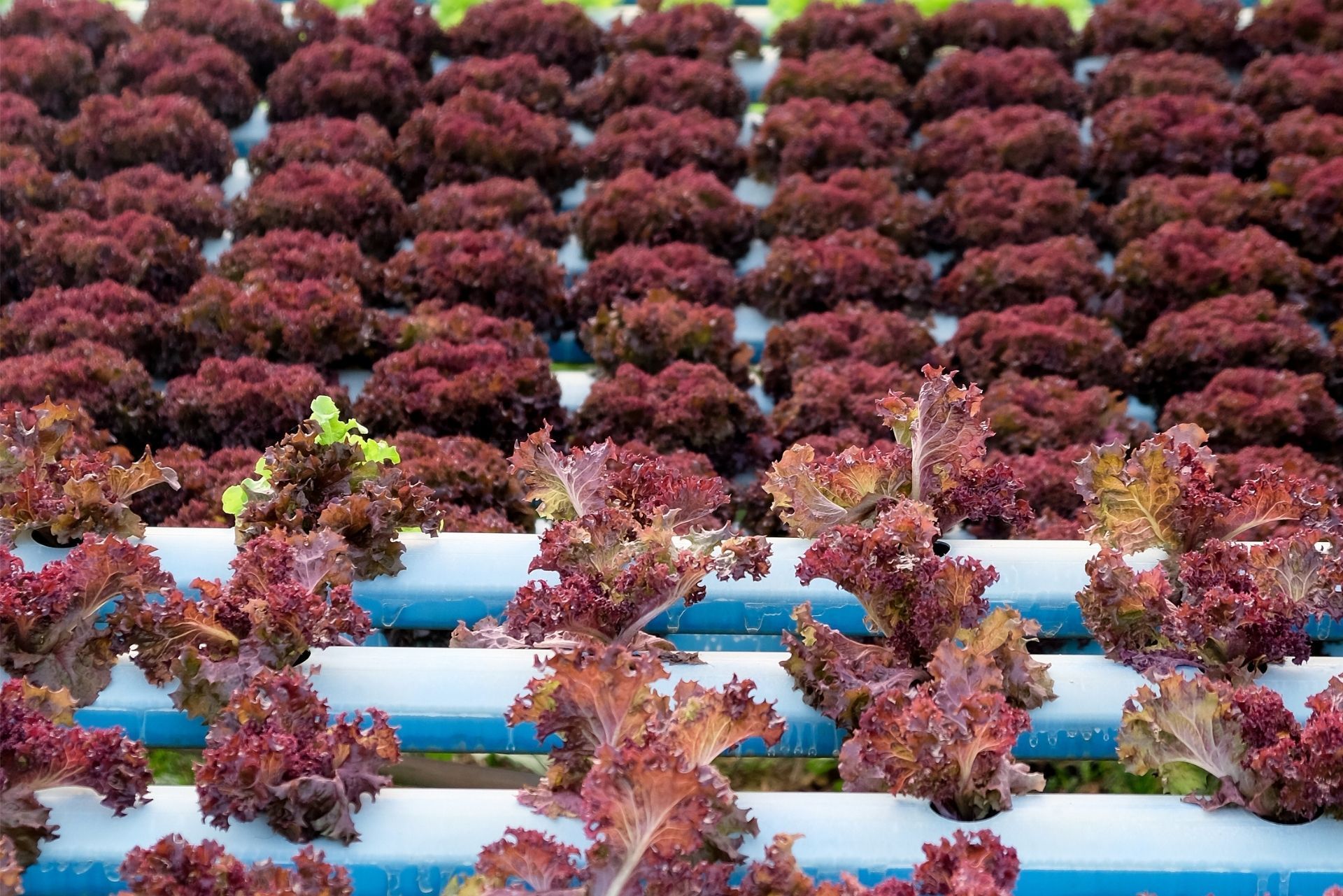
A single pump failure can destroy an entire crop within 24 hours. Spoilage coverage specifically addresses losses from equipment breakdown, power failure, or environmental control failures. Standard property policies often exclude or severely limit spoilage claims.
Your policy should cover the full value of crops at various growth stages. A batch of lettuce three weeks from harvest represents more value than seedlings just transplanted. Work with your insurer to establish valuation methods that reflect actual losses.
Cyber Liability for Automated Growing Systems
Modern hydroponic operations rely on networked sensors, automated controls, and cloud-based monitoring systems. These technologies create cyber vulnerabilities that didn't exist in traditional farming. A ransomware attack on your environmental controls could devastate crops before you regain system access.
Cyber liability insurance covers costs associated with data breaches, system restoration, and business interruption from cyber events. Given that
the global hydroponics market is projected to reach $31.78 billion by 2030, expect cyber criminals to increasingly target this growing industry.
Virginia Labor Laws and Workers' Compensation
Employment regulations apply to hydroponic farms just as they do to any Virginia business. Understanding your obligations prevents costly penalties and protects your workers.
Mandatory Coverage Thresholds for Virginia Employers
Virginia law requires workers' compensation insurance for businesses with two or more employees. This threshold includes part-time workers, so even seasonal help during harvest periods can trigger the requirement.
| Coverage Type | Requirement | Typical Cost Factors |
|---|---|---|
| Workers' Compensation | Mandatory with 2+ employees | Payroll, job classifications |
| General Liability | Recommended for all | Revenue, square footage |
| Product Liability | Essential for food sales | Sales volume, distribution channels |
| Equipment Breakdown | Highly recommended | Equipment value, age |
Agricultural operations sometimes qualify for exemptions, but indoor hydroponic farms often don't meet the criteria. Consult with an insurance professional familiar with Virginia agricultural law to determine your specific obligations.
Safety Training and OSHA Compliance for Indoor Farms
OSHA regulations apply to hydroponic operations, particularly regarding chemical handling, electrical safety, and confined space entry. Your workers handle nutrient solutions, work around high-voltage lighting systems, and may enter enclosed growing areas with limited ventilation.
Documented safety training programs serve two purposes: they protect your workers and demonstrate due diligence if claims arise. Keep records of all training sessions, safety meetings, and equipment certifications.
Food Safety Compliance and Liability Protection
Food safety compliance directly impacts your insurance costs and coverage availability. Demonstrating strong food safety practices makes your operation more insurable and reduces premium costs.
FSMA Standards for Hydroponic Growers
The Food Safety Modernization Act establishes preventive control requirements for produce operations. Hydroponic farms must implement food safety plans that address potential hazards throughout the growing and handling process.
Your FSMA compliance documentation should cover water quality testing, worker hygiene protocols, and sanitation procedures. Insurers increasingly request this documentation before providing coverage, particularly for operations selling to grocery chains or food service distributors.
GAP Certification and Its Impact on Insurance Premiums
Good Agricultural Practices certification demonstrates your commitment to food safety through third-party audits. Many insurers offer premium discounts for GAP-certified operations because certification reduces the likelihood of contamination claims.
The certification process requires investment in documentation and possibly facility upgrades, but the benefits extend beyond insurance savings. Many wholesale buyers require GAP certification, so the investment opens market opportunities while reducing your risk profile.
Steps to Securing a Comprehensive Protection Plan
Building adequate coverage for your Virginia hydroponic operation requires working with professionals who understand both agriculture and controlled environment systems. Start by documenting your operation thoroughly: equipment lists, growing protocols, food safety plans, and financial projections.
Request quotes from multiple insurers, including those specializing in agricultural risks. Standard commercial insurers often can't adequately price hydroponic risks because they lack experience with CEA operations. Agricultural insurance specialists understand the unique exposures and can structure coverage appropriately.
Review your policies annually as your operation grows. Adding new growing systems, expanding production capacity, or entering new markets all change your risk profile. Your coverage should evolve alongside your business.
Frequently Asked Questions
Does Virginia require specific insurance for hydroponic farms? Virginia doesn't mandate farm-specific insurance, but workers' compensation becomes required once you employ two or more people. Pesticide application activities trigger additional coverage requirements.
Can I use standard farm insurance for my hydroponic operation? Standard farm policies often exclude or inadequately cover hydroponic risks. You'll likely need specialized coverage for equipment breakdown, spoilage, and controlled environment-specific exposures.
How does GAP certification affect my insurance costs? Many insurers offer 5-15% premium discounts for GAP-certified operations due to reduced food safety risks. The certification also opens wholesale market opportunities.
What coverage limits should I carry for product liability? Most hydroponic operations should carry at least $1 million per occurrence with $2 million aggregate limits. Operations selling to large retailers may need higher limits based on contract requirements.
Are cyber attacks on growing systems covered by standard policies? No. Cyber liability requires separate coverage. Standard property and liability policies typically exclude cyber-related losses entirely.
Virginia's hydroponic industry offers significant growth potential, but realizing that potential requires protecting your investment properly. Start by assessing your current coverage gaps, then work with an insurance professional who understands controlled environment agriculture. The right coverage structure protects your operation from the unique risks of indoor farming while keeping you compliant with Virginia's regulatory requirements. Don't wait for a claim to discover your policy doesn't cover hydroponic-specific losses: review your coverage now and make adjustments before problems arise.
WHO WE HELP
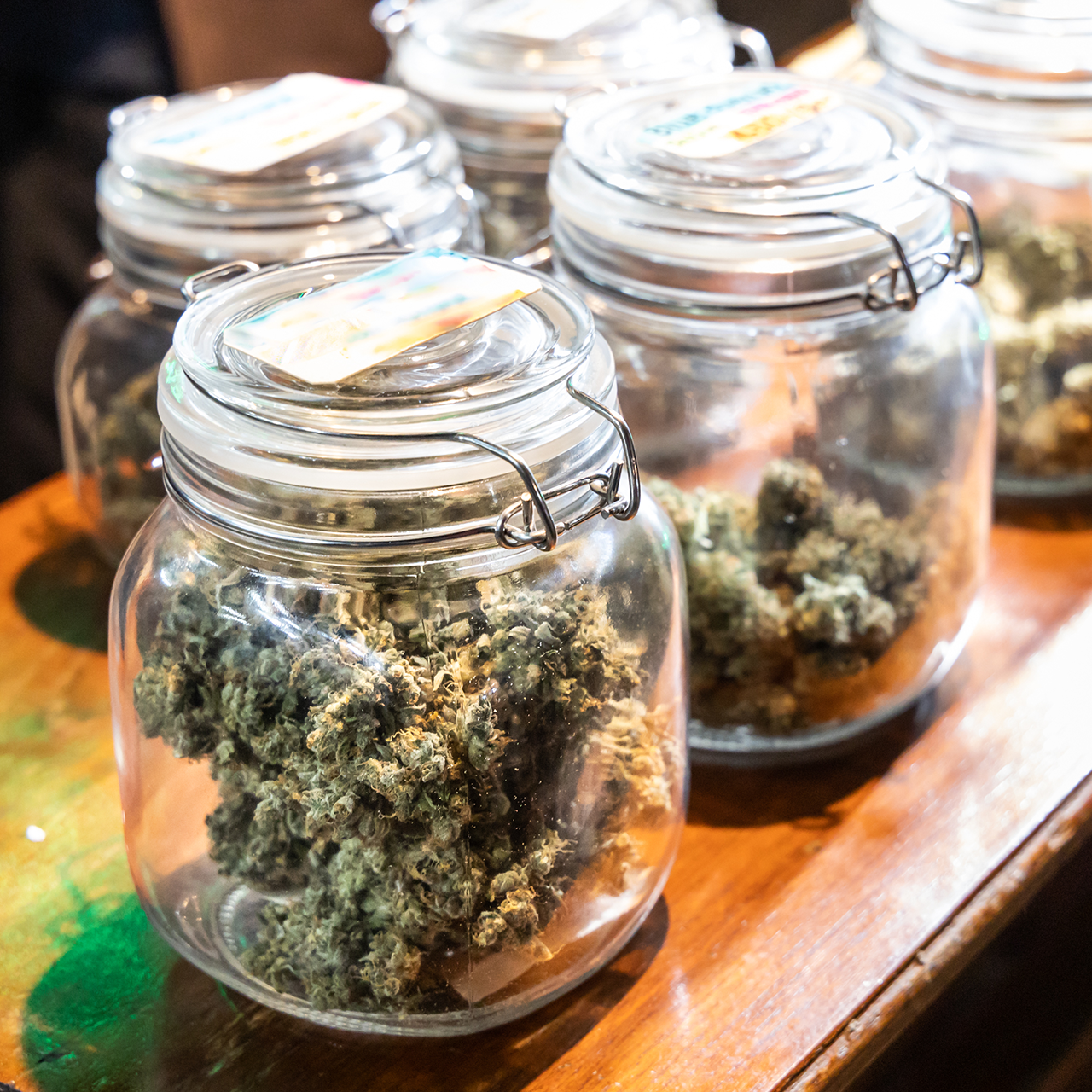
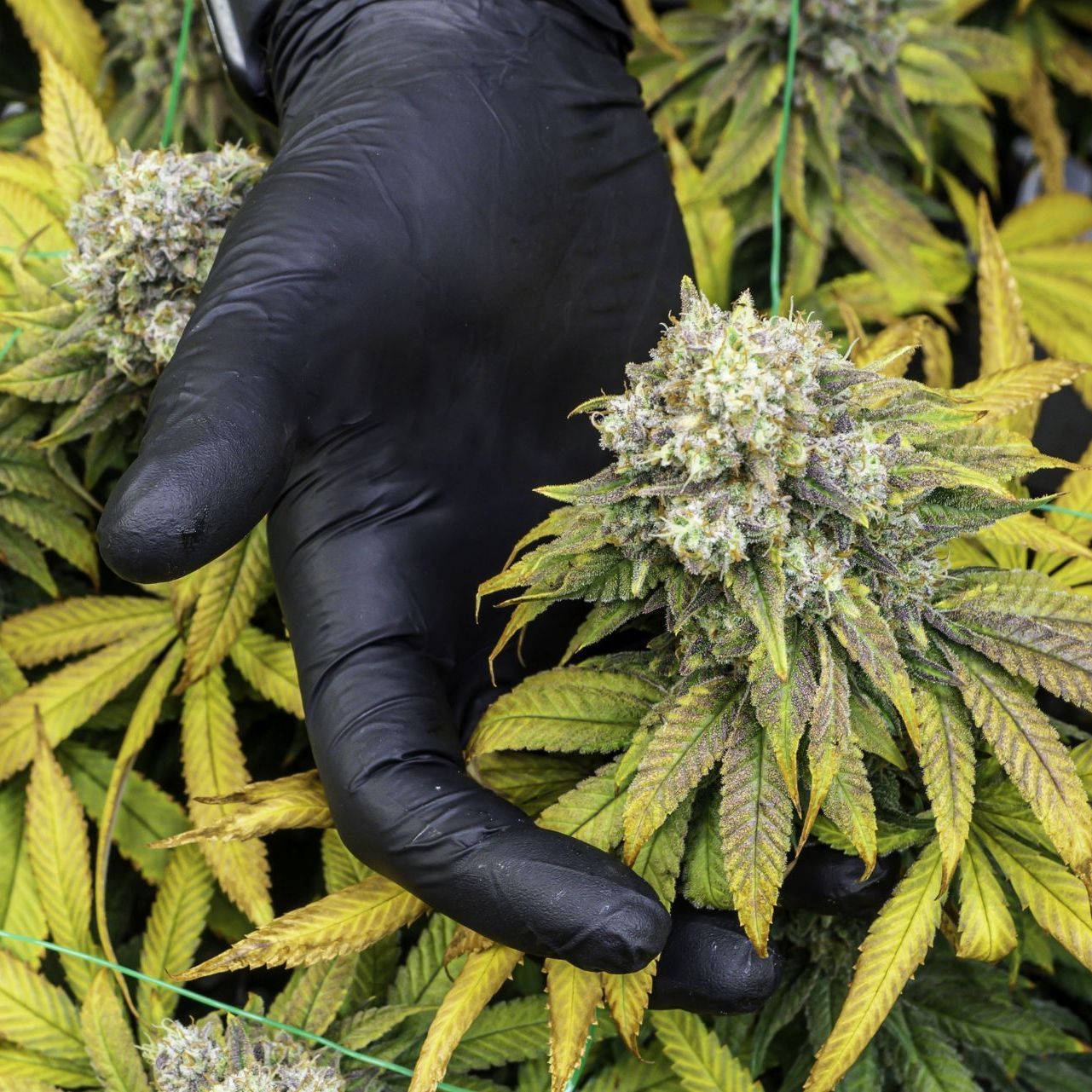
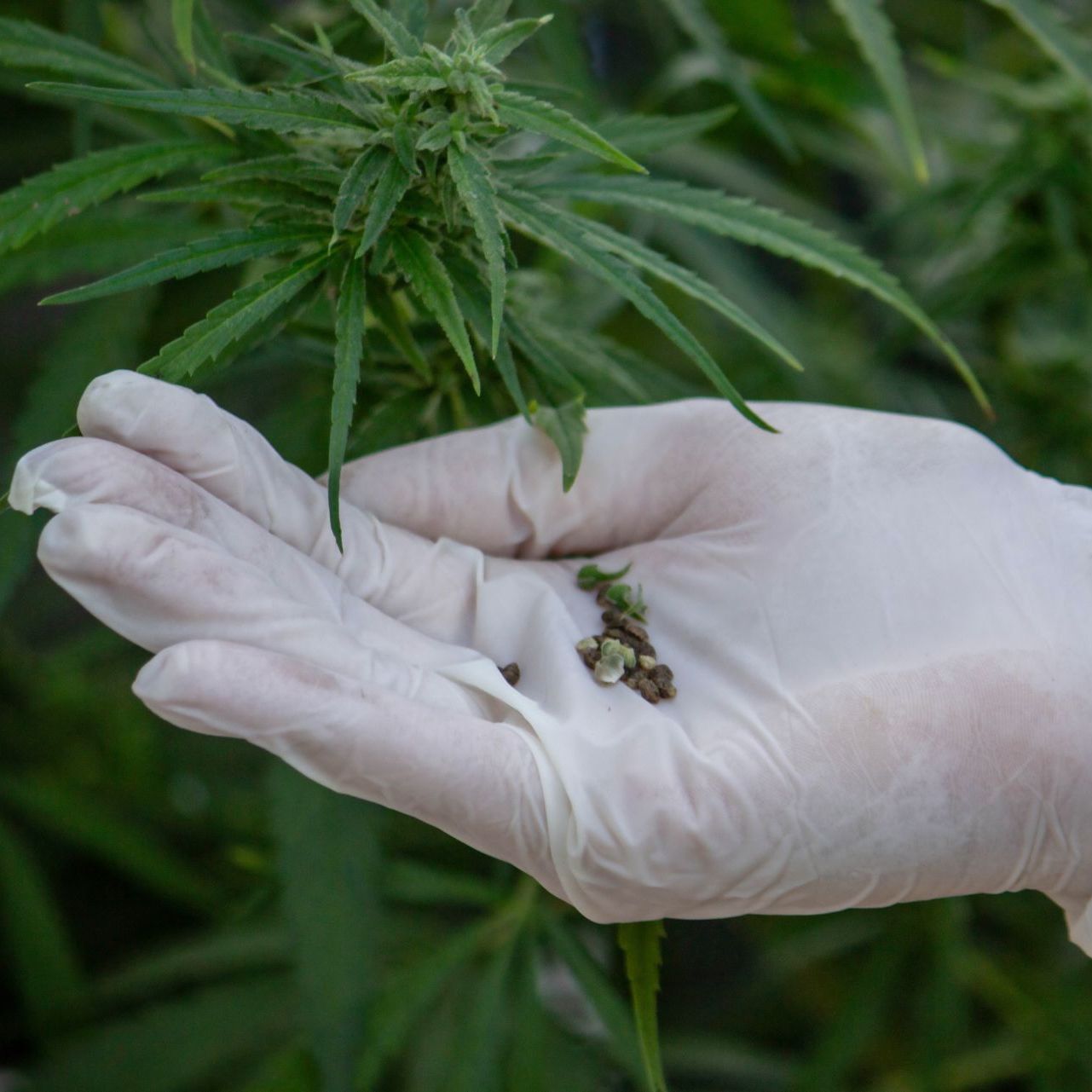
Serving the Cannabis Supply Chain
We cover licensed operators at every stage.
OUR BLOGS
Resources for Cannabis Business Owners
Stay informed and protected with our latest posts.
COMMON QUESTIONS
Cannabis Insurance Made Clear
Answers to the questions we hear most from cannabis business owners.
What types of insurance do you offer for cannabis businesses?
We offer commercial property, general liability, product liability, crop insurance, workers’ compensation, and cyber liability tailored to cannabis operations. These policies address the most common risks, such as crop loss, product claims, and facility damage.
Our agents will help you match the right coverage to your business type and scale, whether you're a dispensary, grower, processor, or distributor.
Why is specialized cannabis insurance necessary?
Standard business policies often exclude cannabis-related activities, which leaves significant exposure gaps. Cannabis-specific insurance covers unique industry risks like product recalls, crop theft, and regulatory compliance.
Having the right policy also satisfies licensing, leasing, and vendor requirements, allowing your business to operate legally and securely.
How does your agency ensure compliance with state regulations?
Many states require proof of specific insurance types before issuing or renewing cannabis licenses. We stay up-to-date on regulatory changes and ensure your policies meet state and local mandates.
That means you avoid surprises during audits or inspections and maintain good standing with licensing authorities.
How fast can I get a quote and bind coverage?
Request a quote and you’ll typically receive a custom proposal within 24 hours. Once you review and accept it, coverage can often be bound the same day, so your business isn’t left exposed.
We streamline documentation and communication to make setup fast and clear—no confusing forms or delays.
Do you support multi-state cannabis businesses?
Yes. We are licensed to operate in 36 states, including major cannabis markets. Whether you’re operating in one state or across several, we can design policies that address your regulatory and risk needs.
As you expand, our team adjusts your coverage accordingly—keeping your protection consistent across state lines.
What should I consider when selecting cannabis insurance?
Begin by identifying your key exposures—crop value, product inventory, employee safety, or cyber data. From there, choose coverage that aligns with these risks instead of opting for a basic or low-cost solution.
Also, look for a provider with cannabis expertise and responsive claims support—this experience helps during actual loss events.
Contact Us
Phone
Address