Alabama's medical cannabis market opened in 2023, and dispensary owners face a reality that traditional retailers never encounter: securing insurance coverage for a federally prohibited substance. The Alabama Medical Cannabis Commission has established strict requirements, but understanding what's mandatory versus what's genuinely protective for your business requires careful attention. This Alabama medical dispensary insurance coverage guide breaks down every policy type you'll need, from the state-mandated minimums to the specialized protections that could save your operation after a product recall or employee lawsuit.
Your dispensary license represents a significant investment, often exceeding $500,000 when you factor in application fees, facility buildout, and initial inventory. A single uninsured incident could wipe out that investment overnight. The challenge isn't just finding coverage; it's finding insurers willing to write policies for cannabis businesses and understanding which coverage gaps could leave you exposed despite having insurance. Alabama's regulations add another layer of complexity, with specific bonding requirements and liability thresholds that differ from other states.
The AMCC doesn't leave insurance decisions entirely to dispensary owners. Your license application and renewal depend on meeting specific financial security requirements that demonstrate your ability to operate responsibly and compensate parties harmed by your business activities.
Mandatory Surety Bond Standards
Alabama requires dispensary licensees to maintain a surety bond of at least $100,000. This bond protects the state and consumers if your dispensary fails to comply with regulations, pay required fees, or fulfill contractual obligations. The bond isn't insurance for your benefit; it's a guarantee that you'll operate according to state rules.
Securing a surety bond for a cannabis business typically costs between 2% and 10% of the bond amount annually, depending on your credit history and business financials. Most traditional surety companies won't touch cannabis, so you'll work with specialized brokers who've developed relationships with cannabis-friendly underwriters. Expect thorough financial scrutiny during the application process.
Minimum Liability Coverage Thresholds
The AMCC mandates minimum liability insurance of $1 million per occurrence and $2 million aggregate. These figures represent the floor, not the ceiling, of what your dispensary needs. Many landlords and business partners require higher limits before they'll work with you.
Your insurance certificates must name the AMCC as an additional insured party, and you're required to notify the commission within 10 days if your coverage lapses or is canceled. A coverage gap, even brief, can trigger license suspension.
TruePath Insurance is fully licensed and authorized to provide comprehensive insurance solutions across multiple states.
We proudly serve individuals and businesses nationwide, offering access to trusted regional and national carriers. Our goal is to help clients find reliable, affordable coverage that aligns with their goals—whether for personal protection, business stability, or long-term financial security.
Essential General and Professional Liability for Dispensaries
General liability forms the foundation of your insurance program, covering the everyday risks of operating a retail location. Professional liability addresses the unique advisory role dispensary staff play in helping patients select appropriate products.
Premises Liability and Slip-and-Fall Protection
Your dispensary welcomes patients who may have mobility issues, chronic pain conditions, or other health challenges that increase fall risk. A wet floor, uneven threshold, or poorly lit parking lot creates liability exposure that standard general liability policies address.
Coverage typically includes medical payments for injured parties, legal defense costs, and settlements or judgments. Most cannabis-specific policies provide $1 million per occurrence with $2 million aggregate limits, though you can purchase higher limits through umbrella policies. Document your safety protocols and maintain incident reports meticulously; insurers review these records when evaluating claims.
Professional Liability for Medical Cannabis Consultants
Your staff provides guidance on product selection, dosing, and consumption methods. When a patient experiences an adverse reaction after following staff recommendations, professional liability coverage responds. This differs from product liability because it covers the advice given, not the product itself.
Alabama requires dispensary employees to complete training programs, but training doesn't eliminate liability when recommendations go wrong. Professional liability policies for cannabis consultants typically cost $2,000 to $5,000 annually and cover defense costs even for frivolous claims.

Product Liability and Consumer Safety Risks
Every product on your shelves carries inherent risk. Despite testing requirements and quality controls, contamination, mislabeling, and adverse reactions happen. Product liability insurance protects your dispensary when they do.
Mitigating Risks of Mislabeling and Contamination
Alabama's testing requirements catch most contamination issues before products reach consumers, but no system is perfect. Mold, pesticide residue, heavy metals, and incorrect potency labeling have all triggered product liability claims in other states.
Your exposure extends beyond products you manufacture. As a retailer, you can be named in lawsuits even when the cultivator or processor bears primary responsibility. Product liability coverage ensures you have resources to mount a defense and satisfy judgments. Policies typically range from $1 million to $5 million in coverage, with premiums based on your sales volume and product mix.
Coverage for Product Recalls and Withdrawals
Product recalls create immediate financial strain. You've paid for inventory you can't sell, and you may face costs for customer notification, return logistics, and disposal. Recall insurance covers these expenses and can include crisis management support to protect your reputation.
The AMCC can mandate recalls, and you're required to comply immediately. Without recall coverage, you absorb the full cost of removing products from your shelves and compensating customers. Recall policies typically cover the product's wholesale cost, notification expenses, and third-party logistics fees.
Protecting Physical Assets and Inventory
Your dispensary's physical assets represent substantial capital investment. Commercial property insurance protects your building, fixtures, equipment, and inventory against damage or loss.
Commercial Property Insurance for Retail Locations
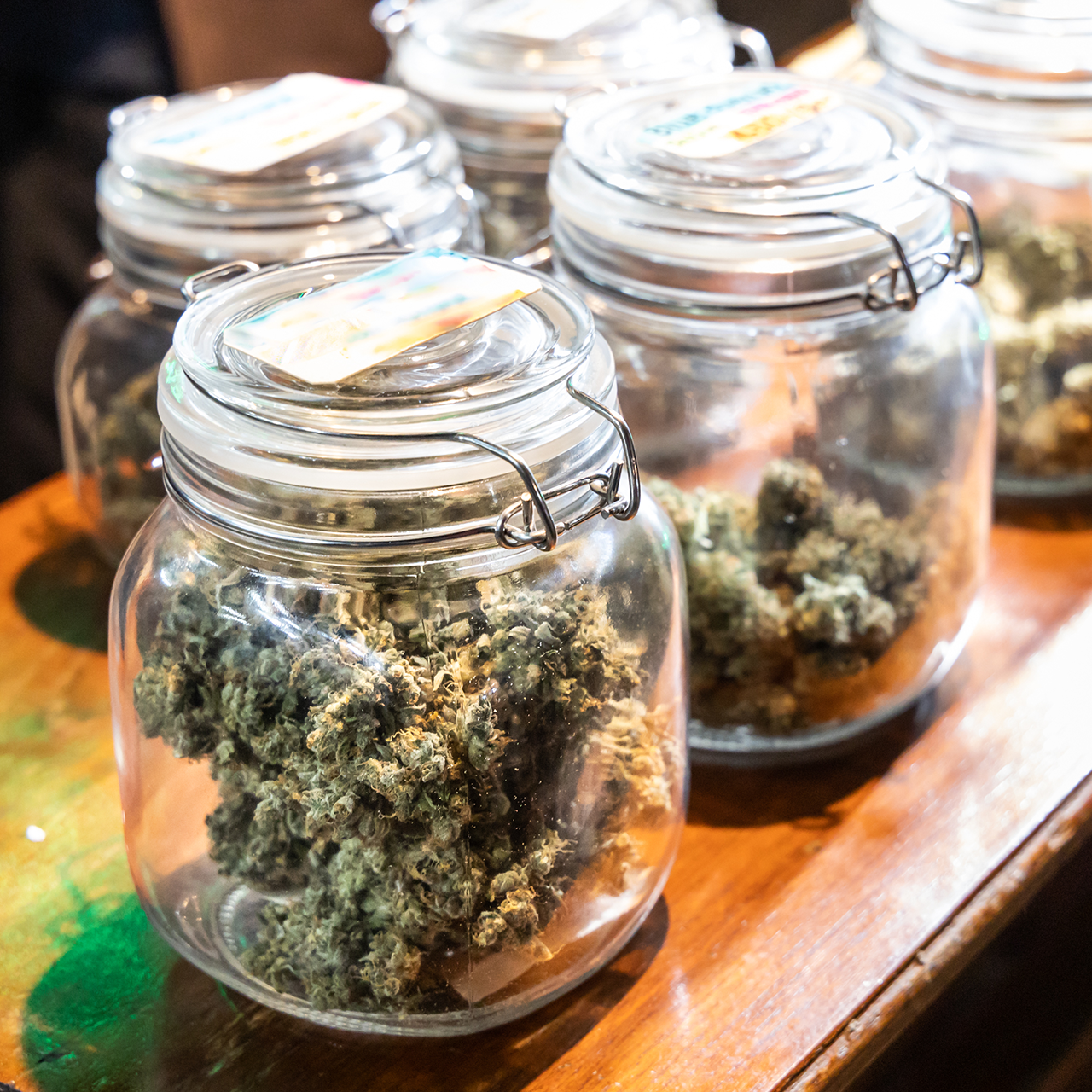
Standard commercial property policies cover fire, storm damage, vandalism, and other perils. For cannabis dispensaries, you'll need policies that explicitly cover cannabis inventory; many standard policies exclude federally illegal substances.
Coverage should include your buildout costs, security systems, point-of-sale equipment, and display fixtures. Replacement cost coverage ensures you receive enough to rebuild or replace damaged property at current prices, rather than depreciated values. Most dispensaries carry between $500,000 and $2 million in property coverage, depending on their location and inventory levels.
Theft and Vandalism Protection for High-Value Stock
Cannabis inventory attracts theft, both from external criminals and internal employee dishonesty. Your property policy should include coverage for inventory theft, and you should carry separate crime coverage for employee dishonesty.
| Coverage Type | What It Protects | Typical Limits |
|---|---|---|
| Burglary/Robbery | External theft with forced entry | $100,000 - $500,000 |
| Employee Dishonesty | Internal theft by staff | $50,000 - $250,000 |
| Money and Securities | Cash on premises and in transit | $25,000 - $100,000 |
Security requirements affect your premiums significantly. Dispensaries with comprehensive surveillance, vault storage, and armed transport typically pay 20% to 30% less than those with minimal security measures.
Business Interruption Coverage for Alabama Natural Disasters
Alabama's tornado season and hurricane exposure create real business interruption risk. If your dispensary sustains damage that forces temporary closure, business interruption coverage replaces lost income and covers ongoing expenses like rent, utilities, and payroll.
Coverage typically kicks in after a waiting period of 24 to 72 hours and continues until you resume normal operations or reach your policy's time limit. Most policies cover 12 months of interruption, though you can purchase extended coverage. Calculate your coverage needs based on your average monthly revenue and fixed expenses.

Specialized Policies for the Cannabis Workforce
Your employees face unique risks, and Alabama law imposes specific requirements for workers' compensation and employment practices.
Alabama Workers' Compensation Compliance
Alabama requires workers' compensation insurance for businesses with five or more employees. Even if you're below that threshold, carrying coverage protects you from personal liability when employees are injured on the job.
Cannabis dispensary workers face risks including repetitive strain injuries, slip-and-fall accidents, and potential violence during robbery attempts. Workers' comp covers medical expenses, lost wages, and rehabilitation costs. Premiums are based on your payroll and classification codes; dispensary employees typically fall into retail classifications with moderate rates.
Employment Practices Liability Insurance (EPLI)
EPLI protects your dispensary against claims of wrongful termination, discrimination, harassment, and other employment-related allegations. The cannabis industry's rapid growth and evolving regulations create fertile ground for employment disputes.
Common claims include allegations of discrimination in hiring, retaliation against employees who raise compliance concerns, and wrongful termination during industry downturns. EPLI policies cover defense costs and settlements, typically with limits ranging from $500,000 to $2 million.
Securing Your License and Long-Term Viability
Building a comprehensive insurance program isn't a one-time task. Your coverage needs evolve as your dispensary grows, regulations change, and new risks emerge. Annual policy reviews with a cannabis-specialized broker ensure your coverage keeps pace with your business.
The investment in proper insurance protects more than your financial assets. It demonstrates to regulators, landlords, and patients that you operate professionally and responsibly. Many dispensary owners view insurance premiums as a cost of doing business, but the smarter perspective recognizes them as investments in business continuity.
Work with brokers who specialize in cannabis insurance and understand Alabama's specific requirements. They can help you identify coverage gaps, negotiate better rates, and structure policies that actually respond when you need them. Your license, your investment, and your patients deserve nothing less.
Frequently Asked Questions
How much does dispensary insurance cost in Alabama? Most Alabama dispensaries pay between $15,000 and $40,000 annually for comprehensive coverage, depending on revenue, inventory levels, and coverage limits selected.
Can I use my existing business insurance for a dispensary? No. Standard commercial policies typically exclude cannabis-related activities. You need cannabis-specific policies from insurers who explicitly cover federally prohibited substances.
What happens if my insurance lapses? The AMCC requires notification within 10 days of any coverage lapse. Continued operation without required insurance can result in license suspension or revocation.
Do I need separate coverage for delivery services? Yes. If you offer delivery, you'll need commercial auto coverage for delivery vehicles and potentially hired and non-owned auto coverage if employees use personal vehicles.
Are directors and officers covered under general liability? No. D&O insurance is a separate policy that protects company leadership from personal liability related to business decisions. Consider adding this coverage if you have investors or a board.
About The Author: Deb Sculli
I’m Deb, a Cannabis Insurance Specialist focused on helping dispensaries, cultivators, and cannabis-related businesses find the right protection. With a strong understanding of the industry’s regulations and risks, I work hard to simplify the insurance process—so my clients stay compliant and confidently safeguard their operations and investments.
Contact Us
WHO WE HELP
Serving the Cannabis Supply Chain
We cover licensed operators at every stage.
OUR BLOGS
Resources for Cannabis Business Owners
Stay informed and protected with our latest posts.
COMMON QUESTIONS
Cannabis Insurance Made Clear
Answers to the questions we hear most from cannabis business owners.
What types of insurance do you offer for cannabis businesses?
We offer commercial property, general liability, product liability, crop insurance, workers’ compensation, and cyber liability tailored to cannabis operations. These policies address the most common risks, such as crop loss, product claims, and facility damage.
Our agents will help you match the right coverage to your business type and scale, whether you're a dispensary, grower, processor, or distributor.
Why is specialized cannabis insurance necessary?
Standard business policies often exclude cannabis-related activities, which leaves significant exposure gaps. Cannabis-specific insurance covers unique industry risks like product recalls, crop theft, and regulatory compliance.
Having the right policy also satisfies licensing, leasing, and vendor requirements, allowing your business to operate legally and securely.
How does your agency ensure compliance with state regulations?
Many states require proof of specific insurance types before issuing or renewing cannabis licenses. We stay up-to-date on regulatory changes and ensure your policies meet state and local mandates.
That means you avoid surprises during audits or inspections and maintain good standing with licensing authorities.
How fast can I get a quote and bind coverage?
Request a quote and you’ll typically receive a custom proposal within 24 hours. Once you review and accept it, coverage can often be bound the same day, so your business isn’t left exposed.
We streamline documentation and communication to make setup fast and clear—no confusing forms or delays.
Do you support multi-state cannabis businesses?
Yes. We are licensed to operate in 36 states, including major cannabis markets. Whether you’re operating in one state or across several, we can design policies that address your regulatory and risk needs.
As you expand, our team adjusts your coverage accordingly—keeping your protection consistent across state lines.
What should I consider when selecting cannabis insurance?
Begin by identifying your key exposures—crop value, product inventory, employee safety, or cyber data. From there, choose coverage that aligns with these risks instead of opting for a basic or low-cost solution.
Also, look for a provider with cannabis expertise and responsive claims support—this experience helps during actual loss events.
Contact Us
Phone
Address