Wisconsin Medical Dispensary Insurance
See How We're Different
or call us: (215) 653-8411
Wisconsin stands at a pivotal moment in its approach to medical cannabis. While neighboring states have established thriving dispensary markets, Wisconsin operators face a unique challenge: preparing for an industry that exists in regulatory limbo. For entrepreneurs positioning themselves to enter this space, understanding insurance coverage isn't optional; it's foundational to survival. This Wisconsin medical dispensary insurance coverage overview addresses the specific protections you'll need, the carriers willing to write these policies, and the compliance hurdles that make cannabis insurance distinctly complex. The state's conservative approach to cannabis legislation means early movers must build risk management frameworks before doors open. Standard commercial policies won't touch cannabis operations, leaving you to work with specialty markets that understand plant-touching businesses. Your insurance strategy directly impacts everything from securing real estate leases to attracting investors. Without proper coverage, a single product liability claim or employee theft incident could end your business before it gains traction. The carriers serving this market have developed expertise in cannabis-specific exposures, but they require operators who demonstrate sophisticated risk awareness.
The Current Landscape of Medical Cannabis in Wisconsin
Regulatory Environment and Legislative Status
Wisconsin remains one of the few Midwestern states without a comprehensive medical cannabis program. The state permits only low-THC CBD products under current law, though legislative efforts continue pushing toward broader access. Several bills have circulated through the state legislature in recent sessions, with varying degrees of support. This uncertainty creates a planning challenge for prospective dispensary operators who must prepare infrastructure without knowing final regulatory requirements.
The state's regulatory framework will likely mirror elements from established programs in Illinois and Michigan, requiring extensive licensing, security protocols, and seed-to-sale tracking. Insurance carriers evaluating Wisconsin applicants consider this regulatory uncertainty when pricing policies. They'll want to see that you've studied comparable state programs and built compliance systems that can adapt to whatever rules emerge.
Risk Assessment for Early-Stage Dispensary Operations
Pre-operational risk differs substantially from active dispensary exposure. During the licensing and buildout phase, your primary concerns center on property damage, construction liability, and professional services related to application preparation. Once operational, product liability and employee-related risks dominate the exposure profile.
Early-stage operators often underestimate the capital required for adequate insurance.
Budget 3-5% of projected first-year revenue for insurance costs, recognizing that cannabis operations pay significantly higher premiums than traditional retail. Carriers view new market entrants as higher risk until they establish operational track records, meaning your initial policies will carry elevated pricing that may decrease after two to three claim-free years.
TruePath Insurance is fully licensed and authorized to provide comprehensive insurance solutions across multiple states.
We proudly serve individuals and businesses nationwide, offering access to trusted regional and national carriers. Our goal is to help clients find reliable, affordable coverage that aligns with their goals—whether for personal protection, business stability, or long-term financial security.
Essential Insurance Policies for Wisconsin Dispensaries
General and Product Liability Coverage
General liability protects against third-party bodily injury and property damage claims occurring on your premises. A customer slipping on a wet floor or a delivery driver backing into someone's vehicle falls under this coverage. Cannabis dispensaries typically need $1 million per occurrence with $2 million aggregate limits, though landlords and licensing authorities may require higher amounts.
Product liability addresses claims arising from the products you sell. If a patient experiences an adverse reaction attributed to contaminated flower or mislabeled edibles, product liability responds. This coverage proves essential because cannabis products lack the regulatory oversight and testing standardization of traditional pharmaceuticals. Carriers underwriting product liability want detailed information about your supplier vetting processes, testing protocols, and recall procedures.
Professional Liability for Medical Consultations
Wisconsin's eventual program will likely require patient consultations before purchases. Staff members providing guidance on strain selection, dosing, or consumption methods create professional liability exposure. If a patient claims your employee's recommendation caused harm or failed to address a contraindication, professional liability coverage responds.
This coverage, sometimes called errors and omissions insurance, protects against claims of negligent advice or service failures. Limits typically start at $1 million, with higher amounts recommended for dispensaries employing pharmacists or nurses. Your policy should specifically address cannabis consultation services, as standard professional liability forms may contain exclusions for controlled substances.
Commercial Property and Crop Insurance
Commercial property insurance covers your building, equipment, inventory, and tenant improvements. Cannabis operations require specialized property forms because standard policies exclude federally illegal substances. Expect to insure inventory at replacement cost, accounting for the significant value concentrated in relatively small spaces.
Crop insurance presents particular challenges. If you're cultivating on-site or operating an integrated grow facility, traditional agricultural policies won't apply. Specialty cannabis carriers offer cultivation coverage addressing plant death from equipment failure, pest infestation, or environmental system malfunctions. These policies require detailed documentation of your growing environment, including backup power systems, climate controls, and security measures.

Specialized Protections for High-Risk Operations
Crime and Employee Dishonesty Insurance
Cash-intensive operations attract theft, both external and internal. Crime insurance covers losses from burglary, robbery, and employee dishonesty. Given that cannabis businesses handle large cash volumes due to banking restrictions, this coverage proves non-negotiable.
| Coverage Type | What It Covers | Typical Limits |
|---|---|---|
| Employee Theft | Staff stealing cash or product | $250,000-$500,000 |
| Robbery | Armed or forcible theft | $100,000-$250,000 |
| Burglary | Break-in theft | $100,000-$250,000 |
| Safe Burglary | Theft from secured safes | $50,000-$100,000 |
Employee dishonesty claims represent the most common crime losses in dispensaries. Implement robust inventory tracking, dual-control cash handling, and regular audits to demonstrate risk management practices that may reduce premiums.
Cyber Liability for Patient Data Protection
Medical dispensaries collect sensitive patient information, including qualifying conditions, purchase history, and payment data. A data breach exposes you to regulatory penalties, notification costs, and potential lawsuits. Cyber liability insurance covers breach response expenses, legal defense, and regulatory fines.
Wisconsin will likely adopt HIPAA-adjacent requirements for patient data protection. Your cyber policy should include coverage for ransomware attacks, which have increasingly targeted healthcare-adjacent businesses. First-party coverage addresses your direct costs, while third-party coverage handles claims from affected patients.
Directors and Officers (D&O) Coverage
D&O insurance protects company leadership from personal liability arising from management decisions. Investors, regulatory bodies, or shareholders may bring claims alleging mismanagement, breach of fiduciary duty, or securities violations. This coverage becomes essential once you accept outside investment or establish a board structure.
Cannabis D&O policies remain relatively expensive due to the industry's regulatory complexity and litigation history. Carriers want to see experienced management teams, clear governance structures, and documented decision-making processes before offering favorable terms.
Banking Restrictions and Cash Management Risks
Federal prohibition prevents most banks from serving cannabis businesses, forcing operators to handle enormous cash volumes. This creates security exposure, complicates tax compliance, and limits insurance options. Some carriers exclude losses occurring during cash transport or storage beyond certain thresholds.
Your insurance program should coordinate with your cash management strategy. Armored transport services carry their own insurance, but gaps may exist between their coverage and yours. Document your cash handling procedures thoroughly, including transport schedules, storage protocols, and employee access controls. Carriers reviewing your application will scrutinize these procedures closely.
Impact of Federal Illegalization on Policy Enforcement
Federal illegality creates uncertainty about policy enforcement. While most specialty cannabis carriers have paid claims without federal interference, this risk exists. Some policies contain exclusions for losses arising from federal enforcement actions, meaning a DEA raid wouldn't trigger coverage.
Review policy language carefully with an insurance attorney familiar with cannabis operations. Understand exactly what exclusions apply and how federal scheduling changes might affect your coverage. The best carriers have demonstrated commitment to the cannabis market and have established claims-paying track records despite federal prohibition.

Securing Coverage in the Wisconsin Market
Working with Surplus Lines and Specialty Carriers
Standard admitted carriers won't write cannabis coverage, pushing you toward surplus lines and specialty markets. Surplus lines carriers operate outside state rate and form regulations, allowing them to write coverage that admitted carriers cannot. This flexibility comes with tradeoffs: surplus lines policies may offer less consumer protection, and claims disputes can prove more complex.
Work with brokers specializing in cannabis insurance who maintain relationships with multiple carriers. The market changes rapidly, with new capacity entering and pricing fluctuating based on loss experience. A specialized broker can access markets unavailable through general commercial agents and negotiate terms reflecting your specific risk profile.
Developing a Comprehensive Risk Management Plan
Carriers reward operators who demonstrate proactive risk management. Your plan should address physical security, employee training, inventory controls, and compliance monitoring. Document everything: training records, security system maintenance, compliance audits, and incident reports.
Consider hiring a risk management consultant familiar with cannabis operations to audit your procedures before seeking coverage. Their recommendations can identify gaps that might otherwise result in coverage denials or premium surcharges. The investment typically pays for itself through better insurance terms and reduced loss frequency.
Frequently Asked Questions
How much does dispensary insurance cost in Wisconsin? Expect annual premiums between $15,000 and $50,000 depending on revenue, location, and coverage limits. New operations without claims history pay higher rates.
Can I get insurance before Wisconsin legalizes medical cannabis? Yes, carriers can bind coverage contingent on licensing approval. Pre-operational policies cover buildout risks and professional services during the application process.
Will my landlord's insurance cover my dispensary? No. Landlord policies exclude tenant business operations. You need your own coverage, and your landlord will require proof of insurance before signing a lease.
What happens if federal law changes? Federal legalization would likely expand carrier options and reduce premiums. Your existing specialty policies would remain valid, and you'd have opportunities to shop traditional markets at renewal.
Do I need workers' compensation insurance? Yes. Wisconsin requires workers' compensation for all employers. Cannabis-specific carriers offer this coverage, though rates run higher than standard retail classifications.
Making the Right Coverage Decisions
Building adequate insurance protection for a Wisconsin medical dispensary requires planning that starts well before your first patient walks through the door. The carriers serving this market have developed real expertise in cannabis-specific exposures, but they expect operators who understand their own risks and have implemented meaningful controls.
Start conversations with specialty brokers early in your planning process. Their insights into carrier appetite, pricing trends, and coverage innovations can shape your operational decisions in ways that improve both insurability and overall risk management. The investment in proper coverage protects not just your capital, but your ability to serve patients who depend on reliable access to medical cannabis.
About The Author: Deb Sculli
I’m Deb, a Cannabis Insurance Specialist focused on helping dispensaries, cultivators, and cannabis-related businesses find the right protection. With a strong understanding of the industry’s regulations and risks, I work hard to simplify the insurance process—so my clients stay compliant and confidently safeguard their operations and investments.
Contact Us
WHO WE HELP
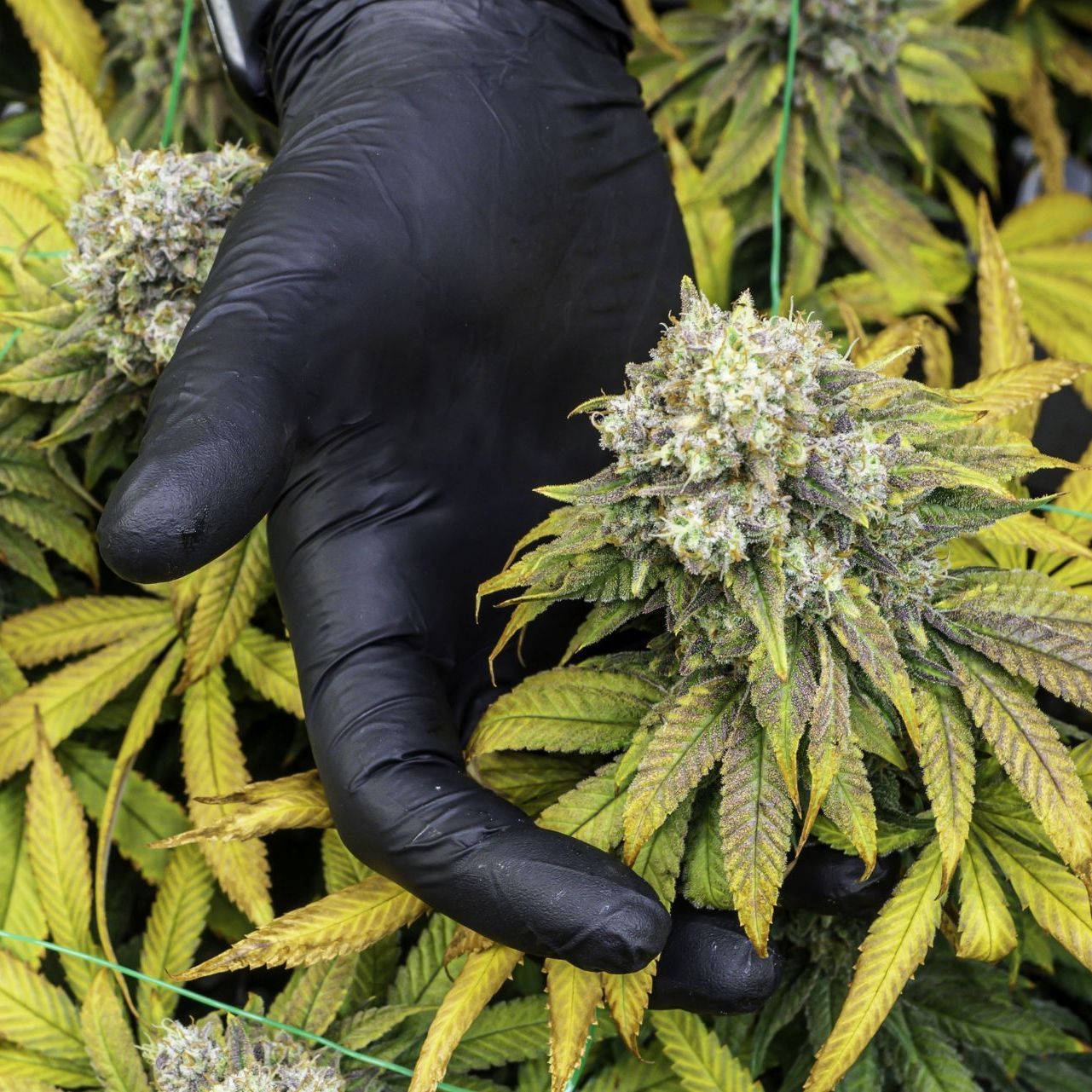
Serving the Cannabis Supply Chain
We cover licensed operators at every stage.

OUR BLOGS
Resources for Cannabis Business Owners
Stay informed and protected with our latest posts.
COMMON QUESTIONS
Cannabis Insurance Made Clear
Answers to the questions we hear most from cannabis business owners.
What types of insurance do you offer for cannabis businesses?
We offer commercial property, general liability, product liability, crop insurance, workers’ compensation, and cyber liability tailored to cannabis operations. These policies address the most common risks, such as crop loss, product claims, and facility damage.
Our agents will help you match the right coverage to your business type and scale, whether you're a dispensary, grower, processor, or distributor.
Why is specialized cannabis insurance necessary?
Standard business policies often exclude cannabis-related activities, which leaves significant exposure gaps. Cannabis-specific insurance covers unique industry risks like product recalls, crop theft, and regulatory compliance.
Having the right policy also satisfies licensing, leasing, and vendor requirements, allowing your business to operate legally and securely.
How does your agency ensure compliance with state regulations?
Many states require proof of specific insurance types before issuing or renewing cannabis licenses. We stay up-to-date on regulatory changes and ensure your policies meet state and local mandates.
That means you avoid surprises during audits or inspections and maintain good standing with licensing authorities.
How fast can I get a quote and bind coverage?
Request a quote and you’ll typically receive a custom proposal within 24 hours. Once you review and accept it, coverage can often be bound the same day, so your business isn’t left exposed.
We streamline documentation and communication to make setup fast and clear—no confusing forms or delays.
Do you support multi-state cannabis businesses?
Yes. We are licensed to operate in 36 states, including major cannabis markets. Whether you’re operating in one state or across several, we can design policies that address your regulatory and risk needs.
As you expand, our team adjusts your coverage accordingly—keeping your protection consistent across state lines.
What should I consider when selecting cannabis insurance?
Begin by identifying your key exposures—crop value, product inventory, employee safety, or cyber data. From there, choose coverage that aligns with these risks instead of opting for a basic or low-cost solution.
Also, look for a provider with cannabis expertise and responsive claims support—this experience helps during actual loss events.
Contact Us
Phone
Address