Arkansas Hydroponic Farm Business Insurance
See How We're Different
or call us: (215) 653-8411
Hydroponic farming represents one of Arkansas's fastest-growing agricultural sectors, yet many growers overlook a critical business component: comprehensive insurance coverage. The global hydroponic agriculture market reached $8.1 billion in 2019, with projections showing it could double to $16 billion by 2025. This explosive growth means more Arkansas entrepreneurs are entering the industry, often without fully understanding the unique risks their operations face.
Unlike traditional soil-based farming, hydroponic systems depend entirely on technology, controlled environments, and precise nutrient delivery. When something fails, crop losses can be catastrophic and immediate. A power outage lasting just a few hours during an Arkansas summer can destroy an entire growing cycle. Equipment malfunctions, contamination events, and severe weather all pose distinct threats that standard farm policies weren't designed to address.
This guide for Arkansas hydroponic farm business insurance walks you through the specific coverages you'll need, state requirements you must meet, and strategies for securing protection that matches your operation's actual risk profile. Whether you're running a small vertical farm or managing a large-scale greenhouse operation, understanding your insurance options isn't optional: it's essential for long-term viability.
Understanding Hydroponic Farming Risks in Arkansas
Arkansas presents a unique combination of climate challenges and operational risks that hydroponic growers must account for when structuring their insurance programs. The state's weather patterns, combined with the technical complexity of soilless growing systems, create exposure points that demand specialized coverage.
Regional Climate Factors and Natural Disasters
Arkansas sits squarely in Tornado Alley, and severe weather poses significant threats to greenhouse structures and indoor growing facilities. Spring storms bring damaging winds, large hail, and tornadoes that can destroy buildings and equipment in minutes. Summer brings intense heat that strains cooling systems and increases the risk of crop stress.
The state also experiences ice storms during winter months, which can collapse greenhouse roofs and knock out power for extended periods. Flooding affects many parts of Arkansas, particularly in the Delta region, and can contaminate water sources or damage ground-level equipment. Standard property policies often exclude flood damage, requiring separate coverage through the National Flood Insurance Program or private insurers.
Equipment Failure and Crop Spoilage Risks
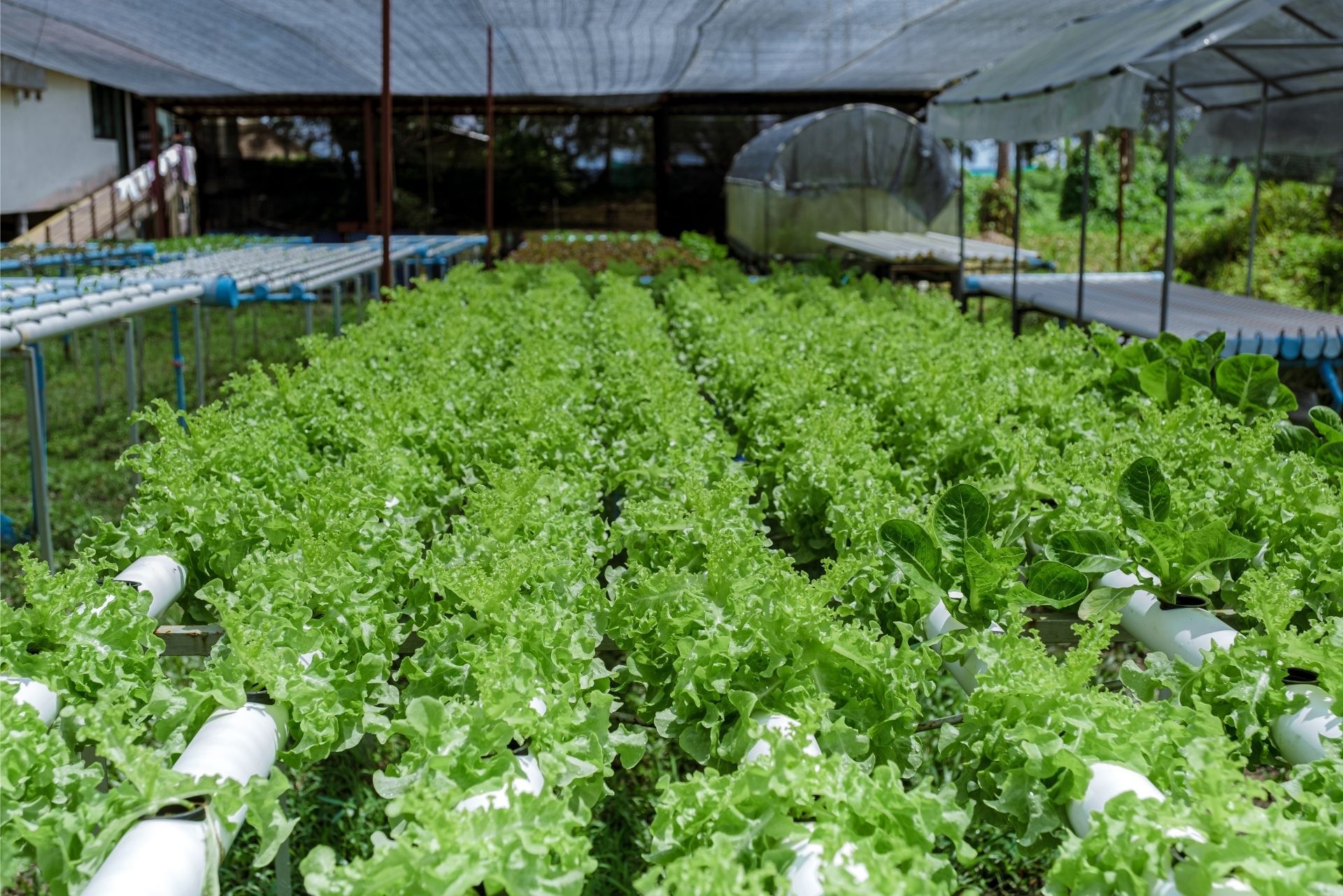
Hydroponic operations run on interconnected systems where one failure can cascade into total crop loss. Pumps, timers, climate controls, and nutrient dosing equipment must function continuously. A malfunctioning pH sensor might go unnoticed for days, slowly poisoning an entire crop before symptoms appear.
As one industry expert noted,
"every hydroponic grower in the U.S. has had problems with root diseases in summer when heat stress makes plants more susceptible to pathogens." These biological risks combine with mechanical vulnerabilities to create a complex risk environment.
Hydroponic systems also lack the biodiversity present in soil ecosystems, which can increase reliance on chemical interventions and create additional liability exposures.
TruePath Insurance is fully licensed and authorized to provide comprehensive insurance solutions across multiple states.
We proudly serve individuals and businesses nationwide, offering access to trusted regional and national carriers. Our goal is to help clients find reliable, affordable coverage that aligns with their goals—whether for personal protection, business stability, or long-term financial security.
Essential Insurance Coverage for Hydroponic Growers
Building a comprehensive insurance program requires layering multiple coverage types to address different risk categories. No single policy covers everything a hydroponic operation needs.
General Liability and Product Liability
General liability insurance protects your business when someone gets injured on your property or when your operations damage someone else's property. If a delivery driver slips on a wet floor in your facility, this coverage pays for their medical expenses and any resulting lawsuit.
Product liability becomes critical when you're selling produce for human consumption. If contaminated lettuce from your operation causes foodborne illness, product liability coverage responds to claims from affected consumers. Given that U.S. hydroponic lettuce production more than doubled from 15.4 million pounds in 2014 to 36.4 million pounds in 2019, more growers than ever face this exposure.
Commercial Property and Greenhouse Coverage
Your facility, equipment, and inventory represent substantial investments that need protection. Commercial property insurance covers your buildings, growing systems, and business personal property against covered perils like fire, theft, and certain weather events.
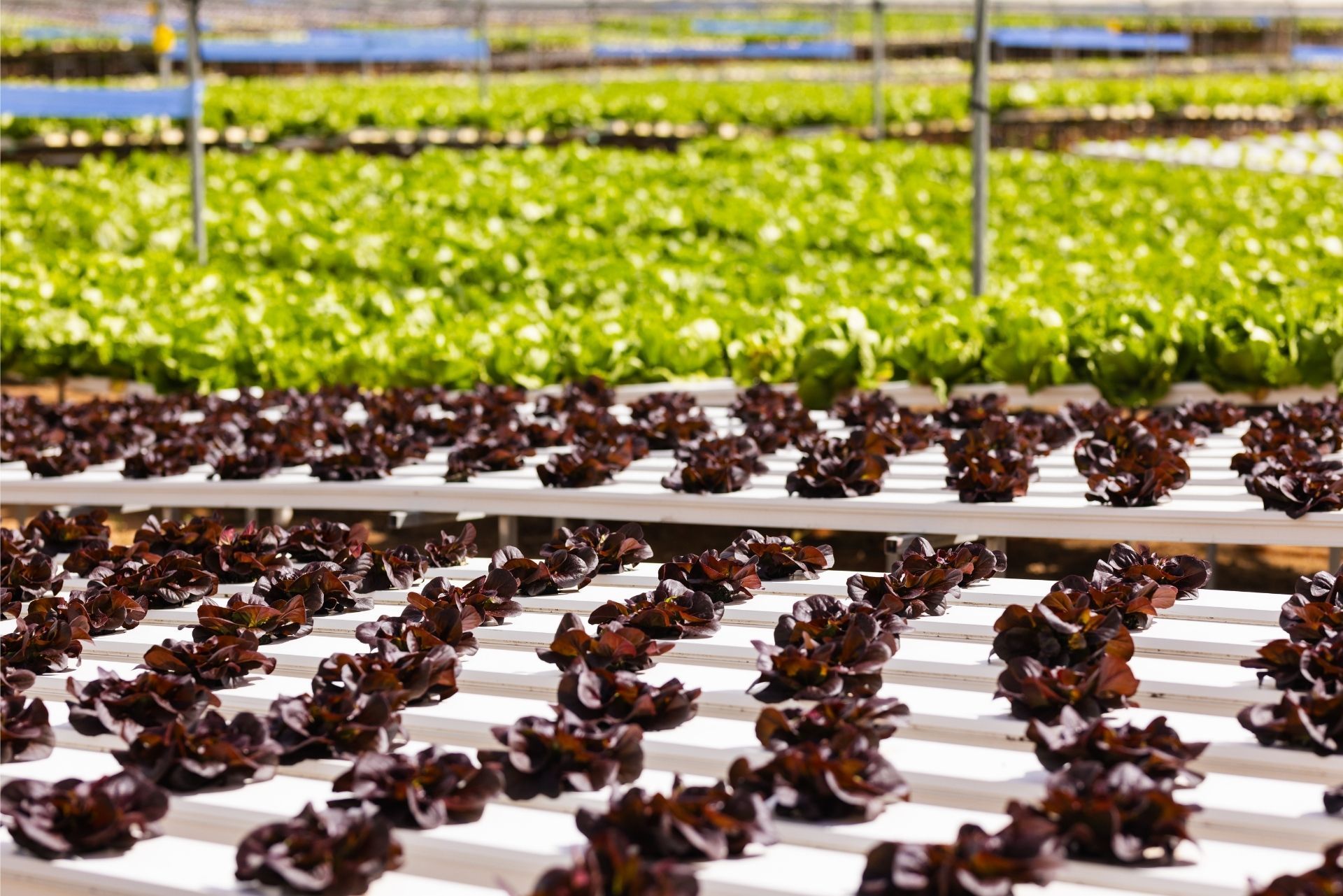
Greenhouse-specific coverage addresses the unique construction and contents of growing structures. Polycarbonate panels, climate control systems, and specialized lighting all require accurate valuation. Many growers underinsure their properties, discovering too late that replacement costs far exceed their coverage limits.
Crop Insurance and Spoilage Protection
Traditional federal crop insurance programs have historically focused on field crops, but the USDA's Risk Management Agency is committed to expanding options for all agricultural producers, including hydroponic operations. Private crop insurance for controlled environment agriculture has become more available as the industry grows.
Spoilage coverage specifically addresses losses from equipment breakdown, power failure, or contamination events. This coverage can be the difference between recovering from a disaster and closing your doors permanently.
Specialized Endorsements for Hydroponic Systems
Standard agricultural policies often leave gaps that require specialized endorsements or standalone policies to fill. These additions tailor your coverage to hydroponic-specific risks.
Equipment Breakdown and Power Outage Coverage
Equipment breakdown insurance, sometimes called boiler and machinery coverage, pays for repairs or replacement when critical systems fail due to mechanical or electrical breakdown. This differs from property insurance, which typically excludes mechanical failure.
Power outage coverage extends protection to losses caused by utility interruption, even when your own equipment functions properly. Arkansas's aging rural electrical infrastructure makes this coverage particularly valuable for operations outside major metropolitan areas. Some policies include coverage for generator fuel costs during extended outages.
Nutrient Solution and Water Contamination Insurance
Contamination events can originate from multiple sources: municipal water supply issues, chemical mixing errors, or pathogen introduction. When contamination ruins a crop, specialized coverage responds where standard policies don't.
This endorsement typically covers the cost of replacing contaminated nutrient solutions, sanitizing systems, and replacing affected crops. Some policies also cover
business interruption losses while you restore growing conditions. Documentation requirements are strict, so maintaining detailed records of your nutrient management protocols supports claims processing.
Arkansas State Requirements and Legal Mandates
Arkansas law imposes certain insurance requirements on agricultural businesses, and failing to comply can result in penalties, lawsuits, and personal liability.
Workers' Compensation for Farm Employees
Arkansas requires most employers to carry workers' compensation insurance, though agricultural operations have historically enjoyed certain exemptions. However, these exemptions are narrower than many growers assume. If you employ workers who aren't immediate family members and your operation meets certain size thresholds, you likely need coverage.
Workers' compensation pays for medical treatment and lost wages when employees are injured on the job. It also protects you from employee lawsuits related to workplace injuries. Given the physical nature of hydroponic work and the presence of electrical equipment and chemicals, workplace injuries aren't uncommon.
Commercial Auto Insurance for Delivery Operations
If your business owns vehicles used for deliveries, supply runs, or employee transportation, Arkansas law requires commercial auto insurance. Personal auto policies exclude business use, leaving you uninsured if you're using personal vehicles for farm operations.
Commercial auto coverage includes liability protection, collision coverage, and comprehensive coverage for theft or weather damage. If you hire drivers, you'll also need to verify their driving records and may need hired and non-owned auto coverage for employees using their personal vehicles.
Several variables affect what you'll pay for hydroponic farm insurance. Understanding these factors helps you make informed decisions about coverage and
risk management investments.
| Factor | Lower Premium Impact | Higher Premium Impact |
|---|---|---|
| Location | Urban areas with reliable utilities | Rural areas prone to outages |
| Building Construction | Fire-resistant materials | Wood frame structures |
| Security Systems | Monitored alarms, cameras | No security measures |
| Claims History | Clean record, 3+ years | Recent or frequent claims |
| Safety Protocols | Documented procedures, training | No formal safety program |
| Backup Systems | Generators, redundant pumps | Single-point-of-failure systems |
Your claims history significantly impacts pricing.
In 2023, insurers paid out $181.8 million in crop insurance claims in Arkansas compared to just $86.7 million in premiums collected, illustrating why underwriters scrutinize agricultural risks carefully. Investing in loss prevention measures often pays for itself through premium reductions.
Steps to Securing a Comprehensive Farm Policy
Finding the right insurance program requires systematic evaluation of your risks and careful comparison of available options.
Conducting a Thorough Risk Assessment
Start by documenting every asset, system, and process in your operation. Walk through your facility with fresh eyes, noting potential hazards and single points of failure. Consider scenarios: what happens if your main pump fails at midnight? What if a tornado destroys your greenhouse? What if an employee is injured?
Quantify your potential losses. Calculate the value of a full crop loss, the cost of replacing major equipment, and the revenue you'd lose during a shutdown. These figures determine how much coverage you actually need, not just what you can afford.
Comparing Specialized Agricultural Underwriters
Not all insurance companies understand hydroponic operations. General business insurers often decline coverage or price it inappropriately because they lack experience with controlled environment agriculture.
Seek out agents and brokers who specialize in agricultural risks. Ask specifically about their experience with hydroponic and greenhouse operations. Request sample policy language for key coverages so you can compare what's actually covered, not just what's promised.
Get quotes from at least three different sources. Compare not just premiums but deductibles, coverage limits, exclusions, and claims handling reputation. The cheapest policy rarely provides the best protection.
Frequently Asked Questions
Does standard farm insurance cover hydroponic operations? Most standard farm policies exclude or inadequately cover hydroponic systems. You'll typically need specialized endorsements or policies designed for controlled environment agriculture.
How much liability coverage do Arkansas hydroponic farms need? Most operations should carry at least $1 million in general liability coverage. If you sell directly to consumers or retailers, consider $2 million or more to adequately protect against product liability claims.
Are hydroponic crops eligible for federal crop insurance? Coverage options are expanding. The USDA's Risk Management Agency has been developing programs for specialty crops and controlled environment agriculture, though availability varies by crop type and location.
What happens if my insurance claim is denied? Review your policy language carefully and request a written explanation for the denial. You can appeal the decision, file a complaint with the Arkansas Insurance Department, or consult an attorney if you believe the denial is improper.
How often should I review my hydroponic farm insurance? Review your coverage annually and whenever you make significant changes to your operation, such as expanding facilities, adding new crops, or hiring additional employees.
Protecting your Arkansas hydroponic operation requires insurance coverage that matches your actual risks, not generic policies designed for traditional agriculture. Start by documenting your assets and potential exposures, then work with agents who understand controlled environment agriculture. The investment in proper coverage protects not just your equipment and crops, but your livelihood and future growth potential. Take time this week to request quotes and compare options: your business depends on making the right choice.
WHO WE HELP
Serving the Cannabis Supply Chain
We cover licensed operators at every stage.
OUR BLOGS
Resources for Cannabis Business Owners
Stay informed and protected with our latest posts.
COMMON QUESTIONS
Cannabis Insurance Made Clear
Answers to the questions we hear most from cannabis business owners.
What types of insurance do you offer for cannabis businesses?
We offer commercial property, general liability, product liability, crop insurance, workers’ compensation, and cyber liability tailored to cannabis operations. These policies address the most common risks, such as crop loss, product claims, and facility damage.
Our agents will help you match the right coverage to your business type and scale, whether you're a dispensary, grower, processor, or distributor.
Why is specialized cannabis insurance necessary?
Standard business policies often exclude cannabis-related activities, which leaves significant exposure gaps. Cannabis-specific insurance covers unique industry risks like product recalls, crop theft, and regulatory compliance.
Having the right policy also satisfies licensing, leasing, and vendor requirements, allowing your business to operate legally and securely.
How does your agency ensure compliance with state regulations?
Many states require proof of specific insurance types before issuing or renewing cannabis licenses. We stay up-to-date on regulatory changes and ensure your policies meet state and local mandates.
That means you avoid surprises during audits or inspections and maintain good standing with licensing authorities.
How fast can I get a quote and bind coverage?
Request a quote and you’ll typically receive a custom proposal within 24 hours. Once you review and accept it, coverage can often be bound the same day, so your business isn’t left exposed.
We streamline documentation and communication to make setup fast and clear—no confusing forms or delays.
Do you support multi-state cannabis businesses?
Yes. We are licensed to operate in 36 states, including major cannabis markets. Whether you’re operating in one state or across several, we can design policies that address your regulatory and risk needs.
As you expand, our team adjusts your coverage accordingly—keeping your protection consistent across state lines.
What should I consider when selecting cannabis insurance?
Begin by identifying your key exposures—crop value, product inventory, employee safety, or cyber data. From there, choose coverage that aligns with these risks instead of opting for a basic or low-cost solution.
Also, look for a provider with cannabis expertise and responsive claims support—this experience helps during actual loss events.
Contact Us
Phone
Address