Kentucky Hydroponic Farm Business Insurance
See How We're Different
or call us: (215) 653-8411
Hydroponic farming in Kentucky represents a significant investment in controlled-environment agriculture, where a single power outage or contamination event can devastate months of carefully cultivated crops within hours. Unlike traditional field farming, your hydroponic operation depends on interconnected systems working in perfect harmony: nutrient delivery, climate control, lighting, and water circulation. When any component fails, the consequences cascade rapidly through your entire facility.
Kentucky's hydroponic producers face a unique insurance landscape that standard farm policies weren't designed to address. Your vertical racks, specialized growing mediums, and precision equipment don't fit neatly into traditional agricultural coverage categories. Meanwhile, Kentucky crops contribute $8 billion to the state's economy, making proper protection essential for both individual operations and the broader agricultural community. This overview of hydroponic farm business insurance coverage in Kentucky will help you identify the specific protections your indoor operation requires and the gaps that could leave you financially exposed.
Core Commercial Property Insurance for Hydroponic Facilities
Commercial property coverage forms the foundation of any hydroponic operation's risk management strategy. Your facility likely contains equipment worth hundreds of thousands of dollars, from automated nutrient dosing systems to specialized LED lighting arrays. Standard property policies may undervalue or exclude these specialized assets entirely.
Protecting Vertical Racks and Nutrient Delivery Systems
Vertical farming infrastructure presents unique valuation challenges for insurance adjusters unfamiliar with controlled-environment agriculture. Your racking systems aren't simple shelving; they're engineered structures supporting irrigation lines, grow lights, and environmental sensors. A policy that covers "farm equipment" at actual cash value could leave you significantly underinsured when replacement costs for specialized hydroponic components run two to three times higher than comparable traditional farming equipment.
Nutrient delivery systems require coverage that accounts for both the physical pumps, reservoirs, and plumbing and the cost of replacing contaminated nutrient solutions. Many policies exclude "consumables," which could technically include your nutrient stock if not specifically addressed. Work with your agent to schedule these items separately and establish agreed-upon values before a loss occurs.
Greenhouse Structure and Specialized Glass Coverage
Kentucky's weather patterns subject greenhouse structures to hail, wind, and ice loading that can shatter specialized glazing panels in minutes. Horticultural glass and polycarbonate panels designed for optimal light transmission cost significantly more than standard building materials. Your policy should specify replacement with equivalent growing-environment materials, not generic construction glass.
Climate control equipment integrated into your structure, including fans, vents, heating systems, and evaporative cooling pads, often falls into coverage gaps between building and equipment policies. Clarify whether these components are covered as part of the structure or require separate equipment scheduling.
Inland Marine Insurance for Off-Site Equipment Transport
When you transport seedlings to farmers markets, move equipment between facilities, or ship harvested produce, your standard property policy stops at your property line.
Inland marine coverage protects mobile equipment, products in transit, and items temporarily stored at other locations. For
Kentucky hydroponic operations participating in regional distribution networks, this coverage fills a critical gap.
TruePath Insurance is fully licensed and authorized to provide comprehensive insurance solutions across multiple states.
We proudly serve individuals and businesses nationwide, offering access to trusted regional and national carriers. Our goal is to help clients find reliable, affordable coverage that aligns with their goals—whether for personal protection, business stability, or long-term financial security.
Specialized Crop and Spoilage Protections
Traditional crop insurance programs focus on weather-related field losses, leaving hydroponic producers largely unprotected by federal programs. In 2024, crop insurance protected 3.7 million acres in Kentucky, providing $2 billion in liability protection, but most of that coverage applies to conventional outdoor agriculture.
Mitigating Losses from Equipment Failure and Power Outages
Equipment breakdown coverage specifically addresses mechanical and electrical failures that cause crop loss. When your HVAC system fails during a July heat wave or your circulation pumps stop during a critical growth phase, this coverage pays for both equipment repair and the value of lost crops. Standard property policies typically exclude mechanical breakdown, treating it as a maintenance issue rather than a covered loss.
Power outage coverage deserves special attention for Kentucky hydroponic operations. Your crops can't survive extended periods without lighting, climate control, and nutrient circulation. Spoilage coverage triggered by utility interruption protects against losses when the power company, not your equipment, fails. Some policies require outages to exceed specific durations before coverage applies, so verify these waiting periods match your crops' survival windows.
Contamination and Foodborne Illness Liability
Contamination events in hydroponic systems can spread rapidly through shared water and nutrient solutions. Whether the source is pathogen introduction, chemical contamination, or pest infestation, the entire system may require shutdown, sanitation, and crop destruction. Contamination coverage addresses both the cleanup costs and the value of destroyed inventory.
Product contamination liability protects you when contaminated produce reaches consumers. This coverage pays for medical claims, legal defense, and settlements arising from foodborne illness traced to your operation. Given the direct-to-consumer sales channels many Kentucky hydroponic farms utilize, this exposure deserves serious consideration.
General and Product Liability for Kentucky Producers
Liability exposures extend beyond your products to include everyone who enters your property and every business relationship you maintain. A comprehensive liability program addresses multiple risk categories simultaneously.
Premises Liability for Farm Stands and Tours
Agritourism has become a significant revenue stream for Kentucky farms, but inviting the public onto your property creates substantial liability exposure. Visitors who slip on wet greenhouse floors, children injured by equipment, or allergic reactions to plant materials can all generate significant claims. Your general liability policy should specifically address agritourism activities if you offer tours, educational programs, or on-site sales.
Kentucky Farm Bureau Insurance protects over 65,000 farms in the state, and many of these operations have discovered that standard farm policies require endorsements for public-facing activities. Don't assume your existing coverage extends to activities outside traditional farming operations.
Product Withdrawal and Recall Expense Coverage
When contamination affects your products after they've left your facility, recall expenses can quickly exceed the value of the recalled produce. Notification costs, shipping for returned products, disposal fees, and replacement product all accumulate rapidly. Product withdrawal coverage addresses these first-party expenses separately from liability claims.
| Coverage Type | What It Pays | Typical Trigger |
|---|---|---|
| Product Liability | Third-party injury claims and legal defense | Consumer illness or injury |
| Product Recall | First-party recall expenses | Contamination discovery |
| Business Interruption | Lost income during recall period | Mandatory production shutdown |
Operational Continuity and Employee Safety
Protecting your workforce and maintaining income during disruptions requires coverage layers beyond basic property and liability protection.
Kentucky Workers' Compensation Requirements for Indoor Farms
Kentucky law requires workers' compensation coverage for most agricultural employers, though specific exemptions exist for small operations. Hydroponic facilities typically don't qualify for agricultural exemptions because employees work year-round in controlled environments rather than seasonally in fields. Your workers face unique hazards including chemical exposure from nutrient solutions, repetitive motion injuries from harvesting, and slip-and-fall risks on wet surfaces.
Workers' compensation premiums reflect your industry classification and claims history. Indoor farming operations may be classified differently than traditional agriculture, potentially affecting your rates. Accurate classification ensures you're not overpaying while maintaining compliance with Kentucky requirements.
Business Interruption Coverage for Hydroponic Downtime
When a covered loss forces your operation to shut down, business interruption coverage replaces lost income and pays continuing expenses during the restoration period. For hydroponic operations, the "period of restoration" calculation becomes complicated because you can't simply replant and harvest within weeks.
Consider that crop insurers paid $158.4 million to cover crop losses in Kentucky in 2025, demonstrating the financial impact agricultural disruptions create. Your business interruption coverage should account for the time required to restore environmental systems, restart growing cycles, and return to full production capacity.
Kentucky's position in the Ohio River Valley creates specific weather exposures that affect hydroponic operations differently than traditional farms. Severe thunderstorms, tornadoes, and flooding represent primary concerns, but indoor operations also face risks from ice storms that damage structures and cause extended power outages.
Flood insurance requires separate policies through the National Flood Insurance Program or private markets. Standard commercial property policies exclude flood damage, leaving operations in flood-prone areas dangerously exposed. Kentucky's changing weather patterns have increased flood frequency in areas previously considered low-risk.
The insight that
"crop insurance is a total protection plan for our food supply" applies equally to hydroponic operations, even though federal crop insurance programs offer limited options for controlled-environment agriculture. Private market alternatives exist but require careful evaluation to ensure coverage matches your specific growing methods and crop types.
Strategies for Customizing Your Hydroponic Insurance Portfolio
Building comprehensive coverage for your Kentucky hydroponic operation requires working with agents who understand controlled-environment agriculture. Kentucky farmers paid $69.1 million for crop insurance coverage in 2024, reflecting the agricultural community's commitment to risk management despite premium costs.
Start by conducting a thorough inventory of your equipment, structures, and crop values at various growth stages. Document your operational dependencies, including utility providers, equipment suppliers, and distribution partners. This information helps your agent identify coverage gaps and recommend appropriate limits.
Request quotes from multiple carriers, as pricing and coverage terms vary significantly for specialized agricultural operations. Some insurers have developed specific programs for controlled-environment agriculture, while others attempt to adapt traditional farm policies with mixed results.
Frequently Asked Questions
Does standard farm insurance cover hydroponic equipment? Most standard farm policies undervalue or exclude specialized hydroponic equipment. You'll typically need scheduled equipment coverage with agreed-upon values for proper protection.
Are hydroponic crops eligible for federal crop insurance? Federal crop insurance programs offer limited options for controlled-environment crops. Private market alternatives provide more relevant coverage for hydroponic operations.
What insurance do I need for farmers market sales? You'll need product liability coverage, and your general liability policy should include coverage for off-premises sales activities. Some markets require specific coverage certificates.
How does power outage coverage work for indoor farms? Spoilage coverage triggered by utility interruption pays for crop losses when power failures exceed specified waiting periods. Verify these periods match your crops' survival requirements.
Do I need separate flood insurance for my greenhouse? Yes. Standard commercial property policies exclude flood damage. Separate flood coverage through NFIP or private insurers is required for flood protection.
Making the Right Coverage Decisions
Your Kentucky hydroponic operation represents a significant investment in equipment, infrastructure, and agricultural expertise. Proper insurance coverage protects that investment against the unique risks controlled-environment agriculture presents. Take time to review your current policies against the coverage categories outlined here, identify gaps, and work with knowledgeable agents to build a comprehensive protection program. The cost of adequate coverage pales compared to the financial devastation an uninsured loss can cause.
WHO WE HELP
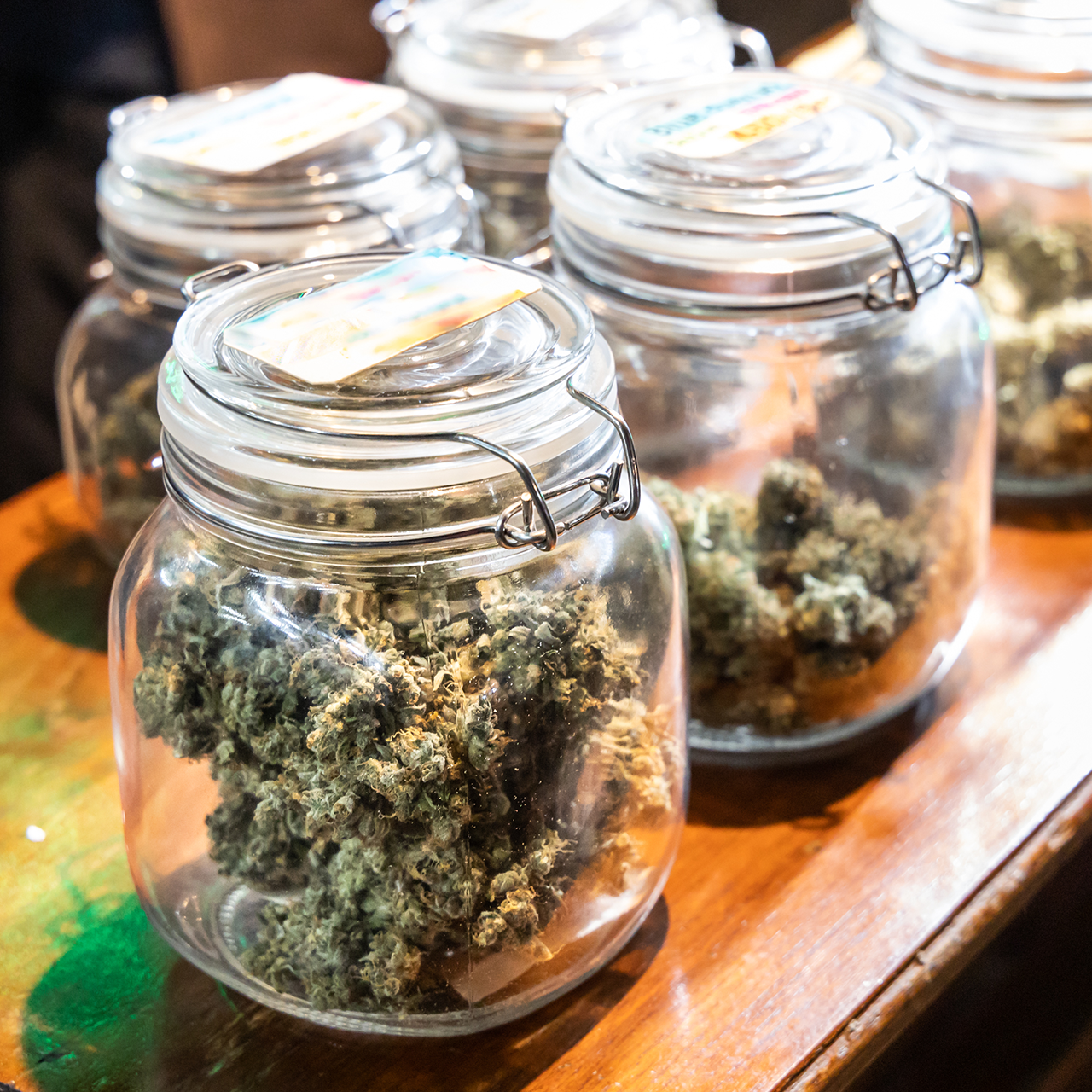
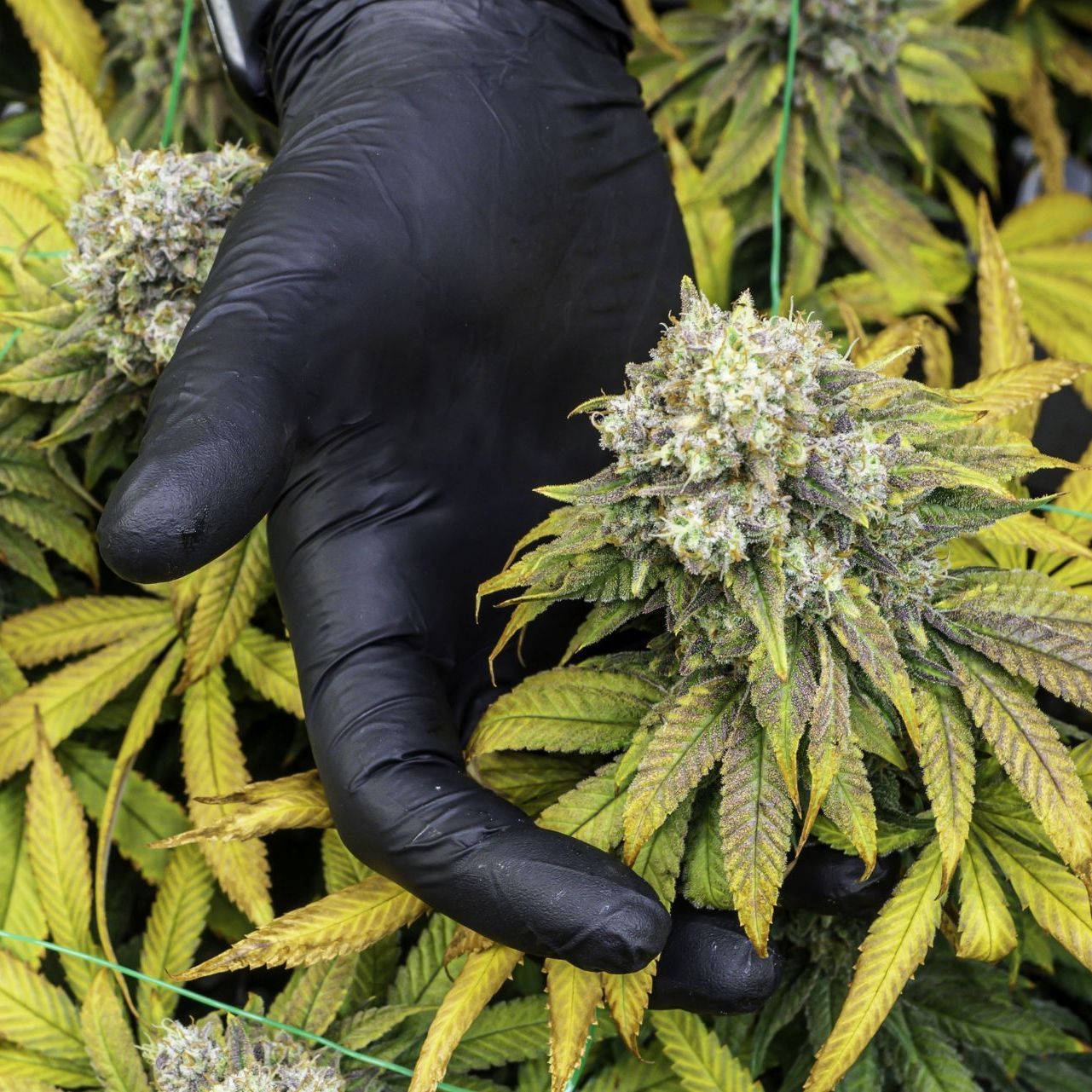
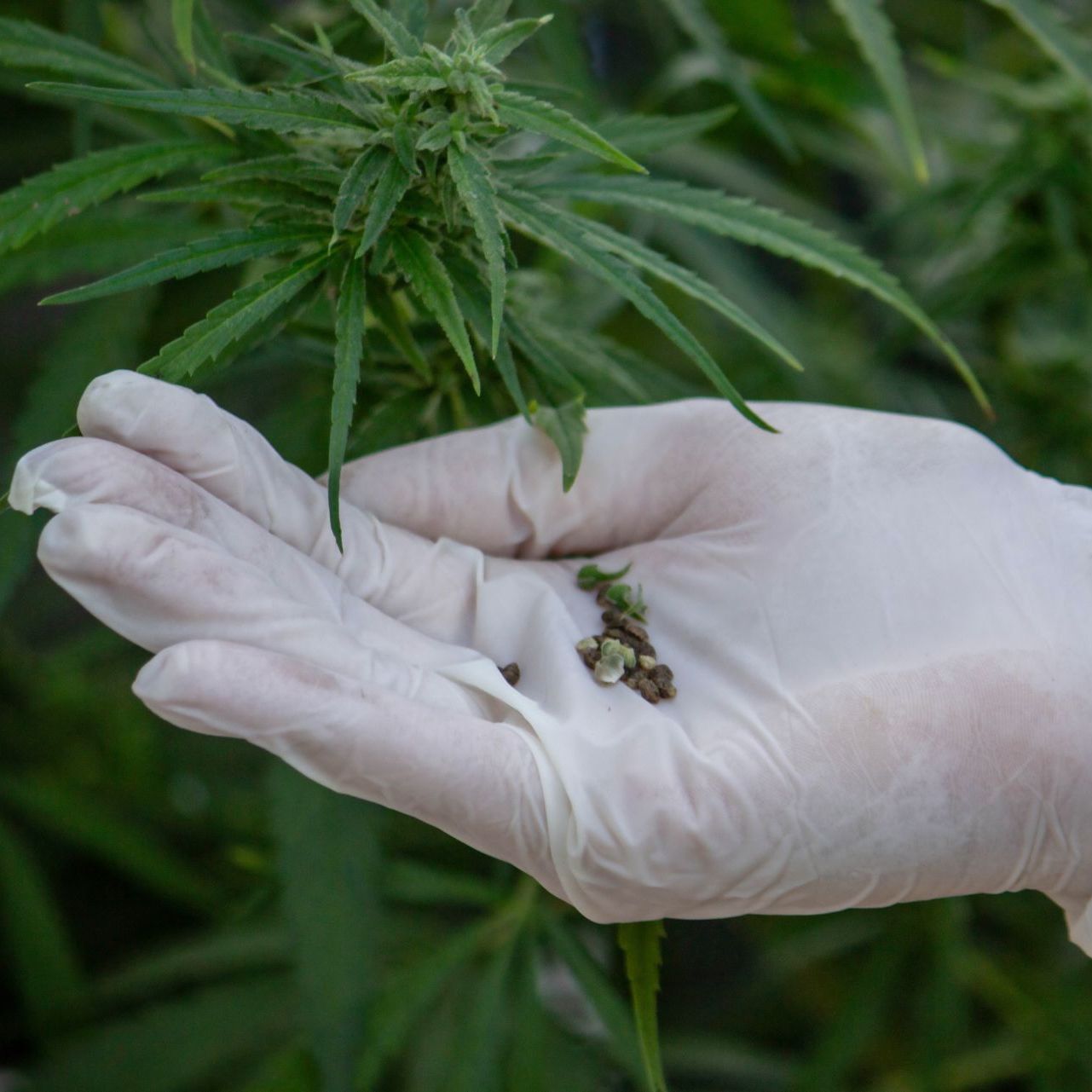
Serving the Cannabis Supply Chain
We cover licensed operators at every stage.
OUR BLOGS
Resources for Cannabis Business Owners
Stay informed and protected with our latest posts.
COMMON QUESTIONS
Cannabis Insurance Made Clear
Answers to the questions we hear most from cannabis business owners.
What types of insurance do you offer for cannabis businesses?
We offer commercial property, general liability, product liability, crop insurance, workers’ compensation, and cyber liability tailored to cannabis operations. These policies address the most common risks, such as crop loss, product claims, and facility damage.
Our agents will help you match the right coverage to your business type and scale, whether you're a dispensary, grower, processor, or distributor.
Why is specialized cannabis insurance necessary?
Standard business policies often exclude cannabis-related activities, which leaves significant exposure gaps. Cannabis-specific insurance covers unique industry risks like product recalls, crop theft, and regulatory compliance.
Having the right policy also satisfies licensing, leasing, and vendor requirements, allowing your business to operate legally and securely.
How does your agency ensure compliance with state regulations?
Many states require proof of specific insurance types before issuing or renewing cannabis licenses. We stay up-to-date on regulatory changes and ensure your policies meet state and local mandates.
That means you avoid surprises during audits or inspections and maintain good standing with licensing authorities.
How fast can I get a quote and bind coverage?
Request a quote and you’ll typically receive a custom proposal within 24 hours. Once you review and accept it, coverage can often be bound the same day, so your business isn’t left exposed.
We streamline documentation and communication to make setup fast and clear—no confusing forms or delays.
Do you support multi-state cannabis businesses?
Yes. We are licensed to operate in 36 states, including major cannabis markets. Whether you’re operating in one state or across several, we can design policies that address your regulatory and risk needs.
As you expand, our team adjusts your coverage accordingly—keeping your protection consistent across state lines.
What should I consider when selecting cannabis insurance?
Begin by identifying your key exposures—crop value, product inventory, employee safety, or cyber data. From there, choose coverage that aligns with these risks instead of opting for a basic or low-cost solution.
Also, look for a provider with cannabis expertise and responsive claims support—this experience helps during actual loss events.
Contact Us
Phone
Address