Minnesota Medical Dispensary Insurance
See How We're Different
or call us: (215) 653-8411
Minnesota's medical cannabis program has expanded significantly since its inception, yet dispensary operators face a persistent challenge that threatens their financial stability: securing adequate insurance coverage. Unlike traditional retail businesses, medical dispensaries operate in a legal gray zone where state law permits their existence while federal prohibition creates substantial barriers to standard commercial insurance products. This Minnesota medical dispensary insurance coverage guide addresses the specific protections your operation needs, the regulatory hurdles you'll encounter, and practical strategies for building a comprehensive risk management program.
The stakes are considerable. A single product liability claim, a break-in resulting in inventory loss, or a data breach exposing patient records can devastate an uninsured or underinsured dispensary. Standard business policies routinely exclude cannabis-related activities, leaving operators to seek specialized coverage from a limited pool of carriers willing to underwrite these risks. Understanding what coverage you need, and how to obtain it at reasonable rates, isn't optional. It's fundamental to your dispensary's survival.
The Evolving Regulatory Landscape for Minnesota Cannabis Businesses
Minnesota's cannabis regulatory framework continues to develop as the state transitions from a medical-only program toward broader adult-use legalization. For dispensary operators, this evolution creates both opportunities and compliance challenges that directly affect insurance requirements and availability.
Navigating the Office of Cannabis Management (OCM) Requirements
The Office of Cannabis Management serves as Minnesota's central regulatory authority for cannabis businesses. Your dispensary must maintain specific insurance coverages as a condition of licensure, and the OCM requires proof of coverage during the application process and at each renewal period.
Current requirements typically include minimum general liability limits, often starting at $1 million per occurrence with $2 million aggregate. The OCM also mandates workers' compensation coverage for any dispensary with employees. These minimums represent the floor, not the ceiling. Many dispensary owners discover that meeting basic compliance requirements still leaves significant coverage gaps.
The OCM conducts regular compliance audits, and insurance documentation ranks among the most frequently requested items. Maintaining organized records of all policies, endorsements, and certificates of insurance prevents delays during inspections and license renewals.
Impact of Federal Law on Local Insurance Availability
Federal classification of cannabis as a Schedule I controlled substance creates the single largest obstacle to obtaining insurance coverage. Most national carriers refuse to write policies for cannabis businesses entirely, citing concerns about federal enforcement actions and the technical illegality of insuring criminal enterprises under federal law.
This restriction limits Minnesota dispensaries to a smaller market of specialized cannabis insurers and surplus lines carriers. These insurers operate outside the standard admitted market, which means they're not backed by state guaranty funds if they become insolvent. You're essentially accepting additional counterparty risk in exchange for coverage availability.
The federal banking restrictions compound this problem. Many dispensaries operate primarily in cash, which increases theft exposure and complicates premium payments. Some insurers require payment via wire transfer or cashier's check, adding administrative burden to an already complex process.
TruePath Insurance is fully licensed and authorized to provide comprehensive insurance solutions across multiple states.
We proudly serve individuals and businesses nationwide, offering access to trusted regional and national carriers. Our goal is to help clients find reliable, affordable coverage that aligns with their goals—whether for personal protection, business stability, or long-term financial security.
Essential Liability Coverages for Dispensary Operations
Liability exposures represent some of the most significant financial risks facing medical dispensaries. A single lawsuit can exceed seven figures, making adequate liability coverage non-negotiable.
General Liability and Product Liability for Medical Grade Products
General liability insurance protects your dispensary against third-party bodily injury and property damage claims occurring on your premises. A patient who slips on a wet floor, a delivery driver injured in your parking lot, or damage to a neighboring business from a water leak all fall under general liability coverage.
Product liability coverage deserves particular attention for medical dispensaries. Unlike recreational products, medical cannabis carries implicit therapeutic claims. If a patient experiences an adverse reaction, claims of improper dosing recommendations, contamination, or mislabeling can result in substantial lawsuits.
| Coverage Type | What It Covers | Typical Limits | Key Exclusions |
|---|---|---|---|
| General Liability | Slip-and-fall, property damage, advertising injury | $1M per occurrence, $2M aggregate | Intentional acts, professional services |
| Product Liability | Adverse reactions, contamination claims, labeling errors | $1M-$5M per occurrence | Known defects, recall costs (separate policy) |
| Completed Operations | Claims arising after product leaves premises | Usually included with GL | Manufacturing defects at supplier level |
Professional Liability for Patient Consultations
Medical dispensaries employ pharmacists, patient consultants, and other staff who provide guidance on product selection, dosing, and potential drug interactions. This advisory role creates professional liability exposure that general liability policies don't cover.
Professional liability insurance, sometimes called errors and omissions coverage, protects against claims that your staff's advice caused harm. If a consultant recommends a product that interacts negatively with a patient's existing medication, or if dosing guidance proves inappropriate for a patient's condition, professional liability coverage responds to resulting claims.
Many dispensaries underestimate this exposure. Your staff may provide dozens of consultations daily, each representing
potential liability if outcomes don't meet patient expectations.

Protecting Physical Assets and Inventory
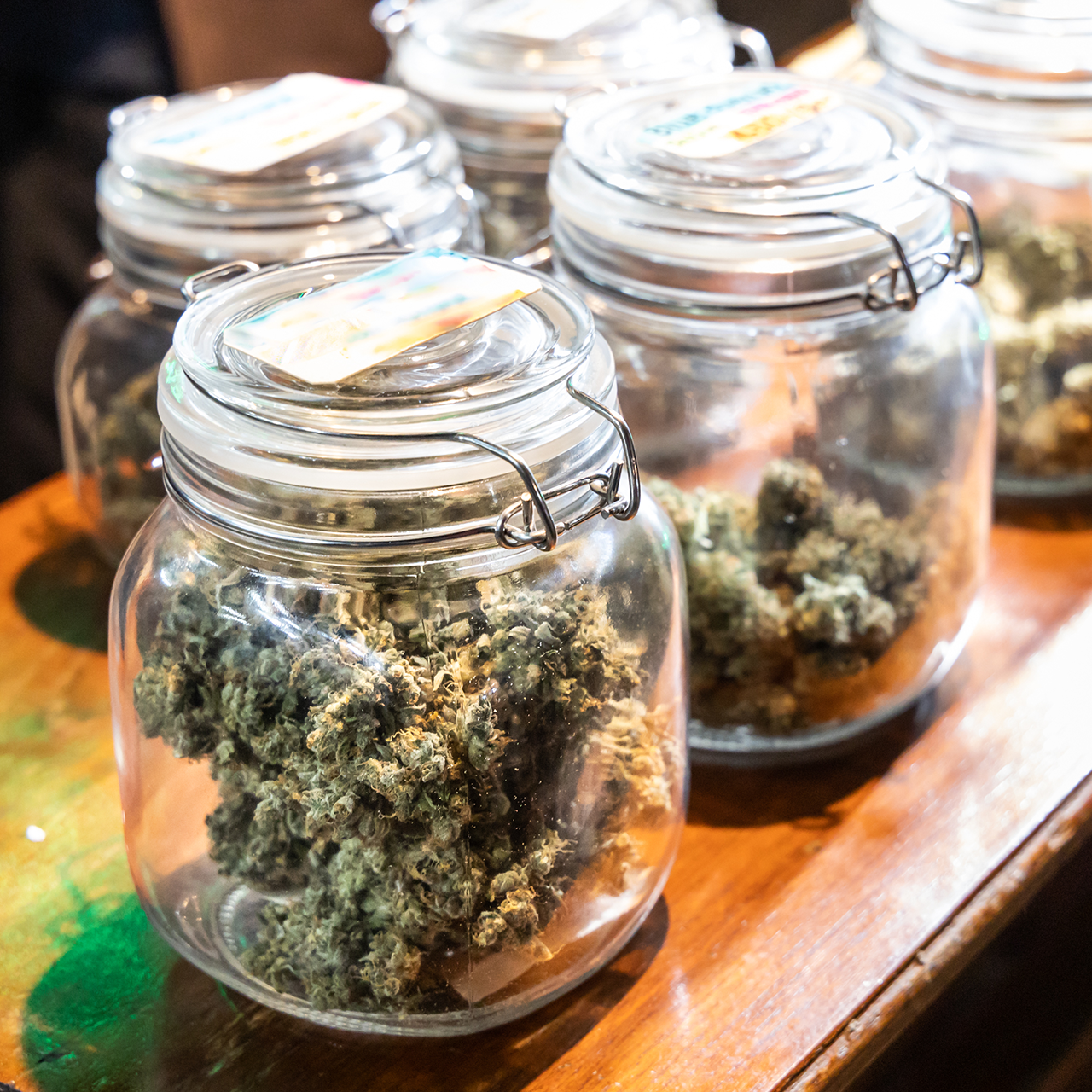
Cannabis inventory represents a concentrated, high-value asset that requires specialized protection. Standard commercial property policies typically exclude cannabis products, leaving dispensaries vulnerable without purpose-built coverage.
Commercial Property and Specialized Crop Insurance
Commercial property insurance for dispensaries must explicitly include cannabis inventory coverage. Your policy should cover the building (if owned), tenant improvements, equipment, furniture, fixtures, and inventory at replacement cost rather than actual cash value.
Inventory valuation presents unique challenges. Cannabis products fluctuate in market value, and determining replacement cost requires clear documentation of purchase prices, testing costs, and current market rates. Work with your insurer to establish agreed-upon valuation methods before a loss occurs.
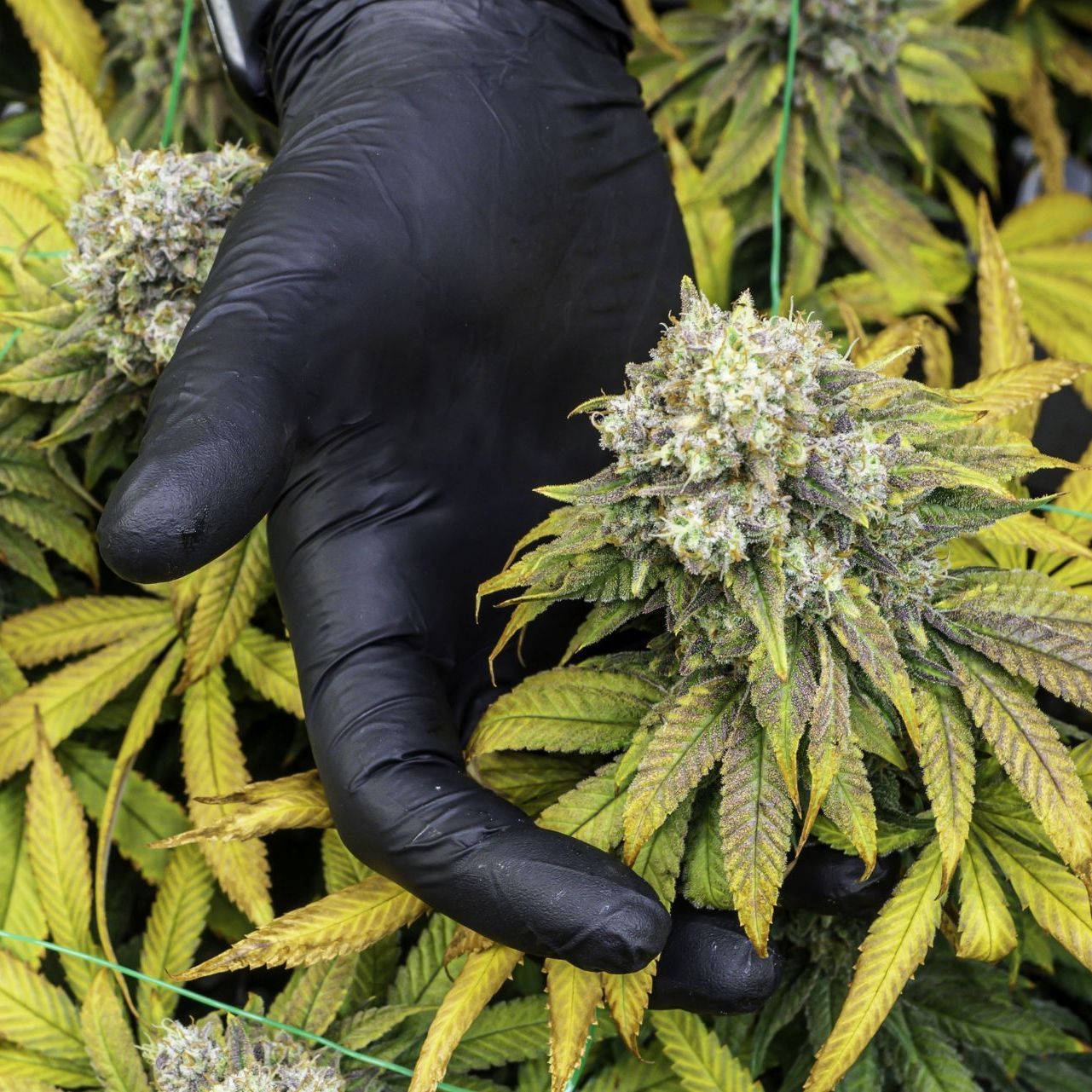
If your dispensary maintains any cultivation operations, crop insurance becomes relevant. Standard agricultural policies exclude cannabis, but specialized cannabis crop insurance covers losses from equipment failure, pest infestation, mold, and other cultivation-specific perils.
Theft, Vandalism, and Cash-in-Transit Solutions
Dispensaries face elevated theft risk due to the value and desirability of their inventory combined with the cash-heavy nature of operations. Your property policy should include specific coverage for theft, burglary, and robbery with limits adequate to cover maximum inventory levels and cash on hand.
Cash-in-transit coverage protects money being transported between your dispensary and banking facilities. Given the distances some dispensaries must travel to reach cannabis-friendly financial institutions, this coverage fills a critical gap.
Security system requirements often accompany theft coverage. Insurers typically mandate specific alarm systems, surveillance cameras, safes, and access controls as conditions of coverage. Failing to maintain required security measures can void your policy entirely.
Employment and Management Risk Mitigation
Your employees and management team create distinct insurance needs that require separate policy types. Employment-related claims rank among the most common lawsuits businesses face.
Minnesota Workers' Compensation Compliance
Minnesota law requires workers' compensation coverage for virtually all employers, and dispensaries are no exception. This coverage pays for medical treatment and lost wages when employees suffer work-related injuries or illnesses.
Finding workers' compensation coverage for cannabis businesses has historically proved difficult, though options have expanded in recent years. Several carriers now offer cannabis-specific workers' comp policies, and Minnesota's assigned risk pool provides coverage of last resort for businesses unable to obtain coverage in the voluntary market.
Classification codes affect your premium significantly. Dispensary employees typically fall under retail classifications, but any cultivation or processing activities require separate, higher-rated classifications. Misclassifying employees can result in premium audits, back-charges, and potential coverage disputes.
Directors and Officers (D&O) Insurance for Stakeholders
Directors and officers insurance protects your management team and board members against claims of mismanagement, breach of fiduciary duty, and regulatory violations. In the heavily regulated cannabis industry, D&O coverage provides essential protection for decision-makers.
Common D&O claims in cannabis businesses include investor lawsuits alleging misrepresentation, regulatory actions against individual officers, and disputes among ownership groups. Without D&O coverage, your executives face personal liability for these claims, which can deter qualified individuals from serving in leadership roles.

Cybersecurity and Data Privacy for Patient Records
Medical dispensaries collect and store sensitive patient information protected under state privacy laws. A data breach exposing patient names, medical conditions, and purchase histories creates substantial liability and reputational damage.
Cyber liability insurance covers breach notification costs, credit monitoring for affected patients, forensic investigation expenses, and legal defense costs. Many policies also cover ransomware payments and business interruption losses resulting from cyber attacks.
Minnesota's data breach notification requirements mandate specific response timelines and procedures. Your cyber policy should include breach response services that help you meet these obligations while managing the incident effectively.
Patient data represents a particularly sensitive category. Unlike general retail data breaches, dispensary breaches reveal information about patients' medical conditions and treatment choices. The reputational and legal consequences can exceed those of typical retail breaches.
Insurance costs for cannabis businesses typically exceed those for comparable non-cannabis retailers by significant margins. Strategic approaches can help control these costs while maintaining adequate coverage.
Working with brokers who specialize in cannabis insurance provides access to markets and products unavailable through generalist agents. These specialists understand coverage nuances, know which carriers offer the most competitive rates for your specific operation, and can advocate effectively during underwriting.
Risk management investments pay dividends through premium reductions. Comprehensive security systems, documented employee training programs, quality control procedures, and safety protocols demonstrate to underwriters that your operation presents lower-than-average risk.
Consider higher deductibles if your cash flow supports absorbing smaller losses. Moving from a $5,000 to a $25,000 deductible can reduce premiums substantially while still protecting against catastrophic claims.
Frequently Asked Questions
Can I use my personal insurance to cover my dispensary business? Personal insurance policies exclude business activities. Operating a dispensary under personal coverage leaves you completely uninsured for business-related claims and may void your personal policies entirely.
What happens if my insurance carrier refuses to renew my policy? You'll need to find alternative coverage before your current policy expires. Work with a cannabis-specialized broker who can access surplus lines markets and identify carriers still writing new business in Minnesota.
Are my employees covered if they're injured during a robbery? Workers' compensation covers injuries sustained during robberies since they occur in the course of employment. Your general liability policy may also respond if the robbery resulted from inadequate security measures.
How do I prove my inventory value after a loss? Maintain detailed inventory records including purchase invoices, testing certificates, and current pricing documentation. Many insurers require periodic inventory reports as a policy condition.
Does insurance cover losses from regulatory actions? Standard policies exclude losses resulting from government seizure or regulatory enforcement. Some specialized policies offer limited coverage for defense costs in regulatory proceedings.
Making the Right Coverage Decision
Building comprehensive insurance protection for your Minnesota medical dispensary requires understanding both the unique risks you face and the limited market of carriers willing to provide coverage. The guidance throughout this Minnesota medical dispensary insurance coverage resource highlights essential coverages, but your specific operation may require additional protections based on your services, location, and business model.
Start by assessing your actual exposures rather than simply meeting minimum regulatory requirements. Work with brokers who understand cannabis insurance and can access specialized markets. Document your risk management practices thoroughly, as this documentation supports both coverage applications and premium negotiations.
The insurance landscape for cannabis businesses continues to evolve as more carriers enter the market and regulatory frameworks mature. Reviewing your coverage annually ensures your protection keeps pace with both your business growth and market developments.
About The Author: Deb Sculli
I’m Deb, a Cannabis Insurance Specialist focused on helping dispensaries, cultivators, and cannabis-related businesses find the right protection. With a strong understanding of the industry’s regulations and risks, I work hard to simplify the insurance process—so my clients stay compliant and confidently safeguard their operations and investments.
Contact Us
WHO WE HELP
Serving the Cannabis Supply Chain
We cover licensed operators at every stage.
OUR BLOGS
Resources for Cannabis Business Owners
Stay informed and protected with our latest posts.
COMMON QUESTIONS
Cannabis Insurance Made Clear
Answers to the questions we hear most from cannabis business owners.
What types of insurance do you offer for cannabis businesses?
We offer commercial property, general liability, product liability, crop insurance, workers’ compensation, and cyber liability tailored to cannabis operations. These policies address the most common risks, such as crop loss, product claims, and facility damage.
Our agents will help you match the right coverage to your business type and scale, whether you're a dispensary, grower, processor, or distributor.
Why is specialized cannabis insurance necessary?
Standard business policies often exclude cannabis-related activities, which leaves significant exposure gaps. Cannabis-specific insurance covers unique industry risks like product recalls, crop theft, and regulatory compliance.
Having the right policy also satisfies licensing, leasing, and vendor requirements, allowing your business to operate legally and securely.
How does your agency ensure compliance with state regulations?
Many states require proof of specific insurance types before issuing or renewing cannabis licenses. We stay up-to-date on regulatory changes and ensure your policies meet state and local mandates.
That means you avoid surprises during audits or inspections and maintain good standing with licensing authorities.
How fast can I get a quote and bind coverage?
Request a quote and you’ll typically receive a custom proposal within 24 hours. Once you review and accept it, coverage can often be bound the same day, so your business isn’t left exposed.
We streamline documentation and communication to make setup fast and clear—no confusing forms or delays.
Do you support multi-state cannabis businesses?
Yes. We are licensed to operate in 36 states, including major cannabis markets. Whether you’re operating in one state or across several, we can design policies that address your regulatory and risk needs.
As you expand, our team adjusts your coverage accordingly—keeping your protection consistent across state lines.
What should I consider when selecting cannabis insurance?
Begin by identifying your key exposures—crop value, product inventory, employee safety, or cyber data. From there, choose coverage that aligns with these risks instead of opting for a basic or low-cost solution.
Also, look for a provider with cannabis expertise and responsive claims support—this experience helps during actual loss events.
Contact Us
Phone
Address