Rhode Island Hydroponic Farm Business Insurance
See How We're Different
or call us: (215) 653-8411
Rhode Island's hydroponic farming sector faces a unique intersection of challenges that traditional agricultural insurance policies weren't designed to address. Your indoor growing operation depends on sophisticated climate control systems, automated nutrient delivery, and continuous power supply, all operating in a state where coastal storms can knock out electricity for days. A single equipment failure during peak growing season could mean losing an entire crop worth tens of thousands of dollars. Understanding the specific insurance protections available for hydroponic farm businesses in Rhode Island isn't optional: it's essential for protecting your investment in controlled environment agriculture. The Ocean State's compact geography means most indoor farms sit within striking distance of severe weather patterns, while its progressive agricultural policies create both opportunities and compliance requirements. Whether you're running a small vertical farm in Providence or a large greenhouse operation in the southern counties, the right insurance coverage serves as the foundation of your risk management strategy. This guide walks through the specific coverages, state requirements, and policy considerations that Rhode Island hydroponic operators need to understand before purchasing or renewing their business insurance.
Risk Assessment for Rhode Island Hydroponic Operations
Indoor agriculture eliminates many traditional farming risks like drought and soil-borne diseases, but it introduces an entirely different set of vulnerabilities. Your operation's profitability depends on equipment functioning properly around the clock, environmental controls maintaining precise conditions, and supply chains delivering nutrients and growing media on schedule. Understanding these risks helps you select appropriate coverage levels and avoid dangerous gaps in protection.
Mitigating High-Tech Equipment and Nutrient Film Technique Risks
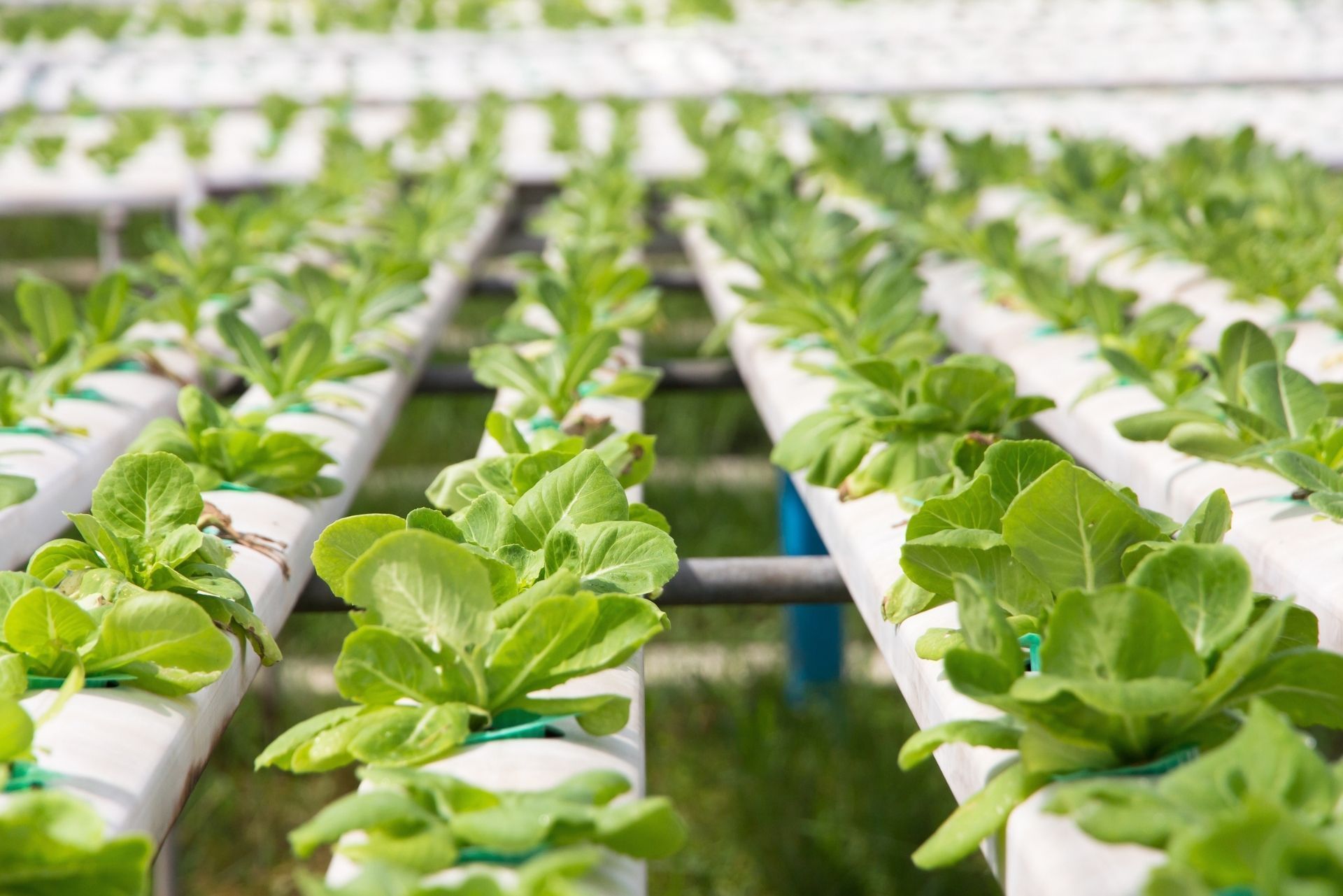
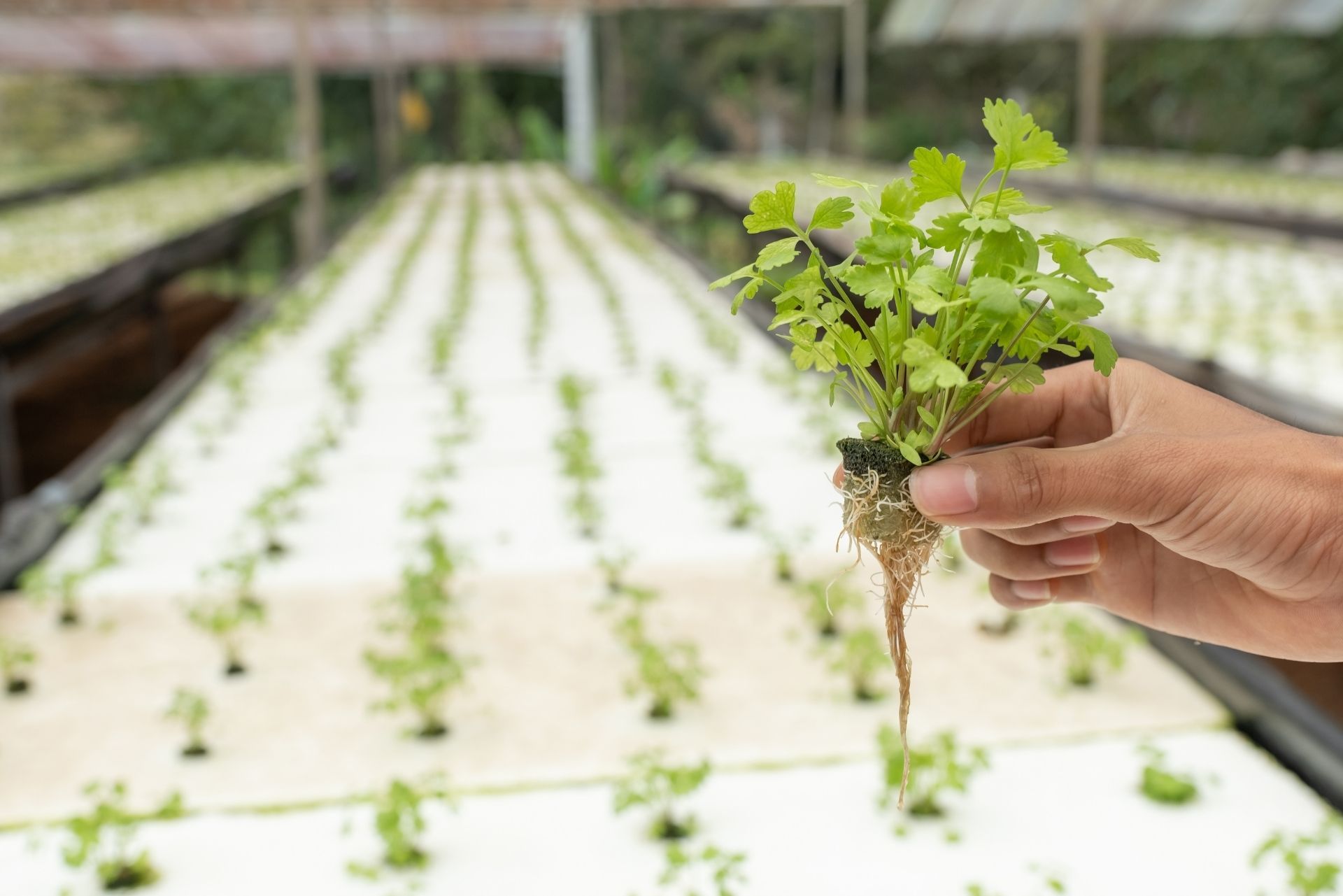
Nutrient Film Technique systems, deep water culture setups, and aeroponic towers all share one critical vulnerability: they stop working the moment something breaks. A failed pump in an NFT system means roots dry out within hours. A malfunctioning pH controller can render your nutrient solution toxic to plants overnight. These aren't theoretical concerns: they're the everyday realities that hydroponic operators manage.
Your growing systems likely include sensors, timers, dosing equipment, and climate control hardware worth substantial sums. Standard property insurance often excludes or undervalues specialized agricultural equipment. You'll need coverage that recognizes the replacement cost of commercial-grade hydroponic infrastructure and accounts for the installation expertise required to get systems operational again.
Coastal Storm and Power Outage Vulnerabilities
Rhode Island's position along the Atlantic coast exposes indoor farms to nor'easters, hurricanes, and severe thunderstorms that can interrupt power for extended periods. Your crops don't pause their metabolic processes during outages. Without backup power systems, a 48-hour blackout during summer can destroy months of work.
Insurance premiums depend on
coverage needs and the insurer's assessment of risk, including your
location relative to flood zones and your backup power capabilities. Operations with generator systems and uninterruptible power supplies typically qualify for better rates. Documenting your resilience measures helps during the underwriting process.
TruePath Insurance is fully licensed and authorized to provide comprehensive insurance solutions across multiple states.
We proudly serve individuals and businesses nationwide, offering access to trusted regional and national carriers. Our goal is to help clients find reliable, affordable coverage that aligns with their goals—whether for personal protection, business stability, or long-term financial security.
Core Insurance Coverages for Indoor Agriculture
Every hydroponic operation needs a foundation of standard business coverages adapted for the specific demands of controlled environment agriculture. These policies protect against the most common and potentially devastating losses your farm might experience.
Commercial Property and Crop Loss Protection
Commercial property insurance covers your building, equipment, and inventory against fire, theft, vandalism, and certain weather events. For hydroponic farms, the "inventory" category includes your growing crops: a significant asset that fluctuates in value throughout each growth cycle.
Crop insurance for indoor operations differs substantially from traditional field crop coverage. You'll need to document your production capacity, typical yields, and market values to establish appropriate coverage limits. Some insurers offer specialized greenhouse and indoor farm endorsements that better reflect the realities of controlled environment production.
General Liability and Product Safety Coverage
General liability protects your business when someone gets injured on your property or claims your products caused them harm. The average hydroponics farm spends between $400 and $1,500 annually for $1 million in general liability coverage, though your specific costs depend on your operation's size and sales channels.
Product liability becomes particularly important if you sell directly to consumers or restaurants. A foodborne illness outbreak traced to your produce could generate claims far exceeding a basic policy's limits. Consider higher coverage amounts if you operate a farm stand, participate in farmers markets, or supply commercial kitchens.
Equipment Breakdown and Spoilage Insurance
Standard property policies typically exclude mechanical breakdown from coverage. Equipment breakdown insurance fills this gap, covering repair or replacement costs when your HVAC systems, pumps, or electrical equipment fail due to mechanical or electrical causes rather than external damage.
Spoilage coverage pays for crop losses resulting from equipment failures. This protection proves invaluable when a refrigeration unit dies and ruins harvested produce or when a heating system failure allows temperatures to drop below plant tolerance levels.
Farm insurance is crucial due to the inherent dangers of farming and the potential financial ramifications of such mishaps.
Rhode Island State Compliance and Requirements
Operating legally in Rhode Island means meeting specific insurance requirements set by state law. These mandates protect your employees, the environment, and the public from potential harms associated with agricultural operations.
Workers' Compensation Laws for Agricultural Employees
Rhode Island requires most employers to carry workers' compensation insurance, though agricultural operations have historically enjoyed certain exemptions. The rules can be complex: your specific obligations depend on how many employees you have, their employment status, and the nature of their work.
Don't assume you're exempt without consulting a knowledgeable insurance professional or attorney. Penalties for operating without required workers' comp coverage include fines and personal liability for employee injuries. Even if you qualify for an exemption, voluntary coverage often makes sense given the physical nature of farm work.
Environmental Regulations and Pollution Liability
Hydroponic operations use concentrated nutrients, pH adjusters, and sometimes pesticides that could contaminate soil or groundwater if released improperly. Rhode Island's Department of Environmental Management enforces regulations covering waste disposal, water discharge, and chemical storage.
Pollution liability insurance protects against cleanup costs and third-party claims arising from accidental releases. Standard general liability policies typically exclude pollution events, making separate coverage necessary for comprehensive protection. Your policy should address both sudden releases and gradual contamination discovered over time.
Specialized Riders for Hydroponic Systems
Beyond core coverages, hydroponic operations benefit from specialized endorsements addressing risks unique to indoor agriculture. These riders customize your policy to match your actual exposure profile.
Water Damage and Leakage Coverage
Water is everywhere in a hydroponic facility: in reservoirs, flowing through channels, circulating through pipes, and suspended in humid air. Standard property policies often limit water damage coverage to specific causes like burst pipes while excluding gradual leaks or overflow events.
Urban vertical farms need detailed liability and property insurance due to their proximity to other projects, parks, or housing units. A reservoir failure in a multi-tenant building could damage neighboring businesses, generating substantial liability claims. Water damage endorsements expand your protection to cover these scenarios.
Cyber Liability for Automated Grow Systems
Modern hydroponic operations increasingly rely on networked sensors, automated controls, and cloud-based monitoring systems. These technologies improve efficiency but create cybersecurity vulnerabilities. A hacker who gains access to your climate controls could destroy crops by manipulating temperature or humidity settings.
Cyber liability insurance covers costs associated with data breaches, system intrusions, and resulting business interruption. As automation becomes standard in controlled environment agriculture, this coverage transitions from optional to essential.
Steps to Securing a Policy in the Ocean State
Finding appropriate coverage requires preparation and careful insurer selection. The following steps help ensure you get policies that actually protect your operation at competitive rates.
Calculating Total Insurable Value of Indoor Assets
Before requesting quotes, inventory everything your business owns and determine replacement costs. Include growing systems, environmental controls, lighting, building improvements, harvested inventory, and crops in progress. Don't forget mobile equipment, delivery vehicles, and stored supplies.
Your total insurable value determines your coverage limits. Underinsuring saves premium dollars but leaves you exposed to devastating losses. Most policies pay claims based on the proportion of actual value you've insured, meaning 50% coverage might only pay 50% of a partial loss.
| Asset Category | Typical Items | Valuation Method |
|---|---|---|
| Growing Systems | Channels, reservoirs, pumps | Replacement cost |
| Climate Control | HVAC, dehumidifiers, CO2 systems | Replacement cost |
| Lighting | Fixtures, ballasts, controls | Replacement cost |
| Crops | Plants in production | Market value at harvest |
| Inventory | Harvested produce, supplies | Current market value |
Selecting an Underwriter Familiar with Controlled Environment Agriculture
Not all insurance companies understand hydroponic farming. Working with an underwriter experienced in controlled environment agriculture means faster quotes, appropriate coverage recommendations, and smoother claims processing. Specialized programs like GrowPro, which carries an A+ rating from A.M. Best, focus specifically on greenhouse and nursery operations.
Ask potential insurers about their experience with hydroponic claims. Request references from other indoor agriculture clients. An agent who understands the difference between NFT and deep water culture can better assess your risks than one learning about hydroponics from your application.
Frequently Asked Questions
How much does hydroponic farm insurance cost in Rhode Island? Costs vary widely based on your operation's size, location, and coverage needs. General liability alone typically runs $400 to $1,500 annually for $1 million in coverage, with comprehensive packages costing significantly more.
Does standard farm insurance cover hydroponic operations? Traditional farm policies often exclude or inadequately cover indoor growing operations. You'll likely need specialized endorsements or policies designed for controlled environment agriculture.
What happens if my backup generator fails during a power outage? Equipment breakdown coverage can pay for generator repairs, while spoilage coverage addresses resulting crop losses. Review your policy's waiting periods and coverage triggers.
Are my employees covered under agricultural exemptions? Rhode Island's workers' compensation exemptions for agricultural workers have specific conditions. Consult with an insurance professional to determine your obligations based on employee count and job duties.
Do I need separate coverage for my delivery vehicle?
Yes. Commercial auto insurance covers vehicles used for business purposes. Your personal auto policy won't pay claims arising from delivery runs or farm-related errands.
Making the Right Coverage Decisions
Protecting your Rhode Island hydroponic operation requires understanding both the risks specific to indoor agriculture and the insurance products designed to address them. Start by documenting your assets, identifying your vulnerabilities, and calculating appropriate coverage limits. Then work with insurance professionals who understand controlled environment agriculture and can customize policies to your actual needs. The investment in proper coverage pays dividends when equipment fails, storms strike, or unexpected claims arise. Your hydroponic farm represents significant capital and expertise: protect it accordingly.
WHO WE HELP
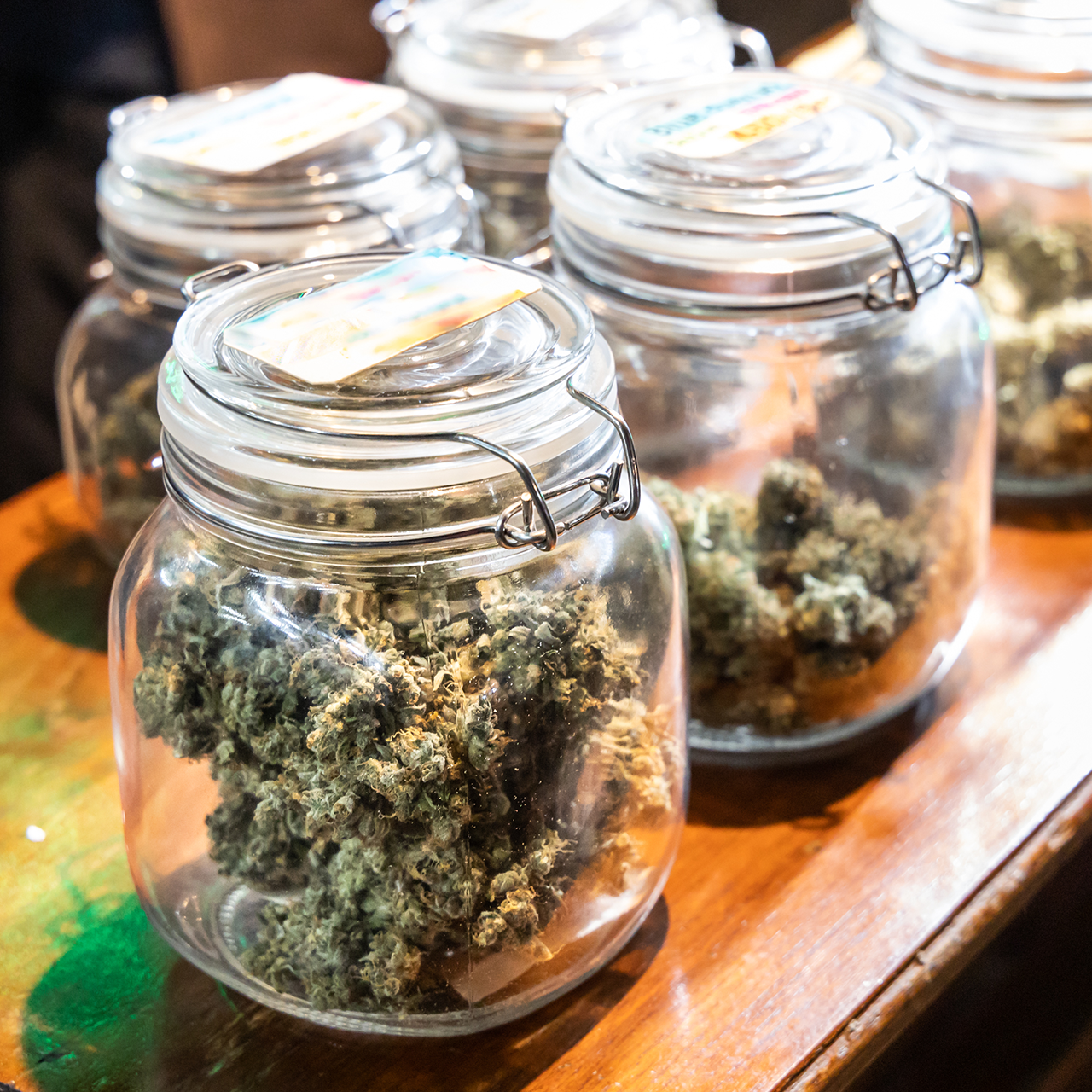
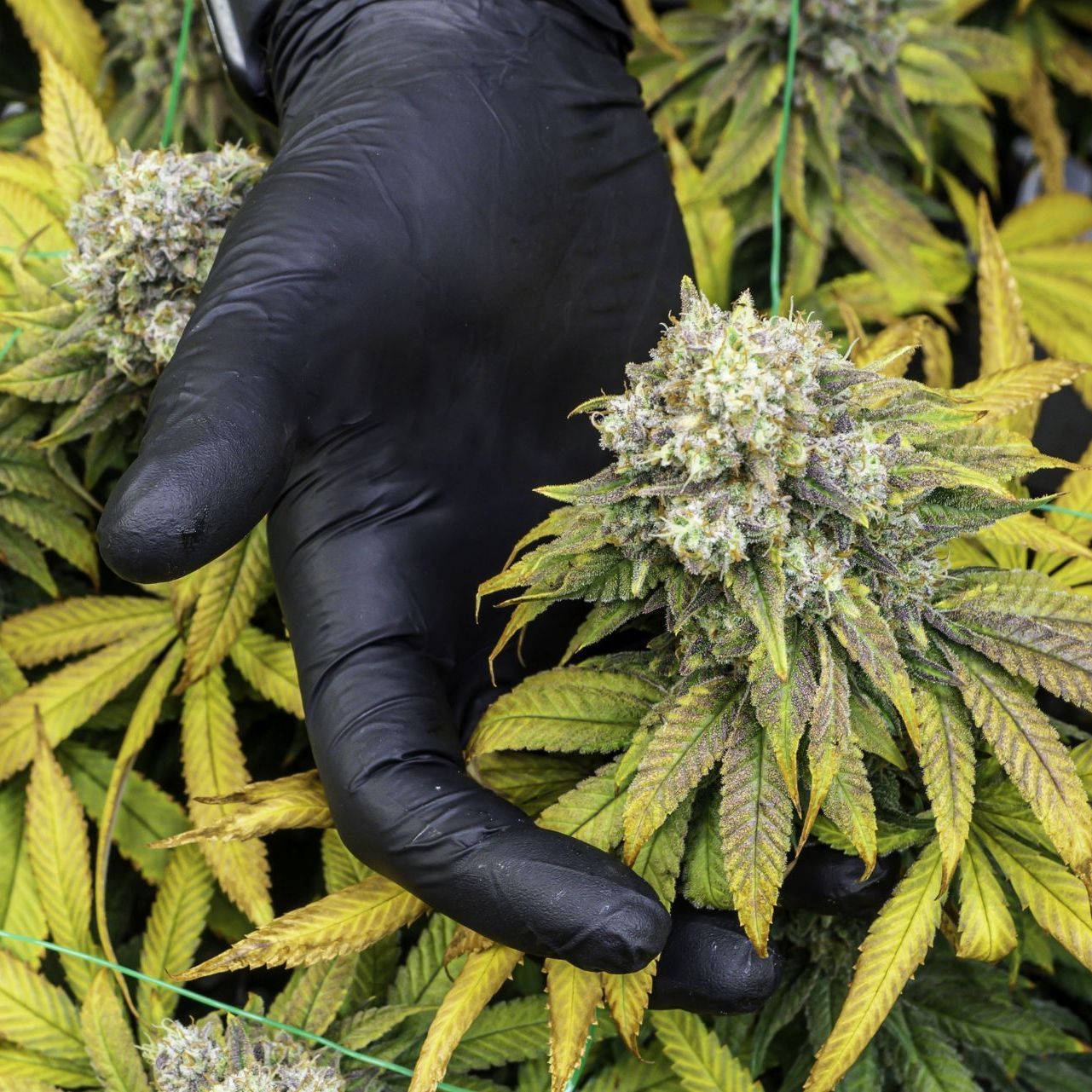
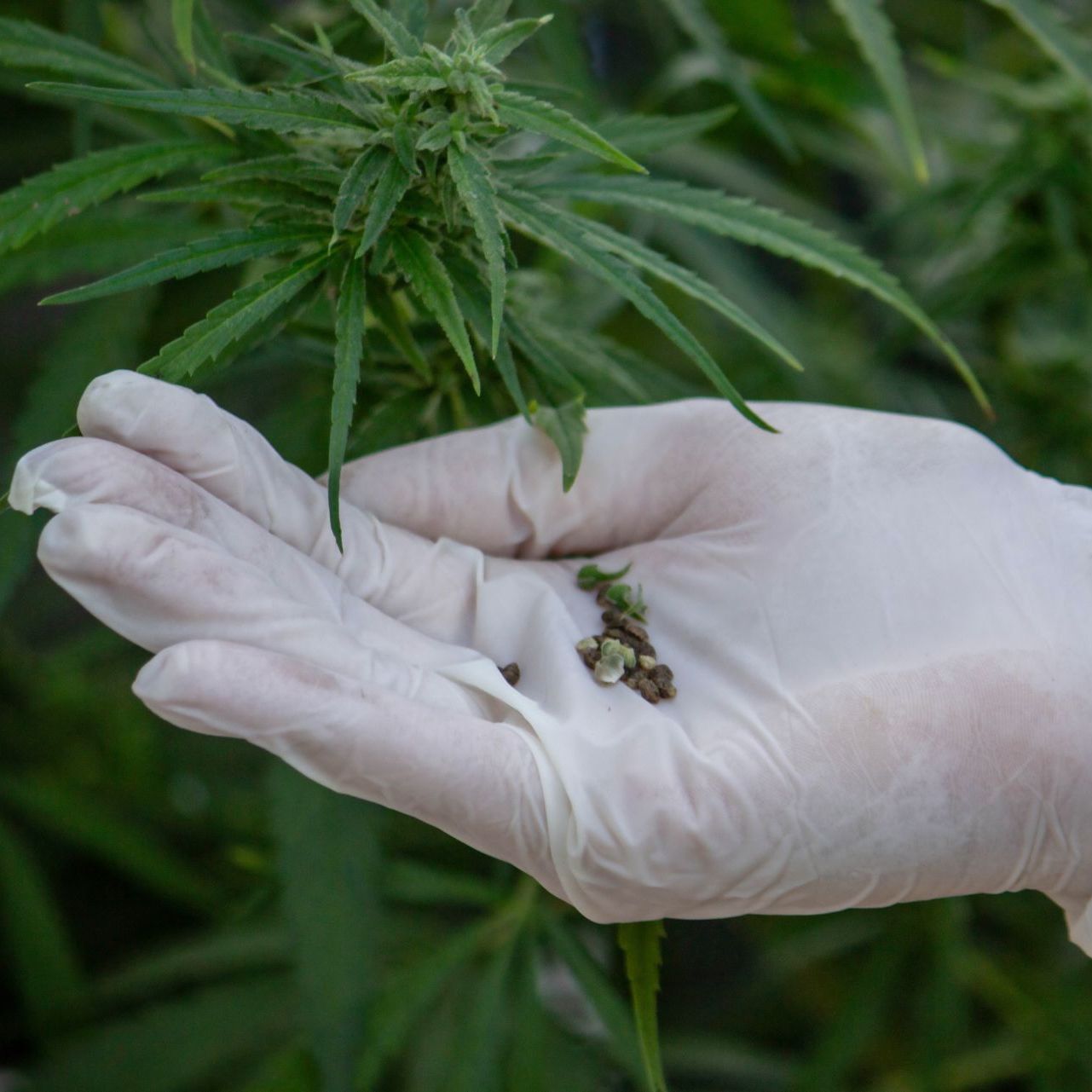
Serving the Cannabis Supply Chain
We cover licensed operators at every stage.
OUR BLOGS
Resources for Cannabis Business Owners
Stay informed and protected with our latest posts.
COMMON QUESTIONS
Cannabis Insurance Made Clear
Answers to the questions we hear most from cannabis business owners.
What types of insurance do you offer for cannabis businesses?
We offer commercial property, general liability, product liability, crop insurance, workers’ compensation, and cyber liability tailored to cannabis operations. These policies address the most common risks, such as crop loss, product claims, and facility damage.
Our agents will help you match the right coverage to your business type and scale, whether you're a dispensary, grower, processor, or distributor.
Why is specialized cannabis insurance necessary?
Standard business policies often exclude cannabis-related activities, which leaves significant exposure gaps. Cannabis-specific insurance covers unique industry risks like product recalls, crop theft, and regulatory compliance.
Having the right policy also satisfies licensing, leasing, and vendor requirements, allowing your business to operate legally and securely.
How does your agency ensure compliance with state regulations?
Many states require proof of specific insurance types before issuing or renewing cannabis licenses. We stay up-to-date on regulatory changes and ensure your policies meet state and local mandates.
That means you avoid surprises during audits or inspections and maintain good standing with licensing authorities.
How fast can I get a quote and bind coverage?
Request a quote and you’ll typically receive a custom proposal within 24 hours. Once you review and accept it, coverage can often be bound the same day, so your business isn’t left exposed.
We streamline documentation and communication to make setup fast and clear—no confusing forms or delays.
Do you support multi-state cannabis businesses?
Yes. We are licensed to operate in 36 states, including major cannabis markets. Whether you’re operating in one state or across several, we can design policies that address your regulatory and risk needs.
As you expand, our team adjusts your coverage accordingly—keeping your protection consistent across state lines.
What should I consider when selecting cannabis insurance?
Begin by identifying your key exposures—crop value, product inventory, employee safety, or cyber data. From there, choose coverage that aligns with these risks instead of opting for a basic or low-cost solution.
Also, look for a provider with cannabis expertise and responsive claims support—this experience helps during actual loss events.
Contact Us
Phone
Address