Maine Hydroponic Farm Business Insurance
See How We're Different
or call us: (215) 653-8411
Running a hydroponic operation in Maine presents a unique set of challenges that traditional farm insurance policies weren't designed to address. Your controlled-environment agriculture facility depends on sophisticated technology, precise environmental controls, and year-round production cycles that differ fundamentally from conventional farming. A single equipment failure during a February cold snap could devastate your entire crop within hours, and the financial consequences can be severe. Without proper insurance protection, a business could face financial ruin due to property loss or a lawsuit. This reality makes understanding your coverage options essential to protecting your investment. Maine's climate adds another layer of complexity, with heavy snow loads threatening greenhouse structures and frequent power outages putting your crops at risk. This guide for hydroponic farm owners in Maine walks you through the specific coverage types you'll need, state requirements you must meet, and strategies for finding the right policy for your operation.
Core Insurance Coverage for Maine Hydroponic Operations
Your hydroponic farm requires a foundation of standard business insurance policies, but each type needs specific modifications to address the realities of soilless agriculture. Understanding these core coverages helps you build a comprehensive protection plan.
General Liability and Product Safety
General liability insurance protects your operation when someone gets injured on your property or claims your products caused harm. For hydroponic farms selling directly to consumers, restaurants, or grocery stores, product liability coverage becomes particularly important. If a customer becomes ill and traces it back to your leafy greens or tomatoes, you'll face legal costs and potential settlements.
Your policy should cover slip-and-fall accidents in your facility, contamination claims, and damage caused by your products. Standard coverage limits typically start at $1 million per occurrence, though operations selling to large retailers may need higher limits to meet contract requirements.
Commercial Property and Specialized Greenhouse Coverage
Standard commercial property insurance covers your buildings, but hydroponic facilities need endorsements for specialized structures. Your greenhouse glazing, climate control systems, and growing infrastructure represent significant investments that require specific valuation methods.
Work with your insurer to establish replacement cost coverage rather than actual cash value. This distinction matters enormously when a storm damages your ten-year-old greenhouse, as replacement cost covers what you'll actually spend to rebuild, not the depreciated value of your existing structure.
Crop Insurance for Soilless Systems
Traditional crop insurance programs weren't designed with hydroponics in mind, creating coverage gaps for many growers. Maine is one of the states with historically low participation in the Federal Crop Insurance Program, which has made the Agricultural Management Assistance program available to help farmers access coverage.
Specialty crop insurance for hydroponic operations typically covers losses from disease, equipment failure, and environmental factors. Your policy should reflect the higher value per square foot that hydroponic crops represent compared to field-grown alternatives.
TruePath Insurance is fully licensed and authorized to provide comprehensive insurance solutions across multiple states.
We proudly serve individuals and businesses nationwide, offering access to trusted regional and national carriers. Our goal is to help clients find reliable, affordable coverage that aligns with their goals—whether for personal protection, business stability, or long-term financial security.
Protecting Specialized Hydroponic Equipment and Infrastructure
The technology driving your hydroponic operation represents both your greatest asset and your biggest vulnerability. Proper equipment coverage requires understanding exactly what can go wrong and how much it costs to fix.
Equipment Breakdown and System Failure
Equipment breakdown insurance, sometimes called boiler and machinery coverage, protects against mechanical and electrical failures. Your nutrient dosing systems, pumps, HVAC equipment, and lighting systems all qualify for this coverage.
The rapid advance and adoption of technologies for soilless farming have made hydroponics more efficient and accessible, but these tools also create new and potentially costlier liabilities, making specialized horticultural insurance coverage essential. A failed circulation pump might cost only $500 to replace, but the crop loss from a 24-hour outage could reach tens of thousands of dollars.
Nutrient Solution and Water Damage Protection
Water is everywhere in a hydroponic facility, and leaks cause both immediate damage and long-term problems. Your coverage should address burst pipes, tank failures, and the resulting damage to electrical systems and building components.
Nutrient solution spills present additional concerns, as the concentrated chemicals can damage flooring, contaminate soil, and create environmental liability issues. Discuss these specific risks with your agent to ensure your policy addresses them adequately.
Maine State Mandates and Regulatory Compliance
Operating legally in Maine means meeting specific insurance requirements. Failing to maintain required coverage can result in fines, license revocation, and personal liability exposure.
Workers' Compensation for Indoor Farm Staff
Maine law requires workers' compensation insurance for most employers, with limited exceptions for very small operations. Your hydroponic farm employees face risks from chemical exposure, repetitive motion injuries, and equipment accidents that workers' comp addresses.
Coverage costs vary based on your payroll and the specific job classifications of your workers. Employees handling pesticides or operating machinery typically fall into higher-risk categories than those doing only harvesting and packing work.
Commercial Auto Insurance for Distribution
If your farm operates delivery vehicles, Maine requires commercial auto insurance meeting specific liability minimums. Even if you use personal vehicles for occasional deliveries, your personal auto policy likely excludes business use.
Commercial auto coverage should include liability, collision, and comprehensive protection. Consider adding coverage for the products you're transporting, as standard policies may not cover crop losses from accidents.
Addressing Maine-Specific Environmental Risks
Maine's climate creates distinct challenges for hydroponic operations. Your insurance strategy must account for the environmental factors that threaten your facility and crops.
Winter Weather and Heavy Snow Load Coverage
Maine's winters bring significant snow accumulation that can collapse greenhouse structures. Your property insurance should specifically address snow load damage, as some policies exclude or limit this coverage.
| Coverage Type | What It Protects | Typical Limits |
|---|---|---|
| Snow Load Damage | Structural collapse from accumulation | Full replacement cost |
| Wind Damage | Glazing and frame damage | Subject to deductible |
| Ice Dam Coverage | Water intrusion from ice buildup | Varies by policy |
| Debris Removal | Cleanup after structural failure | 25% of loss amount |
Review your policy's winter weather provisions carefully. Some insurers require specific structural certifications or maintenance protocols as conditions of coverage.
Power Outage and Backup Generator Failure
Extended power outages occur regularly in rural Maine, and your crops can't survive long without climate control and circulation. Your insurance should cover crop losses from utility failures and equipment damage from power surges when service resumes.
Backup generator coverage matters too. If your generator fails during an outage, you need protection for both the equipment repair and the resulting crop losses. Some policies require documented maintenance records to honor generator-related claims.
Business Interruption and Revenue Protection
When disaster strikes, your losses extend beyond damaged property and dead crops. Business interruption insurance replaces the income you would have earned while your operation recovers.
Calculate your coverage needs based on your monthly revenue, fixed expenses, and realistic recovery timelines. A greenhouse fire might take six months to fully rebuild, and your policy should cover that entire period plus extra expense coverage for temporary solutions that keep some production running.
Consider contingent business interruption coverage if you depend on specific suppliers or customers. If your primary buyer goes out of business or your nutrient supplier can't deliver, this coverage helps bridge the gap.
Steps to Securing a Hydroponic Insurance Policy
Finding the right coverage requires preparation and the right professional guidance. These steps help you navigate the process efficiently.
Conducting a Thorough Risk Assessment
Before contacting insurers, document everything about your operation. Create a detailed inventory of equipment with serial numbers, purchase dates, and replacement costs. Photograph your facility thoroughly and update these records annually.
Identify your specific vulnerabilities by considering questions like: What happens if your main pump fails at 2 AM in January? How long can your crops survive without environmental controls? What's your backup plan if your primary buyer cancels their contract?
This assessment helps you communicate your needs clearly to agents and ensures you don't overlook important coverage areas.
Working with Agriculture-Specialized Agents
General insurance agents often lack experience with hydroponic operations. Seek out agents who specialize in agricultural or horticultural coverage, as they understand the unique risks and know which carriers offer appropriate products.
The Maine Bureau of Insurance provides guidance on coverage questions and can be contacted at (800) 300-5000 within Maine or (207) 624-8475. They can help you understand your rights and options if you're having difficulty finding coverage.
Request quotes from multiple carriers, as pricing and coverage terms vary significantly. The
farm and agriculture insurance market has experienced softening in most regions, which may work in your favor during negotiations.
Frequently Asked Questions
Does regular farm insurance cover hydroponic operations? Standard farm policies typically exclude or inadequately cover hydroponic facilities. You'll need endorsements or specialized policies addressing your technology, controlled environment, and soilless growing methods.
How much does hydroponic farm insurance cost in Maine? Premiums vary widely based on facility size, crop value, equipment, and coverage limits. Expect to pay between $3,000 and $15,000 annually for a small to mid-sized operation with comprehensive coverage.
Are my crops covered if the power goes out? Coverage depends on your specific policy terms. Many require documented backup power systems and maintenance records. Review your policy's utility interruption provisions carefully.
Do I need separate coverage for farmers market sales? Your general liability policy should cover direct sales, but verify that your product liability limits are adequate. Some markets require certificates of insurance with specific coverage amounts.
What documentation do insurers require for hydroponic operations? Expect requests for equipment inventories, facility photographs, production records, food safety certifications, and maintenance logs. Having these organized speeds the underwriting process.
Protecting your Maine hydroponic operation requires coverage that matches your specific risks and operational realities. Start by documenting your facility thoroughly, then connect with an agriculture-specialized agent who understands controlled-environment farming. Compare quotes from multiple carriers, paying close attention to exclusions and coverage conditions. The investment in proper insurance protects not just your equipment and crops, but the business you've worked to build.
WHO WE HELP
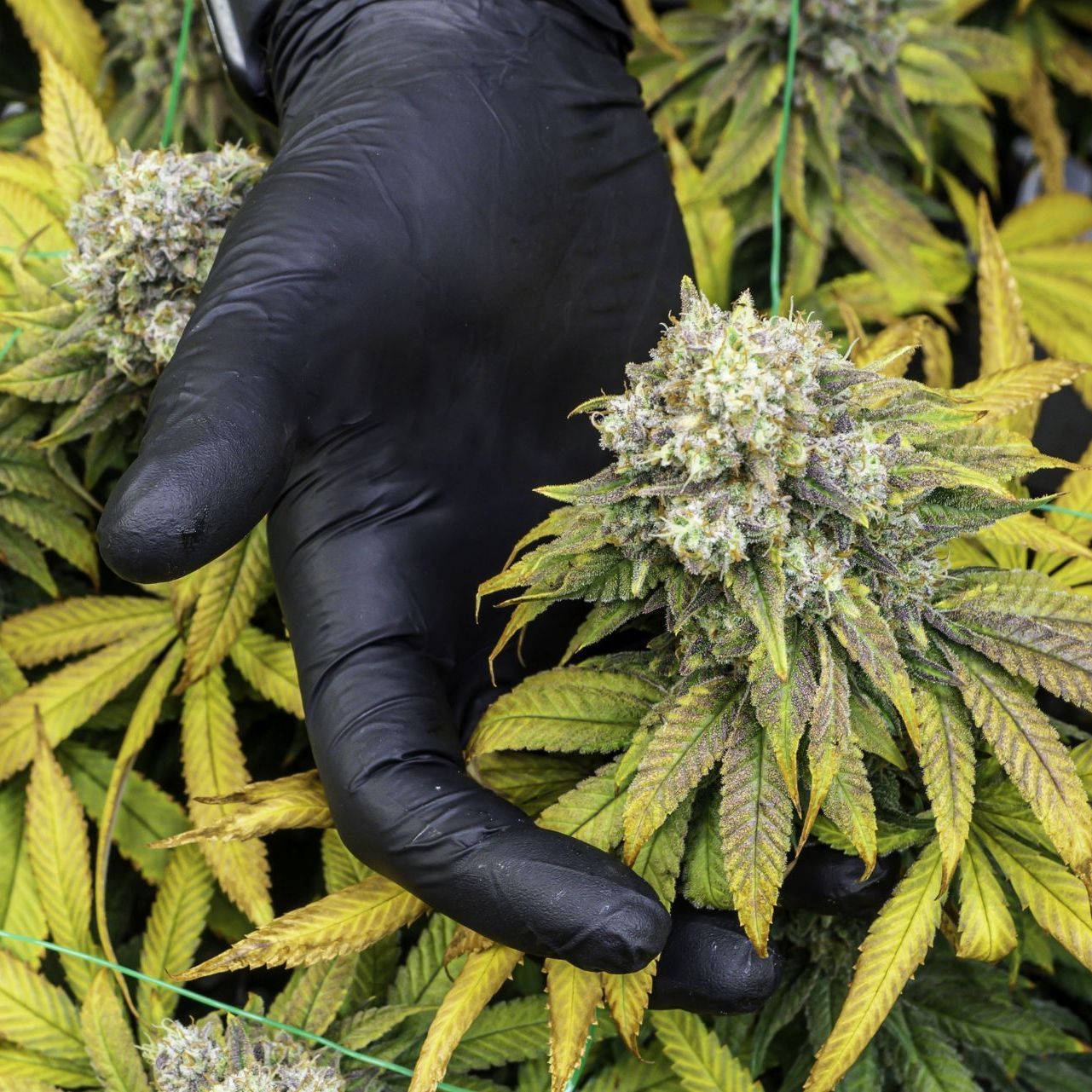
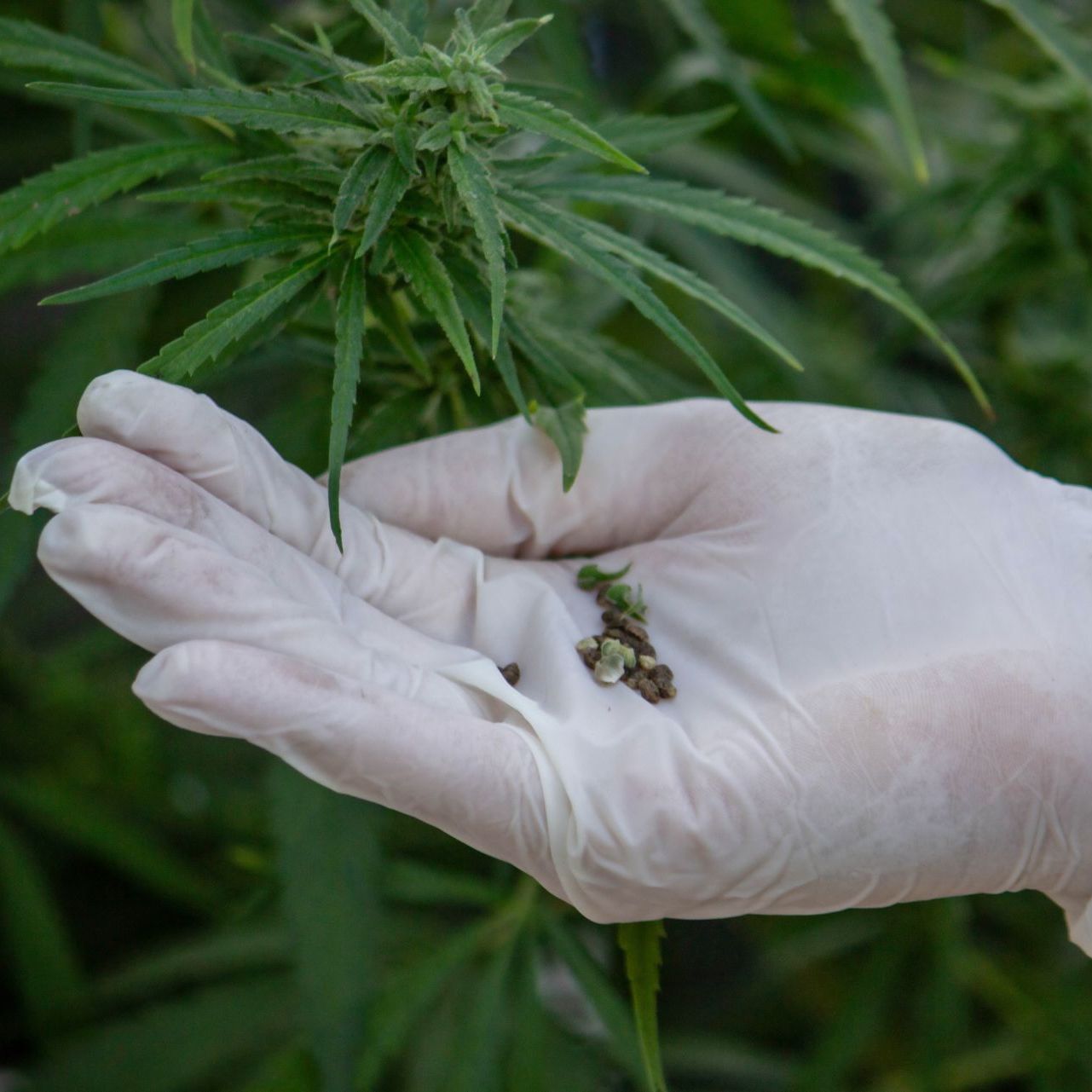
Serving the Cannabis Supply Chain
We cover licensed operators at every stage.

OUR BLOGS
Resources for Cannabis Business Owners
Stay informed and protected with our latest posts.
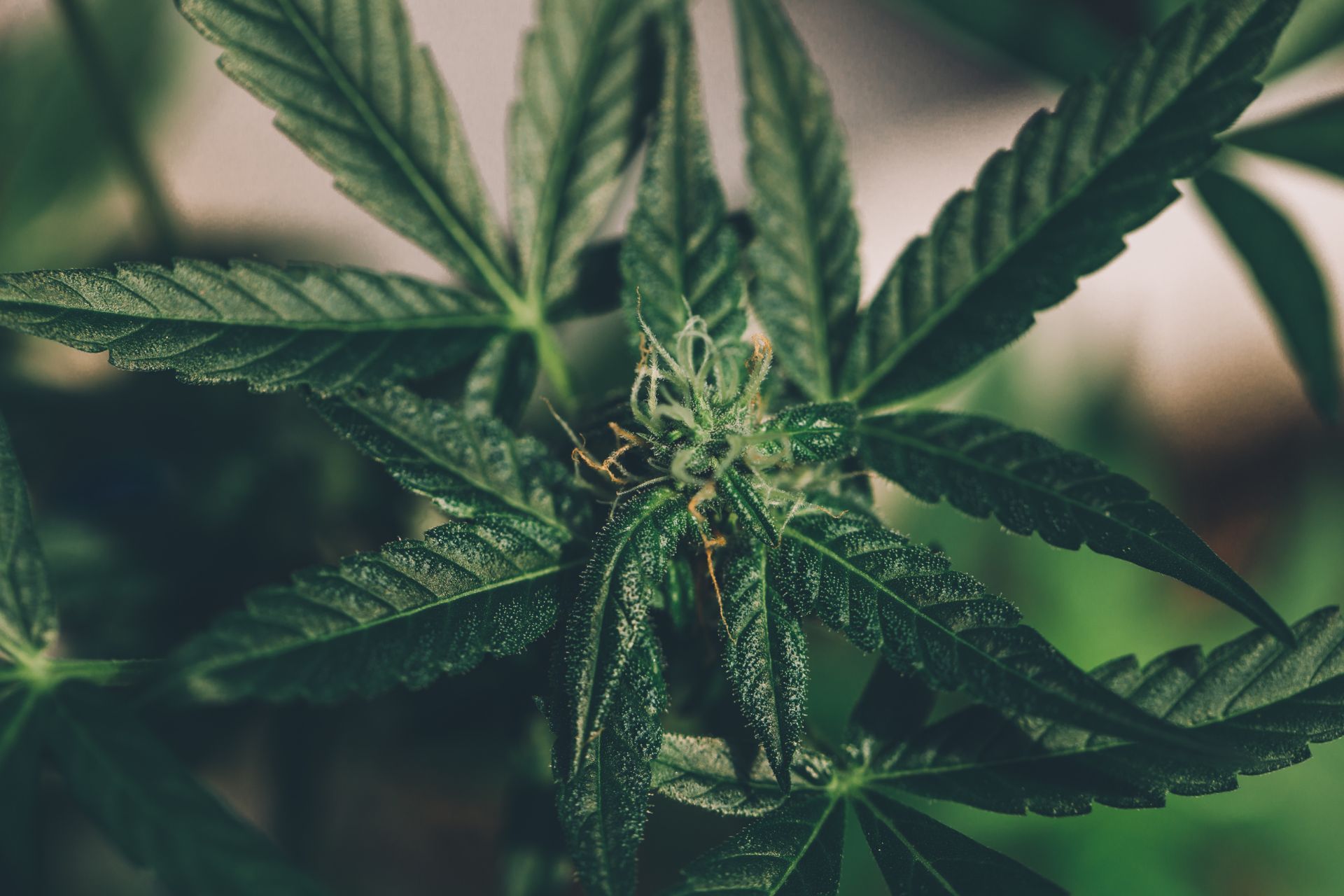
COMMON QUESTIONS
Cannabis Insurance Made Clear
Answers to the questions we hear most from cannabis business owners.
What types of insurance do you offer for cannabis businesses?
We offer commercial property, general liability, product liability, crop insurance, workers’ compensation, and cyber liability tailored to cannabis operations. These policies address the most common risks, such as crop loss, product claims, and facility damage.
Our agents will help you match the right coverage to your business type and scale, whether you're a dispensary, grower, processor, or distributor.
Why is specialized cannabis insurance necessary?
Standard business policies often exclude cannabis-related activities, which leaves significant exposure gaps. Cannabis-specific insurance covers unique industry risks like product recalls, crop theft, and regulatory compliance.
Having the right policy also satisfies licensing, leasing, and vendor requirements, allowing your business to operate legally and securely.
How does your agency ensure compliance with state regulations?
Many states require proof of specific insurance types before issuing or renewing cannabis licenses. We stay up-to-date on regulatory changes and ensure your policies meet state and local mandates.
That means you avoid surprises during audits or inspections and maintain good standing with licensing authorities.
How fast can I get a quote and bind coverage?
Request a quote and you’ll typically receive a custom proposal within 24 hours. Once you review and accept it, coverage can often be bound the same day, so your business isn’t left exposed.
We streamline documentation and communication to make setup fast and clear—no confusing forms or delays.
Do you support multi-state cannabis businesses?
Yes. We are licensed to operate in 36 states, including major cannabis markets. Whether you’re operating in one state or across several, we can design policies that address your regulatory and risk needs.
As you expand, our team adjusts your coverage accordingly—keeping your protection consistent across state lines.
What should I consider when selecting cannabis insurance?
Begin by identifying your key exposures—crop value, product inventory, employee safety, or cyber data. From there, choose coverage that aligns with these risks instead of opting for a basic or low-cost solution.
Also, look for a provider with cannabis expertise and responsive claims support—this experience helps during actual loss events.
Contact Us
Phone
Address