Connecticut Hydroponic Farm Business Insurance
See How We're Different
or call us: (215) 653-8411
Connecticut's controlled environment agriculture sector has grown significantly over the past decade, with hydroponic operations now producing everything from leafy greens to specialty herbs year-round. Yet many operators discover that standard farm insurance policies weren't designed for their unique business model. Between climate control systems, nutrient delivery equipment, and produce that never touches soil, hydroponic farms face risks that traditional coverage simply doesn't address. Understanding both the regulatory requirements and insurance options specific to Connecticut helps protect your investment while keeping your operation compliant. This guide walks through what you need to know about licensing, coverage types, labor laws, and environmental compliance for hydroponic farming in the Constitution State. The rapid advance and adoption of technologies for soilless farming have made hydroponics more efficient and accessible, but these tools also create new and potentially costlier liabilities that require specialized coverage.
Operating a hydroponic farm in Connecticut requires understanding multiple layers of state and local oversight. Your facility's classification determines which agencies you'll work with and what permits you'll need to secure.
State Licensing and Department of Agriculture Requirements
The Connecticut Department of Agriculture oversees agricultural operations throughout the state, including controlled environment agriculture facilities. You'll need to register your farm business and may require specific permits depending on what you grow and how you sell it. Farms with yearly gross sales of at least $2,500 can obtain a Farmers Tax Exemption Permit from the CT Department of Revenue Services, allowing you to purchase farm business-related supplies without paying sales tax.
Food safety certifications become relevant if you're selling directly to restaurants, grocery stores, or through farmers markets. The state's food safety modernization requirements may apply to your operation depending on annual revenue and distribution channels. Keep detailed records of your growing practices, water testing results, and any pesticide applications, as these documents support both regulatory compliance and insurance claims.
Local Zoning and Land Use for Controlled Environment Agriculture
Municipal zoning codes vary significantly across Connecticut's 169 towns. Some communities embrace indoor agriculture as economic development, while others haven't updated their ordinances to address it. Before signing a lease or purchasing property, verify that hydroponic farming is a permitted use in that zone. Industrial zones typically offer the most flexibility, but agricultural zones may provide property tax advantages.
Building permits are almost always required for new construction or significant renovations to existing structures. Your facility must meet building codes for electrical systems, fire suppression, and structural loading. Water usage permits may apply if you're drawing from municipal supplies at commercial volumes.
TruePath Insurance is fully licensed and authorized to provide comprehensive insurance solutions across multiple states.
We proudly serve individuals and businesses nationwide, offering access to trusted regional and national carriers. Our goal is to help clients find reliable, affordable coverage that aligns with their goals—whether for personal protection, business stability, or long-term financial security.
Core Insurance Coverages for Indoor Growing Operations
The typical hydroponics farm in the United States pays $400 to $1,500 per year for $1 million in general liability insurance. Your actual premiums depend on facility size, revenue, and the specific coverages you select.
General Liability and Product Liability for Fresh Produce
General liability protects your business when visitors, delivery drivers, or customers suffer injuries on your property. Product liability becomes critical when you're selling food products that consumers will eat. If contaminated produce causes illness, product liability coverage responds to medical expenses and legal claims.
Fresh produce carries inherent risks that processed foods don't. Listeria, E. coli, and salmonella outbreaks have all been traced to leafy greens, making product liability coverage essential for hydroponic vegetable producers. Your policy should cover recall expenses if you need to pull product from store shelves.
Commercial Property and Specialized Equipment Protection
Standard commercial property policies cover your building, but hydroponic equipment requires careful attention. Growing systems, lighting arrays, climate control units, and nutrient dosing equipment represent substantial investments. Make sure your policy values this equipment at replacement cost rather than actual cash value, which deducts for depreciation.
Inventory coverage protects your crops at various growth stages. Work with your insurer to establish accurate valuations for plants at different points in the production cycle. A crop loss two weeks before harvest costs more than losing seedlings.
Crop Insurance for Soilless Systems and Nutrient Solutions
Traditional crop insurance programs weren't designed for hydroponic production, creating coverage gaps for indoor growers. The USDA's Whole-Farm Revenue Protection program is tailored for farms with up to $17 million in insured revenue and may cover hydroponic operations under certain conditions. This program protects against revenue loss rather than specific perils.
Private insurers have developed specialty crop coverage for controlled environment agriculture. These policies address risks specific to soilless growing, including nutrient solution contamination, pH imbalances that damage crops, and system failures that affect entire growing areas simultaneously.
Mitigating Hydroponic-Specific Operational Risks
Indoor growing operations face risks that traditional farms don't encounter. Your insurance program should address these specific exposures.
Equipment Breakdown and Power Outage Endorsements
Equipment breakdown coverage pays for mechanical and electrical failures that standard property policies exclude. When your climate control system fails in July, this coverage pays for repairs and the resulting crop loss. Power outage endorsements extend protection to utility failures beyond your control.
| Coverage Type | What It Covers | Typical Limits |
|---|---|---|
| Equipment Breakdown | Mechanical/electrical failure | $50,000-$500,000 |
| Power Outage | Utility service interruption | 24-72 hour waiting period |
| Business Interruption | Lost income during repairs | 6-12 months coverage |
| Spoilage | Crop loss from equipment failure | Actual crop value |
Generator backup systems reduce your risk exposure and may lower premiums. Document your backup power capacity when applying for coverage.
Water Damage, Leakage, and Nutrient Film Technique Risks
Water is everywhere in a hydroponic facility, creating constant exposure to leakage and flooding. Nutrient film technique systems circulate water continuously, meaning a single failed fitting can release thousands of gallons. Standard water damage coverage may exclude gradual leakage, so review policy language carefully.
Flood insurance through the National Flood Insurance Program may be required if your facility sits in a flood zone. Even locations outside designated flood areas can experience flooding from
severe storms. Consider excess flood coverage if your equipment value exceeds NFIP limits.
Connecticut Labor Laws and Workers' Compensation
Connecticut businesses with one or more employees are generally required to carry workers' compensation insurance. Agricultural operations receive some exemptions under state law, but these exemptions narrow as your workforce grows.
Mandatory Coverage Limits for Agricultural Employees
Connecticut's workers' compensation requirements apply to most hydroponic farm employees. The agricultural exemption primarily covers small family farms with limited hired labor. Once you're employing non-family workers regularly, you'll likely need coverage. Penalties for operating without required workers' compensation include fines and personal liability for employee injuries.
Workers' compensation premiums depend on your payroll and the classification codes assigned to different job functions. Employees working with electrical systems or at heights may carry higher rates than those handling plant care at ground level.
Safety Protocols for Vertical Farming and High-Tech Facilities
Vertical farming operations introduce fall hazards that horizontal growing doesn't present. Employees working on elevated platforms or using lifts to access upper growing levels need appropriate training and safety equipment. Document your safety protocols and training programs, as these records support both regulatory compliance and favorable insurance treatment.
High-tech facilities also present electrical hazards from lighting systems and automated equipment. Lockout/tagout procedures protect employees during maintenance. Regular safety audits identify hazards before they cause injuries.
Environmental Compliance and Sustainability Incentives
Connecticut's Department of Energy and Environmental Protection regulates water discharge, waste handling, and pollution prevention for agricultural operations.
Water Discharge Permits and DEEP Regulations
If your facility discharges wastewater to surface waters or storm drains, you'll need permits from DEEP. Even discharge to municipal sewer systems may require pretreatment to meet local limits on nutrients and chemicals. Nutrient-rich wastewater from hydroponic systems can cause environmental harm if not properly managed.
Many hydroponic operations recirculate water to minimize discharge and reduce operating costs. Closed-loop systems may simplify your permitting requirements while demonstrating environmental responsibility.
Pollution Liability and Waste Management Coverage
Pollution liability coverage protects against claims arising from contamination events. Pesticide drift, nutrient runoff, or chemical spills can trigger cleanup costs and third-party claims. Standard general liability policies typically exclude pollution, making separate coverage necessary.
Waste management practices affect both compliance and coverage. Proper disposal of growing media, nutrient solutions, and plant waste demonstrates responsible operations. Document your waste handling procedures for both regulators and insurers.
Several strategies help Connecticut hydroponic farms obtain favorable insurance pricing. Work with agents who understand controlled environment agriculture rather than general farm insurance specialists. These agents know which carriers offer appropriate coverage and competitive rates for indoor growing operations.
Bundle multiple coverages with a single carrier when possible. Combining general liability, property, equipment breakdown, and business interruption coverage often produces better pricing than purchasing separate policies. Package policies designed for hydroponic operations exist but aren't widely marketed.
Risk management investments pay dividends through lower premiums. Backup power systems, water leak detection, temperature monitoring with remote alerts, and documented safety programs all demonstrate reduced risk. Provide insurers with detailed information about your risk controls during the application process.
Minimum commercial auto insurance coverage in Connecticut includes bodily injury liability of $25,000 per person and $50,000 per accident, plus property damage liability of $25,000 per accident. If you operate delivery vehicles, these minimums apply, though higher limits are advisable for commercial operations.
Frequently Asked Questions
Does standard farm insurance cover hydroponic operations? Most standard farm policies weren't designed for indoor growing and exclude key hydroponic risks. You'll typically need specialized horticultural coverage or endorsements that address equipment breakdown, crop loss from system failures, and controlled environment exposures.
What workers' compensation exemptions apply to Connecticut farms? Small family farms with limited hired labor may qualify for exemptions, but most commercial hydroponic operations with non-family employees need coverage. Consult with an insurance professional to determine your specific requirements.
How do I insure crops that aren't in soil? USDA's Whole-Farm Revenue Protection program may cover hydroponic crops, and private insurers offer specialty policies for controlled environment agriculture. Work with agents experienced in horticultural insurance to find appropriate options.
Are there Connecticut programs that help with insurance costs? The Connecticut Farm Risk Management and Crop Insurance Program provides resources and may offer premium assistance for qualifying operations. Contact the Department of Agriculture for current program details.
What environmental permits do hydroponic farms need? Permit requirements depend on your water source, discharge practices, and facility location. Operations discharging wastewater typically need DEEP permits, while those using closed-loop systems may have simpler requirements.
Protecting your Connecticut hydroponic operation requires attention to both regulatory compliance and appropriate insurance coverage. Start by confirming your licensing and permit requirements with state and local agencies. Then work with an insurance professional who understands controlled environment agriculture to build a coverage program that addresses your specific risks. Request quotes from multiple carriers, provide detailed information about your risk management practices, and review policy language carefully before binding coverage. The investment in proper protection allows you to focus on growing your business rather than worrying about what happens when something goes wrong.
WHO WE HELP
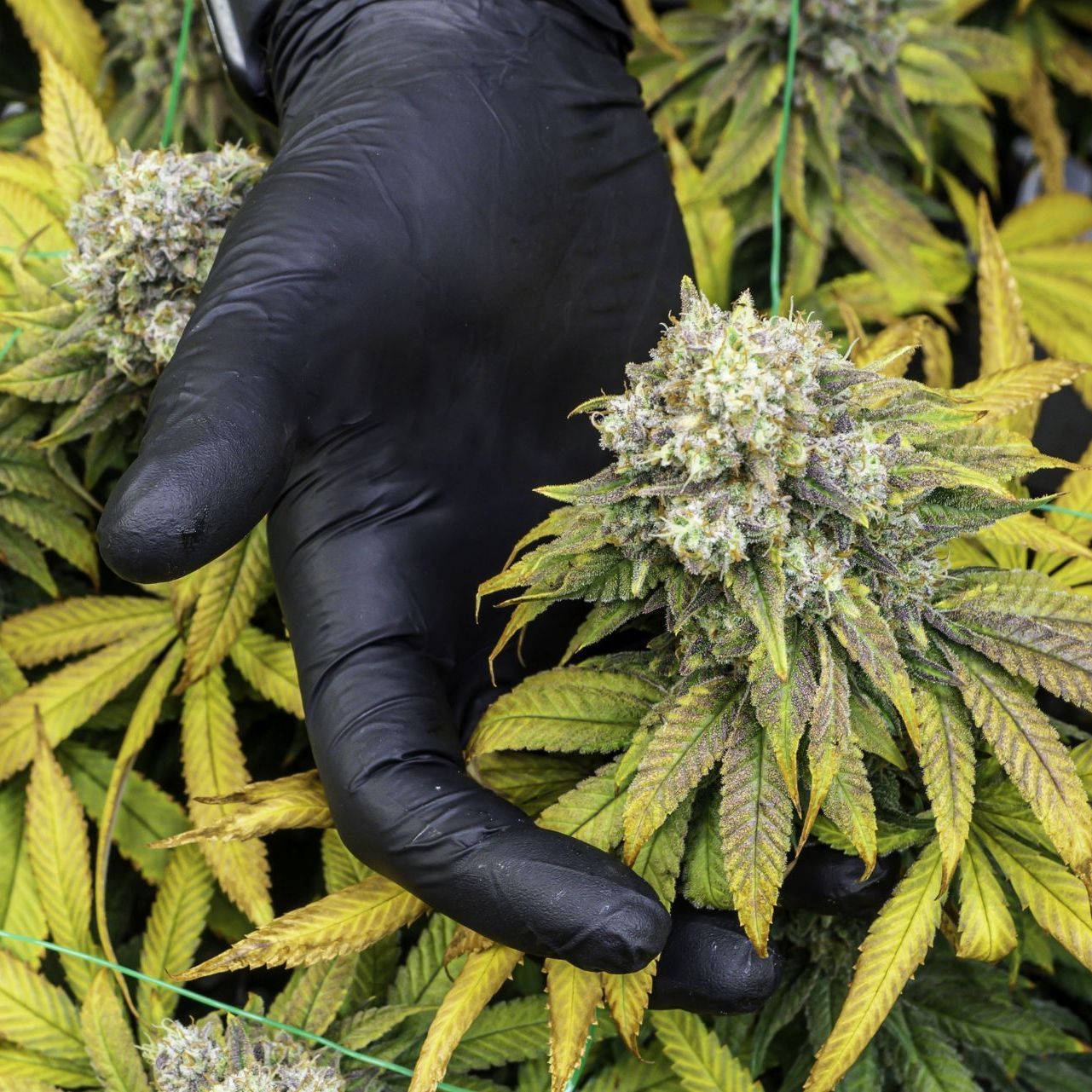
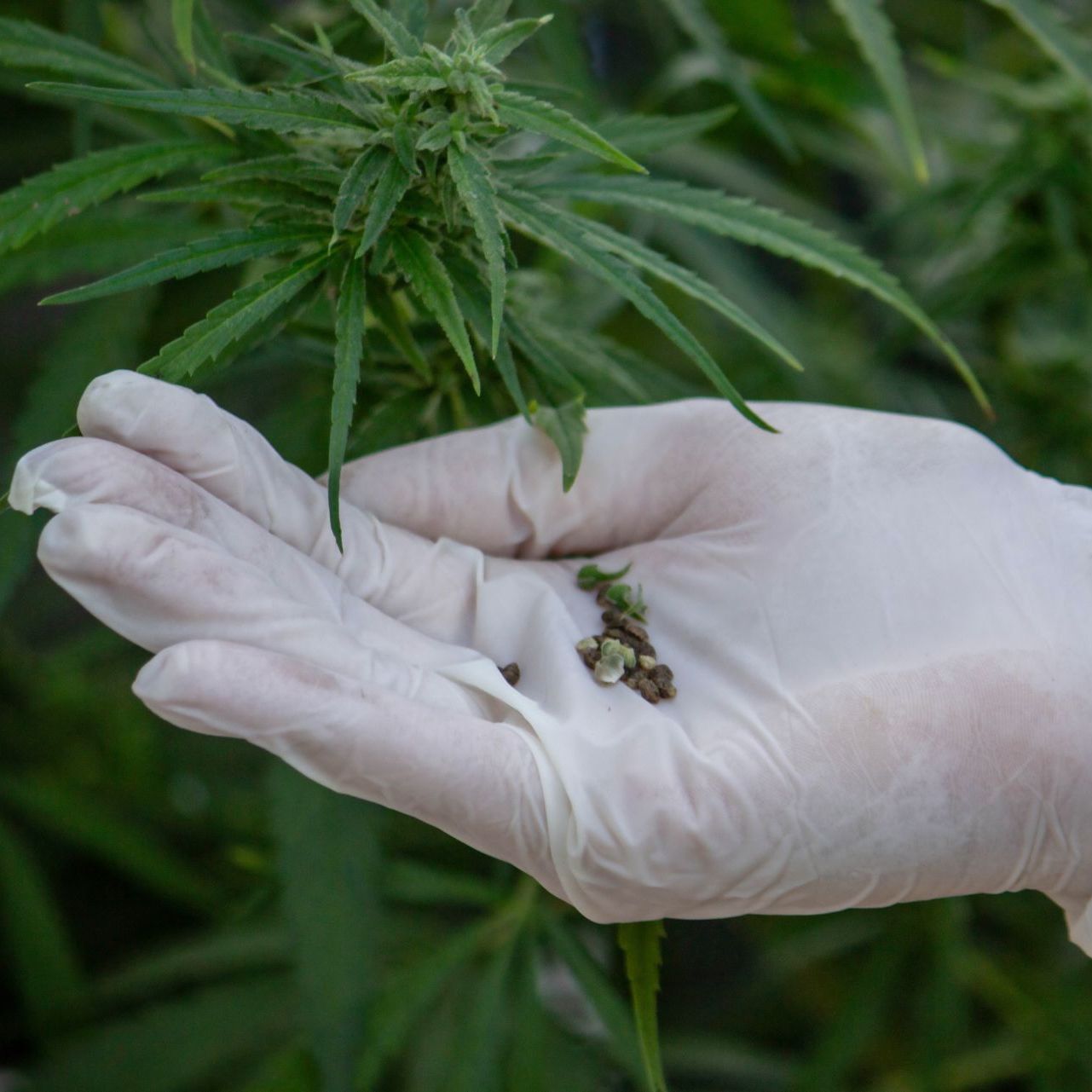
Serving the Cannabis Supply Chain
We cover licensed operators at every stage.

OUR BLOGS
Resources for Cannabis Business Owners
Stay informed and protected with our latest posts.
COMMON QUESTIONS
Cannabis Insurance Made Clear
Answers to the questions we hear most from cannabis business owners.
What types of insurance do you offer for cannabis businesses?
We offer commercial property, general liability, product liability, crop insurance, workers’ compensation, and cyber liability tailored to cannabis operations. These policies address the most common risks, such as crop loss, product claims, and facility damage.
Our agents will help you match the right coverage to your business type and scale, whether you're a dispensary, grower, processor, or distributor.
Why is specialized cannabis insurance necessary?
Standard business policies often exclude cannabis-related activities, which leaves significant exposure gaps. Cannabis-specific insurance covers unique industry risks like product recalls, crop theft, and regulatory compliance.
Having the right policy also satisfies licensing, leasing, and vendor requirements, allowing your business to operate legally and securely.
How does your agency ensure compliance with state regulations?
Many states require proof of specific insurance types before issuing or renewing cannabis licenses. We stay up-to-date on regulatory changes and ensure your policies meet state and local mandates.
That means you avoid surprises during audits or inspections and maintain good standing with licensing authorities.
How fast can I get a quote and bind coverage?
Request a quote and you’ll typically receive a custom proposal within 24 hours. Once you review and accept it, coverage can often be bound the same day, so your business isn’t left exposed.
We streamline documentation and communication to make setup fast and clear—no confusing forms or delays.
Do you support multi-state cannabis businesses?
Yes. We are licensed to operate in 36 states, including major cannabis markets. Whether you’re operating in one state or across several, we can design policies that address your regulatory and risk needs.
As you expand, our team adjusts your coverage accordingly—keeping your protection consistent across state lines.
What should I consider when selecting cannabis insurance?
Begin by identifying your key exposures—crop value, product inventory, employee safety, or cyber data. From there, choose coverage that aligns with these risks instead of opting for a basic or low-cost solution.
Also, look for a provider with cannabis expertise and responsive claims support—this experience helps during actual loss events.
Contact Us
Phone
Address