Utah Hydroponic Farm Business Insurance
See How We're Different
or call us: (215) 653-8411
Hydroponic farming in Utah represents a significant investment in infrastructure, technology, and specialized growing systems. When a single pump failure can destroy thousands of dollars worth of leafy greens overnight, or a winter freeze can crack nutrient reservoirs and damage climate control equipment, the financial consequences extend far beyond what traditional agricultural policies cover. Understanding your insurance coverage options for hydroponic farm operations in Utah isn't just prudent planning: it's essential protection for a business model that operates differently from conventional agriculture. Insurance premiums for vertical and hydroponic farms typically run between 1 to 1.5% of your total investment, which means a $500,000 operation might budget $5,000 to $7,500 annually for comprehensive protection. That investment protects equipment worth hundreds of thousands of dollars, crops that can spoil within hours of a system failure, and liability exposure from selling directly to consumers and restaurants. Utah's agricultural sector plays a meaningful role in the state economy, making proper insurance coverage crucial for farmers' livelihoods across all growing methods. This overview of Utah hydroponic farm business insurance coverage will help you identify the specific protections your water-based operation requires.
Essential Property and Equipment Protection for Utah Hydroponics
Your hydroponic operation likely contains more valuable equipment per square foot than most traditional farms. Climate control systems, LED grow lights, automated nutrient delivery mechanisms, and monitoring technology represent substantial capital investments that standard farm policies weren't designed to cover.
Insuring High-Value Growth Systems and Nutrient Reservoirs
Nutrient film technique channels, deep water culture systems, and aeroponic towers require specialized valuation during the underwriting process. A single NFT channel system serving 500 plant sites might cost $8,000 to $15,000 to replace, and most operations run multiple systems simultaneously. Your policy should cover these systems at replacement cost rather than actual cash value, since depreciated equipment values won't fund adequate replacements after a loss.
Nutrient reservoirs present unique coverage challenges because they contain both the physical tank infrastructure and the liquid nutrient solutions inside. A 500-gallon reservoir failure doesn't just damage the tank: it releases nutrient solution that can damage flooring, electrical systems, and nearby equipment. Make sure your property coverage addresses both the container and its contents, plus consequential damage from leaks or spills.
Coverage for Greenhouse Structures and Indoor Controlled Environments
Whether you operate in a traditional greenhouse or a converted warehouse, your growing structure needs appropriate coverage for its construction type and contents. Greenhouse policies should address glass or polycarbonate panel replacement, structural framework damage, and integrated systems like shade cloths and ventilation equipment.
Indoor facilities require coverage considerations similar to commercial buildings, including HVAC systems, electrical infrastructure, and fire suppression equipment. Your policy should also address any modifications you've made to accommodate hydroponic production, such as waterproofing, drainage systems, and reinforced flooring to support heavy water-filled systems.
TruePath Insurance is fully licensed and authorized to provide comprehensive insurance solutions across multiple states.
We proudly serve individuals and businesses nationwide, offering access to trusted regional and national carriers. Our goal is to help clients find reliable, affordable coverage that aligns with their goals—whether for personal protection, business stability, or long-term financial security.
Specialized Crop and Spoilage Coverage for Water-Based Farming
Traditional crop insurance programs focus on field losses from weather events, pests, and disease. Hydroponic operations face entirely different risk profiles centered on equipment failures and environmental control breakdowns.
Protecting Harvests from Power Failures and Pump Malfunctions
A circulation pump that fails overnight can kill an entire crop of lettuce or herbs within hours. Unlike field crops that might survive a few days without ideal conditions, hydroponic plants depend on continuous system operation. Your coverage should specifically address crop losses resulting from mechanical and electrical failures, not just weather-related events.
GrowPro and similar specialized policies offer growing stock endorsements that cover plants temporarily removed from the greenhouse, which protects you during transport to farmers markets or delivery to restaurant clients. This coverage proves particularly valuable for Utah growers who supply the Salt Lake City restaurant scene or participate in local agricultural markets.
Mitigating Risks of Water Contamination and Root Rot Pathogens
Pythium, fusarium, and other waterborne pathogens can devastate a hydroponic crop within days of initial infection. Unlike soil-based operations where affected areas can be isolated, recirculating hydroponic systems can spread contamination throughout an entire facility rapidly. Your policy should address crop losses from disease outbreaks, including the costs of system sterilization and replanting.
Water quality issues from municipal supply changes or well contamination also warrant coverage consideration. A sudden change in water chemistry can stress plants and reduce yields even without causing total crop failure.
Liability Considerations for Utah Agricultural Operations
Hydroponic farms often sell directly to consumers through farmers markets, CSA programs, and on-farm retail. This direct contact with the public creates liability exposure that wholesale-only operations don't face.
General Liability for Farm-to-Table Sales and On-Site Visits
General liability coverage for an average hydroponics farm
costs between $400 and $1,500 annually for $1 million in coverage, depending on your sales channels and visitor traffic. If you host farm tours, school groups, or allow customers to visit your growing facility, you need adequate premises liability protection for slip-and-fall incidents and other on-site injuries.
| Coverage Type | Typical Cost | Coverage Limit | Best For |
|---|---|---|---|
| Basic General Liability | $400-$700/year | $1 million | Wholesale-only operations |
| Enhanced GL with Premises | $700-$1,200/year | $1 million | Farms with occasional visitors |
| Comprehensive GL Package | $1,200-$1,500/year | $1-2 million | Retail sales and regular tours |
Product Liability for Fresh Produce and Distributed Goods
When you sell lettuce, herbs, or microgreens directly to consumers or restaurants, you accept responsibility for food safety throughout your growing and handling processes. Product liability coverage protects you if a customer becomes ill and alleges your produce caused their illness.
Utah food safety regulations require certain handling and storage practices for fresh produce. Your product liability policy should cover defense costs and settlements related to foodborne illness claims, even if your operation followed all applicable regulations.
Addressing Utah-Specific Environmental and Climate Risks
Utah's climate presents distinct challenges for hydroponic operations, from harsh winters along the Wasatch Front to water scarcity issues affecting the entire state.
Winter Weather Hazards: Snow Load and Pipe Freeze Protection
Heavy snow accumulation can collapse greenhouse structures not engineered for Utah's winter conditions. Your property coverage should address snow load damage, and your policy limits should reflect current replacement costs for greenhouse materials that have increased significantly in recent years.
Pipe freezing represents a more insidious threat. A single frozen water line can shut down your entire operation and cause extensive damage when it thaws. Coverage for freeze damage should include both the repair costs and resulting crop losses from system downtime.
Drought and Water Rights Disruption Insurance
Utah's ongoing drought conditions have prompted state programs that pay agricultural producers up to $390 per acre-foot to fallow crops or implement conservation measures. While hydroponic operations use water more efficiently than field agriculture, you still depend on reliable water access.
Consider coverage that addresses water supply disruptions, whether from drought restrictions, infrastructure failures, or changes to your water rights allocation. Some specialized agricultural policies offer endorsements for utility service interruption that can help bridge income gaps during water supply problems.
Operational Continuity and Workforce Safety
Hydroponic operations depend heavily on technology and specialized labor. Protecting both your income stream and your employees requires specific coverage considerations.
Business Interruption Insurance for Tech-Dependent Farms
As industry expert David Macari notes, "The rapid advance and adoption of technologies for soilless farming have made hydroponics more efficient and accessible...they also create new and potentially costlier liabilities, making specialized horticultural insurance coverage essential." Business interruption coverage helps replace lost income when covered events force you to halt production.
Your business interruption policy should account for the time required to replace specialized equipment, restart growing cycles, and rebuild your customer base after an extended shutdown. Standard policies might assume a 30-day recovery period, but hydroponic operations often need 60 to 90 days to return to full production after major equipment losses.
Workers' Compensation for Specialized Hydroponic Technicians
Utah requires workers' compensation coverage for most employers, and hydroponic operations present specific workplace hazards. Employees work around electrical systems in wet environments, handle concentrated nutrient solutions, and operate in temperature-controlled spaces that can become dangerous during equipment failures.
Your workers' compensation policy should accurately classify employees based on their actual duties. A grower who primarily tends plants faces different risks than a technician who maintains pumps and electrical systems.
Utah doesn't require specific insurance coverage for hydroponic operations beyond standard business requirements, but lenders, landlords, and commercial customers often mandate certain coverage levels. Before purchasing policies, gather documentation of your equipment values, typical crop inventory, annual revenue, and any contractual insurance requirements from business partners.
Work with an insurance agent who understands agricultural operations and, ideally, has experience with controlled environment agriculture. General business insurance agents may not recognize the unique risks hydroponic farms face or know about specialized coverage options from agricultural insurers.
Frequently Asked Questions
Does standard farm insurance cover hydroponic equipment? Most traditional farm policies exclude or inadequately cover hydroponic systems. You'll likely need specialized endorsements or a policy designed for controlled environment agriculture.
How do insurers value hydroponic crops for coverage purposes? Insurers typically use wholesale market values for your specific crops at their growth stage. Keep detailed production records to support claims.
Are my nutrient solutions covered under property insurance? Coverage varies by policy. Some include growing supplies as business personal property, while others require specific endorsements for consumable materials.
What documentation should I maintain for insurance purposes? Keep equipment purchase receipts, maintenance records, crop production logs, and photos of your facility. Update this documentation quarterly.
Can I bundle hydroponic coverage with my other business insurance? Many insurers offer package policies that combine property, liability, and business interruption coverage at lower combined premiums than separate policies.
Making the Right Coverage Decision
Protecting your Utah hydroponic operation requires coverage that matches your specific risks, equipment values, and business model. Start by documenting your total investment in equipment and infrastructure, then calculate your potential crop losses from various failure scenarios. Compare quotes from multiple insurers, including those specializing in controlled environment agriculture. The right policy won't be the cheapest option: it will be the one that keeps your business viable after a significant loss.
WHO WE HELP
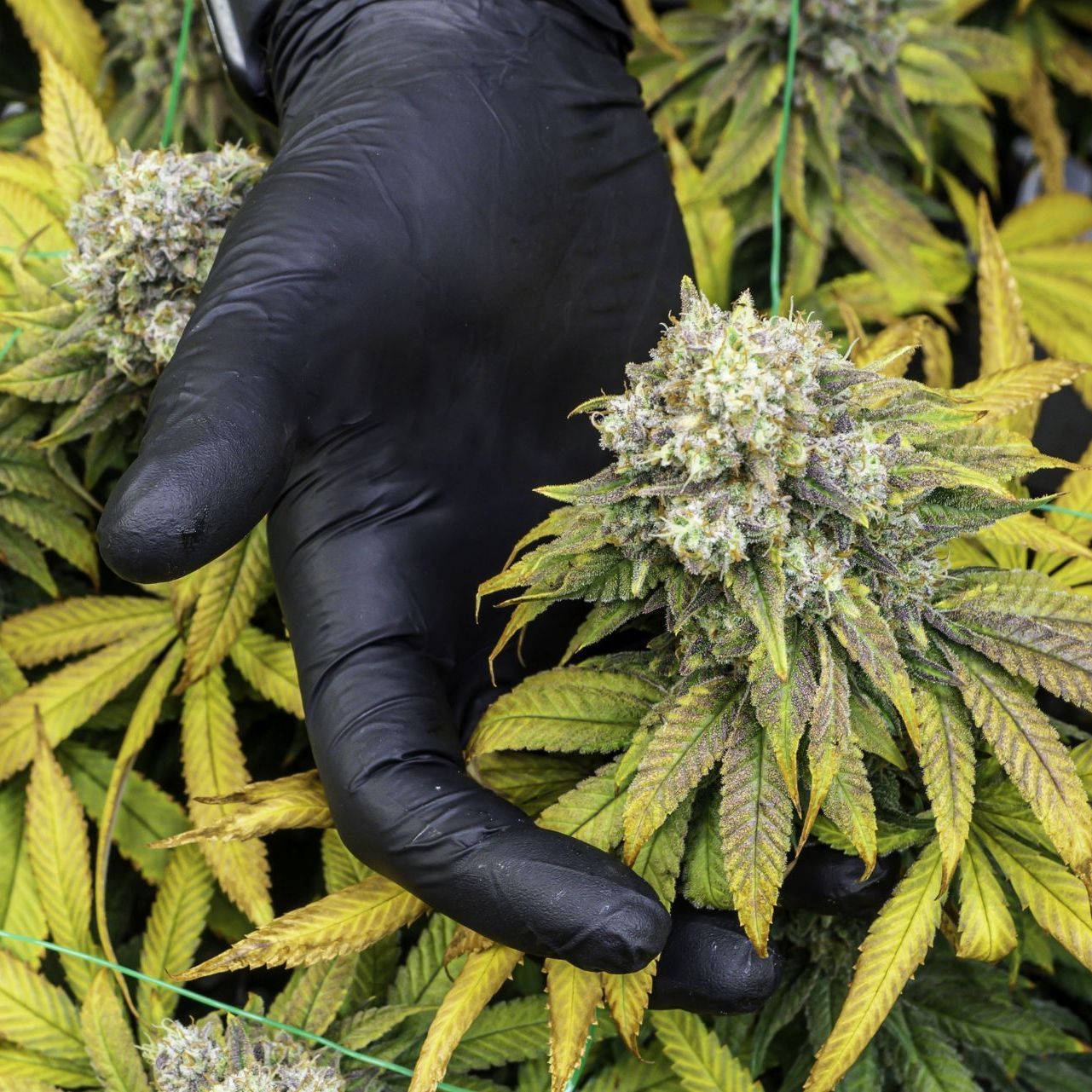
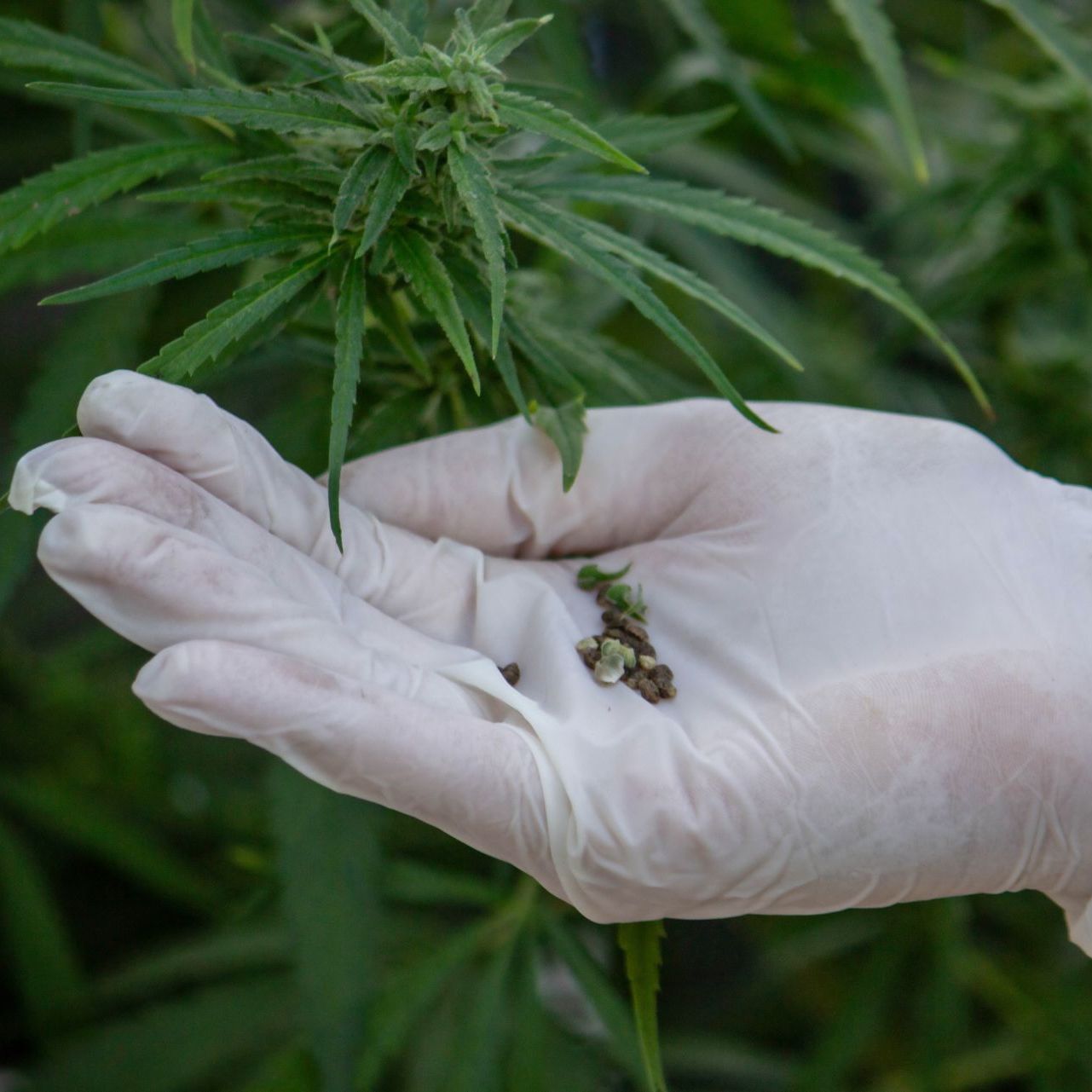
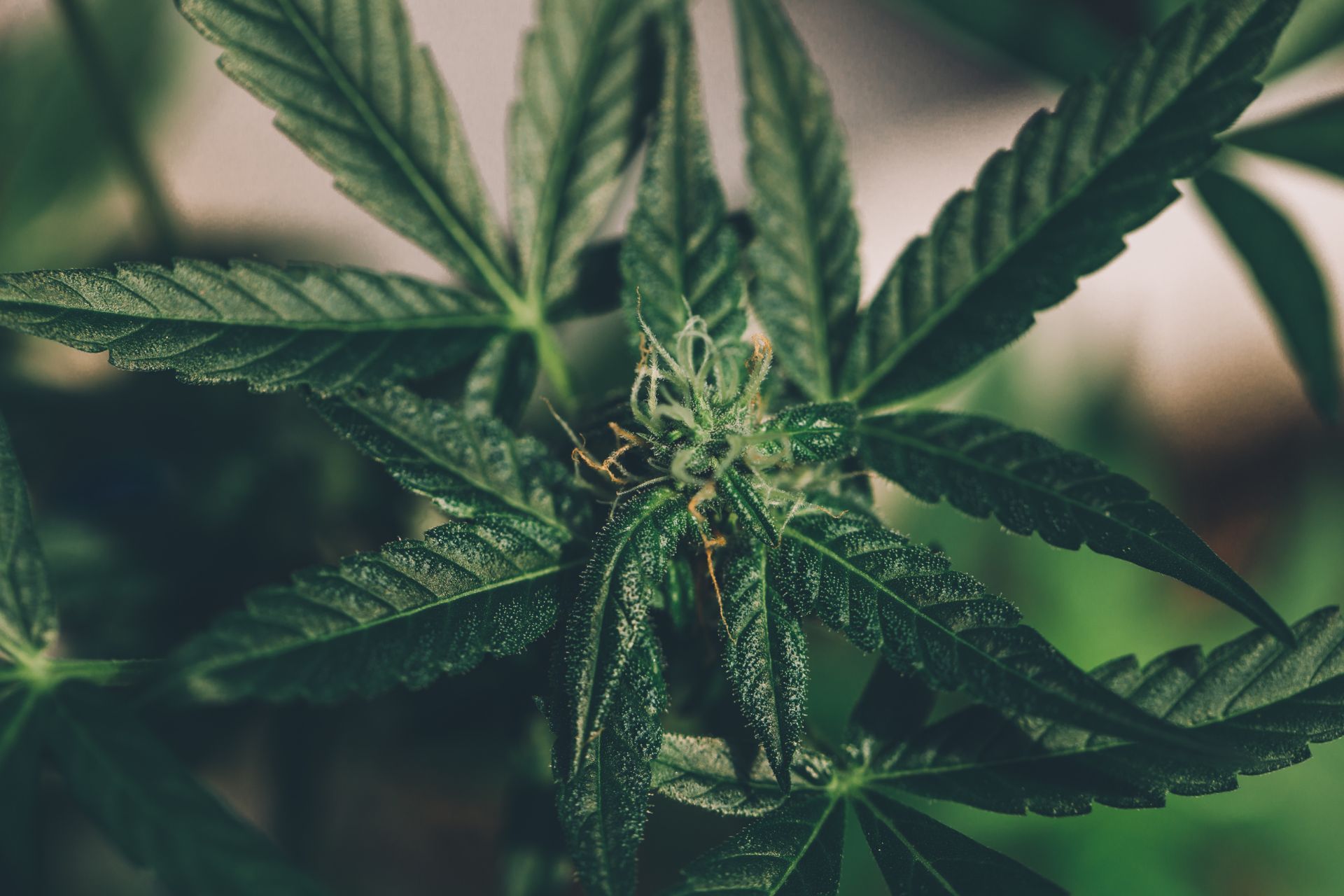
Serving the Cannabis Supply Chain
We cover licensed operators at every stage.

OUR BLOGS
Resources for Cannabis Business Owners
Stay informed and protected with our latest posts.
COMMON QUESTIONS
Cannabis Insurance Made Clear
Answers to the questions we hear most from cannabis business owners.
What types of insurance do you offer for cannabis businesses?
We offer commercial property, general liability, product liability, crop insurance, workers’ compensation, and cyber liability tailored to cannabis operations. These policies address the most common risks, such as crop loss, product claims, and facility damage.
Our agents will help you match the right coverage to your business type and scale, whether you're a dispensary, grower, processor, or distributor.
Why is specialized cannabis insurance necessary?
Standard business policies often exclude cannabis-related activities, which leaves significant exposure gaps. Cannabis-specific insurance covers unique industry risks like product recalls, crop theft, and regulatory compliance.
Having the right policy also satisfies licensing, leasing, and vendor requirements, allowing your business to operate legally and securely.
How does your agency ensure compliance with state regulations?
Many states require proof of specific insurance types before issuing or renewing cannabis licenses. We stay up-to-date on regulatory changes and ensure your policies meet state and local mandates.
That means you avoid surprises during audits or inspections and maintain good standing with licensing authorities.
How fast can I get a quote and bind coverage?
Request a quote and you’ll typically receive a custom proposal within 24 hours. Once you review and accept it, coverage can often be bound the same day, so your business isn’t left exposed.
We streamline documentation and communication to make setup fast and clear—no confusing forms or delays.
Do you support multi-state cannabis businesses?
Yes. We are licensed to operate in 36 states, including major cannabis markets. Whether you’re operating in one state or across several, we can design policies that address your regulatory and risk needs.
As you expand, our team adjusts your coverage accordingly—keeping your protection consistent across state lines.
What should I consider when selecting cannabis insurance?
Begin by identifying your key exposures—crop value, product inventory, employee safety, or cyber data. From there, choose coverage that aligns with these risks instead of opting for a basic or low-cost solution.
Also, look for a provider with cannabis expertise and responsive claims support—this experience helps during actual loss events.
Contact Us
Phone
Address