Arkansas Tobacco and Smoke Shop Insurance
See How We're Different
or call us: (215) 653-8411
A well-run tobacco or smoke shop in Arkansas faces many challenges, from state-specific regulatory battles to high insurance premiums associated with tobacco-related liabilities. Shop owners must juggle the pressures of compliance, rising healthcare costs tied to tobacco use, and the complexities of securing the right coverage. This guide explores the specialized insurance options available, the cost implications, and the trends in tobacco use that impact daily operations. For example, recent data from Truth Initiative provide insight into smoking and vaping usage patterns in the state.
Arkansas continues to experience elevated tobacco use compared to national averages, a trend that forces shop owners to consider broader risk factors in their coverage. In this guide, a detailed look at the insurance landscape, cost comparisons, and risk management strategies offers clarity for business owners in the tobacco industry.
Understanding the Tobacco Landscape in Arkansas
The State of Arkansas presents a unique mix of challenges for tobacco retailers. Adult smoking rates have been consistently higher than nationwide figures, a factor that can drive claim frequencies and premium increases for commercial policies. In 2022, around 18.7% of adults in Arkansas smoked cigarettes, exceeding the national average, according to data from the Truth Initiative.
This elevated level of usage is compounded by usage among younger populations, with high school statistics showing similarly concerning trends. With nearly 4.9% of high school students smoking on at least one day in the past month and significant percentages describing usage of electronic vapor products and smokeless tobacco, the consumer base for tobacco products reflects changing patterns that insurers and business managers must account for.
The impact of these trends stretches beyond public health and into the economics of tobacco sales. Insurance companies are increasingly scrutinizing claims related to tobacco use and the associated healthcare and productivity costs. For example, in Arkansas, annual smoking-related healthcare costs have reached $1.41 billion, with a further $3.7 billion lost in productivity as a result of smoking-related issues
(Campaign for Tobacco-Free Kids).
TruePath Insurance is fully licensed and authorized to provide comprehensive insurance solutions across multiple states.
We proudly serve individuals and businesses nationwide, offering access to trusted regional and national carriers. Our goal is to help clients find reliable, affordable coverage that aligns with their goals—whether for personal protection, business stability, or long-term financial security.
Regulatory Environment and Economic Impact
Tobacco regulation in Arkansas remains a critical factor influencing both retail operations and insurance costs. The state not only lags behind in terms of cigarette tax-ranking 36th with a tax rate of $1.15 per pack compared to a national average of $1.93, as reported by the Truth Initiative-but also faces challenges in allocating adequate funding for tobacco prevention initiatives.
For every single dollar received in tobacco-related revenues, Arkansas allocated just $0.04 to tobacco control in fiscal year 2023. This underinvestment in preventive measures may encourage continued high rates of tobacco use, further contributing to increased medical costs and higher premiums for retailers carrying tobacco products. Employers and shop owners alike must be aware of this regulatory landscape as it shapes both operational risks and future insurance policy pricing.
The economic implications are significant. Health-related losses and productivity declines are not only a public health concern but also a financial burden on the state's economy. Shop owners must navigate this economic turbulence, balancing the need to invest in robust safety practices while managing the rising costs associated with increased tobacco consumption.
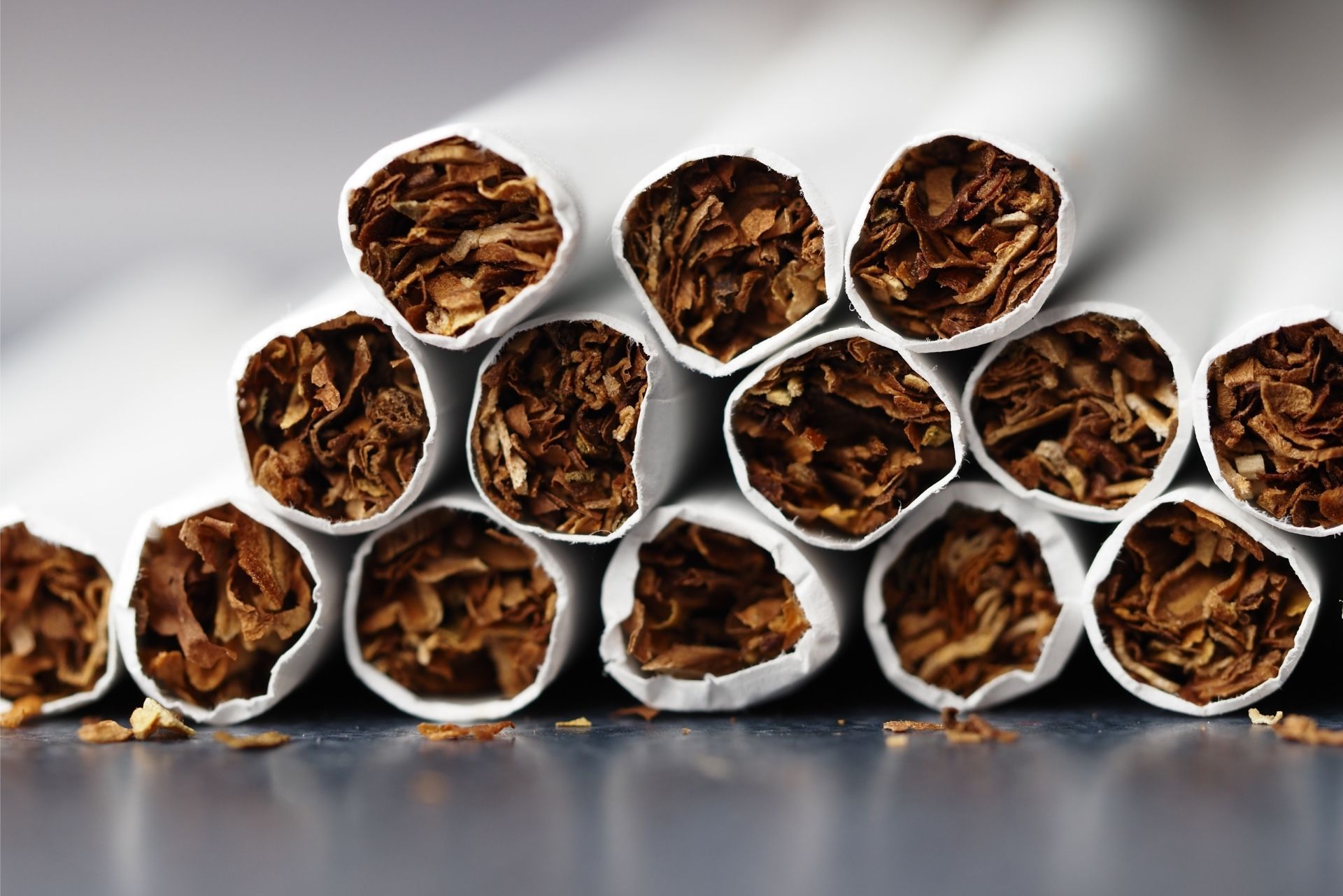
Insurance coverage for tobacco and smoke shops is highly specialized. Coverage options range from general liability policies to property insurance, workers’ compensation, and even specific endorsements addressing risks associated with the sale and storage of tobacco products. Each policy is structured to manage unique risks intrinsic to the tobacco industry.
General liability insurance helps protect shop owners against claims related to bodily injury or property damage that result from both in-store incidents and supplier issues. Given the elevated healthcare expenses driven by tobacco-related illnesses, securing a comprehensive policy is imperative to mitigate potential lawsuits and claims. Along with liability coverage, property insurance is vital in covering the physical assets of a shop, ensuring that damages from unforeseen events do not cripple business operations.
Shop owners should also consider product liability policies, which particularly shield against claims arising from the sale of tobacco products. With the increasing public awareness of health risks related to smoking and vaping, a solid product liability insurance plan is essential in managing potential legal claims. Business owners are encouraged to consult with a knowledgeable insurance broker experienced in handling the intricacies of the tobacco industry.
Cost Implications and Premium Considerations
The financial impact of tobacco-related claims often results in higher premium costs for retailers. Detailed risk assessments, using current statistics such as the high prevalence of tobacco use among various demographic groups, directly influence premium calculations. For instance, in 2023, low-income adults in Arkansas were 3.1 times more likely to smoke than their high-income counterparts, and adults without a high school diploma were 4.4 times more likely to smoke compared to college graduates (Tobacco Harm Reduction 101).
These disparities indicate that socio-economic factors, as well as lifestyle habits, are integral to understanding risk profiles. Insurance companies take into account such statistics when setting rates, meaning that regions with higher rates of tobacco use face steeper premiums. Retailers must balance the cost of premium payments with the potential risk exposures, especially if the shop is located in an area with notably high smoking rates.
Another point to consider is the correlation between revenue generated from tobacco sales and the amount spent on safety and preventive measures. Although Arkansas drew in $281.3 million in revenue from tobacco settlement payments and taxes in 2022, only $9.0 million was allocated to tobacco prevention measures in fiscal year 2023 (Truth Initiative). This gap could lead to higher incidences of tobacco-related claims and, eventually, increased insurance costs across the board.

Risk Mitigation Strategies for Smoke Shop Owners
Implementing proactive risk management strategies goes a long way for smoke shop owners. One effective approach is investing in robust security measures to reduce the risk of theft, vandalism, and other property-related claims. Use of surveillance cameras, alarm systems, and secured storage areas can ensure both staff and inventory are protected.
Employee training is another important risk mitigation strategy. Regular training sessions not only help employees recognize and report suspicious activities but also ensure that they are compliant with state regulations. Adequate training helps reduce workplace accidents and training gaps, which in turn lowers the likelihood of claims related to bodily injury. Investing time and resources in employee development can ultimately lead to a safer, more efficient work environment.
Many insurance providers offer risk management consultations for policyholders. These consultations can help tobacco and smoke shop owners identify weak spots in safety protocols and offer actionable steps to minimize hazardous situations. For instance, proper handling and storage protocols for tobacco products can reduce accidents related to fires or product contamination. Collaborating with insurance brokers to conduct thorough risk assessments is a wise step toward lowering premium costs over time.
Impact of Demographic Trends on Insurance Decisions
Demographic trends play a significant role in shaping both the insurance landscape and operational considerations for tobacco shops in Arkansas. Recent studies have shown that in 2023, the majority of smoking adults in Arkansas were White, making up around 74% of the smoking population, while Black and Multiracial communities also represented significant portions of the tobacco user base (Tobacco Harm Reduction 101). Additionally, high school and young adult smokers pose a unique set of challenges due to the higher relative risk of long-term litigation or health-related liabilities.
Young adults, particularly those aged 18 to 24, have shown a considerable decline in smoking rates over recent years. However, for tobacco retailers, understanding where the greatest risks lie is essential. While younger populations may represent a declining segment, adults with lower income and educational levels remain disproportionately affected. This uneven distribution means that insurance policies must be tailored to reflect these risk factors on a granular level.
The data also suggests that smoke shop owners must be aware of the interplay between market trends and community health initiatives. As public awareness increases and legislative bodies allocate more resources toward tobacco prevention (although Arkansas still lags in sufficient funding), the market could see fluctuations in demand. Shops that proactively adapt to these demographic shifts through targeted risk management have a better chance of negotiating competitive insurance premiums.
Commercial Coverage and Specialized Endorsements
For tobacco and smoke shop owners, exploring specialized endorsements and additional policy options can be the key to comprehensive coverage. Many insurers offer policy riders designed specifically for health-related risks, liability issues arising from the sale of tobacco products, and even tailored property damage coverages that address the unique fire risks associated with storage and display of combustible materials.
These specialized endorsements not only provide extra layers of protection but also help mitigate potential gaps in standard commercial insurance policies. It is worth discussing these options with insurers to understand what additional coverages may be necessary. In some cases, additional product liability or worker’s compensation endorsements may be critical, particularly in stores that employ many individuals or deal with bulk shipments of tobacco products.
Retailers should review their policy details carefully. Being proactive in policy negotiations can lead to lower overall premiums while ensuring comprehensive protection. Many policies now come with risk management consultations built in, which provide guidance on specific steps that can help reduce coverable risks. Aligning these steps with a strategic safety plan is essential in creating a sustainable risk management framework.
Comparison of Insurance Options and Coverage Costs
Several factors influence the cost of insurance coverage in the tobacco retail sector. When comparing policies, shop owners must take a close look at coverage limits, deductibles, endorsements, and exclusions. Below is a chart that outlines some of the common coverage components along with their benefits and respective cost implications.
This comparison aims to help shop owners make an informed decision when evaluating policy options from different carriers.
| Coverage Component | Description | Cost Implication |
|---|---|---|
| General Liability | Covers bodily injury and property damage claims | Increased risk leads to moderate to high premiums |
| Property Insurance | Protects physical assets such as store fixtures and inventory | Lower deductibles for shops with secure safety measures |
| Product Liability | Covers claims related to the sale of tobacco products | Higher costs due to legal exposure in tobacco-related claims |
| Workers Compensation | Covers employee injuries and related costs | Costs vary by employee risk profiles and safety record |
| Endorsements | Tailored coverage additions such as additional fire or theft coverage | May increase overall policy cost but reduces risk exposure |
Taking the time to evaluate these options against the backdrop of local tobacco usage rates-and the realities of state regulations-can provide a clearer picture for business owners. It is essential to factor in each component's cost relative to the level of risk specific to the business location and operational model. Often, investing a bit more in robust coverage prevents higher liabilities in the future.
Operational Challenges Impacting Insurance Decisions
Day-to-day operations in tobacco and smoke shops come with their own set of challenges that directly influence insurance needs. These include inventory management, customer safety, and compliance with intricate state and federal regulations. The complexity of managing a physical store is compounded by the risks associated with selling highly regulated products.
KTLO recently highlighted troubling statistics that underscore the challenges retail owners face in balancing profitability with regulatory compliance. Investments in advanced point-of-sale systems and tailored security measures are common methods to address these operational challenges. By integrating modern technological solutions, businesses can streamline tracking and reporting, which is critical during tax season or regulatory audits.
Insurance companies often view operational preparedness as a mitigating factor when quoting premiums. Businesses that implement stringent safety protocols, conduct regular training sessions, and maintain a structured risk management plan are often rewarded with lower premium costs. Ultimately, combining proactive operational planning with comprehensive insurance coverage can create a resilient business model that adapts well to both market fluctuations and regulatory demands.
Demystifying Cost Structures and Funding Allocation
One obstacle facing Arkansas tobacco retailers is the disconnect between revenues collected from tobacco sales and the investment in preventive and regulatory measures. For example, in 2022, Arkansas benefited from $281.3 million in tobacco settlement payments and taxes, yet only a fraction of that was reinvested into tobacco prevention (Truth Initiative). This imbalance reflects on both public health outcomes and the cost structures that insurance companies must evaluate when underwriting policies.
The available funds, when allocated inadequately to prevention, may indirectly drive up the costs borne by business owners through increased liability claims and operational risks. Shop owners need to be conscious of these funding patterns as they plan their budgets for safety upgrades, legal compliance, and staff training. Balancing operational expenses and insurance costs is vital to ensure that the business remains financially healthy even when faced with high-risk factors.
Investigating state-level funding allocation and comparing those figures to reimbursement rates can provide additional insight into market dynamics. Insurance brokers often use this market intelligence to adjust policy terms and cost allocations, ensuring that each policy reflects the current economic and regulatory environment.
Future Trends and Evolving Insurance Needs
Looking ahead, tobacco retailers should be prepared for evolving insurance demands. Trends suggest that as public health policies tighten and tobacco prevention funding remains stagnant, there will be a shift in risk profiles for small retailers. For instance, emerging data indicate that electronic vapor products are steadily becoming a larger share of tobacco consumption. In 2021, nearly 19.6% of high school students in Arkansas used electronic vapor products, a figure notably higher than the national average (Truth Initiative).
This rise in electronic product usage introduces new dimensions to product liability and worker safety. Insurance carriers may respond by adjusting policy frameworks, introducing specific riders for vape-related products or expanding coverage limits for product-related liabilities. For business owners, staying abreast of these changes and maintaining an open dialogue with insurance professionals is key to ensuring that their policies evolve along with industry trends.
Retailers should also pay attention to potential legislative reform that might alter tobacco tax structures, regulation of advertising practices, and funding allocations for tobacco control. Being proactive in tracking these developments provides a competitive edge when negotiating insurance terms. Not only does this foster a safer work environment, but it also positions the business well to weather any regulatory upheavals.
Effective Strategies for Navigating Insurance Regulations
Insurance regulations in the tobacco industry are often complex due to the inherent risks associated with tobacco products. One effective strategy for shop owners is to build strong relationships with local insurance providers who understand the nuances of the state’s market. Regular policy reviews and open discussions about coverage gaps can lead to more tailored, cost-effective solutions.
In addition to regular reviews, expecting periodic updates in state law and new compliance mandates is wise. These changes directly affect insurance premiums and may require additional endorsements or modifications to existing policies. As demonstrated by recent legislative evaluation studies, staying updated on regulatory changes helps shop owners avoid unexpected gaps in coverage. Engaging with local business associations can provide timely updates on any new mandates and regulatory modifications specific to Arkansas.
Innovative technology and improved risk management systems are becoming standard practices in the industry. By adopting these practices, retailers can make their operations safer and more attractive to insurers, which can ultimately lead to lower premiums and more reliable coverage. Moving beyond just ticking the regulatory boxes, an integrated approach to risk management translates to long-term cost savings and a more resilient business model.
Frequently Asked Questions
What are the major risks for tobacco and smoke shops in Arkansas?
Major risks include product liability claims, property and theft issues, and potential lawsuits related to health impacts. Elevated state tobacco use rates also contribute to increased exposure, which is taken into account by insurers.
How can tobacco shop owners lower their insurance premiums?
Investing in robust security measures, regular employee training, and maintaining compliant safety protocols can help lower premiums. Proactive risk management is key to reducing claim frequencies.
What specialized insurance coverage is available for tobacco retailers?
Retailers can obtain comprehensive packages including general liability, property insurance, product liability, workers’ compensation, and specific endorsements addressing fire, theft, and vaping product risks.
Why do insurance costs vary so much in the tobacco industry?
Costs vary due to differences in local tobacco usage statistics, regulatory environment, claim history, and the specific risk profile of each business. Demographic trends and preventive funding allocations also play a role.
Is it necessary to update my coverage as regulations evolve?
Yes. With changing tobacco policies and shifts in usage patterns, periodic reviews of your insurance coverage ensure that you remain adequately protected and compliant with new regulatory requirements.
Wrapping Things Up
For tobacco and smoke shop owners in Arkansas, managing insurance coverage and costs is a multifaceted challenge. The interplay of high state smoking rates, evolving public health policies, and unique operational risks requires a tailored insurance approach. With detailed comparisons of coverage options, the inclusion of specialized endorsements, and proactive risk-mitigation strategies, shop owners can secure robust protection that balances premium costs with operational risks.
Data from reputable sources including the Truth Initiative and Tobacco Harm Reduction 101 help illustrate pressing challenges such as higher smoking rates in certain demographics and the significant financial burden of tobacco-related health care costs. These statistics emphasize the importance of comprehensive insurance policies tailored specifically for the tobacco market.
While operational challenges may seem daunting, consistent investment in safety and risk management offers long-term benefits. Insurance providers reward businesses with sound operational practices through lower premium rates and more favorable policy amendments. Keeping abreast of regulatory changes and demographic trends remains essential for negotiating competitive insurance terms and ensuring ongoing protection.
Looking Ahead: Future-Proofing Your Tobacco Business
As the tobacco landscape continues to change, staying ahead of the curve is crucial. Technological advancements, evolving consumer behavior, and potential legislative reforms are all factors that could impact future insurance costs and coverage requirements. Proactive shop owners are encouraged to invest in modern security systems, engage frequently with knowledgeable insurance brokers, and monitor industry trends closely.
It is also important to participate in local business networks and regulatory discussions. Being involved in local affairs not only helps in understanding changes that could affect insurance premiums but also positions business owners to voice concerns and possibly influence policy development. Preparing early for shifts in the regulatory and technology landscape can lead to a more sustainable business operation and better insurance deals.
Given that the insurance environment for tobacco and smoke shops is highly sensitive to market trends and governmental funding decisions, keeping a flexible approach to risk management is advisable. Retailers who combine targeted insurance coverage with state-of-the-art safety protocols are best positioned to protect their businesses against unforeseen liabilities.
Final Thoughts for Tobacco and Smoke Shop Owners
For those operating tobacco and smoke shops in Arkansas, informed decisions about insurance coverage can mean the difference between a business that barely manages risk and one that thrives amid uncertainties. Regular policy reviews, detailed comparisons of coverage options, and a clear understanding of local demographic trends ensure that business owners do not fall behind. Spotting the gaps in funding allocations and leveraging specialized endorsements can mitigate the financial impact of tobacco-related liabilities.
The statistics are telling: higher smoking rates among various demographic segments, glaring disparities based on education and income levels, as well as inadequate investment in tobacco prevention, all contribute to a challenging insurance landscape. Using data from sources like KTLO and the Truth Initiative reinforces the critical need for localized, responsive insurance solutions.
Embracing a proactive stance today not only ensures current compliance but also builds resilience for a rapidly changing future. With careful planning, regular updates, and a detailed understanding of the intricate balance between risk and coverage costs, tobacco retailers can safeguard their operations against the unpredictable landscape of the industry.
What to Remember
Securing the right insurance for a tobacco or smoke shop in Arkansas is about balance. It is essential to ensure that coverage aligns with the operational risks, demographic factors, and regulatory requirements specific to the state. Business owners must seize the opportunity to negotiate tailored policies that offer the best protection while keeping premiums manageable.
In the final analysis, a forward-thinking approach to insurance-complemented by state-of-the-art risk management strategies-represents not only the prudent business choice but also a necessary step toward reducing the significant impacts of tobacco-related liabilities. Engage directly with knowledgeable insurance brokers and industry experts to map out the best path forward, and remain adaptable as market conditions evolve.
Arkansas tobacco retailers are encouraged to periodically review their coverage options, keep abreast of new regulations, and invest in measures that help reduce risk. Doing so will ultimately lead to a more secure, profitable, and resilient business model, ensuring long-term operational success.
About The Author: Deb Sculli
I’m Deb, a Cannabis Insurance Specialist focused on helping dispensaries, cultivators, and cannabis-related businesses find the right protection. With a strong understanding of the industry’s regulations and risks, I work hard to simplify the insurance process—so my clients stay compliant and confidently safeguard their operations and investments.
Contact Us
WHO WE HELP
Serving the Cannabis Supply Chain
We cover licensed operators at every stage.

OUR BLOGS
Resources for Cannabis Business Owners
Stay informed and protected with our latest posts.
COMMON QUESTIONS
Cannabis Insurance Made Clear
Answers to the questions we hear most from cannabis business owners.
What types of insurance do you offer for cannabis businesses?
We offer commercial property, general liability, product liability, crop insurance, workers’ compensation, and cyber liability tailored to cannabis operations. These policies address the most common risks, such as crop loss, product claims, and facility damage.
Our agents will help you match the right coverage to your business type and scale, whether you're a dispensary, grower, processor, or distributor.
Why is specialized cannabis insurance necessary?
Standard business policies often exclude cannabis-related activities, which leaves significant exposure gaps. Cannabis-specific insurance covers unique industry risks like product recalls, crop theft, and regulatory compliance.
Having the right policy also satisfies licensing, leasing, and vendor requirements, allowing your business to operate legally and securely.
How does your agency ensure compliance with state regulations?
Many states require proof of specific insurance types before issuing or renewing cannabis licenses. We stay up-to-date on regulatory changes and ensure your policies meet state and local mandates.
That means you avoid surprises during audits or inspections and maintain good standing with licensing authorities.
How fast can I get a quote and bind coverage?
Request a quote and you’ll typically receive a custom proposal within 24 hours. Once you review and accept it, coverage can often be bound the same day, so your business isn’t left exposed.
We streamline documentation and communication to make setup fast and clear—no confusing forms or delays.
Do you support multi-state cannabis businesses?
Yes. We are licensed to operate in 36 states, including major cannabis markets. Whether you’re operating in one state or across several, we can design policies that address your regulatory and risk needs.
As you expand, our team adjusts your coverage accordingly—keeping your protection consistent across state lines.
What should I consider when selecting cannabis insurance?
Begin by identifying your key exposures—crop value, product inventory, employee safety, or cyber data. From there, choose coverage that aligns with these risks instead of opting for a basic or low-cost solution.
Also, look for a provider with cannabis expertise and responsive claims support—this experience helps during actual loss events.
Contact Us
Phone
Address