Missouri Medical Dispensary Insurance
See How We're Different
or call us: (215) 653-8411
Missouri's medical cannabis market has matured significantly since voters approved Amendment 2 in 2018, creating a regulated system that now serves hundreds of thousands of patients across the state. For dispensary operators, this growth brings both opportunity and substantial risk exposure. A single product liability claim, a break-in targeting your cash reserves, or a data breach exposing patient records can threaten your entire operation. Understanding Missouri medical dispensary insurance coverage requirements isn't optional - it's fundamental to protecting your investment and staying compliant with state regulations.
The challenge for dispensary owners lies in the unique intersection of federal prohibition and state legalization. Traditional insurers often won't touch cannabis businesses, pushing operators toward specialized carriers who understand the industry's distinct risks. From DHSS compliance mandates to the practical realities of running a cash-intensive retail operation, Missouri dispensaries face coverage needs that differ dramatically from typical retail businesses. This overview examines the essential policies you'll need, the factors driving your premiums, and how to handle claims when problems arise.
The Regulatory Landscape of Missouri Medical Cannabis Insurance
Missouri's Department of Health and Senior Services maintains strict oversight of licensed cannabis facilities, and insurance requirements form a core component of that regulatory framework. Operating without proper coverage doesn't just expose you to financial risk - it can cost you your license.
DHSS Compliance Requirements for Licensees
The DHSS requires all medical marijuana dispensary facilities to maintain specific insurance coverage as a condition of licensure. You'll need to demonstrate proof of general liability insurance with minimum coverage amounts before receiving your license, and you must maintain continuous coverage throughout your operational period. Lapses in coverage trigger reporting requirements, and extended gaps can result in license suspension.
Your facility's insurance certificates must list the DHSS as an additional insured party, allowing the state to receive notification if your policy is cancelled or materially changed. Annual license renewals require updated certificates of insurance, and the department may request proof of coverage during inspections or audits. Many operators discover that finding carriers willing to provide these certificates adds complexity to the procurement process.
State-Specific Liability and Bonding Mandates
Beyond general liability, Missouri imposes specific bonding requirements for dispensary operators. These bonds serve as financial guarantees that you'll comply with state regulations and pay any fines or penalties assessed against your facility. The bond amounts vary based on your license type and operational scope.
Missouri also requires
coverage for product liability - a recognition that dispensaries bear responsibility for the safety of products they sell to patients. This differs from some states that place primary liability on cultivators and manufacturers. Your policy must cover
claims arising from contaminated products, mislabeled potency, or adverse patient reactions. The state's seed-to-sale tracking system creates documentation that becomes critical during any liability investigation.
TruePath Insurance is fully licensed and authorized to provide comprehensive insurance solutions across multiple states.
We proudly serve individuals and businesses nationwide, offering access to trusted regional and national carriers. Our goal is to help clients find reliable, affordable coverage that aligns with their goals—whether for personal protection, business stability, or long-term financial security.
Essential Core Coverage for Missouri Dispensaries
Three coverage types form the foundation of any Missouri dispensary insurance program. Skipping or underinsuring any of these categories creates dangerous gaps that could threaten your business survival.
General and Product Liability for Patient Safety
General liability protects your dispensary against claims from patients or visitors who suffer injuries on your premises. A patient who slips on a wet floor, trips over merchandise, or is injured by a falling display can file a claim against your business. Standard policies cover medical expenses, legal defense costs, and settlement or judgment amounts up to your policy limits.
Product liability coverage addresses claims arising from the cannabis products you sell. If a patient experiences an adverse reaction, alleges contamination, or claims the product didn't match its labeling, you'll face potential legal action. Missouri's medical program means your customers are patients with documented medical conditions, and juries often sympathize with sick individuals who believe they were harmed by their medicine. Most cannabis-specific insurers bundle general and product liability into combined policies with limits ranging from $1 million to $5 million per occurrence.
Commercial Property and Inventory Protection
Your dispensary's physical assets require specialized property coverage. Standard commercial property policies often exclude cannabis-related businesses, so you'll need a carrier experienced in the industry. Coverage should protect your building (if owned), tenant improvements, fixtures, equipment, and security systems.
Inventory coverage presents unique challenges because cannabis products have fluctuating values and require careful documentation. Your policy should cover product at its retail value, not wholesale cost, since that's your actual financial loss if inventory is destroyed or stolen. Consider coverage for:
- Finished cannabis products ready for sale
- Processing equipment and display cases
- Point-of-sale systems and computers
- Security cameras and alarm systems
- Signage and interior improvements
- Workers' Compensation for Retail Staff
Missouri law requires most employers to carry workers' compensation insurance, and dispensaries are no exception. This coverage pays for medical treatment, rehabilitation, and lost wages when employees are injured on the job. Common dispensary injuries include repetitive strain from packaging products, slip-and-fall accidents, and injuries during robbery attempts.
Workers' comp rates for dispensaries typically fall between retail and security classifications, reflecting the mixed nature of the work. Your experience modification factor will influence premiums over time - maintaining a safe workplace and managing claims effectively can reduce your costs significantly. Some carriers offer loss control services that help you implement safety protocols and reduce injury frequency.

Specialized Risks and Ancillary Policies
Core coverage addresses your most common exposures, but Missouri dispensaries face additional risks that require specialized policies. These ancillary coverages often make the difference between surviving a major incident and closing your doors.
Cyber Liability and HIPAA Compliance
Your dispensary collects and stores sensitive patient information, including medical conditions, purchase history, and payment data. This information is protected under HIPAA and state privacy laws, making you a target for cybercriminals and creating significant liability exposure if data is compromised.
Cyber liability insurance covers costs associated with data breaches, including notification expenses, credit monitoring for affected patients, forensic investigation, legal defense, and regulatory fines. A single breach can cost hundreds of thousands of dollars, and HIPAA penalties alone can reach $50,000 per violation. Your policy should specifically address healthcare data and cannabis industry requirements.
Crime and Cash-in-Transit Coverage
Federal banking restrictions mean most Missouri dispensaries operate primarily in cash, creating attractive targets for criminals. Crime coverage protects against employee theft, robbery, burglary, and cash losses during transport. Given the cash-intensive nature of dispensary operations, this coverage is essential rather than optional.
Cash-in-transit coverage specifically addresses losses occurring while money is being transported to banks or secure storage facilities. If you use armored car services, verify that your policy coordinates with their coverage to eliminate gaps. Some policies also cover losses from counterfeit currency, which becomes more common as cash volumes increase.
Directors and Officers (D&O) Insurance
If your dispensary operates as a corporation or LLC with multiple owners or a formal board, D&O insurance protects leadership against personal liability for management decisions. Shareholders, investors, or regulatory agencies might allege mismanagement, breach of fiduciary duty, or compliance failures.
D&O claims in the cannabis industry often arise from investor disputes, regulatory actions, or allegations that management failed to maintain proper compliance programs. This coverage pays legal defense costs and settlements, protecting personal assets of your directors and officers.
| Security Feature | Basic Requirement | Premium-Reducing Enhancement |
|---|---|---|
| Surveillance | Minimum camera count | 24/7 monitoring with offsite storage |
| Alarm Systems | Basic intrusion detection | Integrated panic buttons and motion sensors |
| Access Control | Locked entries | Biometric authentication |
| Cash Handling | Secure safe | Time-delay safes with dual custody |
Understanding what drives your premiums helps you make informed decisions about risk management investments and coverage selections.
Security Measures and Surveillance Protocols
Insurers evaluate your security infrastructure when pricing policies. Dispensaries with comprehensive security systems typically receive better rates than those with minimal protection. Factors that influence premiums include:
| Security Feature | Premium Impact |
|---|---|
| 24/7 monitored alarm system | 10-15% reduction |
| HD surveillance with 90-day retention | 5-10% reduction |
| Armed security during operating hours | 5-8% reduction |
| Vault storage for cash and product | 5-10% reduction |
| Panic buttons and duress codes | 3-5% reduction |
Investing in security improvements often pays for itself through premium savings while also reducing your actual risk exposure.
Sales Volume and Inventory Valuation
Your revenue and inventory levels directly impact premium calculations. Higher sales volumes mean more customer interactions, more product liability exposure, and more cash on premises. Insurers typically request monthly sales reports and inventory valuations to adjust coverage and pricing.
Accurate inventory tracking matters for claims purposes. If you suffer a theft or fire, you'll need documentation to support your loss claim. Dispensaries using comprehensive seed-to-sale tracking systems often have an easier time demonstrating inventory values during the claims process.

Filing a claim correctly can mean the difference between full recovery and a denied claim. When an incident occurs, document everything immediately with photographs, video, and written statements. Contact your insurance broker within 24 hours - many policies have strict notification requirements.
For theft or robbery claims, file a police report before contacting your insurer. Product liability claims require preserving samples of the allegedly defective product and gathering all relevant batch documentation. Workers' compensation claims have specific filing deadlines under Missouri law, so report workplace injuries immediately.
Policy renewals offer opportunities to reassess your coverage needs. Review your sales growth, inventory changes, and any claims from the previous year. Ask your broker about available discounts for claims-free periods or security improvements. Shopping your coverage every two to three years ensures you're getting competitive rates as more carriers enter the Missouri cannabis insurance market.
Frequently Asked Questions
How much does dispensary insurance typically cost in Missouri? Most Missouri dispensaries pay between $15,000 and $40,000 annually for comprehensive coverage, depending on sales volume, location, and security measures.
Can I use a standard business insurance policy for my dispensary? No. Standard commercial policies typically exclude cannabis-related activities. You'll need coverage from carriers specifically writing cannabis business policies.
What happens if my insurance lapses? The DHSS will be notified, and you may face license suspension. Operating without required coverage can result in fines and potential license revocation.
Does my insurance cover losses from federal enforcement actions? Most policies exclude losses arising from federal enforcement. This exclusion reflects the ongoing federal prohibition of cannabis.
How do I find insurers willing to cover Missouri dispensaries? Work with brokers specializing in cannabis insurance. Several national carriers now write Missouri dispensary policies, though options remain more limited than traditional industries.
Making the Right Coverage Decisions
Protecting your Missouri medical dispensary requires understanding both regulatory requirements and practical risk exposures. The right insurance program balances compliance with genuine protection, ensuring you can survive the inevitable challenges that arise in this industry. Work with experienced cannabis insurance professionals who understand Missouri's specific requirements and can help you build coverage that actually protects your investment. Your dispensary represents significant capital and effort - proper insurance ensures that investment isn't wiped out by a single unfortunate incident.
About The Author: Deb Sculli
I’m Deb, a Cannabis Insurance Specialist focused on helping dispensaries, cultivators, and cannabis-related businesses find the right protection. With a strong understanding of the industry’s regulations and risks, I work hard to simplify the insurance process—so my clients stay compliant and confidently safeguard their operations and investments.
Contact Us
WHO WE HELP
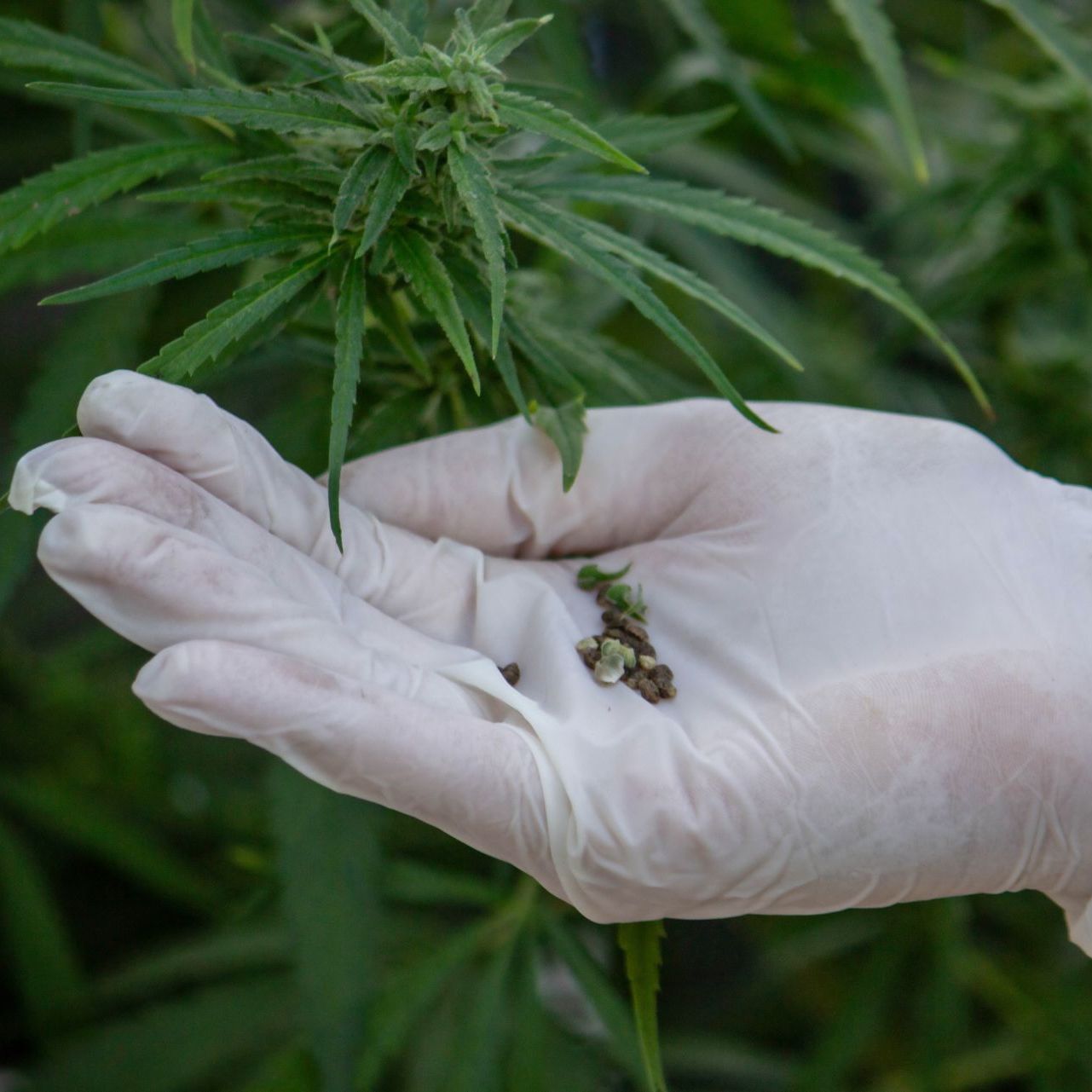
Serving the Cannabis Supply Chain
We cover licensed operators at every stage.
OUR BLOGS
Resources for Cannabis Business Owners
Stay informed and protected with our latest posts.
COMMON QUESTIONS
Cannabis Insurance Made Clear
Answers to the questions we hear most from cannabis business owners.
What types of insurance do you offer for cannabis businesses?
We offer commercial property, general liability, product liability, crop insurance, workers’ compensation, and cyber liability tailored to cannabis operations. These policies address the most common risks, such as crop loss, product claims, and facility damage.
Our agents will help you match the right coverage to your business type and scale, whether you're a dispensary, grower, processor, or distributor.
Why is specialized cannabis insurance necessary?
Standard business policies often exclude cannabis-related activities, which leaves significant exposure gaps. Cannabis-specific insurance covers unique industry risks like product recalls, crop theft, and regulatory compliance.
Having the right policy also satisfies licensing, leasing, and vendor requirements, allowing your business to operate legally and securely.
How does your agency ensure compliance with state regulations?
Many states require proof of specific insurance types before issuing or renewing cannabis licenses. We stay up-to-date on regulatory changes and ensure your policies meet state and local mandates.
That means you avoid surprises during audits or inspections and maintain good standing with licensing authorities.
How fast can I get a quote and bind coverage?
Request a quote and you’ll typically receive a custom proposal within 24 hours. Once you review and accept it, coverage can often be bound the same day, so your business isn’t left exposed.
We streamline documentation and communication to make setup fast and clear—no confusing forms or delays.
Do you support multi-state cannabis businesses?
Yes. We are licensed to operate in 36 states, including major cannabis markets. Whether you’re operating in one state or across several, we can design policies that address your regulatory and risk needs.
As you expand, our team adjusts your coverage accordingly—keeping your protection consistent across state lines.
What should I consider when selecting cannabis insurance?
Begin by identifying your key exposures—crop value, product inventory, employee safety, or cyber data. From there, choose coverage that aligns with these risks instead of opting for a basic or low-cost solution.
Also, look for a provider with cannabis expertise and responsive claims support—this experience helps during actual loss events.
Contact Us
Phone
Address