West Virginia Medical Dispensary Insurance
See How We're Different
or call us: (215) 653-8411
Opening a medical cannabis dispensary in West Virginia means confronting a reality that most traditional businesses never face: your entire operation exists in a legal gray zone that makes standard insurance nearly impossible to obtain. While the state legalized medical marijuana in 2017, the federal classification of cannabis as a Schedule I substance creates a maze of complications that directly affect how you protect your business assets, employees, and patients.
West Virginia medical dispensary insurance requires specialized knowledge because most mainstream carriers won't touch cannabis businesses. The handful of insurers who will work with you operate under unique risk assessments, pricing models, and coverage structures. Understanding these nuances isn't optional: it's essential for survival in an industry where a single uninsured incident could permanently close your doors.
Your dispensary faces risks that span from product liability claims to armed robbery, from data breaches involving protected health information to employee injuries in cultivation-adjacent spaces. Each risk demands specific coverage, and gaps in your policy portfolio can prove catastrophic. The stakes are high, the options are limited, and the wrong choices can cost you everything you've built.
The Landscape of Medical Cannabis Insurance in West Virginia
West Virginia's medical marijuana program operates under the Medical Cannabis Act, which established a framework for licensed dispensaries to serve registered patients. The state's approach creates specific insurance mandates while leaving dispensary owners to navigate a market with few willing providers.
State-Specific Regulatory Requirements
The West Virginia Office of Medical Cannabis requires dispensaries to maintain minimum insurance coverage as a condition of licensure. You'll need general liability coverage of at least $1 million per occurrence and $2 million aggregate. The state also mandates product liability insurance, though specific minimums depend on your operational scope and inventory levels.
Beyond these minimums, the Bureau of Public Health expects dispensaries to carry workers' compensation coverage for all employees. The state doesn't accept self-insurance for cannabis businesses, meaning you must secure coverage through an admitted or surplus lines carrier. Failure to maintain required coverage can result in license suspension or revocation.
West Virginia also requires proof of insurance renewal at least 30 days before expiration. Missing this deadline triggers automatic review of your license status. Smart operators calendar these dates religiously and maintain relationships with brokers who specialize in cannabis accounts.
Federal Law Complications and Banking Restrictions
The federal prohibition on cannabis creates ripple effects throughout your insurance program. Most major carriers refuse cannabis accounts entirely because they fear federal enforcement actions or reputational damage. This leaves you dependent on surplus lines carriers and specialty markets that charge premium rates for accepting elevated risk.
Banking restrictions compound the problem. Many dispensaries operate as cash-heavy businesses because traditional banks won't service cannabis accounts. This cash concentration dramatically increases your crime exposure and affects how insurers price your policies. Some carriers require specific cash-handling protocols before they'll offer coverage, including armored transport services and time-delay safes.
Federal law also means your insurance contracts may contain specific exclusions related to federal enforcement. If DEA agents seize your inventory, most policies won't cover the loss. Understanding these exclusions before you need to file a claim prevents devastating surprises.
TruePath Insurance is fully licensed and authorized to provide comprehensive insurance solutions across multiple states.
We proudly serve individuals and businesses nationwide, offering access to trusted regional and national carriers. Our goal is to help clients find reliable, affordable coverage that aligns with their goals—whether for personal protection, business stability, or long-term financial security.
Core Coverage Types for Dispensary Operations
Building a comprehensive insurance program requires layering multiple policy types to address your full risk spectrum. No single policy covers everything, and gaps between policies create exposure that sophisticated operators work hard to eliminate.
General Liability and Product Liability
General liability protects your business when customers or visitors suffer bodily injury or property damage on your premises. A patient who slips on a wet floor, a delivery driver who trips on your loading dock, or a visitor injured by falling merchandise all trigger general liability claims.
Product liability addresses a different risk: harm caused by the cannabis products you sell. If a patient experiences an adverse reaction, claims contamination, or alleges that a product caused injury, your product liability coverage responds. This coverage is particularly critical because cannabis products lack the regulatory history and testing standards of traditional pharmaceuticals.
| Coverage Type | What It Covers | Typical Limits | Average Annual Premium |
|---|---|---|---|
| General Liability | Slip-and-fall, property damage, advertising injury | $1M/$2M | $3,500 - $8,000 |
| Product Liability | Adverse reactions, contamination claims, mislabeling | $1M/$2M | $5,000 - $15,000 |
| Combined GL/PL | Both coverages in single policy | $1M/$2M | $7,000 - $20,000 |
Property and Finished Stock Insurance
Standard property insurance covers your building, fixtures, and equipment. Cannabis-specific policies add coverage for your inventory: the finished cannabis products ready for sale. This "stock" coverage is essential because your inventory represents significant capital investment that standard property policies typically exclude.
Valuation methods matter enormously. Some policies cover inventory at cost, while others cover replacement value or retail price. The difference can be substantial when filing a claim after theft, fire, or other covered loss. Review your policy's valuation clause carefully and ensure it reflects your actual financial exposure.
Workers' Compensation and Employee Practices
West Virginia requires workers' compensation for all employees, and cannabis businesses face unique challenges securing this coverage. Your employees face risks ranging from repetitive strain injuries from packaging operations to potential robbery-related trauma.
Employment practices liability insurance protects against claims of discrimination, harassment, wrongful termination, and other workplace violations. Cannabis businesses sometimes face elevated EPLI claims because the industry attracts employees from diverse backgrounds and operates under intense scrutiny.

Specialized Risks Unique to West Virginia Dispensaries
Beyond standard business insurance, dispensaries face industry-specific risks that require specialized coverage solutions.
Cyber Liability and Patient Data Protection
Your dispensary handles protected health information under HIPAA regulations. Patient registration data, purchase histories, and medical recommendations all require protection. A data breach exposes you to regulatory penalties, patient lawsuits, and notification costs that can reach six figures.
Cyber liability insurance covers breach response costs, including forensic investigation, patient notification, credit monitoring services, and legal defense. Some policies also cover ransomware payments, though insurers increasingly restrict this coverage as attacks proliferate.
West Virginia's seed-to-sale tracking system creates additional data security obligations. Your point-of-sale systems connect to state databases, and compromises can affect your compliance status alongside your insurance claims.
Crime and Cash-in-Transit Coverage
Cash-intensive operations attract criminal attention. Armed robbery, employee theft, and burglary represent constant threats that standard property insurance doesn't adequately address. Crime insurance provides dedicated coverage for these losses.
Cash-in-transit coverage protects money moving between your dispensary and the bank or armored car service. Given the banking challenges facing cannabis businesses, you may transport substantial cash regularly. This coverage fills a critical gap that general liability and property insurance ignore.
Your premium costs depend on factors you can control and factors you cannot. Understanding both categories helps you optimize your insurance spend while maintaining adequate protection.
Security Protocols and Surveillance Standards
Insurers evaluate your physical security measures when pricing policies and deciding whether to offer coverage at all. Minimum expectations typically include:
- 24/7 video surveillance with 90-day retention
- Commercial-grade alarm systems with central monitoring
- Restricted access controls for inventory areas
- Adequate lighting in parking areas and building perimeters
- Time-delay safes for cash storage
Exceeding minimum standards can earn premium credits. Some carriers offer 10-15% discounts for dispensaries that implement enhanced security measures beyond state requirements. Documenting your security investments and sharing them with your broker strengthens your position during renewals.
Inventory Management and Track-and-Trace Compliance
Your compliance with West Virginia's seed-to-sale tracking system affects your insurability. Carriers view strong inventory controls as risk mitigation because accurate tracking reduces theft opportunities and demonstrates operational discipline.
Dispensaries with clean compliance records typically secure better terms than those with violations. If you've received warnings or penalties from regulators, expect underwriters to ask questions and potentially charge higher premiums or impose coverage restrictions.

Filing insurance claims in the cannabis industry requires careful attention to policy terms and documentation requirements. Many claims that would be straightforward for traditional businesses become complicated when cannabis is involved.
Document everything meticulously. Photograph inventory regularly, maintain detailed transaction records, and preserve security footage beyond minimum retention periods. When incidents occur, notify your carrier immediately: delays can jeopardize coverage under policies with strict reporting requirements.
Work with a broker who specializes in cannabis insurance. Generalist agents often lack the market relationships and technical knowledge to place coverage effectively or advocate during claims. Cannabis-focused brokers understand which carriers actually pay claims and which look for reasons to deny.
Risk mitigation reduces both your premium costs and your likelihood of needing to file claims. Regular employee training, documented safety protocols, and proactive compliance monitoring all contribute to a stronger risk profile that insurers reward.
Frequently Asked Questions
How much does dispensary insurance cost in West Virginia? Most dispensaries pay between $15,000 and $40,000 annually for comprehensive coverage, depending on revenue, location, security measures, and claims history.
Can I use my personal insurance for dispensary operations? No. Personal policies exclude commercial activities and cannabis-related claims. You need dedicated commercial coverage designed for cannabis businesses.
What happens if my insurance lapses? West Virginia can suspend your dispensary license for operating without required coverage. Reinstatement requires proof of continuous coverage going forward.
Do I need separate policies for each coverage type? Not necessarily. Some carriers offer package policies combining general liability, product liability, and property coverage. Others require separate policies for each.
Will my insurance cover federal enforcement actions? Most policies exclude losses from federal enforcement, including inventory seizures. Read your exclusions carefully.
Making the Right Coverage Decisions
Protecting your West Virginia medical dispensary requires insurance expertise that most business owners don't possess. The market is small, the risks are substantial, and the consequences of inadequate coverage can destroy years of work in a single incident.
Start by understanding your state-mandated minimums, then build coverage that reflects your actual risk exposure. Partner with a cannabis-specialized broker who can access markets that generalist agents cannot reach. Review your policies annually as your operations grow and the insurance market evolves.
Your dispensary serves patients who depend on reliable access to medical cannabis. Protecting your business through proper insurance ensures you can continue serving that mission regardless of what challenges arise.
About The Author: Deb Sculli
I’m Deb, a Cannabis Insurance Specialist focused on helping dispensaries, cultivators, and cannabis-related businesses find the right protection. With a strong understanding of the industry’s regulations and risks, I work hard to simplify the insurance process—so my clients stay compliant and confidently safeguard their operations and investments.
Contact Us
WHO WE HELP
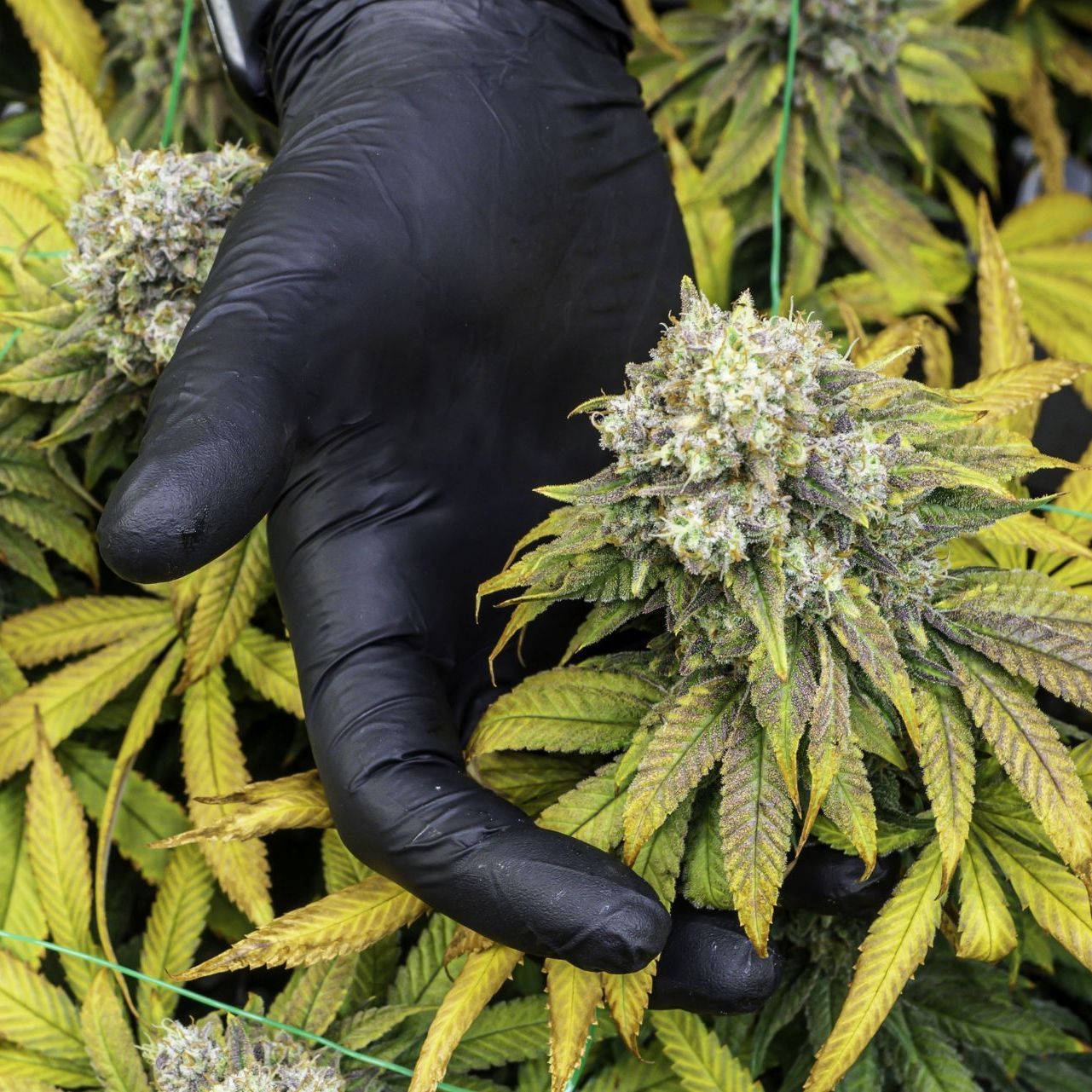
Serving the Cannabis Supply Chain
We cover licensed operators at every stage.

OUR BLOGS
Resources for Cannabis Business Owners
Stay informed and protected with our latest posts.
COMMON QUESTIONS
Cannabis Insurance Made Clear
Answers to the questions we hear most from cannabis business owners.
What types of insurance do you offer for cannabis businesses?
We offer commercial property, general liability, product liability, crop insurance, workers’ compensation, and cyber liability tailored to cannabis operations. These policies address the most common risks, such as crop loss, product claims, and facility damage.
Our agents will help you match the right coverage to your business type and scale, whether you're a dispensary, grower, processor, or distributor.
Why is specialized cannabis insurance necessary?
Standard business policies often exclude cannabis-related activities, which leaves significant exposure gaps. Cannabis-specific insurance covers unique industry risks like product recalls, crop theft, and regulatory compliance.
Having the right policy also satisfies licensing, leasing, and vendor requirements, allowing your business to operate legally and securely.
How does your agency ensure compliance with state regulations?
Many states require proof of specific insurance types before issuing or renewing cannabis licenses. We stay up-to-date on regulatory changes and ensure your policies meet state and local mandates.
That means you avoid surprises during audits or inspections and maintain good standing with licensing authorities.
How fast can I get a quote and bind coverage?
Request a quote and you’ll typically receive a custom proposal within 24 hours. Once you review and accept it, coverage can often be bound the same day, so your business isn’t left exposed.
We streamline documentation and communication to make setup fast and clear—no confusing forms or delays.
Do you support multi-state cannabis businesses?
Yes. We are licensed to operate in 36 states, including major cannabis markets. Whether you’re operating in one state or across several, we can design policies that address your regulatory and risk needs.
As you expand, our team adjusts your coverage accordingly—keeping your protection consistent across state lines.
What should I consider when selecting cannabis insurance?
Begin by identifying your key exposures—crop value, product inventory, employee safety, or cyber data. From there, choose coverage that aligns with these risks instead of opting for a basic or low-cost solution.
Also, look for a provider with cannabis expertise and responsive claims support—this experience helps during actual loss events.
Contact Us
Phone
Address