Louisiana Hydroponic Farm Business Insurance
See How We're Different
or call us: (215) 653-8411
Hydroponic farming represents a significant investment in controlled environment agriculture, and Louisiana's unique climate creates both opportunities and challenges for these operations. From the humidity that can affect indoor growing systems to the ever-present hurricane threat along the Gulf Coast, protecting your hydroponic business requires insurance coverage tailored to your specific risks. Standard agricultural policies often fall short because they're designed for traditional field crops, not the sophisticated equipment and climate-controlled environments that hydroponic operations depend on. Understanding which policies you need, how Louisiana regulations affect your compliance requirements, and where you can reduce costs without sacrificing protection will help you build a resilient business. The average hydroponics farm in America spends between $400 and $1,500 per year for $1 million in general liability coverage, though your actual costs will vary based on operation size, location, and the specific risks you face. This guide walks through the essential coverage types, state-specific considerations, and compliance requirements that Louisiana hydroponic farm operators need to address.
Core Insurance Policies for Louisiana Hydroponic Operations
Your insurance portfolio needs to address several distinct risk categories. Hydroponic farms face equipment failures, product liability concerns, property damage, and employee injuries, each requiring specific coverage types that work together to protect your investment.
General Liability and Product Liability for Fresh Produce
General liability insurance covers third-party injuries and property damage that occur on your premises or result from your business operations. If a delivery driver slips in your facility or your equipment damages a neighboring property, this policy responds. Product liability becomes particularly important when you're selling fresh produce directly to consumers, restaurants, or grocery stores. If someone claims illness from contaminated lettuce or herbs you grew, product liability coverage handles legal defense costs and potential settlements.
Most hydroponic operations should carry at least $1 million per occurrence in general liability coverage, with $2 million aggregate limits. Farms selling to larger retailers often need higher limits to satisfy vendor requirements. Keep detailed records of your growing practices, pest management protocols, and food safety procedures since these documents support your defense if claims arise.
Commercial Property Coverage for Greenhouse and Indoor Systems
Your greenhouse structures, growing systems, nutrient delivery equipment, lighting arrays, and HVAC systems represent substantial capital investments. Commercial property insurance protects these assets against fire, theft, vandalism, and certain weather events. Standard policies may exclude flood damage, which matters significantly in Louisiana.
Standard farming insurance might not provide adequate protection for hydroponic operations, so you'll need to verify that your policy specifically covers controlled environment agriculture equipment. Request an equipment schedule that lists major items individually, ensuring replacement cost coverage rather than actual cash value, which depreciates your equipment over time.
Crop Insurance and Equipment Breakdown Protection
Traditional crop insurance programs through USDA don't always accommodate hydroponic operations effectively. However, you can obtain specialty crop coverage through private insurers that accounts for the higher value per square foot that hydroponic systems produce.
Equipment breakdown insurance fills a critical gap by covering mechanical and electrical failures that property insurance typically excludes. When your climate control system fails during a Louisiana summer, this coverage pays for repairs and the crop losses that result.
TruePath Insurance is fully licensed and authorized to provide comprehensive insurance solutions across multiple states.
We proudly serve individuals and businesses nationwide, offering access to trusted regional and national carriers. Our goal is to help clients find reliable, affordable coverage that aligns with their goals—whether for personal protection, business stability, or long-term financial security.
Louisiana-Specific Environmental and Weather Risk Mitigation
Louisiana's geography creates insurance challenges that operators in other states don't face. Your location relative to the coast, flood zones, and hurricane evacuation routes directly affects your coverage options and costs.
Hurricane and Flood Insurance Requirements in the Gulf Region
Standard commercial property policies exclude flood damage, requiring separate flood insurance through the National Flood Insurance Program or private markets. If you're financing your facility, lenders typically require flood coverage if you're in a designated flood zone. Even operations outside high-risk zones should consider this coverage given Louisiana's unpredictable weather patterns.
Hurricane coverage involves understanding the difference between wind damage, which your property policy covers, and flood damage from storm surge, which requires separate coverage. Many policies include hurricane deductibles calculated as a percentage of your insured value rather than a flat dollar amount. A 2% hurricane deductible on a $500,000 facility means you're responsible for the first $10,000 of hurricane-related damage.
Business Interruption Insurance for Power Outages and Storms
When storms knock out power for days or damage forces you to halt operations, business interruption insurance replaces lost income and covers ongoing expenses like loan payments and employee wages. This coverage typically connects to your property policy and activates when a covered event causes physical damage that interrupts operations.
For hydroponic farms, even brief power outages can destroy crops worth tens of thousands of dollars. Consider policies that include coverage for utility service interruption, which pays claims even when the damage occurs at the power company's facilities rather than your own property.
State Regulatory Compliance and Licensing Requirements
Operating legally in Louisiana requires navigating multiple regulatory agencies. Your insurance coverage should align with these requirements since violations can void coverage or create liability exposure.
Louisiana Department of Agriculture and Forestry (LDAF) Standards
The LDAF oversees agricultural operations throughout the state, including hydroponic farms. Registration requirements, inspection protocols, and labeling standards all fall under their jurisdiction. Maintaining proper licensing protects your insurance coverage since policies typically exclude losses that occur during illegal operations.
The Louisiana Small Scale Agriculture Coalition's on-farm grant fund offers awards ranging from $2,000 to $50,000, which can help offset compliance costs or insurance premiums for qualifying operations. These grants support infrastructure improvements that may also reduce your insurance risk profile.
Water Use Permits and Waste Management Regulations
Hydroponic operations use significant water resources and generate nutrient-rich wastewater that requires proper management. Louisiana's Department of Environmental Quality regulates discharge permits and waste handling. Non-compliance creates both regulatory penalties and potential environmental liability that insurance won't cover if you're operating outside legal requirements.
Document your water sourcing, treatment processes, and waste disposal methods. This documentation supports both regulatory compliance and insurance claims by demonstrating responsible operations.
Labor Laws and Workers' Compensation for Farm Staff
Louisiana requires workers' compensation coverage for most employers, though agricultural exemptions exist for smaller operations. Even if you qualify for an exemption, carrying workers' compensation protects you from potentially devastating lawsuits if employees are injured.
| Coverage Type | Requirement | Typical Cost Factors |
|---|---|---|
| Workers' Compensation | Required for 4+ employees | Payroll amount, job classifications |
| Commercial Auto | Required for business vehicles | Vehicle type, driver records |
| Employer's Liability | Usually included with workers' comp | Employee count, claims history |
Vehicles owned by businesses in Louisiana must carry commercial auto insurance with minimum liability coverage of $15,000 per person for bodily injury and $25,000 per accident for property damage. If you're using vehicles for deliveries or farm operations, personal auto policies won't cover business use.
Food Safety Modernization Act (FSMA) and GAP Certification
Federal food safety regulations apply to most produce operations, including hydroponic farms. Compliance affects both your legal standing and your insurance coverage.
Maintaining Compliance for Traceability and Recalls
FSMA requires produce farms to implement food safety plans, maintain records for traceability, and follow specific growing, harvesting, and handling practices. Good Agricultural Practices certification demonstrates compliance to buyers and insurers alike.
Product recall insurance covers the costs of retrieving contaminated products from the market, notifying consumers, and managing the public relations aftermath. For operations selling to retailers or restaurants, this coverage provides essential protection. Your recall procedures should include clear documentation trails that help identify affected product lots quickly.
The
USDA offers $2.5 million in Urban Agriculture and Innovative Production Grants that can support food safety infrastructure improvements for qualifying hydroponic operations.
Insurance costs shouldn't undermine your profitability. Several strategies can reduce premiums while maintaining adequate protection.
Bundling multiple policies with a single insurer often yields discounts of 10-15%. Increasing deductibles reduces premiums, though you'll need cash reserves to cover those higher out-of-pocket costs when claims occur. Implementing documented safety programs, installing security systems, and maintaining backup power systems all demonstrate reduced risk to insurers.
Annual policy reviews ensure your coverage keeps pace with your operation's growth. As you add equipment or expand production capacity, your coverage limits should increase accordingly. Conversely, if you've reduced operations, you may be paying for coverage you no longer need.
Work with an insurance broker who understands agricultural operations and Louisiana's specific challenges. They can access multiple markets to find competitive rates and identify coverage gaps that generalist agents might miss.
Frequently Asked Questions
Does standard farm insurance cover hydroponic operations? Often not adequately. Hydroponic farms have different risk profiles than traditional agriculture, requiring specialized coverage for controlled environment equipment and higher-value crops per square foot.
What flood zone am I in, and does it affect my insurance requirements? FEMA flood maps determine your zone designation. Lenders require flood insurance in high-risk zones, and even moderate-risk areas in Louisiana face significant flood exposure.
Can I reduce workers' compensation costs for seasonal employees? Yes. Accurate payroll reporting, safety training programs, and return-to-work policies all help control workers' compensation premiums over time.
How much liability coverage do I need to sell to grocery stores?
Most retailers require $1-2 million in general liability, though some larger chains mandate $5 million or more. Check vendor agreements before assuming your current limits are sufficient.
Making the Right Coverage Decisions
Building proper insurance coverage for your Louisiana hydroponic operation requires balancing comprehensive protection against budget realities. Start with the essential coverages: general liability, property insurance with equipment breakdown, and workers' compensation. Add flood insurance given Louisiana's climate, and consider business interruption coverage to protect your income stream. Review your policies annually as your operation evolves, and maintain the compliance documentation that keeps your coverage valid when you need it most.
WHO WE HELP
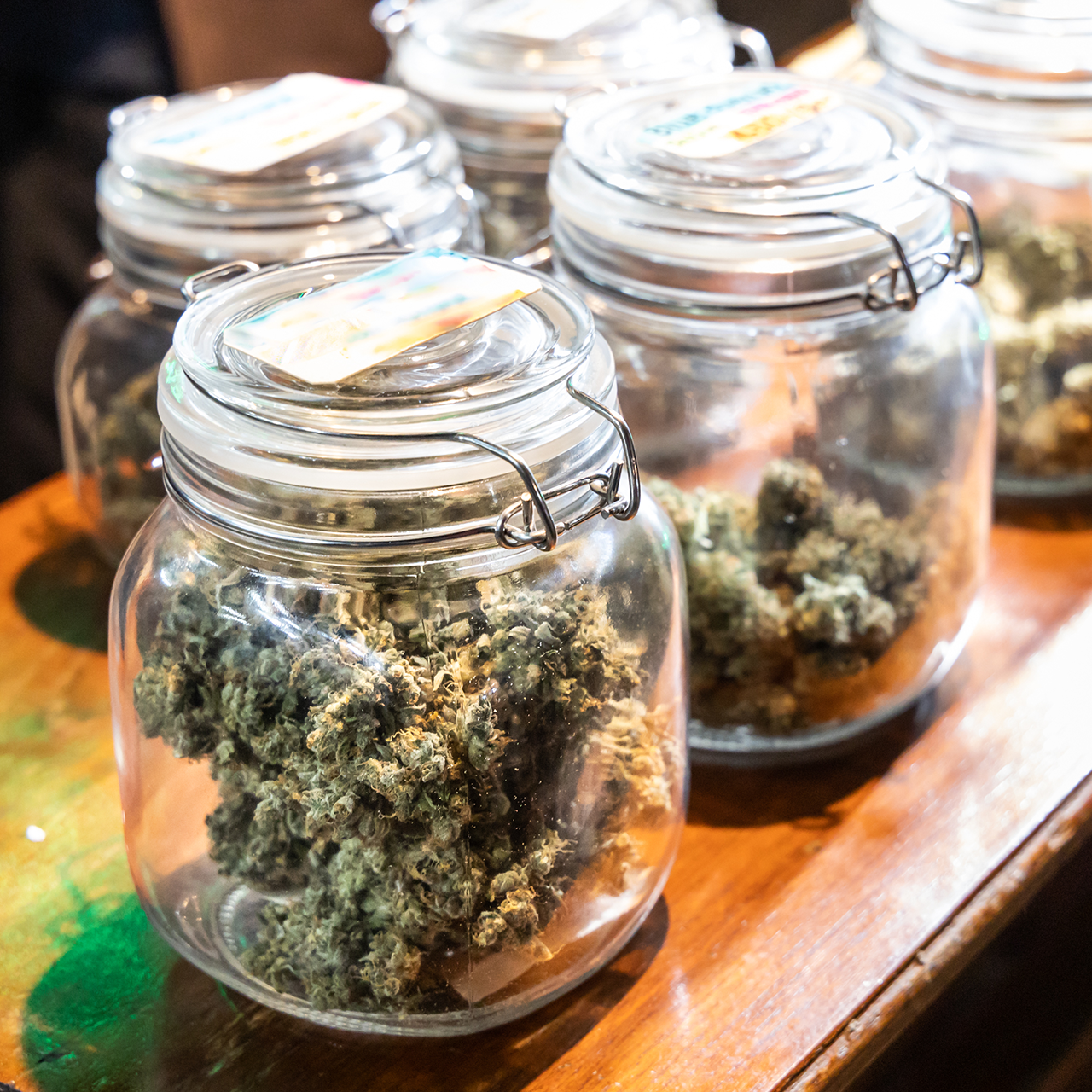
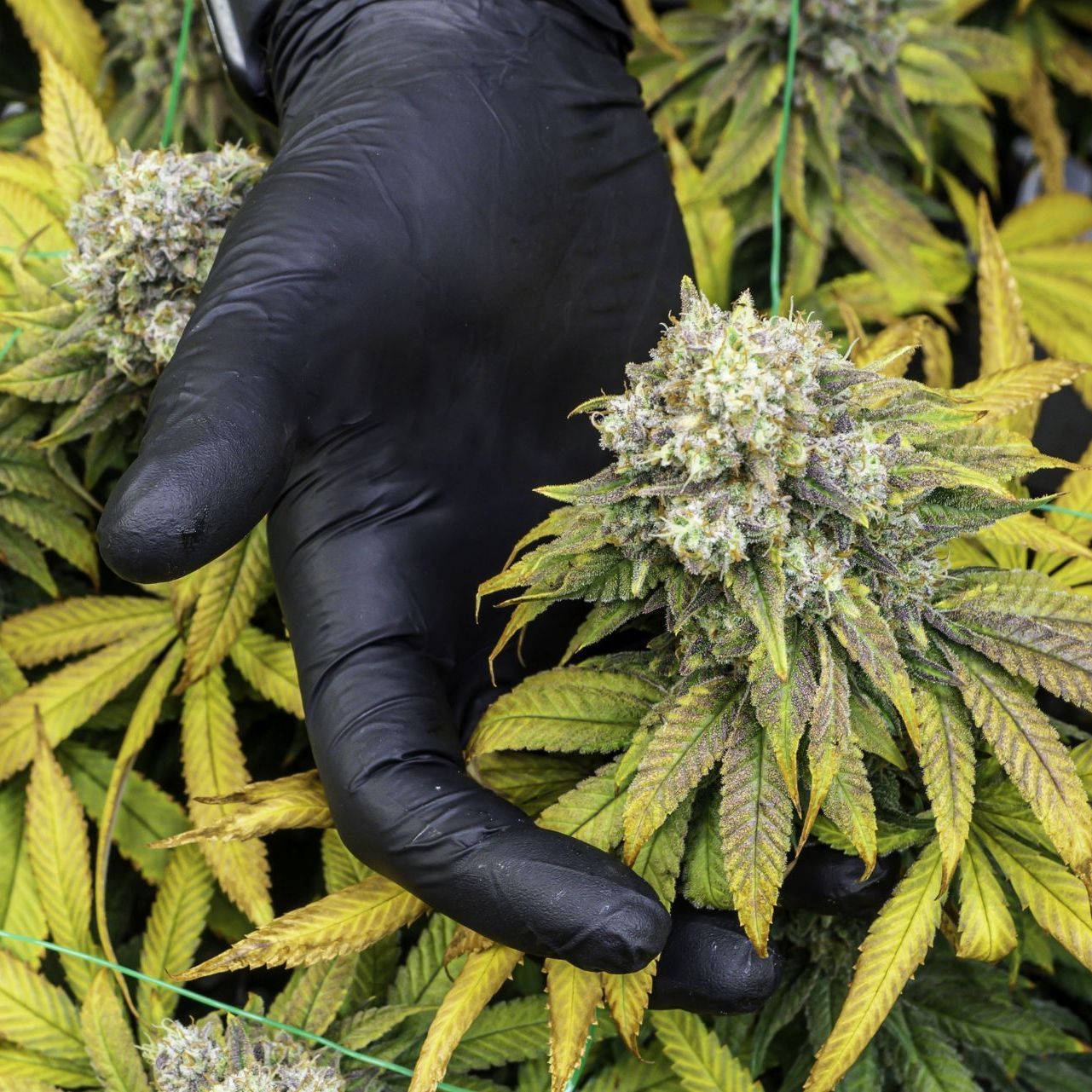
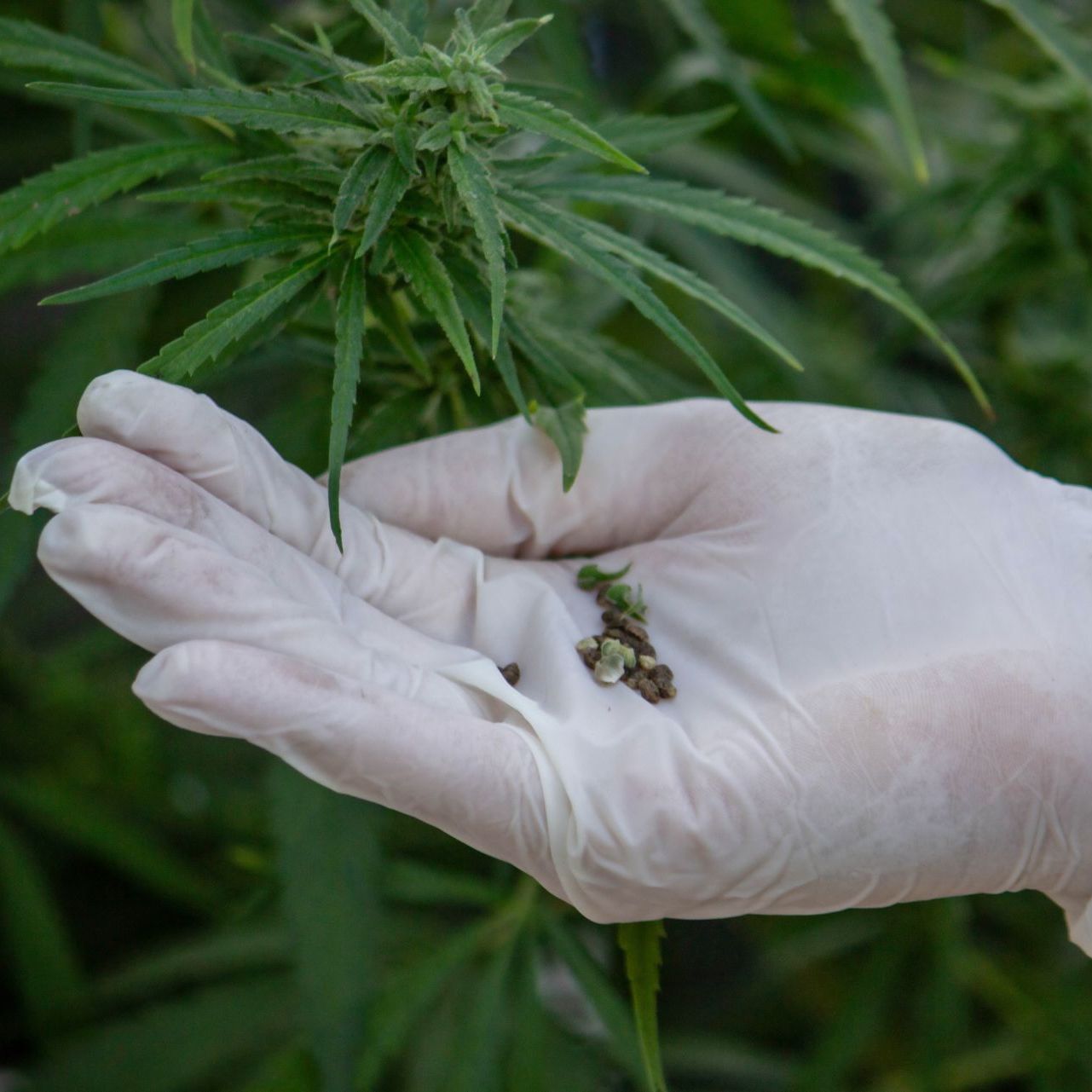
Serving the Cannabis Supply Chain
We cover licensed operators at every stage.
OUR BLOGS
Resources for Cannabis Business Owners
Stay informed and protected with our latest posts.
COMMON QUESTIONS
Cannabis Insurance Made Clear
Answers to the questions we hear most from cannabis business owners.
What types of insurance do you offer for cannabis businesses?
We offer commercial property, general liability, product liability, crop insurance, workers’ compensation, and cyber liability tailored to cannabis operations. These policies address the most common risks, such as crop loss, product claims, and facility damage.
Our agents will help you match the right coverage to your business type and scale, whether you're a dispensary, grower, processor, or distributor.
Why is specialized cannabis insurance necessary?
Standard business policies often exclude cannabis-related activities, which leaves significant exposure gaps. Cannabis-specific insurance covers unique industry risks like product recalls, crop theft, and regulatory compliance.
Having the right policy also satisfies licensing, leasing, and vendor requirements, allowing your business to operate legally and securely.
How does your agency ensure compliance with state regulations?
Many states require proof of specific insurance types before issuing or renewing cannabis licenses. We stay up-to-date on regulatory changes and ensure your policies meet state and local mandates.
That means you avoid surprises during audits or inspections and maintain good standing with licensing authorities.
How fast can I get a quote and bind coverage?
Request a quote and you’ll typically receive a custom proposal within 24 hours. Once you review and accept it, coverage can often be bound the same day, so your business isn’t left exposed.
We streamline documentation and communication to make setup fast and clear—no confusing forms or delays.
Do you support multi-state cannabis businesses?
Yes. We are licensed to operate in 36 states, including major cannabis markets. Whether you’re operating in one state or across several, we can design policies that address your regulatory and risk needs.
As you expand, our team adjusts your coverage accordingly—keeping your protection consistent across state lines.
What should I consider when selecting cannabis insurance?
Begin by identifying your key exposures—crop value, product inventory, employee safety, or cyber data. From there, choose coverage that aligns with these risks instead of opting for a basic or low-cost solution.
Also, look for a provider with cannabis expertise and responsive claims support—this experience helps during actual loss events.
Contact Us
Phone
Address