A delivery driver clips a cyclist while rushing to drop off a medical cannabis order in Richmond. The vehicle is registered in the business owner’s personal name, the product in the back is worth thousands, and the customer is already calling to ask why their order is late. Moments like this are where Virginia cannabis delivery coverage either proves its value or exposes expensive gaps.
Between July and August 2025, Virginians spent nearly 30 million dollars on medical cannabis, with roughly 47 percent of sales for flower, 32 percent for concentrates, 15 percent for edibles, and about 5 percent for shake trim, according to the Virginia Cannabis Control Authority.
A fiscal impact statement projected that Virginia’s proposed legal retail marijuana market could generate about 300 million dollars in revenue over six years, starting with an estimated 7.3 million dollars in the 2026 fiscal year, based on analysis summarized by the Virginia Cannabis Control Authority.
That level of activity means more product on the road, more delivery vehicles, and more potential claims. Whether a company is running a licensed medical dispensary with an in-house fleet, contracting with a third-party courier, or planning for an adult-use launch when regulations catch up, insurance decisions now will shape how resilient the delivery side of the business is later.
How Virginia’s Cannabis Rules Shape Delivery Risk
Virginia sits in an unusual spot. Possession for adults is legal within limits, yet a full recreational retail system is still being debated. At the same time, the medical program is active and growing, with sales flowing through licensed dispensaries and caregivers. That mix of legality, uncertainty, and patient demand creates a delivery environment that does not look like more mature Western markets.
Patients are not just occasional users. The Virginia Cannabis Control Authority’s 2024 patient survey found that 98 percent of medical cannabis patients use cannabis at least weekly, 81 percent use it daily, and 61 percent say they use it both medicinally and recreationally, according to its Annual Report.
For delivery operators, that level of frequent and blended use translates into steady ordering patterns, regular routes, and expectations of reliability. Missed deliveries, vehicle outages, or product losses are not just minor hiccups; they can interrupt essential symptom management for patients and damage trust at the exact time competition is poised to grow.
TruePath Insurance is fully licensed and authorized to provide comprehensive insurance solutions across multiple states.
We proudly serve individuals and businesses nationwide, offering access to trusted regional and national carriers. Our goal is to help clients find reliable, affordable coverage that aligns with their goals—whether for personal protection, business stability, or long-term financial security.
Core Risks Every Virginia Cannabis Delivery Service Faces
Cannabis delivery blends traditional transportation exposure with pharmacy-like sensitivity and cash-intensive operations. The result is a risk profile that insurers still treat carefully. Understanding that profile is the first step toward building coverage that actually works when a claim hits.
While every operation is different, certain themes show up again and again for Virginia operators that move product from licensed facilities to patients or between business locations.
On-road accidents and auto liability
Delivery drivers spend their day navigating neighborhood streets, apartment complexes, and crowded city corridors. Even cautious drivers can be involved in collisions, and the stakes are higher when a vehicle is clearly associated with a cannabis brand or carrying visible packaging.
Personal auto policies usually exclude business use involving delivery, especially for regulated products. If a crash happens while a driver is on the clock, the insurer can deny the claim, leaving the business exposed to property damage, medical bills, and lawsuits from third parties. That is why commercial auto coverage specifically designed for cannabis use is central to any delivery strategy.
Theft, robbery, and cargo loss
Cannabis and cash remain attractive targets. Delivery vehicles that make predictable stops, park in dark areas, or lack basic security protocols can become easy marks. Theft may take the form of product stolen from vehicles, robbery of drivers, or entire vehicles being taken with inventory inside.
Standard commercial auto often has only limited protection for the product itself, especially when the product is cannabis. Companies typically need additional cargo or inland marine coverage tailored to cannabis to protect the value of inventory while it is in transit, at staging locations, or temporarily stored off-site.
Product liability and patient harm
Even if manufacturing and testing sit upstream with the grower or processor, delivery operations can still be pulled into product liability claims. A mislabeled order, failure to follow chain-of-custody rules, or a temperature-sensitive product handled improperly during transit can all be alleged as contributing factors when a patient reports an adverse reaction.
Virginia’s shifting regulatory landscape means plaintiffs’ attorneys are still exploring theories of liability, including claims that dispensaries and delivery services did not verify identity properly or delivered more than legal possession limits. General liability and product liability coverage built for cannabis businesses help defend against these allegations, and they also pay for legal costs even when a claim turns out to be groundless.
Workers, employment, and safety issues
Drivers lift boxes, climb stairs, and work long shifts in traffic. That brings an assortment of workers compensation exposures, from strains and sprains to carpal tunnel to injuries caused by third parties during robberies or confrontations at delivery sites.
There are also employment practices exposures: disputes over overtime for drivers who feel pressured to make unrealistic route times, discrimination complaints, or allegations related to background checks. While employment practices liability insurance is not usually the first coverage operators think about, it can play a critical role once a team grows into multiple routes and shifts.
Privacy, security, and cyber risks
Many Virginia patients are still sensitive about their cannabis use being disclosed. Delivery magnifies that concern, because customer names, addresses, purchasing history, and sometimes medical conditions are stored in systems that coordinate logistics and compliance reporting.
A stolen laptop in a delivery vehicle, an intercepted driver tablet, or a breach of the route-planning platform can expose personal data and purchasing patterns. Cyber liability and data breach coverage help pay for notification, credit monitoring, legal defense, and regulatory fines, along with the cost of hiring forensic experts to identify what went wrong.

Insurance Policies That Typically Protect Cannabis Delivery Operations
No two Virginia cannabis delivery operations look exactly alike. Some dispensaries use in-house drivers and branded vehicles. Others rely on third-party couriers or hybrid models. Even so, certain coverage types appear in almost every well-structured insurance portfolio for this sector.
Thinking in terms of layers of protection can help. One layer handles injuries and damage to others, another protects the vehicles and cargo, and another shields the business’s balance sheet and leadership from catastrophic claims.
Commercial auto coverage
Commercial auto is the foundation for any operation that sends drivers onto public roads. It addresses bodily injury and property damage the driver causes to others, and, depending on the policy, it can also cover damage to the business-owned vehicle itself.
For cannabis delivery, it is important that the carrier explicitly acknowledges cannabis as the primary cargo, and that the policy definitions do not quietly exclude controlled substances. Some policies also allow for hired and non-owned auto coverage, which can be vital when employees occasionally use their own vehicles for deliveries or errands.
Cargo and inland marine coverage
Cargo or inland marine policies protect the value of the cannabis products while they are in transit or at temporary locations away from a main facility. This becomes especially important when high-value concentrates or large multi-stop routes are involved.
Operators should confirm whether the product is insured at wholesale or retail value, who is responsible during transfers between businesses, and how coverage responds if a driver leaves a vehicle unattended briefly at a stop. Clear documentation of inventory and chain of custody makes it easier to prove losses and satisfy policy conditions.
General liability and product liability
General liability is the workhorse policy that addresses many third-party bodily injury or property damage claims, such as someone tripping over a driver’s equipment at a delivery site or alleging that the company’s marketing caused confusion about dosage.
Product liability, often written as part of a combined general liability form for cannabis, deals with claims that someone was harmed by consuming or using the product delivered. Since Virginia’s patients often use cannabis frequently, allegations can involve long-term usage patterns rather than single incidents, which increases defense complexity and costs.
Workers compensation and occupational accident coverage
Workers compensation is usually required when a business has employees. It covers medical expenses and lost wages when staff are injured in the course of their work. For delivery operations, this includes injuries that occur while driving, loading and unloading, or interacting with customers at their homes.
Some smaller operators experiment with independent contractor models combined with occupational accident coverage. That approach carries its own legal and regulatory risks, especially as regulators and courts scrutinize worker classification, so it is important to coordinate closely with legal counsel before assuming contractors eliminate workers compensation exposure.
Excess and umbrella liability
Claims arising from auto accidents, product issues, or violent incidents can easily exceed the limits of primary policies. Umbrella or excess liability coverage adds an extra layer of protection above those policies, providing additional capacity once primary limits are used up.
Because cannabis is still treated as a higher-hazard industry by many insurers, it pays to work with a broker who understands which carriers genuinely support the sector rather than writing minimal-limit policies at inflated prices.
| Coverage type | Main purpose | Key delivery exposures addressed |
|---|---|---|
| Commercial auto ery Package | Protects against liability from vehicle use | Crashes, injuries to other drivers or pedestrians, damage to property |
| Cargo / inland marine tection Package | Insures product while it is in transit | Theft, robbery, damage to cannabis inventory during deliveries |
| Comprehensive Delivery RGeneral & product liability isk Program | Covers third-party injury and product-related claims | Adverse reactions, mislabeling allegations, injuries at delivery sites |
| Workers compensation | Provides benefits for injured employees | Driver injuries, lifting strains, incidents during robberies |
| Cyber & data breach | Responds to privacy and system compromises | Stolen customer information, hacked routing or ordering systems |
| Umbrella / excess liability | Adds higher limits above primary policies | Severe crashes, large lawsuits, multi-plaintiff product claims |
How Pricing And Patient Behavior Affect Delivery Exposure
Insurance decisions do not happen in a vacuum. Pricing, access, and patient behavior across Virginia, Maryland, and Washington, D.C. all affect how and where deliveries are happening, which in turn shapes risk.
A 2023 study by the Virginia Cannabis Control Authority found that 90 percent of the state’s medical cannabis patients purchase cannabis from sources other than the medical market, with 57 percent growing at home, 65 percent obtaining cannabis from friends or family, and some traveling to other jurisdictions such as Washington, D.C. and Maryland where the average price per gram is lower than in Virginia, according to analysis reported by Cannabis Business Times.
For delivery operators, that pattern has direct implications. When patients perceive licensed products as expensive or inconvenient, they may turn to informal arrangements that do not carry the same insurance protections or safety standards. Licensed delivery services that can operate efficiently, communicate transparently about fees, and demonstrate reliability have a better chance of keeping patients within the regulated channel.
Cross-border purchasing also matters. Even if a Virginia-based service stays within state lines, its customers may be mixing product from multiple sources with different labeling, potency, and packaging standards. That can complicate product liability investigations and make it harder to untangle whether alleged harm stems from the product a company delivered or something the patient obtained elsewhere.

Practical Steps To Build A Strong Delivery Coverage Plan
Knowing which policies exist is helpful, but translating that knowledge into a coverage plan takes deliberate work. Insurers respond better when they see structure, documentation, and a clear commitment to safety. That begins before the first application is submitted.
Virginia cannabis businesses that invest early in risk management often find it easier to negotiate better limits, more favorable deductibles, and broader terms as the market matures.
Map the delivery process from end to end
Start by tracing how an order moves from intake to completion. That includes where inventory is stored before loading, how it is verified, how routes are planned, how drivers are dispatched, and what happens if a customer is not home or refuses a delivery.
Along that path, identify the points where something can go wrong: miscounts during packing, product sitting too long in a vehicle without climate control, drivers leaving vehicles running during quick drop-offs, or confusion about who is responsible when a courier service is involved. Each weak spot can point to both risk-control measures and coverage needs.
Set clear driver and vehicle standards
Insurers pay close attention to driver quality and vehicle condition. Written standards for acceptable driving records, age, experience, and cannabis-related training help show underwriters that the business is serious about safety.
Regular vehicle inspections, preventive maintenance schedules, and rules about personal use of delivery vehicles matter as well. Even details like prohibiting identifiable cannabis branding on vehicles in certain neighborhoods can reduce the likelihood of theft or unwanted attention.
Tighten cash handling and point-of-sale practices
Cash-intensive operations attract both criminals and auditors. Where possible, shift toward electronic payments that comply with state and federal rules and reduce the amount of physical cash in vehicles and at handoff points.
When cash is unavoidable, document how it is counted, stored, and transported. Safe drop procedures, dual controls, and clear separation between product inventory records and cash reconciliation all help reduce internal theft and support future claims.
Build incident response into daily operations
Crashes, attempted robberies, or angry customers can escalate quickly. Delivery drivers should know exactly what to do in each scenario: who to call first, which information to collect, how to preserve evidence, and when to involve law enforcement.
Written incident protocols, combined with short after-action reviews whenever something happens, give insurers confidence that the business will handle losses responsibly. They also help managers identify patterns, such as certain time windows or neighborhoods where additional security measures might be needed.
Work with specialists who understand cannabis
Cannabis insurance is not a generic add-on to a traditional business policy. Exclusions that seem minor in other industries, such as controlled substances or professional services carveouts, can quietly gut coverage for a delivery operation.
Partnering with brokers and carriers who actively write cannabis risks in Virginia helps avoid these surprises. They can also flag regulatory developments that may require updates to limits, territories, or policy wording as the adult-use market comes online
Frequently Asked Questions About Virginia Cannabis Delivery Coverage
Business owners and managers often ask similar questions when they start or expand a delivery program. Addressing those questions up front can make conversations with insurers and advisors much more productive.
Can a personal auto policy cover cannabis deliveries?
In most cases, no. Personal auto policies typically exclude business use for delivery, especially for regulated products like cannabis. Relying on them can leave both the driver and the business exposed after a crash.
Is product in the delivery vehicle automatically covered?
Not always. Standard commercial auto policies may offer little or no protection for the cargo itself, particularly if the cargo is cannabis. Dedicated cargo or inland marine coverage tailored to cannabis is usually needed.
Do I still need workers compensation if I use independent drivers?
Possibly. Worker classification is complex, and regulators may view long-term, tightly controlled drivers as employees even if contracts say otherwise. A legal review is essential before assuming that contractors eliminate workers compensation obligations.
How does cyber insurance relate to a delivery-focused business?
Delivery operations depend on routing, ordering, and communication systems that hold sensitive patient information. Cyber insurance helps with the costs of data breaches, system outages, and privacy-related claims linked to those tools.
Will insurers actually pay cannabis-related claims?
Yes, provided the policies are written by carriers that knowingly and explicitly insure cannabis businesses. Claims problems usually arise when coverage is purchased from insurers that quietly exclude cannabis or did not understand the true nature of the business.
Does hiring a third-party courier remove my liability?
It reduces some exposure but does not eliminate it. Customers and regulators may still see the dispensary as responsible for how products reach patients. Well-drafted contracts and proof of the courier’s own insurance are critical.
How often should I review my delivery coverage?
Any time routes expand, vehicle counts change, or regulations shift, coverage should be revisited. Regular reviews help keep limits and terms aligned with how the business actually operates.
What To Remember As Virginia’s Market Evolves
Virginia’s cannabis industry is on the verge of change. Patient demand is already steady, product sales are measured in tens of millions of dollars, and policymakers are weighing larger retail frameworks supported by revenue projections from the Virginia Cannabis Control Authority.
Delivery will sit at the center of that evolution. It is the link between secure facilities and patients’ homes, between new retail formats and the neighborhoods they serve. Companies that treat insurance as a strategic tool, rather than a last-minute checkbox, will be in a stronger position to compete, survive claims, and adapt as rules change.
The path forward starts with a clear picture of risk, a willingness to invest in safety and documentation, and coverage that is honest about what the business does every day. From there, each delivery is not just a drop-off; it becomes proof that the operation can handle the responsibility that comes with moving cannabis across Virginia’s roads.
About The Author: Deb Sculli
I’m Deb, a Cannabis Insurance Specialist focused on helping dispensaries, cultivators, and cannabis-related businesses find the right protection. With a strong understanding of the industry’s regulations and risks, I work hard to simplify the insurance process—so my clients stay compliant and confidently safeguard their operations and investments.
Contact Us
WHO WE HELP
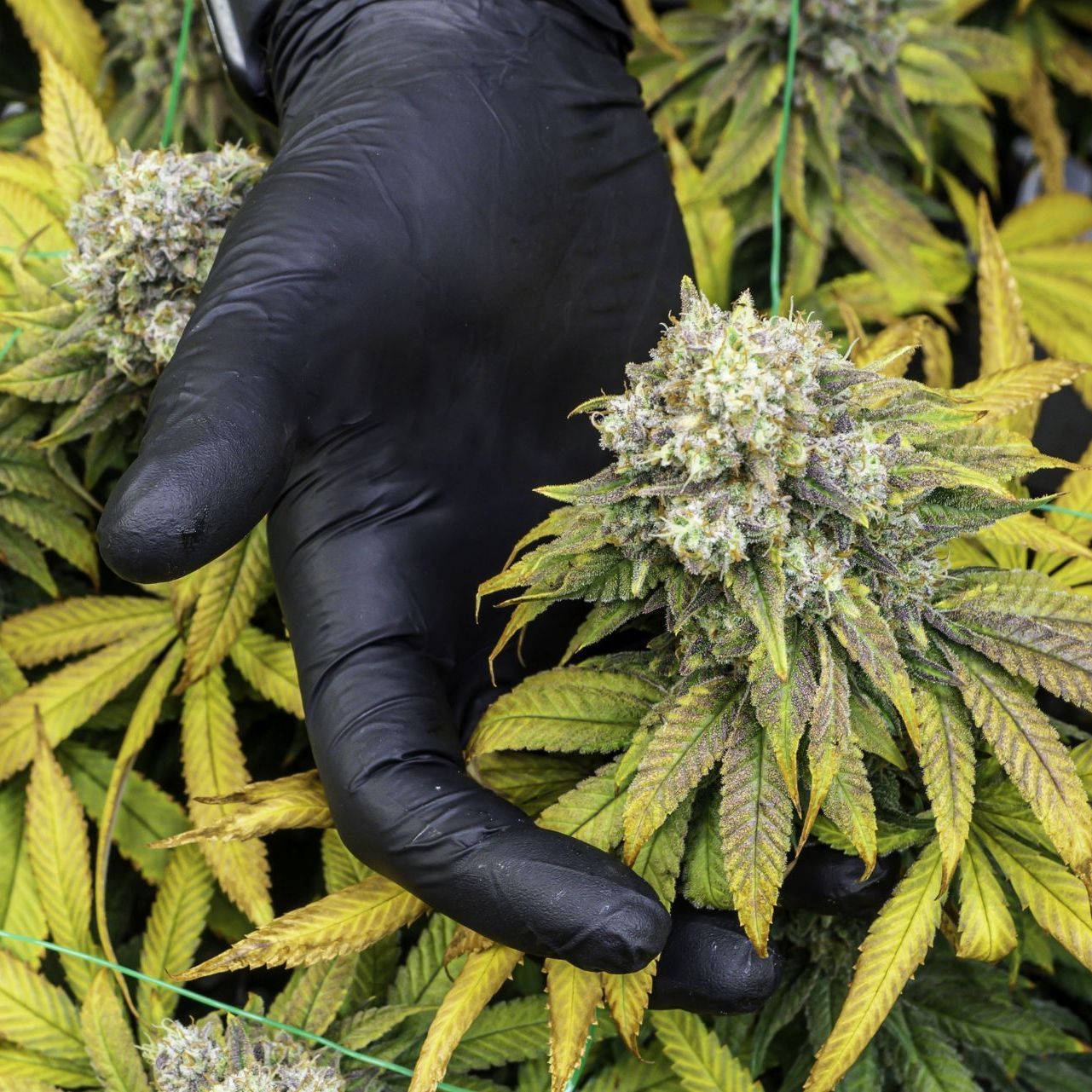
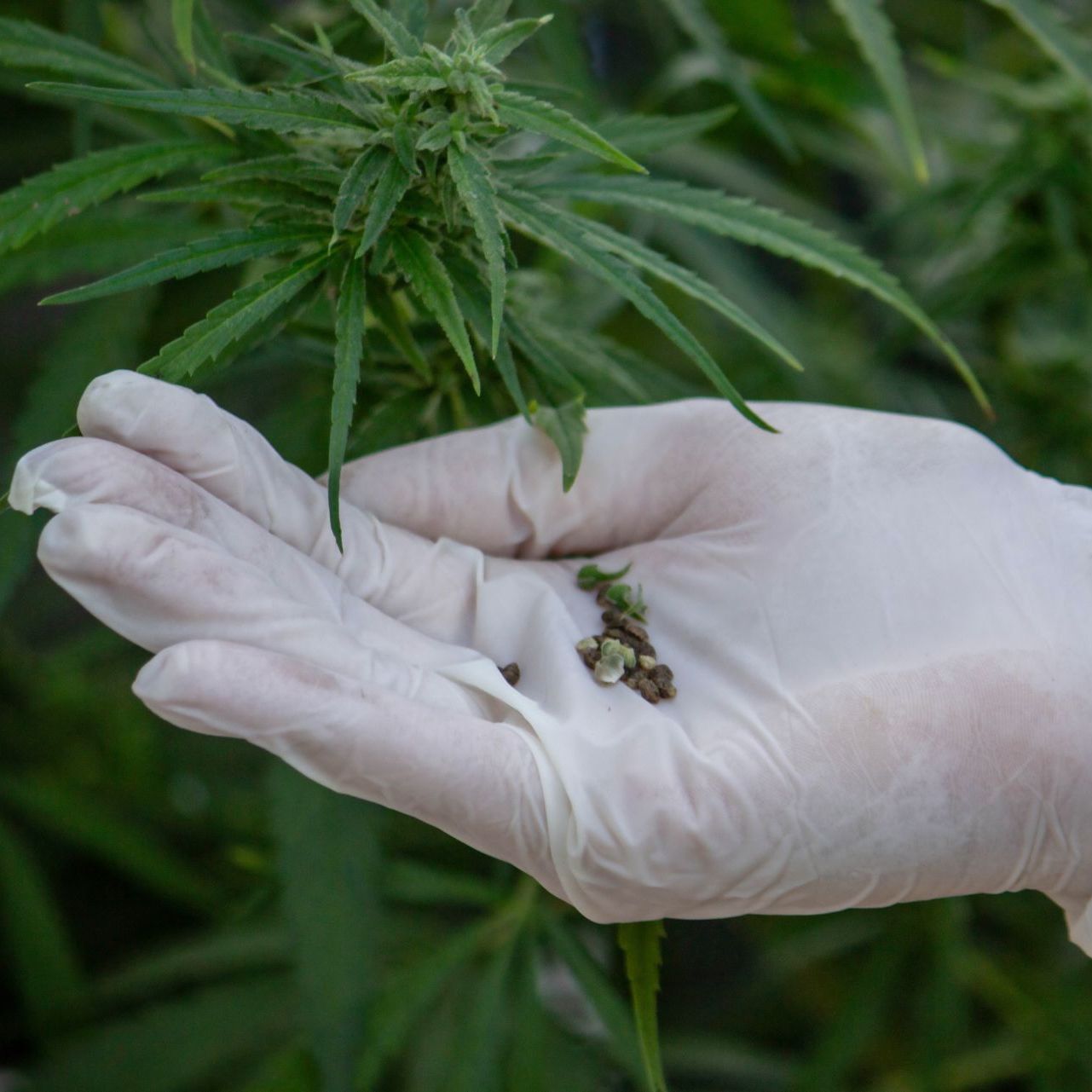
Serving the Cannabis Supply Chain
We cover licensed operators at every stage.

OUR BLOGS
Resources for Cannabis Business Owners
Stay informed and protected with our latest posts.


COMMON QUESTIONS
Cannabis Insurance Made Clear
Answers to the questions we hear most from cannabis business owners.
What types of insurance do you offer for cannabis businesses?
We offer commercial property, general liability, product liability, crop insurance, workers’ compensation, and cyber liability tailored to cannabis operations. These policies address the most common risks, such as crop loss, product claims, and facility damage.
Our agents will help you match the right coverage to your business type and scale, whether you're a dispensary, grower, processor, or distributor.
Why is specialized cannabis insurance necessary?
Standard business policies often exclude cannabis-related activities, which leaves significant exposure gaps. Cannabis-specific insurance covers unique industry risks like product recalls, crop theft, and regulatory compliance.
Having the right policy also satisfies licensing, leasing, and vendor requirements, allowing your business to operate legally and securely.
How does your agency ensure compliance with state regulations?
Many states require proof of specific insurance types before issuing or renewing cannabis licenses. We stay up-to-date on regulatory changes and ensure your policies meet state and local mandates.
That means you avoid surprises during audits or inspections and maintain good standing with licensing authorities.
How fast can I get a quote and bind coverage?
Request a quote and you’ll typically receive a custom proposal within 24 hours. Once you review and accept it, coverage can often be bound the same day, so your business isn’t left exposed.
We streamline documentation and communication to make setup fast and clear—no confusing forms or delays.
Do you support multi-state cannabis businesses?
Yes. We are licensed to operate in 36 states, including major cannabis markets. Whether you’re operating in one state or across several, we can design policies that address your regulatory and risk needs.
As you expand, our team adjusts your coverage accordingly—keeping your protection consistent across state lines.
What should I consider when selecting cannabis insurance?
Begin by identifying your key exposures—crop value, product inventory, employee safety, or cyber data. From there, choose coverage that aligns with these risks instead of opting for a basic or low-cost solution.
Also, look for a provider with cannabis expertise and responsive claims support—this experience helps during actual loss events.
Contact Us
Phone
Address