
A single van full of cannabis products heading across Delaware carries cash value, regulatory risk, and public safety exposure all at once. When adult-use sales began and the state logged more than $903,000 in cannabis sales during the opening weekend, it signaled that a significant amount of product and money would soon be moving on the road, not just across dispensary counters.
That jump in demand is now pushing retailers, microbusinesses, and independent couriers to add delivery, often faster than their risk management can keep up. Vehicles that once hauled ordinary retail goods now carry a regulated substance that attracts thieves and intense regulatory scrutiny. A basic small-business policy rarely fits that reality. Cannabis delivery insurance fills that gap, but only when it is built around how this industry really operates in Delaware.
This guide walks through the specific risks of cannabis delivery in the state, how insurance responds, and what a delivery-focused program should look like. The goal is to make it easier for owners, managers, and investors to understand where they are exposed and what to ask for when they sit down with a broker or carrier.
Why Cannabis Delivery In Delaware Is Not A Simple Risk
On paper, cannabis delivery looks similar to any other local courier service. A driver picks up packaged goods, follows a route, and returns with paperwork and payments. The difference is that a cannabis route mixes high-value inventory, privacy concerns, cash handling, and a product that can trigger criminal attention if regulations are not followed perfectly.
Every stop along that route creates layers of liability. A slip and fall on a customer’s front steps, a minor fender bender with another vehicle, or a stolen bag from an unattended car can turn into a complicated claim that touches several policies at once. Regulators, landlords, and investors will not simply accept verbal assurances that coverage exists. They want to see that delivery operations are framed clearly in the insurance program, not squeezed into someone’s personal auto policy or a generic retail package.
TruePath Insurance is fully licensed and authorized to provide comprehensive insurance solutions across multiple states.
We proudly serve individuals and businesses nationwide, offering access to trusted regional and national carriers. Our goal is to help clients find reliable, affordable coverage that aligns with their goals—whether for personal protection, business stability, or long-term financial security.
How Delaware's Cannabis Boom Shapes Delivery Risk
The speed of Delaware’s cannabis growth changes how insurers look at delivery exposure. During the first full month of adult-use sales, the state reported more than $7.3 million in recreational cannabis revenue, with a majority of transactions tied to flower products. That level of volume means more inventory in motion, higher route density, and more pressure on teams to deliver quickly.
Delaware’s medical program adds another layer. State data shows that medical marijuana sales exceeded $53.8 million in one year, again with smokable flower making up a significant share. With many patients relying on consistent access, operators that choose to deliver medical products carry both business continuity risk and a heightened duty of care to vulnerable customers. An interruption can have business, reputational, and potential bodily injury implications.
As adult-use and medical channels both expand, insurers start to see a network rather than a single dispensary. Inventory is constantly moving between cultivators, processors, retailers, and homes. Every node and route in that system becomes part of the risk profile, which is why underwriters ask detailed questions about delivery volumes, service areas, and security protocols before offering terms.
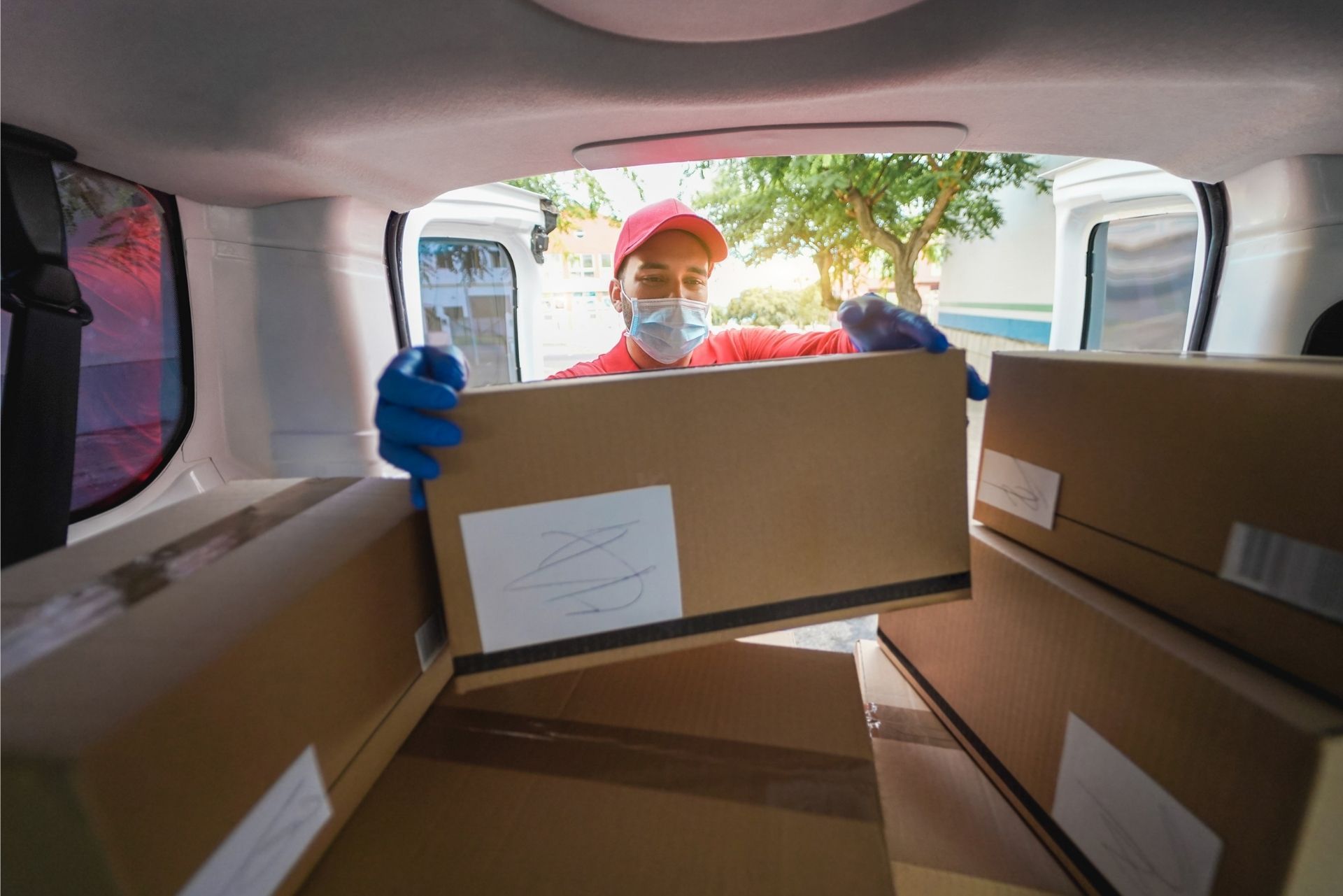
Core Insurance Coverages Every Delaware Cannabis Delivery Operation Needs
No two delivery operations look exactly the same. Some retailers run a small in-house fleet that serves nearby neighborhoods. Others contract with specialized cannabis couriers or develop statewide routes that link multiple storefronts. Regardless of the model, a strong insurance foundation usually revolves around a familiar group of policies, each addressing a different slice of risk.
What often trips operators up is not the label on the policy, but the details. Exclusions that seem harmless to a traditional retailer can gut coverage for a cannabis company using vehicles, drivers, and customer data in a high-scrutiny environment. Each coverage below deserves careful review with a broker who understands both Delaware cannabis rules and transportation risk.
General Liability And Premises Risks
General liability is the starting point for many cannabis businesses. It responds to third-party bodily injury and property damage claims that arise from regular operations. For delivery, that might involve a customer injured while picking up an order at a dispensary door, or a neighbor claiming property damage during a rushed curbside handoff.
Delivery complicates these scenarios because a business may be responsible for conduct far from its own premises. Insurers often want to know whether drivers enter customers’ homes, interact only at the doorstep, or leave orders in lockers or drop boxes. Each setup changes the exposure profile and may require specific endorsements or higher limits.
Commercial Auto For Cannabis Delivery Vehicles
Standard personal auto insurance almost never covers vehicles used regularly for cannabis delivery. Commercial auto policies are the backbone of protection for company-owned cars, vans, and trucks that transport product or employees. They address liability from collisions, damage to business-owned vehicles, and sometimes specialized risks like hired and non-owned auto for vehicles the company does not own but still uses for business.
In Delaware, where urban routes, college towns, and rural roads all play a role, underwriters pay close attention to how and where vehicles are stored, whether they carry secure lockboxes or safes, and what training drivers receive. Clear use descriptions, dash cams, GPS tracking, and written vehicle policies can make a tangible difference when an insurer evaluates pricing and willingness to extend broader coverage.
Cargo And Stock Coverage For Cannabis In Transit
Cannabis inventory is relatively compact, highly valuable, and easily resold. That combination makes product moving on the road a prime target for theft. Cargo or stock in transit coverage protects against loss or damage to cannabis while it is being moved between licensed sites or delivered to customers.
Some operators assume that a property policy automatically covers stock while it is on the road. In practice, coverage can be narrow or disappear entirely once product leaves a scheduled location. A dedicated cargo endorsement or policy can define what is covered, where, and under which conditions, such as whether product must be stored in a locked compartment or whether drivers can ever leave a vehicle unattended.
Workers Compensation For Drivers And Staff
Delivery drivers, dispatchers, and support staff face a mix of driving hazards, lifting injuries, and potential confrontations during deliveries. Workers compensation protects employees when work-related injuries or illnesses occur, covering medical costs and a portion of lost wages, and shielding the business from many employee lawsuits tied to workplace injuries.
For cannabis businesses, accurate job classifications matter. Insurers may treat drivers differently from in-store staff or cultivation workers. Misclassifying employees to save on premium can backfire if a serious injury leads to a dispute over coverage. Clear route logs, safety training records, and documented job descriptions help keep the program aligned with reality.
Product Liability And Customer Safety
Delivery does not change the underlying need for robust product liability coverage, but it changes how product safety risks play out. A mislabeled edible or contaminated vape cartridge that reaches a customer through delivery creates the same potential bodily injury claim as an in-store sale, yet the investigation can be more complex.
When an incident occurs, claim handlers may need to trace the product back through a delivery route, time window, driver records, and digital ordering systems. That process is smoother when businesses document chain of custody, lot numbers, and delivery confirmations. Product liability policies that integrate with recall expense coverage can also soften the financial shock if a batch problem forces a rapid pullback of delivered goods.
Cyber And Data Breach Protection
Most delivery operations rely on online ordering, apps, and payment processing. These tools generate sensitive data, including addresses, purchase histories, and potentially medical information for registered patients. A breach that exposes this data can trigger regulatory penalties, notification costs, reputational damage, and potential lawsuits.
Cyber insurance helps cover the cost of responding to an incident, from forensic investigations to customer notifications and, when needed, credit monitoring. Policies vary widely in scope, so cannabis businesses should look for coverage that aligns with their actual tech stack, third-party vendors, and any patient information they may handle during medical deliveries.
Special Risk Issues For Delaware Cannabis Delivery
Delaware’s cannabis market is not only growing, it is also grappling with product safety and grey-market challenges that affect how insurers assess risk. A secret shopper study found that nearly a quarter of sampled cannabis products contained harmful contaminants, and that synthetic cannabinoids appeared in a majority of the products surveyed, according to a cannabis science and compliance investigation. When mislabeled or contaminated products are part of the supply chain, delivery services may unknowingly transport higher liability exposure directly to consumers’ homes.
Nurse leaders involved in that investigation warned that the rapid spread of questionable or grey-market products puts Delaware residents at risk, echoing concerns that mislabeling and contamination can slip through when oversight is inconsistent. As Nurse Laura Barrett of the National Clinical Directors Consortium explained in that same secret shopper report, gaps in compliance testing and labeling standards can leave patients and adult-use consumers exposed in ways they cannot see on packaging alone.
For insurers, this environment raises questions about quality control, vendor management, and testing protocols. Some expert voices in cannabis lab testing note that producers are highly motivated to secure clean contaminant passes that may be worth hundreds of thousands of dollars per harvest, an incentive highlighted in coverage from public radio reporting on marijuana contaminant testing. When carriers see that a delivery client partners only with rigorously tested, licensed producers and maintains documented recall procedures, they are more comfortable backing the operation at meaningful limits.

Designing An Insurance Program Around Your Delivery Model
Delivery risk is not just about what is on the road, it is about how the business is structured. A vertically integrated operator that grows, processes, and sells cannabis under one corporate umbrella faces a different set of questions than a stand-alone courier that simply picks up sealed bags and drops them off. Insurance programs should reflect those realities instead of forcing every business into the same mold.
Contract relationships matter. When dispensaries hire third-party couriers, their contracts should clearly outline who is responsible for auto liability, cargo coverage, and workers compensation. Indemnity clauses, additional insured requirements, and certificate of insurance language need to align with what policies actually say, or disputes will surface after a loss instead of being resolved in advance.
In-House Fleet Versus Third-Party Couriers
Running an in-house fleet gives a cannabis business direct control over driver hiring, training, routes, and vehicle security. Insurers tend to value that control, but they also expect more detailed information, including written fleet safety policies, regular vehicle maintenance schedules, and documented driver checks. The reward for this work can be more tailored coverage and potentially better pricing as loss histories develop.
Using third-party couriers can reduce some administrative burden, yet it introduces dependency on another company’s risk culture. Retailers should review courier insurance certificates carefully, confirm policy limits and effective dates, and verify that cannabis delivery is explicitly covered rather than excluded. Periodic audits and contract updates help keep the arrangement aligned with evolving regulations and business needs.
Delivery Radius, Schedule, And Security Practices
Insurers look beyond ownership structure to understand where and how often vehicles travel. Congested urban corridors, late-night deliveries, and routes that cross county lines all affect perceived risk. Clear documentation of delivery radiuses, blackout hours, and rules for high-crime areas gives underwriters confidence that exposure has been considered and managed.
Security protocols also carry real weight. Requirements for locked storage compartments, limits on cash carried, panic procedures, and check-in systems can all influence underwriting decisions. Written training programs and incident logs show that policies are not only drafted but actively used.
Cost Drivers And How To Keep Premiums In Check
Cannabis delivery insurance pricing reflects the same forces that drive other commercial policies, but with extra scrutiny. Insurers pay attention to driving records, prior claims, security measures, and the quality of contracts with vendors and partners. In an emerging market like Delaware’s, where loss history is still developing, underwriters often rely heavily on qualitative signals about how seriously a business takes risk management.
Businesses that treat safety and compliance as central functions rather than side tasks tend to find more carrier options and better terms. Regular driver training, vehicle telematics, background checks, and surprise ride-alongs can demonstrate a safety culture in practice. Pairing these efforts with accurate, transparent insurance applications helps avoid coverage disputes later.
Coverage Comparison For Common Delaware Cannabis Delivery Models
Cannabis businesses often want to know how their insurance needs stack up against different delivery approaches. The right structure depends on capital, risk appetite, and long-term strategy. The table below highlights how core coverages typically show up across three common delivery models in Delaware.
This comparison is not a substitute for individual advice, but it illustrates why copying another company’s insurance setup can be risky. Even businesses that look similar from the outside may rely on very different staffing models, technology platforms, and vendor contracts, each of which can change coverage needs in meaningful ways.
| Delivery Model | Key Strengths | Primary Insurance Focus | Common Blind Spots |
|---|---|---|---|
| Retailer with in-house fleet | Full control over drivers, vehicles, and routes; consistent brand experience for customers. | Commercial auto, cargo or stock in transit, workers compensation, general liability, product liability. | Underestimating fleet management needs, weak driver training, and inadequate limits for high-value loads. |
| Retailer using specialized cannabis courier | Leverages courier expertise, can scale delivery quickly, fewer vehicles on retailer’s balance sheet. | Contractual risk transfer, additional insured status on courier policies, verification of cargo and auto coverage. | Outdated or vague contracts, unverified policy renewals, unclear responsibility for losses during transit. |
| Independent courier serving multiple licensees | Diversified revenue, deep operational focus on logistics and routing efficiency. | Commercial auto, cargo, general liability, professional liability for logistics errors, cyber coverage for routing and customer data. | Insufficient product liability coordination, gaps between courier coverage and client expectations, high exposure to reputational damage after incidents. |
Compliance, Claims Scenarios, And Practical Risk Management Tips
Regulators, landlords, and sometimes local communities expect cannabis delivery companies to carry specific insurance types and limits as part of licensing or lease agreements. Keeping that paperwork organized and current is more than a bureaucratic chore. During inspections or after an incident, proof of insurance can shape how authorities respond and how quickly operations return to normal.
Claim scenarios often combine multiple issues at once. A collision during a delivery might injure the driver, damage another vehicle, destroy cannabis inventory, and delay time-sensitive medical orders. That event could touch commercial auto, workers compensation, cargo, and even reputational harm if frustrated patients vent publicly. Running tabletop exercises that walk through hypothetical incidents helps teams understand who to call, how to document events, and which policies are likely to respond.
Frequently Asked Questions About Delaware Cannabis Delivery Insurance
Operators and investors often raise similar questions when they first explore cannabis delivery coverage in Delaware. Clear, concise answers make it easier to prioritize next steps and frame productive conversations with brokers and carriers.
The following questions focus on practical issues that regularly arise for both small operators testing delivery for the first time and larger companies scaling existing routes. Each answer is intentionally brief to highlight the core idea and point toward areas where more detailed advice may be helpful.
Does a personal auto policy cover cannabis delivery for my business?
Almost never. Most personal auto policies exclude regular business use, especially when transporting regulated products, so relying on them for delivery can leave both the driver and the business exposed in a serious accident.
Can I rely only on general liability if I use contractors for delivery?
General liability is important, but it typically will not replace commercial auto or cargo coverage, even when deliveries are done by contractors. Contracts should spell out who carries which policies, and businesses should verify that contractors’ coverage is real and cannabis-specific.
How does the value of cannabis inventory affect my insurance?
Higher-value loads increase both theft risk and the size of potential claims, which can push insurers to require stricter security and higher premiums. Accurate reporting of average and peak load values helps ensure that coverage limits match real exposure.
Is product liability still my problem if I only deliver sealed packages?
Yes, in many cases. Even if the product is sealed, customers often see the delivery brand as part of the chain, and claims or recalls may still involve the delivery company along with cultivators and retailers.
Do I need cyber insurance if my delivery orders go through a third-party platform?
Often, yes. Even when a platform provider handles payment processing, the delivery company may still collect or store customer data, and could be drawn into investigations or lawsuits if that data is exposed.
How often should I review my cannabis delivery insurance program?
Any time routes, vehicle counts, staffing, or partnerships change in a meaningful way, insurance should be revisited. Regular annual reviews, plus updates after major operational shifts, help keep coverage aligned with reality.
Key Takeaways For Delaware Cannabis Delivery Businesses
Delaware’s rapid expansion from medical sales to a growing adult-use market, illustrated by the surge of revenue reported during the opening weekend of recreational sales at more than $903,000 in combined transactions, has raised the stakes for getting cannabis delivery insurance right. With more product on the road and more consumers relying on home delivery, gaps that once seemed theoretical now carry real financial and reputational consequences.
At the same time, the presence of grey-market activity and even fraudulent operations impersonating licensed dispensaries, as highlighted in regulatory warnings reported by industry news on Delaware cannabis enforcement, makes it essential for legitimate operators to demonstrate professionalism and strong risk controls. Comprehensive coverage, clear contracts, and visible safety practices help distinguish reputable delivery services from fly-by-night actors.
For cannabis businesses, delivery can be a growth engine and a customer service advantage, but only if it is supported by thoughtful insurance planning. By working with advisors who understand both cannabis regulations and transportation risk, documenting real-world safety measures, and regularly reviewing coverage as operations evolve, Delaware operators can build delivery programs that are not only profitable but also resilient when the unexpected happens.
About The Author: Deb Sculli
I’m Deb, a Cannabis Insurance Specialist focused on helping dispensaries, cultivators, and cannabis-related businesses find the right protection. With a strong understanding of the industry’s regulations and risks, I work hard to simplify the insurance process—so my clients stay compliant and confidently safeguard their operations and investments.
Contact Us
WHO WE HELP
Serving the Cannabis Supply Chain
We cover licensed operators at every stage.


OUR BLOGS
Resources for Cannabis Business Owners
Stay informed and protected with our latest posts.



COMMON QUESTIONS
Cannabis Insurance Made Clear
Answers to the questions we hear most from cannabis business owners.
What types of insurance do you offer for cannabis businesses?
We offer commercial property, general liability, product liability, crop insurance, workers’ compensation, and cyber liability tailored to cannabis operations. These policies address the most common risks, such as crop loss, product claims, and facility damage.
Our agents will help you match the right coverage to your business type and scale, whether you're a dispensary, grower, processor, or distributor.
Why is specialized cannabis insurance necessary?
Standard business policies often exclude cannabis-related activities, which leaves significant exposure gaps. Cannabis-specific insurance covers unique industry risks like product recalls, crop theft, and regulatory compliance.
Having the right policy also satisfies licensing, leasing, and vendor requirements, allowing your business to operate legally and securely.
How does your agency ensure compliance with state regulations?
Many states require proof of specific insurance types before issuing or renewing cannabis licenses. We stay up-to-date on regulatory changes and ensure your policies meet state and local mandates.
That means you avoid surprises during audits or inspections and maintain good standing with licensing authorities.
How fast can I get a quote and bind coverage?
Request a quote and you’ll typically receive a custom proposal within 24 hours. Once you review and accept it, coverage can often be bound the same day, so your business isn’t left exposed.
We streamline documentation and communication to make setup fast and clear—no confusing forms or delays.
Do you support multi-state cannabis businesses?
Yes. We are licensed to operate in 36 states, including major cannabis markets. Whether you’re operating in one state or across several, we can design policies that address your regulatory and risk needs.
As you expand, our team adjusts your coverage accordingly—keeping your protection consistent across state lines.
What should I consider when selecting cannabis insurance?
Begin by identifying your key exposures—crop value, product inventory, employee safety, or cyber data. From there, choose coverage that aligns with these risks instead of opting for a basic or low-cost solution.
Also, look for a provider with cannabis expertise and responsive claims support—this experience helps during actual loss events.
Contact Us
Phone
Address