The Evolving Landscape of Hawaii's Cannabis Industry
Operating a medical dispensary in Hawaii presents a distinct set of challenges that mainland operators simply don't face. The state's isolation in the Pacific, combined with strict regulatory oversight and the ongoing federal classification of cannabis as a Schedule I substance, creates a complex environment for business owners seeking adequate protection. This Hawaii medical dispensary insurance coverage guide addresses the specific risks you'll encounter and the policies designed to mitigate them.
Hawaii legalized medical cannabis in 2000, making it one of the earliest states to do so. However, the commercial dispensary program didn't launch until 2015, and the market remains tightly controlled. Only eight dispensary licenses exist statewide, each permitted to operate two retail locations and two production centers. This limited market structure means each license holder carries significant operational responsibility and corresponding liability exposure.
Your dispensary faces threats from multiple directions: product liability claims from patients, theft of cash and inventory, natural disasters, regulatory penalties, and data breaches involving protected health information. Standard business insurance policies typically exclude cannabis-related operations entirely, forcing you to seek coverage from specialized carriers who understand this industry's unique risk profile. Finding the right combination of policies requires careful analysis of your specific operations, location, and growth plans.
State Regulations vs. Federal Restrictions
Hawaii's Department of Health oversees the medical cannabis program through strict licensing requirements, seed-to-sale tracking, and regular compliance audits. Dispensaries must maintain detailed records of all transactions, implement robust security systems, and follow precise protocols for cultivation, processing, and sales. Violations can result in license suspension or revocation, making compliance insurance considerations critical.
The federal government's continued classification of cannabis as illegal creates the most significant insurance barrier. Most major carriers won't touch cannabis businesses because doing so could theoretically expose them to federal prosecution under money laundering statutes. This restriction has given rise to a specialized insurance market with carriers operating in states with legal cannabis programs. These insurers have developed expertise in cannabis operations and understand the regulatory framework you're working within.
Banking restrictions compound these challenges. Many dispensaries operate primarily in cash because traditional financial institutions won't serve them, creating heightened security needs and unique coverage requirements for cash handling and storage.
Unique Geographic Risks for Island Dispensaries
Hawaii's location introduces risks that mainland dispensaries rarely consider. Hurricane season runs from June through November, and a single major storm can devastate facilities, destroy crops, and interrupt operations for weeks or months. The 2018 eruption of Kilauea demonstrated how volcanic activity can impact businesses across the Big Island, while flooding and landslides affect operations on all islands.
Supply chain vulnerabilities also distinguish Hawaii operations. Nearly everything must be shipped or flown in, from cultivation supplies to packaging materials. A single shipping disruption can halt operations, making business interruption coverage particularly valuable. Your insurance strategy must account for these geographic realities and the extended recovery timelines they create.
Essential Insurance Coverages for Medical Dispensaries
Building a comprehensive insurance program requires layering multiple policy types to address different risk categories. No single policy covers everything, and gaps in coverage can prove devastating when claims arise.
General and Product Liability
General liability protects your dispensary from third-party bodily injury and property damage claims occurring on your premises. A patient who slips on a wet floor, a delivery driver injured in your parking lot, or damage to a neighboring business from a water leak would all fall under this coverage. Policies typically range from $1 million to $5 million in coverage limits.
Product liability addresses claims arising from the cannabis products you sell. If a patient experiences an adverse reaction, alleges contamination, or claims injury from product use, this coverage responds. Given the ingestible nature of cannabis products and the medical conditions patients are treating, product liability claims can be substantial. We've seen claims involving allegations of mislabeled potency, pesticide contamination, and inadequate warning labels. Your policy should cover defense costs in addition to settlement or judgment amounts.
Property and Crop Insurance for Cultivators
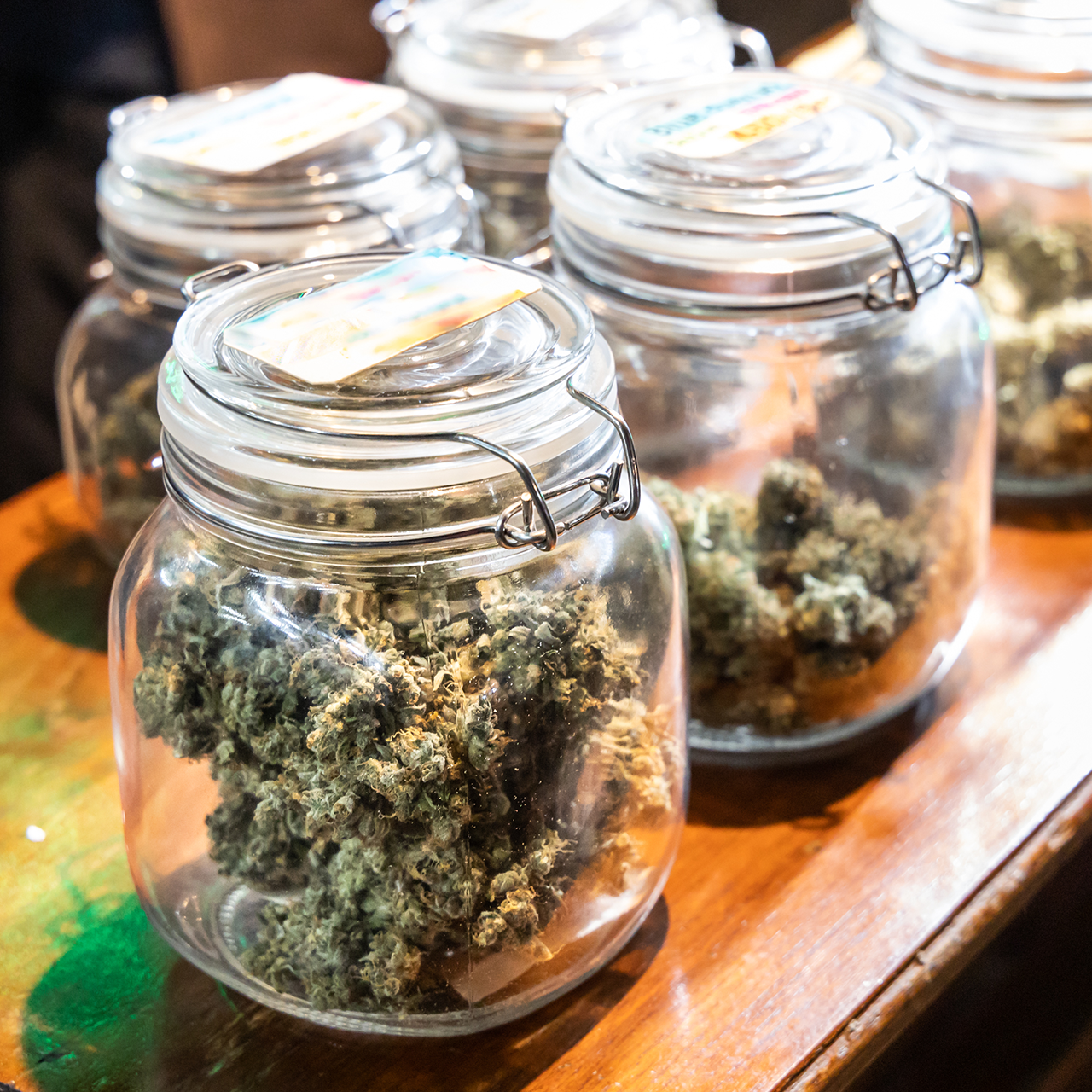
Property coverage protects your physical assets: buildings, equipment, inventory, and tenant improvements. Cannabis-specific policies must explicitly cover your product inventory, as standard property policies exclude it. Valuation methods vary, so confirm whether your policy covers wholesale value, retail value, or replacement cost.
| Coverage Type | What It Protects | Typical Limits |
|---|---|---|
| Building Coverage | Physical structure, HVAC, electrical | Replacement cost |
| Equipment | Grow lights, extraction equipment, POS systems | Actual cash value or replacement |
| Inventory | Harvested product, finished goods | Wholesale or retail value |
| Crop Coverage | Plants during cultivation | Per-plant or per-square-foot basis |
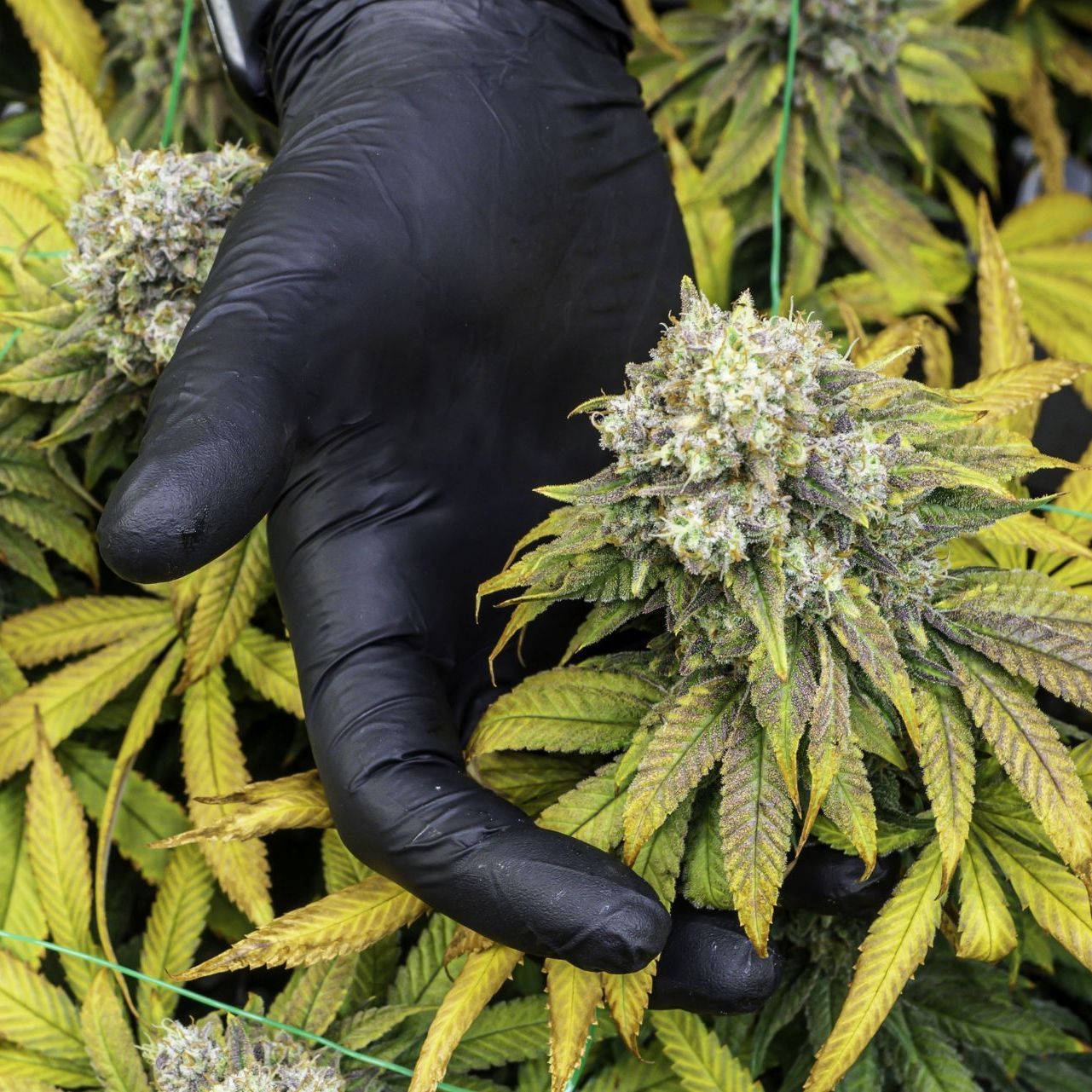
Crop insurance deserves special attention for cultivation operations. Standard property policies don't cover living plants, requiring specialized crop coverage that addresses risks like equipment failure, pest infestation, mold, and environmental control system breakdowns.
Workers' Compensation and Hawaii State Requirements
Hawaii requires workers' compensation coverage for virtually all employees, with very limited exceptions. This isn't optional for dispensaries, and penalties for non-compliance include fines and potential criminal charges. Coverage provides benefits to employees injured on the job, including medical expenses, lost wages, and rehabilitation costs.
Cannabis operations present specific workers' comp risks: repetitive motion injuries from trimming, respiratory issues from plant material exposure, chemical burns from extraction processes, and injuries from cultivation equipment. Your carrier should understand these exposures and price your policy accordingly. Working with a broker experienced in cannabis operations helps ensure your classification codes and payroll estimates accurately reflect your risk profile.
TruePath Insurance is fully licensed and authorized to provide comprehensive insurance solutions across multiple states.
We proudly serve individuals and businesses nationwide, offering access to trusted regional and national carriers. Our goal is to help clients find reliable, affordable coverage that aligns with their goals—whether for personal protection, business stability, or long-term financial security.
Protecting Assets from Specialized Threats
Beyond foundational coverages, dispensaries need protection against threats specific to the cannabis industry's unique operating environment.
Cash-in-Transit and Crime Coverage
The cash-intensive nature of cannabis retail creates attractive targets for criminals. Crime coverage protects against employee theft, robbery, burglary, and forgery. Cash-in-transit coverage extends protection to money being transported to banks or secure storage facilities.
Your security protocols directly impact both your insurability and your premiums. Carriers want to see safes rated for cash storage, surveillance systems with adequate retention periods, armed transport services, and strict cash handling procedures. Some insurers require specific security measures as conditions of coverage, so review these requirements carefully before binding a policy.
Cyber Liability for Patient Data Protection
Medical dispensaries handle protected health information subject to state privacy requirements. A data breach exposing patient names, medical conditions, and purchase histories creates significant liability exposure. Cyber liability coverage addresses breach notification costs, credit monitoring for affected patients, regulatory fines, and legal defense expenses.
Hawaii's data breach notification law requires prompt disclosure to affected individuals and the state attorney general when personal information is compromised. The costs of complying with these requirements, combined with potential lawsuits from affected patients, make cyber coverage essential for any dispensary maintaining electronic records.
Directors and Officers (D&O) Insurance
D&O coverage protects the personal assets of your company's leadership from claims alleging mismanagement, regulatory violations, or breach of fiduciary duty. Investors, regulatory agencies, or even employees can bring these claims. Given the heavily regulated nature of cannabis operations and the potential for regulatory enforcement actions, D&O coverage provides critical protection for your leadership team.

Obtaining coverage requires demonstrating to underwriters that your operation meets their risk standards. The application process for cannabis insurance is more rigorous than traditional business coverage.
Security Protocols and Compliance Documentation
Underwriters will request detailed information about your security systems, including camera placement, alarm monitoring, access controls, and cash handling procedures. They'll want to see your state license, compliance audit results, and standard operating procedures. Having these documents organized and readily available speeds the underwriting process.
Your loss history matters significantly. Previous claims, regulatory violations, or security incidents will affect your insurability and pricing. Be prepared to explain any past issues and demonstrate the corrective measures you've implemented.
The Importance of Working with Cannabis-Specific Brokers
General insurance brokers often lack access to cannabis markets and understanding of industry-specific risks. A broker specializing in cannabis insurance brings relationships with the limited number of carriers writing this coverage, knowledge of policy forms and exclusions, and experience navigating claims unique to dispensary operations.
The right broker advocates for you during underwriting, helps structure coverage to eliminate gaps, and assists with claims when they arise. Given the specialized nature of this market, broker expertise directly impacts both your coverage quality and your premium costs.
Future-Proofing Your Dispensary's Risk Management Strategy
Hawaii's cannabis market will continue evolving, and your insurance program must adapt accordingly. Regulatory changes, potential federal rescheduling, and market expansion all affect your risk profile and coverage needs.
Review your policies annually, not just at renewal. Significant operational changes, new product lines, facility expansions, or increased revenue all warrant coverage adjustments. Waiting until renewal to address these changes can leave you underinsured during critical growth periods.
Building relationships with your carrier and broker before claims occur pays dividends when you need support. Regular communication about your operations helps them understand your business and respond effectively when issues arise.

Frequently Asked Questions
How much does dispensary insurance cost in Hawaii? Premiums vary based on revenue, location, and coverage limits, but expect to pay between $15,000 and $50,000 annually for a comprehensive program covering a single retail location.
Can I get insurance if my dispensary has had a claim? Yes, though your options may be limited and premiums higher. Documenting corrective actions helps demonstrate improved risk management.
Does my landlord's insurance cover my dispensary? No. Landlord policies exclude tenant operations and typically contain cannabis exclusions. You need your own coverage.
What happens if federal legalization occurs? More carriers would likely enter the market, potentially reducing premiums and expanding coverage options. Existing policies would remain valid through their terms.
Are edibles and concentrates harder to insure than flower?
Yes. Processing operations and higher-potency products carry increased liability exposure, affecting both availability and pricing.
About The Author: Deb Sculli
I’m Deb, a Cannabis Insurance Specialist focused on helping dispensaries, cultivators, and cannabis-related businesses find the right protection. With a strong understanding of the industry’s regulations and risks, I work hard to simplify the insurance process—so my clients stay compliant and confidently safeguard their operations and investments.
Contact Us
WHO WE HELP
Serving the Cannabis Supply Chain
We cover licensed operators at every stage.
OUR BLOGS
Resources for Cannabis Business Owners
Stay informed and protected with our latest posts.
COMMON QUESTIONS
Cannabis Insurance Made Clear
Answers to the questions we hear most from cannabis business owners.
What types of insurance do you offer for cannabis businesses?
We offer commercial property, general liability, product liability, crop insurance, workers’ compensation, and cyber liability tailored to cannabis operations. These policies address the most common risks, such as crop loss, product claims, and facility damage.
Our agents will help you match the right coverage to your business type and scale, whether you're a dispensary, grower, processor, or distributor.
Why is specialized cannabis insurance necessary?
Standard business policies often exclude cannabis-related activities, which leaves significant exposure gaps. Cannabis-specific insurance covers unique industry risks like product recalls, crop theft, and regulatory compliance.
Having the right policy also satisfies licensing, leasing, and vendor requirements, allowing your business to operate legally and securely.
How does your agency ensure compliance with state regulations?
Many states require proof of specific insurance types before issuing or renewing cannabis licenses. We stay up-to-date on regulatory changes and ensure your policies meet state and local mandates.
That means you avoid surprises during audits or inspections and maintain good standing with licensing authorities.
How fast can I get a quote and bind coverage?
Request a quote and you’ll typically receive a custom proposal within 24 hours. Once you review and accept it, coverage can often be bound the same day, so your business isn’t left exposed.
We streamline documentation and communication to make setup fast and clear—no confusing forms or delays.
Do you support multi-state cannabis businesses?
Yes. We are licensed to operate in 36 states, including major cannabis markets. Whether you’re operating in one state or across several, we can design policies that address your regulatory and risk needs.
As you expand, our team adjusts your coverage accordingly—keeping your protection consistent across state lines.
What should I consider when selecting cannabis insurance?
Begin by identifying your key exposures—crop value, product inventory, employee safety, or cyber data. From there, choose coverage that aligns with these risks instead of opting for a basic or low-cost solution.
Also, look for a provider with cannabis expertise and responsive claims support—this experience helps during actual loss events.
Contact Us
Phone
Address