Alaska Hydroponic Farm Business Insurance
See How We're Different
or call us: (215) 653-8411
Running a hydroponic farm in Alaska presents a unique set of challenges that most agricultural operations elsewhere never face. Your growing systems operate year-round in a state where winter temperatures can plunge to minus 40 degrees, earthquakes strike without warning, and power outages can last for days. A single heating system failure during a January cold snap could destroy an entire crop cycle worth tens of thousands of dollars. Understanding the insurance protection available for your indoor growing operation isn't just prudent business planning: it's essential for survival in one of America's most demanding agricultural environments. Alaska crops contribute $90 million to the state's economy, and hydroponic operations represent a growing segment of that contribution. Your investment in specialized equipment, climate control systems, and living plant inventory requires equally specialized insurance coverage. The standard farm policy designed for traditional soil-based agriculture won't adequately protect a controlled environment facility. This overview of hydroponic farm business insurance coverage in Alaska will help you identify the specific protections your operation needs, understand the state's unique risk factors, and build a policy that keeps your business viable through whatever challenges arise.
Core Commercial Property Protection for Indoor Growing
Commercial property coverage forms the foundation of any hydroponic farm insurance program. Your facility contains expensive assets that require specific policy language to ensure proper protection. Generic agricultural policies often exclude or undervalue the specialized equipment found in controlled environment agriculture.
Insuring Hydroponic Systems and Specialized Equipment
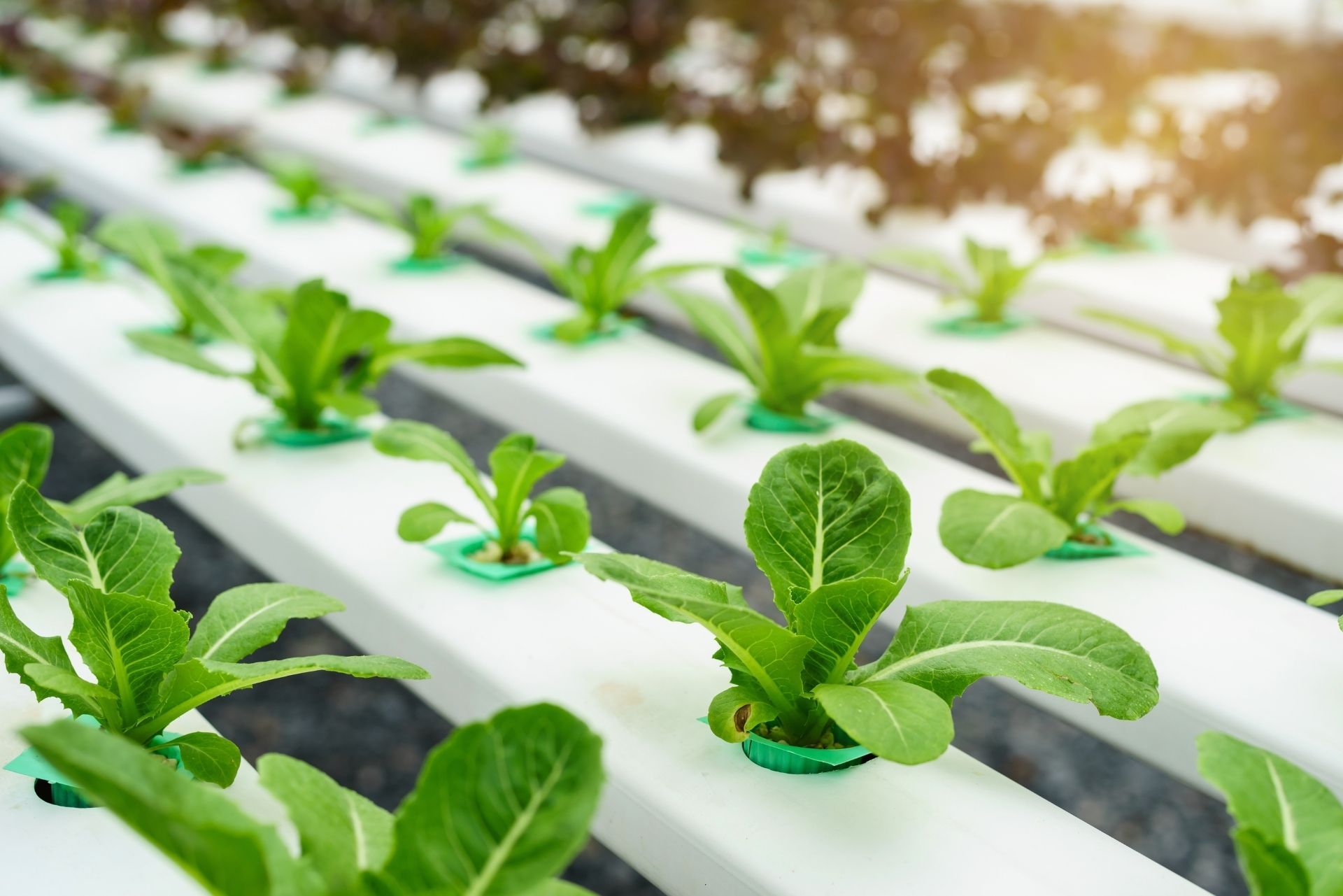
Your hydroponic systems represent a significant capital investment that standard property policies may not adequately cover. Nutrient delivery systems, growing channels, reservoir tanks, pumps, and monitoring equipment all require specific valuation in your policy. Many insurers unfamiliar with hydroponics will undervalue these assets or classify them incorrectly.
Work with your insurance provider to create a detailed equipment schedule that lists every major system component and its replacement cost. LED grow lights alone can cost thousands of dollars per unit, and a commercial facility may contain hundreds of them. Climate control systems, including HVAC units, dehumidifiers, and CO2 supplementation equipment, need explicit coverage. Don't forget backup generators and automated monitoring systems that protect your crops during power interruptions.
Coverage for Structural Damage and Greenhouse Enclosures
Your growing facility's structure requires coverage that accounts for Alaska's harsh conditions. Greenhouse enclosures face stress from heavy snow loads, high winds, and extreme temperature differentials. Polycarbonate panels, glass glazing, and structural framing all need replacement cost coverage rather than actual cash value, which depreciates your assets over time.
Building coverage should include the foundation, interior improvements, and any attached equipment. If you've modified a warehouse or constructed a purpose-built facility, ensure your policy reflects the actual reconstruction cost in today's market. Construction costs in Alaska typically run 20% to 30% higher than the national average due to material shipping expenses and limited contractor availability.
Crop Loss and Living Plant Coverage
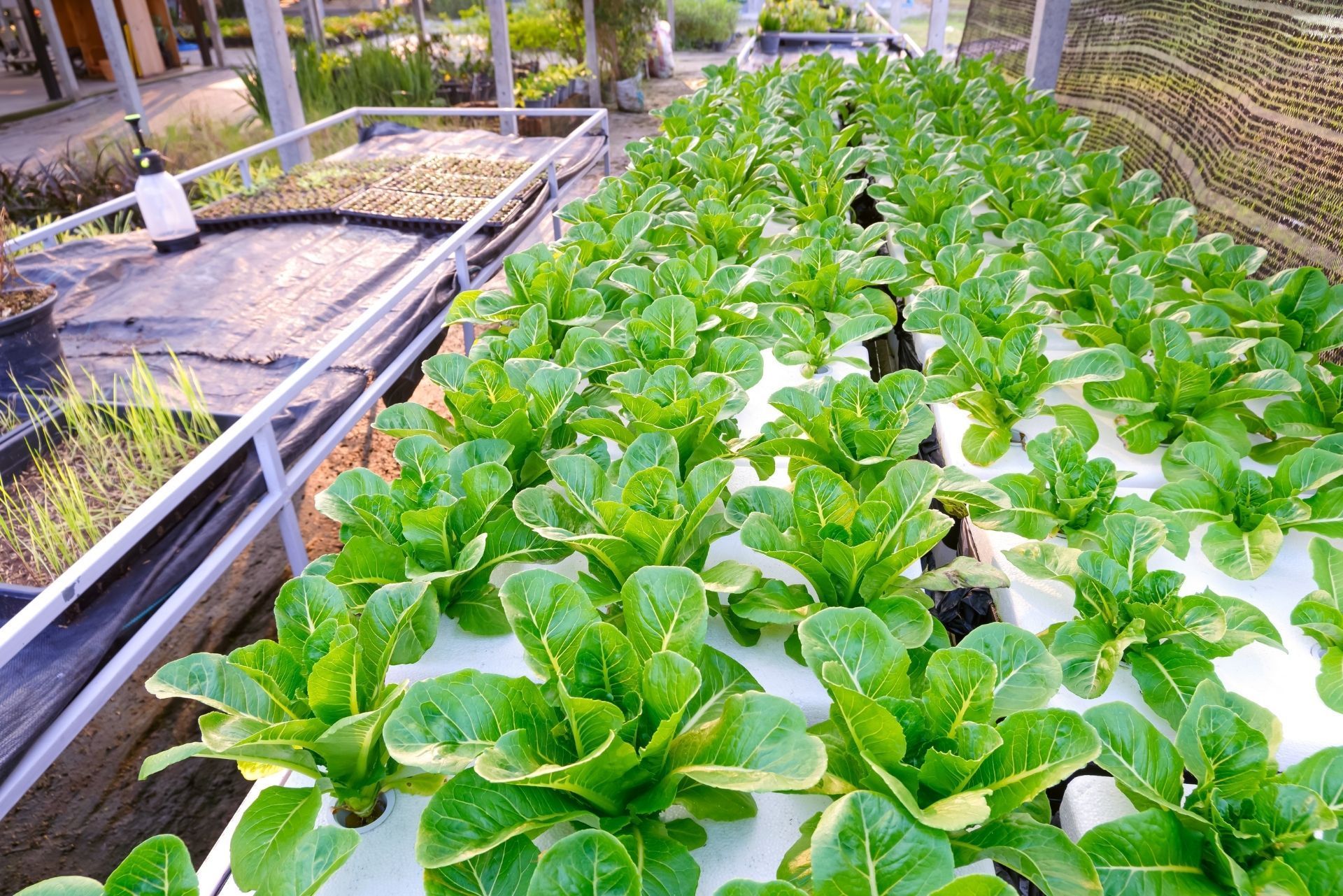
Your plants represent inventory that grows in value throughout the production cycle. Traditional crop insurance designed for field agriculture doesn't translate well to hydroponic operations. You need coverage that recognizes the controlled environment nature of your growing and the accelerated production timelines involved.
In 2024, crop insurance
protected 5,345 acres in Alaska, though hydroponic operations require different valuation methods than acreage-based coverage. Your policy should cover plants at their stage-of-growth value, accounting for seeds, nutrients, labor, and energy inputs already invested. Some specialized agricultural insurers offer coverage that pays based on projected harvest value, providing better protection for crops nearing maturity.
TruePath Insurance is fully licensed and authorized to provide comprehensive insurance solutions across multiple states.
We proudly serve individuals and businesses nationwide, offering access to trusted regional and national carriers. Our goal is to help clients find reliable, affordable coverage that aligns with their goals—whether for personal protection, business stability, or long-term financial security.
Addressing Alaska's Unique Environmental Risks
Alaska's geography and climate create hazards that hydroponic operations in other states rarely encounter. Your insurance program must address these specific threats with appropriate coverage and adequate limits.
Extreme Cold and Heating System Failure Protection
Heating system failure represents perhaps the greatest single risk to Alaska hydroponic operations. A boiler breakdown during a severe cold snap can freeze an entire facility within hours. Standard property policies often exclude damage caused by mechanical breakdown of heating equipment.
Equipment breakdown coverage, sometimes called boiler and machinery insurance, fills this gap. This coverage pays for both the repair of failed equipment and the resulting damage to your facility and crops. Given that your entire operation depends on maintaining consistent temperatures, this coverage is essential rather than optional. Consider policies that include expedited repair provisions, which pay premium rates to get technicians on-site quickly during emergencies.
Seismic Activity and Earthquake Endorsements
Alaska experiences more earthquakes than any other U.S. state, and standard commercial property policies exclude earthquake damage. You'll need a separate earthquake endorsement or standalone policy to protect your facility. Hydroponic systems are particularly vulnerable to seismic events because elevated growing channels, reservoir tanks, and piping can shift or rupture during ground movement.
Earthquake coverage typically carries higher deductibles than standard property coverage, often calculated as a percentage of the insured value rather than a flat dollar amount. A 5% deductible on a $500,000 facility means you'd absorb the first $25,000 of any earthquake loss. Factor this into your risk management planning and maintain adequate cash reserves.
Utility Interruption and Power Outage Safeguards
Extended power outages occur regularly in rural Alaska, and even urban areas experience significant interruptions during severe weather. Your climate control, irrigation, and lighting systems all depend on continuous electrical service. Utility interruption coverage pays for crop losses and extra expenses when power failures disrupt your operation.
This coverage works differently from standard business interruption insurance because it responds to off-premises events beyond your control. Review policy waiting periods carefully: some policies won't pay unless the outage exceeds 24 or 48 hours, which may be too long to prevent significant crop damage.
Liability Considerations for Farm Operations
Liability exposures extend beyond your facility's walls and can threaten your business assets if not properly insured.
General Liability for On-Site Visitors and Workers
General liability coverage protects your business when someone is injured on your premises or when your operations cause property damage to others. Visitors, vendors, inspectors, and customers all present potential liability exposures. The average hydroponics farm in America spends between $400 and $1,500 per year for $1 million in general liability coverage, though Alaska rates may run higher due to limited market competition.
Your policy should cover medical expenses, legal defense costs, and settlements or judgments arising from covered claims. Ensure your coverage extends to all locations where you conduct business, including farmers markets, delivery routes, and off-site storage facilities.
Product Liability for Fresh Produce Sales
Selling produce directly to consumers or restaurants creates product liability exposure. If someone becomes ill from contaminated greens traced to your operation, you could face significant legal claims. Product liability coverage responds to these situations, paying for defense and damages.
Food safety claims can be expensive to defend even when your operation bears no fault. Coverage limits of at least $1 million per occurrence are standard, though operations selling to large retailers or institutions may need higher limits to satisfy contract requirements.
Business Interruption and Supply Chain Resilience
Business interruption coverage replaces lost income when a covered event forces you to suspend operations. For hydroponic farms, this coverage is critical because your production cycle continues regardless of external events. Seeds germinate, plants grow, and harvest windows pass whether your facility is operational or not.
Calculate your coverage needs based on your actual revenue and the time required to restore operations after a major loss. Most policies pay for the "period of restoration," which ends when you could reasonably resume normal operations. For a hydroponic facility requiring specialized equipment, this period could extend several months.
Supply chain coverage protects against losses when your key suppliers or customers experience disruptions. If your primary nutrient supplier can't deliver or your major buyer's facility closes, your operation suffers even though you experienced no direct loss.
Alaska-Specific Regulatory and Workers' Compensation Requirements
Alaska law requires most employers to carry workers' compensation insurance. This coverage pays medical expenses and lost wages for employees injured on the job, regardless of fault. Hydroponic operations present specific workplace hazards including chemical exposure from nutrients and sanitizers, slip and fall risks from wet floors, and repetitive motion injuries from harvesting tasks.
Workers' compensation rates vary by job classification and your claims history. Implementing strong safety programs can reduce both injuries and insurance costs over time. Alaska farmers paid $12,388 for crop insurance coverage in 2024, but workers' compensation costs depend entirely on your payroll and safety record.
The federal government
subsidizes a portion of crop insurance premiums, typically ranging from 38% to 80%, making this coverage more affordable than you might expect. Explore whether your hydroponic operation qualifies for these subsidies through the USDA Risk Management Agency.
Strategies for Selecting and Customizing Your Policy
| Coverage Type | Basic Policy | Enhanced Policy |
|---|---|---|
| Property | Actual cash value | Replacement cost |
| Equipment Breakdown | Excluded | Included with expedited repair |
| Crop Coverage | Named perils only | All-risk with stage-of-growth valuation |
| Business Interruption | 30-day waiting period | 24-hour waiting period |
| Earthquake | Excluded | 5% deductible endorsement |
As David Macari, GrowPro Program Manager, notes, "The rapid advance of soilless farming technologies has made hydroponics more efficient but also creates new and potentially costlier liabilities, making specialized horticultural insurance essential."
Work with an insurance agent experienced in controlled environment agriculture. General farm insurance agents may not understand the specific needs of hydroponic operations. Request quotes from multiple carriers, as coverage terms and pricing vary significantly.
Frequently Asked Questions
Does standard farm insurance cover hydroponic equipment? Most standard farm policies don't adequately cover hydroponic systems. You'll need endorsements or specialized policies that specifically list and value your growing equipment.
How much does hydroponic farm insurance cost in Alaska? Costs vary based on facility size, equipment value, and coverage limits. Expect to pay more than the national average due to Alaska's unique risks and limited insurance market.
Are my crops covered if the heating system fails? Standard property policies often exclude mechanical breakdown. You'll need equipment breakdown coverage to protect against heating system failures and resulting crop losses.
Do I need earthquake coverage for my Alaska hydroponic farm? Yes. Alaska's seismic activity makes earthquake coverage essential, though it requires a separate endorsement since standard policies exclude this peril.
Can I get federal crop insurance subsidies for hydroponic crops? Some hydroponic crops may qualify for federal crop insurance programs. Contact your local USDA Risk Management Agency office to determine eligibility.
Building the right insurance program for your Alaska hydroponic operation requires careful attention to the state's unique risks and your facility's specific needs. Start by documenting all equipment and calculating accurate replacement costs. Identify your most significant exposures: heating failure, earthquake damage, power interruption: and ensure each has adequate coverage. Request quotes from agents specializing in controlled environment agriculture, and don't hesitate to ask detailed questions about policy exclusions and limitations. The investment you make in comprehensive coverage protects not just your physical assets but the viability of your entire business.
WHO WE HELP
Serving the Cannabis Supply Chain
We cover licensed operators at every stage.
OUR BLOGS
Resources for Cannabis Business Owners
Stay informed and protected with our latest posts.
COMMON QUESTIONS
Cannabis Insurance Made Clear
Answers to the questions we hear most from cannabis business owners.
What types of insurance do you offer for cannabis businesses?
We offer commercial property, general liability, product liability, crop insurance, workers’ compensation, and cyber liability tailored to cannabis operations. These policies address the most common risks, such as crop loss, product claims, and facility damage.
Our agents will help you match the right coverage to your business type and scale, whether you're a dispensary, grower, processor, or distributor.
Why is specialized cannabis insurance necessary?
Standard business policies often exclude cannabis-related activities, which leaves significant exposure gaps. Cannabis-specific insurance covers unique industry risks like product recalls, crop theft, and regulatory compliance.
Having the right policy also satisfies licensing, leasing, and vendor requirements, allowing your business to operate legally and securely.
How does your agency ensure compliance with state regulations?
Many states require proof of specific insurance types before issuing or renewing cannabis licenses. We stay up-to-date on regulatory changes and ensure your policies meet state and local mandates.
That means you avoid surprises during audits or inspections and maintain good standing with licensing authorities.
How fast can I get a quote and bind coverage?
Request a quote and you’ll typically receive a custom proposal within 24 hours. Once you review and accept it, coverage can often be bound the same day, so your business isn’t left exposed.
We streamline documentation and communication to make setup fast and clear—no confusing forms or delays.
Do you support multi-state cannabis businesses?
Yes. We are licensed to operate in 36 states, including major cannabis markets. Whether you’re operating in one state or across several, we can design policies that address your regulatory and risk needs.
As you expand, our team adjusts your coverage accordingly—keeping your protection consistent across state lines.
What should I consider when selecting cannabis insurance?
Begin by identifying your key exposures—crop value, product inventory, employee safety, or cyber data. From there, choose coverage that aligns with these risks instead of opting for a basic or low-cost solution.
Also, look for a provider with cannabis expertise and responsive claims support—this experience helps during actual loss events.
Contact Us
Phone
Address