New Hampshire Medical Dispensary Insurance
See How We're Different
or call us: (215) 653-8411
The Evolving Legal Landscape for New Hampshire Cannabis
Operating a medical dispensary in New Hampshire means navigating a complex web of state regulations and federal contradictions that directly affect your ability to secure adequate insurance protection. The state's Therapeutic Cannabis Program, established in 2013, permits licensed Alternative Treatment Centers to serve registered patients, yet federal classification of cannabis as a Schedule I substance creates significant hurdles for business owners seeking coverage. This New Hampshire medical dispensary insurance coverage guide addresses the specific challenges you'll face and the solutions available to protect your investment.
Traditional insurance carriers largely avoid cannabis-related businesses due to federal prohibition concerns, leaving dispensary operators to work with specialty insurers who understand the industry's unique risk profile. Your facility faces exposures that standard commercial policies weren't designed to address: product liability for consumable goods with psychoactive properties, security requirements that exceed typical retail operations, and compliance obligations that shift as regulations evolve. Finding the right coverage requires understanding both what's available and what gaps commonly exist in cannabis-focused policies.
The stakes are substantial. A single uninsured claim, whether from a slip-and-fall incident, a product contamination event, or a data breach exposing patient information, could threaten your entire operation. Proper insurance isn't merely a regulatory checkbox; it's the foundation that allows your business to survive unexpected setbacks and continue serving patients who depend on access to therapeutic cannabis.
Current Therapeutic Cannabis Program Regulations
New Hampshire's program operates under strict oversight from the Department of Health and Human Services. The state limits the number of Alternative Treatment Centers, creating a controlled market environment that influences insurance considerations. Each licensed facility must maintain specific security measures, inventory tracking systems, and staffing requirements that directly affect your risk profile and premium calculations.
Licensees face annual renewal requirements and ongoing compliance audits. Insurance carriers familiar with New Hampshire's program will want documentation proving your facility meets state standards for surveillance systems, access controls, and product testing protocols. Your compliance history becomes part of your underwriting file, with violations potentially affecting both coverage availability and pricing.
Impact of State vs. Federal Law on Insurance Availability
The federal-state conflict creates a coverage gap that many dispensary owners don't fully appreciate until they need to file a claim. Standard commercial insurers typically include cannabis exclusions in their policies, meaning even if you purchase what appears to be comprehensive coverage, claims related to your core business activities may be denied.
Specialty cannabis insurers have emerged to fill this gap, but they operate with different risk calculations than traditional carriers. These insurers price policies based on cannabis-specific loss data, which remains limited compared to established industries. You'll generally pay higher premiums than comparable non-cannabis retail operations, and coverage limits may be lower than you'd prefer.
Essential General Liability and Property Protections
Your dispensary faces the same basic risks as any retail business, plus additional exposures unique to the cannabis industry. General liability and property coverage form the foundation of your insurance program, protecting against the most common and potentially costly incidents your facility might experience.
Securing Physical Assets and Inventory
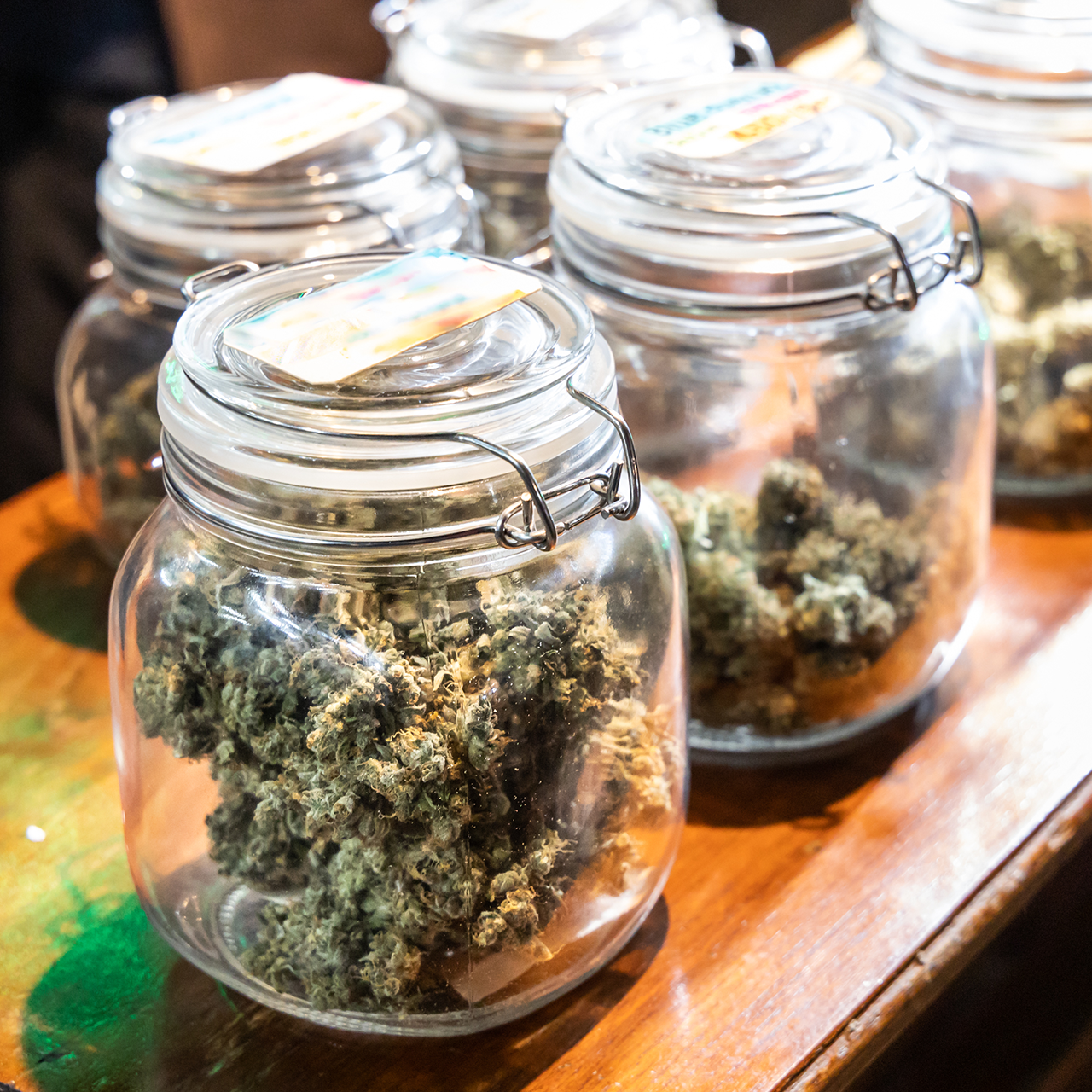
Cannabis inventory represents a concentrated value that requires specialized property coverage. Standard property policies often exclude cannabis products entirely, or they undervalue inventory based on wholesale costs rather than retail value. Your coverage should account for the full replacement cost of your products, including the time and regulatory hurdles involved in restocking.
Beyond inventory, your property coverage must address:
- Building improvements and security installations
- Specialized HVAC and environmental control systems
- Point-of-sale equipment and inventory management technology
- Fixtures, furniture, and display cases
Theft coverage deserves particular attention. Cannabis businesses face elevated theft risks, and some policies impose sublimits or higher deductibles for theft-related losses. Review your policy's theft provisions carefully to ensure adequate protection.
Premises Liability for Alternative Treatment Centers
Patient safety on your premises creates liability exposure that extends beyond typical retail environments. Many patients visiting your facility may have medical conditions affecting mobility or cognitive function. Your liability coverage must account for these elevated risks while also addressing standard slip-and-fall scenarios.
Coverage should extend to your parking areas, entrances, and any outdoor spaces patients access. If you offer consultation rooms or private areas for patient discussions, these spaces create additional exposure points. Your policy's premises liability provisions should specifically address the patient population you serve.
TruePath Insurance is fully licensed and authorized to provide comprehensive insurance solutions across multiple states.
We proudly serve individuals and businesses nationwide, offering access to trusted regional and national carriers. Our goal is to help clients find reliable, affordable coverage that aligns with their goals—whether for personal protection, business stability, or long-term financial security.
Specialized Product Liability and Professional Risks
The products you sell carry inherent risks that require dedicated coverage. Unlike conventional retail merchandise, cannabis products are consumed by patients seeking therapeutic benefits, creating liability exposure if products don't perform as expected or cause adverse effects.
Coverage for Product Recalls and Contamination
Product liability coverage protects against claims arising from defective or harmful products you've sold. For dispensaries, this includes allegations of:
- Contamination with pesticides, mold, or other harmful substances
- Inaccurate labeling of THC/CBD content
- Allergic reactions or unexpected interactions
- Products that fail to provide stated therapeutic benefits
| Security Feature | What It Protects | Typical Limits |
|---|---|---|
| Product Liability | Third-party injury claims from products sold | $1M-$2M per occurrence |
| Product Recall | Costs to remove defective products from circulation | $100K-$500K |
| Contamination | Testing, disposal, and replacement costs | Often included in recall coverage |
Recall coverage matters more than many operators realize. A contamination event affecting multiple batches could require you to contact hundreds of patients, retrieve products, and manage the public relations fallout. These costs accumulate rapidly even when no injuries occur.
Professional Liability for Dispensary Staff
Your staff provides guidance to patients about product selection, dosing, and consumption methods. This advisory role creates professional liability exposure similar to what pharmacies face. If a patient claims they were harmed by following staff recommendations, your business could face a lawsuit.
Professional liability, sometimes called errors and omissions coverage, protects against claims alleging negligent advice or failure to provide appropriate guidance. This coverage becomes increasingly important as your staff develops expertise and patients rely more heavily on their recommendations.

Operational Safeguards: Workers' Comp and Cyber Insurance
Day-to-day operations create exposures that extend beyond customer interactions. Your employees face workplace risks, and your business handles sensitive patient data that requires protection. Both areas demand specific insurance solutions.
New Hampshire Workers' Compensation Compliance
New Hampshire requires most employers to carry workers' compensation insurance. Cannabis businesses aren't exempt from this requirement, though finding coverage can prove challenging. Some traditional workers' comp carriers decline cannabis accounts, pushing operators toward specialty markets.
Your workers' comp policy covers medical expenses and lost wages when employees suffer work-related injuries or illnesses. Common dispensary workplace injuries include repetitive motion injuries from packaging products, back strains from lifting inventory, and security-related incidents.
The classification codes assigned to your employees affect premium calculations. Dispensary workers may be classified under retail codes, but employees performing cultivation or processing tasks fall under different, often more expensive categories. Accurate classification matters both for proper coverage and premium accuracy.
Protecting Patient Data and HIPAA Compliance
Your dispensary collects and stores protected health information subject to HIPAA regulations. A data breach exposing patient records creates both regulatory liability and reputational damage that could devastate your business. Cyber liability insurance addresses these risks.
Cyber coverage typically includes breach response costs, notification expenses, credit monitoring services for affected patients, and legal defense if patients sue over exposed information. Some policies also cover ransomware payments and business interruption losses from cyber attacks.
Securing appropriate coverage requires preparation and documentation that demonstrates your facility operates professionally and manages risks effectively. Underwriters evaluate your application based on factors you can influence through proper planning.
Key Documentation for New Hampshire Underwriters
When applying for coverage, prepare to provide:
- Current state license and compliance history
- Security system specifications and monitoring contracts
- Employee training records and protocols
- Product testing procedures and supplier agreements
- Financial statements demonstrating business stability
Underwriters want evidence that you run a compliant, well-managed operation. Gaps in documentation or evidence of past compliance issues will result in higher premiums or coverage denials. Organize your materials before beginning the application process.
Risk Management Strategies to Lower Premiums
Your premium reflects the insurer's assessment of your claim likelihood. Demonstrating strong risk management practices can meaningfully reduce your costs.
Invest in comprehensive employee training programs covering safety protocols, customer interactions, and compliance requirements. Document this training thoroughly. Install security systems exceeding state minimums and maintain detailed records of all security-related activities. Implement quality control procedures for products entering your inventory, including testing documentation from suppliers.
Building a relationship with a broker experienced in cannabis insurance helps you present your operation in the most favorable light. These specialists understand what underwriters prioritize and can guide you toward improvements that matter most for premium calculations.

Making the Right Coverage Decisions
Protecting your New Hampshire dispensary requires coverage tailored to your specific operation and the unique risks cannabis businesses face. Standard commercial policies won't adequately protect you, and gaps in coverage could prove catastrophic when claims arise.
Work with insurance professionals who specialize in cannabis operations and understand New Hampshire's regulatory environment. Review your coverage annually as your business evolves and regulations change. The investment in proper insurance protection allows you to focus on serving patients while knowing your business can withstand the unexpected challenges that inevitably arise.
Frequently Asked Questions
Can I purchase dispensary insurance from any commercial carrier? Most traditional carriers exclude cannabis businesses due to federal prohibition. You'll typically need specialty insurers who focus on the cannabis industry and understand its unique risk profile.
How much does dispensary insurance cost in New Hampshire? Premiums vary significantly based on your revenue, inventory value, security measures, and claims history. Expect to pay more than comparable non-cannabis retail operations, often 2-3 times higher for similar coverage limits.
Does my landlord's insurance cover my dispensary? No. Your landlord's policy protects the building structure, not your business operations, inventory, or liability. You need your own commercial coverage specific to your dispensary activities.
What happens if I operate without proper insurance? Beyond the obvious financial risk from uninsured claims, operating without required coverage like workers' compensation violates state law. Your dispensary license could also be at risk if regulators discover inadequate insurance.
Will my coverage transfer if I expand to additional locations? Expansion typically requires policy amendments or additional coverage. Notify your insurer before opening new locations to ensure continuous protection across all facilities.
About The Author: Deb Sculli
I’m Deb, a Cannabis Insurance Specialist focused on helping dispensaries, cultivators, and cannabis-related businesses find the right protection. With a strong understanding of the industry’s regulations and risks, I work hard to simplify the insurance process—so my clients stay compliant and confidently safeguard their operations and investments.
Contact Us
WHO WE HELP
Serving the Cannabis Supply Chain
We cover licensed operators at every stage.
OUR BLOGS
Resources for Cannabis Business Owners
Stay informed and protected with our latest posts.
COMMON QUESTIONS
Cannabis Insurance Made Clear
Answers to the questions we hear most from cannabis business owners.
What types of insurance do you offer for cannabis businesses?
We offer commercial property, general liability, product liability, crop insurance, workers’ compensation, and cyber liability tailored to cannabis operations. These policies address the most common risks, such as crop loss, product claims, and facility damage.
Our agents will help you match the right coverage to your business type and scale, whether you're a dispensary, grower, processor, or distributor.
Why is specialized cannabis insurance necessary?
Standard business policies often exclude cannabis-related activities, which leaves significant exposure gaps. Cannabis-specific insurance covers unique industry risks like product recalls, crop theft, and regulatory compliance.
Having the right policy also satisfies licensing, leasing, and vendor requirements, allowing your business to operate legally and securely.
How does your agency ensure compliance with state regulations?
Many states require proof of specific insurance types before issuing or renewing cannabis licenses. We stay up-to-date on regulatory changes and ensure your policies meet state and local mandates.
That means you avoid surprises during audits or inspections and maintain good standing with licensing authorities.
How fast can I get a quote and bind coverage?
Request a quote and you’ll typically receive a custom proposal within 24 hours. Once you review and accept it, coverage can often be bound the same day, so your business isn’t left exposed.
We streamline documentation and communication to make setup fast and clear—no confusing forms or delays.
Do you support multi-state cannabis businesses?
Yes. We are licensed to operate in 36 states, including major cannabis markets. Whether you’re operating in one state or across several, we can design policies that address your regulatory and risk needs.
As you expand, our team adjusts your coverage accordingly—keeping your protection consistent across state lines.
What should I consider when selecting cannabis insurance?
Begin by identifying your key exposures—crop value, product inventory, employee safety, or cyber data. From there, choose coverage that aligns with these risks instead of opting for a basic or low-cost solution.
Also, look for a provider with cannabis expertise and responsive claims support—this experience helps during actual loss events.
Contact Us
Phone
Address